After Bags, Jewelry: The Era of Hard Luxury
Korea's fashion accessories and hard luxury markets, riding explosive growth.
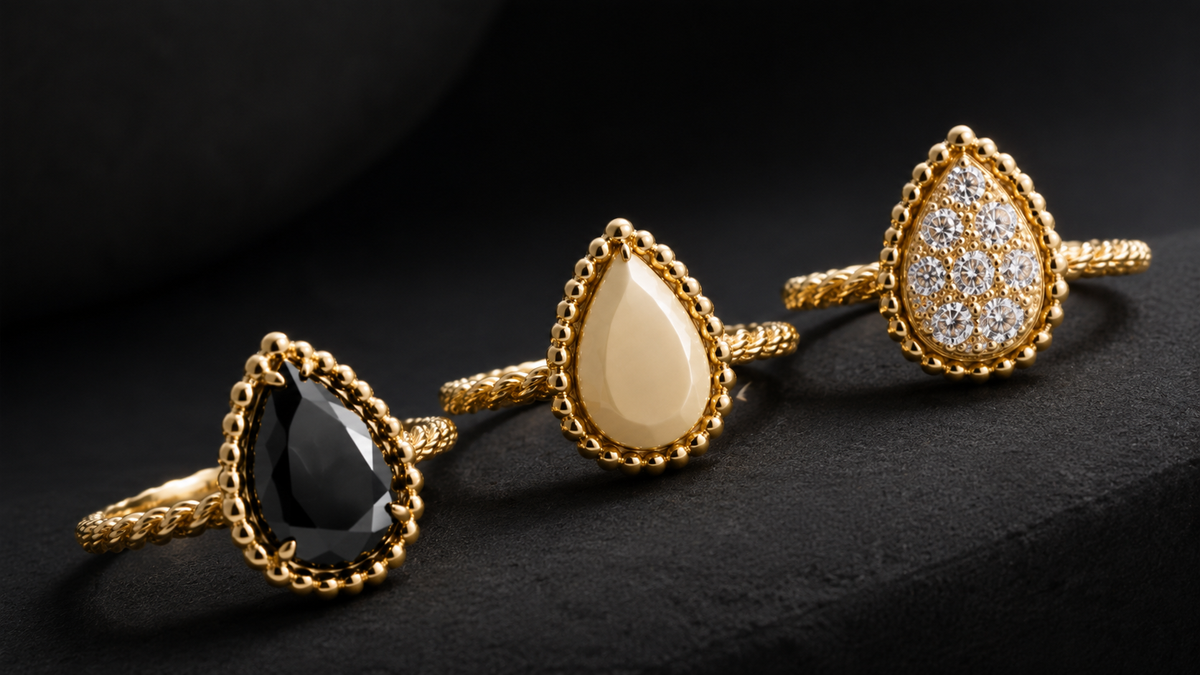
The Korean Fashion Accessories Market Runs Alone
While the global luxury market falters — posting negative growth (-2%) for the first time in history — one market draws the world's attention with its singularly steady climb: Korea.
By Morgan Stanley's research, Korea has recorded the world's highest per-capita annual luxury spending at $325 — overwhelming the US ($280) and China ($55).
And the core engine driving the luxury category's growth in Korean department stores lately isn't apparel — it's 'bags, premium accessories, and hard luxury (jewelry and watches).'

With 38–48% of global fashion accessories revenue (by research firm estimates) generated in Asia-Pacific, here's an analysis of the structural reasons Korean retailers and buyers cannot help but claim the most advantageous high ground on the market's front line.
Koreans' Extraordinary Love of Accessories
The global fashion accessories market is estimated at over $1 trillion across multiple research firms, with Asia-Pacific (APAC) commanding the largest share and leading the market. What's interesting: consumption patterns split completely even among APAC countries.
Category Preferences by Country
Global consumer surveys show India favors apparel and China favors footwear and traditional jewelry — while Korean consumers' preference for premium and luxury bags and fashion accessories is overwhelming.
Gen Z Leads Gender-Neutral
The handbag and jewelry market's growth is being pulled by the young. Korean Gen Z consumers spare no expense expressing individuality through 'gender-neutral' accessories that cross traditional lines.
The Resale Explosion
These preferences extend into the secondhand luxury market: an accessories-centered resale ecosystem is expanding at unprecedented speed, built on the mobile transactions of an MZ generation pursuing economy and sustainability at once.

Growth 4x Faster Than Apparel
The jewelry and watch category at Korea's major department stores recently surged more than 35–38% year over year, writing a record of sixteen consecutive months of growth. Behind consumers' rapid migration past apparel and bags toward hard luxury are clear variables.
Hard Luxury as a 'Store of Value'
With gold prices soaring nearly 80% year over year, high jewelry and watches have begun to function beyond adornment — as an 'investment vehicle' for safely storing assets.
Relative Price Attractiveness
Per McKinsey and BoF analyses, while luxury apparel prices shot skyward in recent years, high jewelry raised its prices relatively gently. As savvy consumers weighing long-lasting 'investment value' converge with the 'self-gifting' trend, the jewelry market's sales are growing at four times the speed of apparel.

The Logo-Erased Market, and the Task It Leaves
The biggest trend running through the Korea-China-Japan markets today is 'the maturation of quiet luxury.' The era of flashing big logos for status is over. Consumers now recognize and choose first the brands that lead with logo-free, high-quality products — 'the value of material and original design.'
Matching this shift, global houses are accelerating their direct assault on Asian consumers: launching limited collaborations tailored to Asian markets, staging massive expos showcasing craftsmanship.
With global brands advancing directly into Asia, there is one answer for select shops and buyers to keep their independent edge:
become the 'curator' who reads shifting consumer taste first — rather than leaning on brand-name recognition.
Only the retailer who captures the current early — consumer eyes already moving past bags toward jewelry and hard accessories — and builds the portfolio accordingly will seize next season's surest revenue opportunity.