Chanel's 16% Growth Amid a Market Slowdown
Chanel's +16% first-half revenue and the commercial impact of Matthieu Blazy's debut collection.
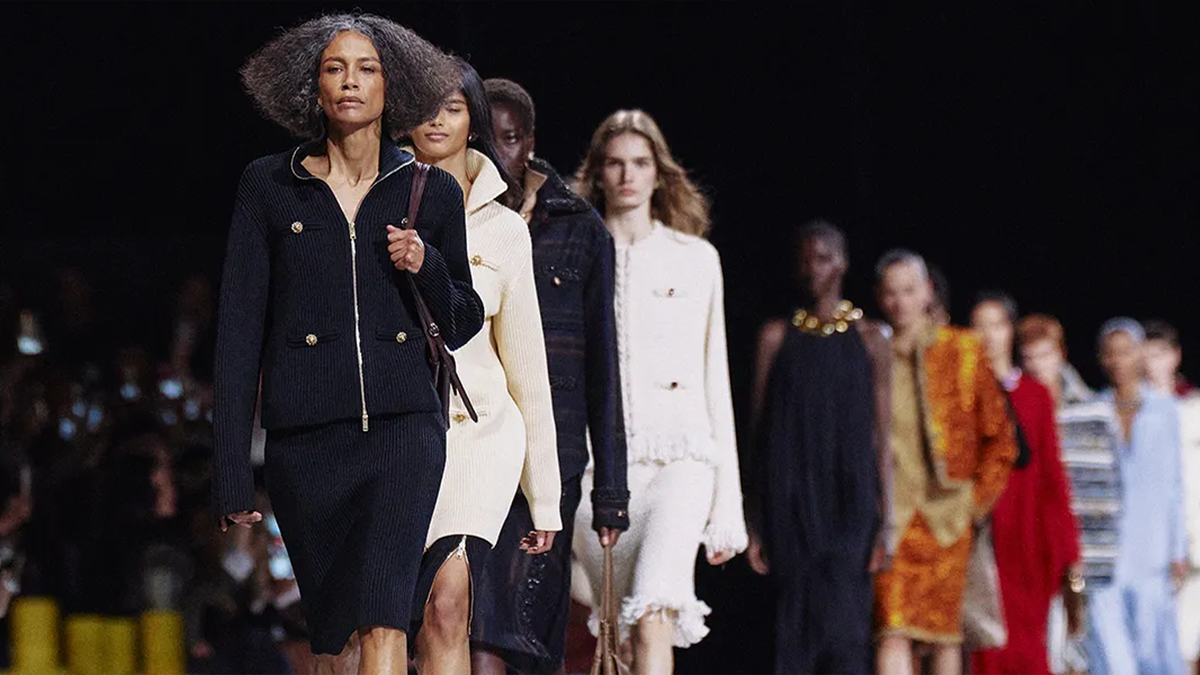
Chanel is a privately held company that discloses its results only once a year. Yet its numbers for the first half of 2026 made their way out into the world as an exception, through a Bloomberg report in early August.
The core of these figures, which fashion outlet WWD described as an "unprecedented leak," is clear: comparable revenue growth of about +16% in the first half of 2026. In a season when the growth of global luxury groups such as LVMH and Hermès stalled and left investors disappointed, Chanel posted relatively strong growth despite the industry-wide slowdown.
If the main growth formula in the luxury market over the past few years was "price increases," Chanel's first-half results show what the next formula is: "making things people want again."
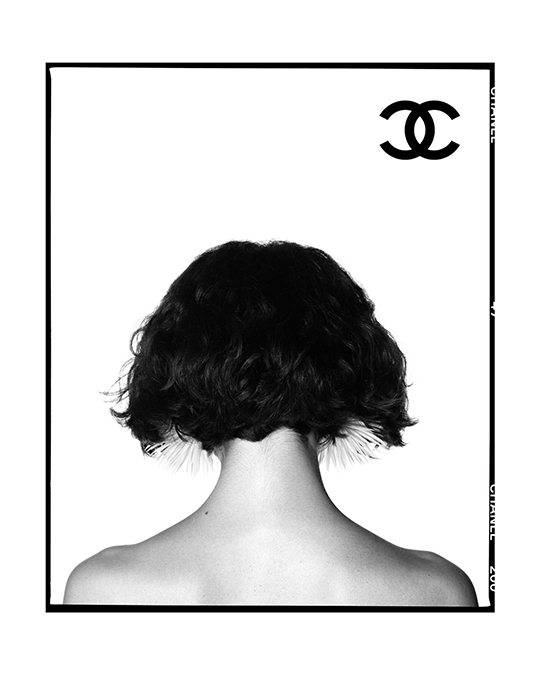
From +2% to +16%
In 2025, Chanel's official annual growth rate was around +2%. That means its growth rate jumped sharply to +16% in just half a year.
The macroeconomic environment didn't improve dramatically during this period. Over the same stretch, LVMH's fashion and leather goods division posted organic growth of -1% for the first half and +1% for the second quarter.
One notable change during this time was Matthieu Blazy's first collection arriving in stores. The fashion division also posted a growth rate similar to the group as a whole, lending weight to the interpretation that demand for the new collection helped drive results.
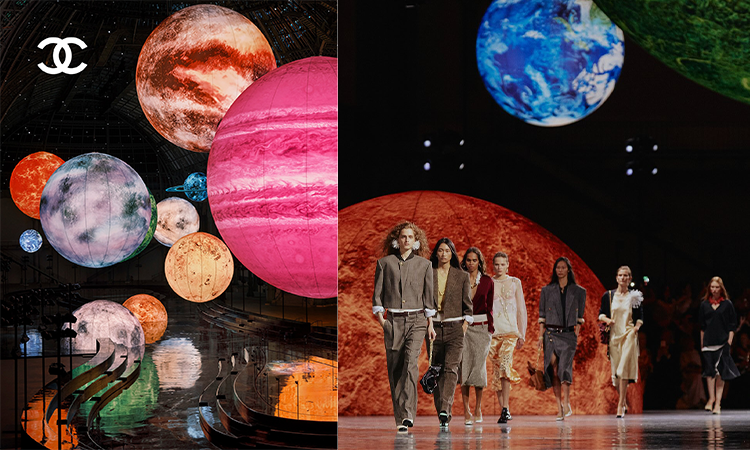
Matthieu Blazy's Debut and the March Delivery Effect
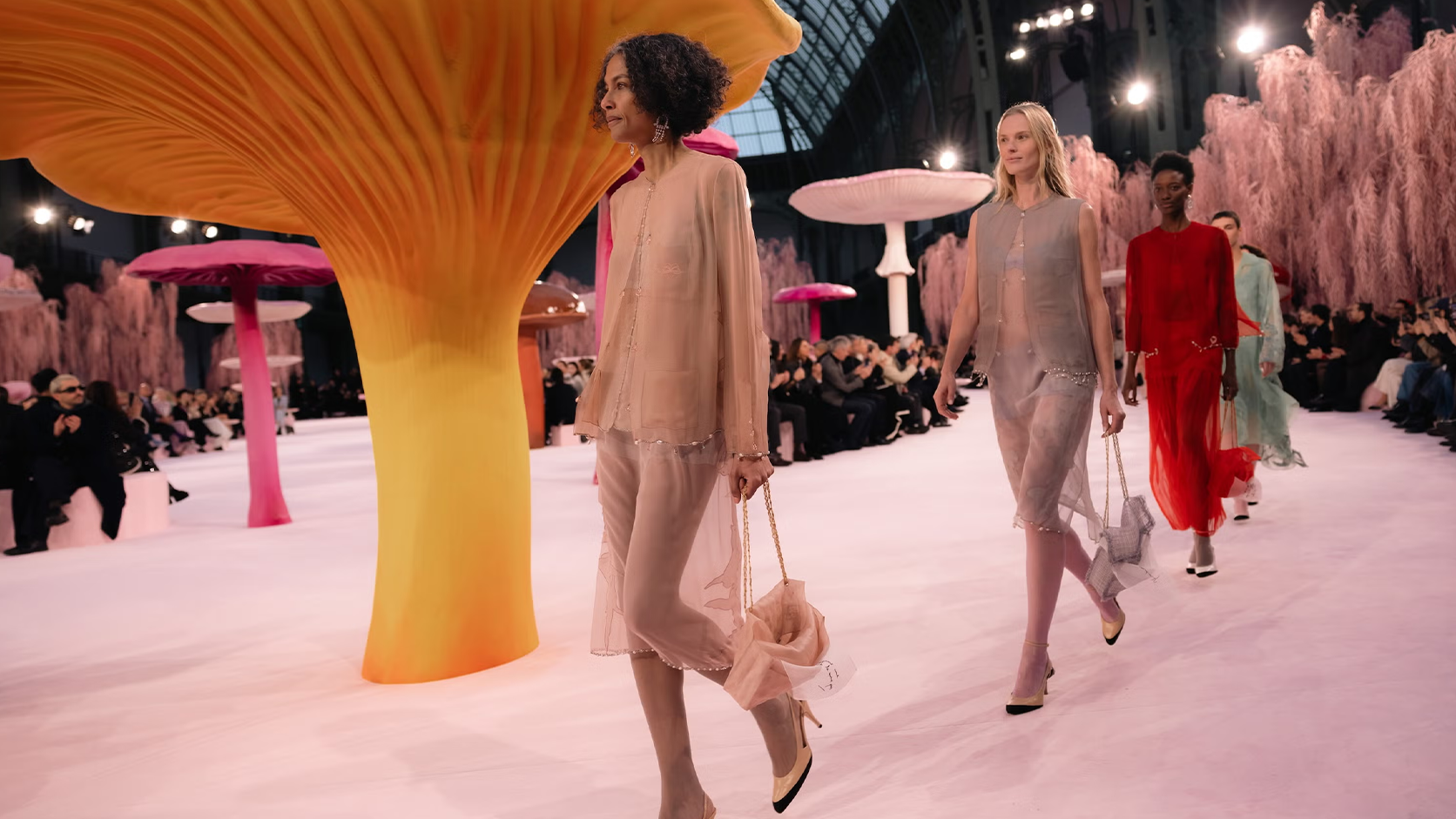
The new pieces from Matthieu Blazy, who staged his debut show at the Grand Palais in Paris in October 2025, began arriving in stores in earnest from March 2026.
The point at which first-half sales momentum jumped lines up exactly with the timing of the new deliveries. Strong store traffic built from the very first week, followed by lines and waitlists for the new bags. The interest built on the runway can be seen as having carried through to store traffic and actual purchases, boosting results.
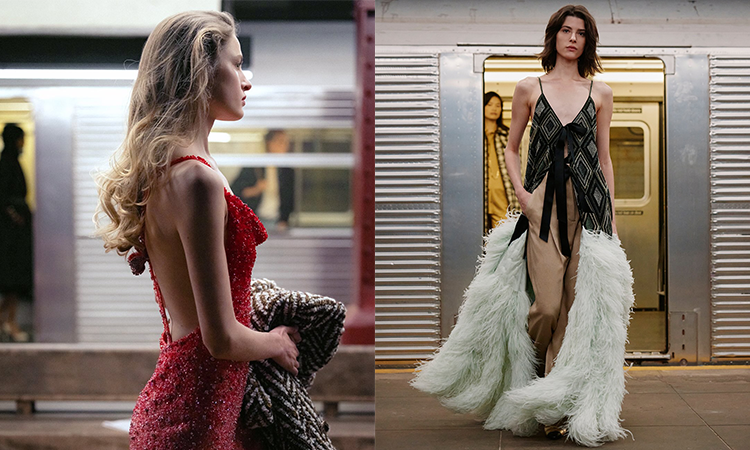
After Price Increases, "Products People Want" Matter More
In the last growth cycle, luxury houses' earnings gains were driven in large part by price increases, and Chanel was one of the brands at the center of that trend. However, excessive price increases over a short period became a source of growing consumer fatigue.
These first-half figures suggest that, at a point when growth through price increases alone is hard to sustain as an explanation, a new designer's debut collection may have reignited consumers' "desirability."
When a product becomes an immediate object of desire, the runway can work as a powerful commercial engine. It's notable that product demand emerged that's hard to explain by price increases alone.
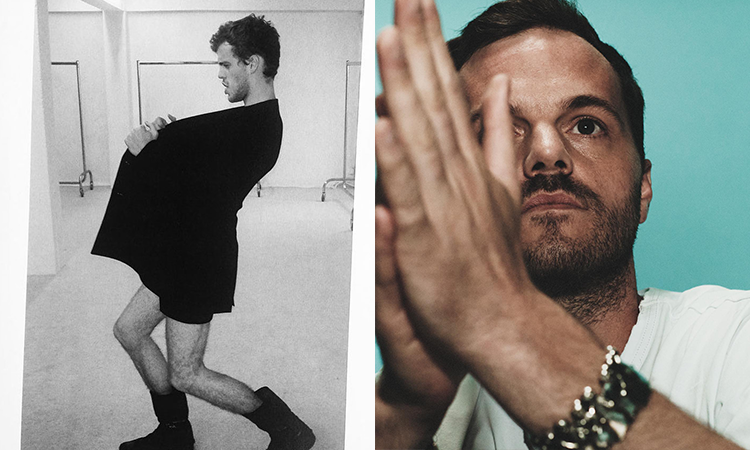
The Timeline Between a CD Change and Commercial Results
Matthieu Blazy's Chanel has added a notable case to the "timeline of how quickly commercial results become visible after a creative director (CD) change."
About five months after the debut show, products arrived in stores, and in the first-half results that followed, the group's comparable revenue rose about 16%. With the two timelines lining up, it has become a case for examining how Blazy's first collection is affecting the actual business.
After successfully reviving his former house, Bottega Veneta, Matthieu Blazy has once again left his mark on Chanel's growth curve.
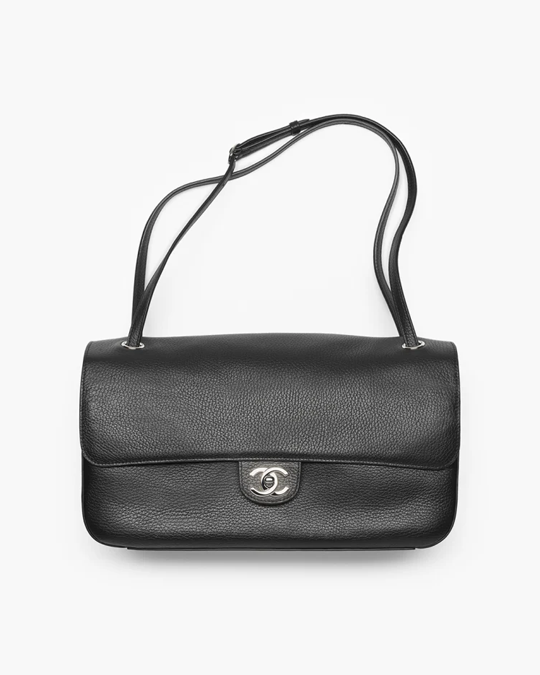
Reinterpreting Archive Bags as a Formula for Success
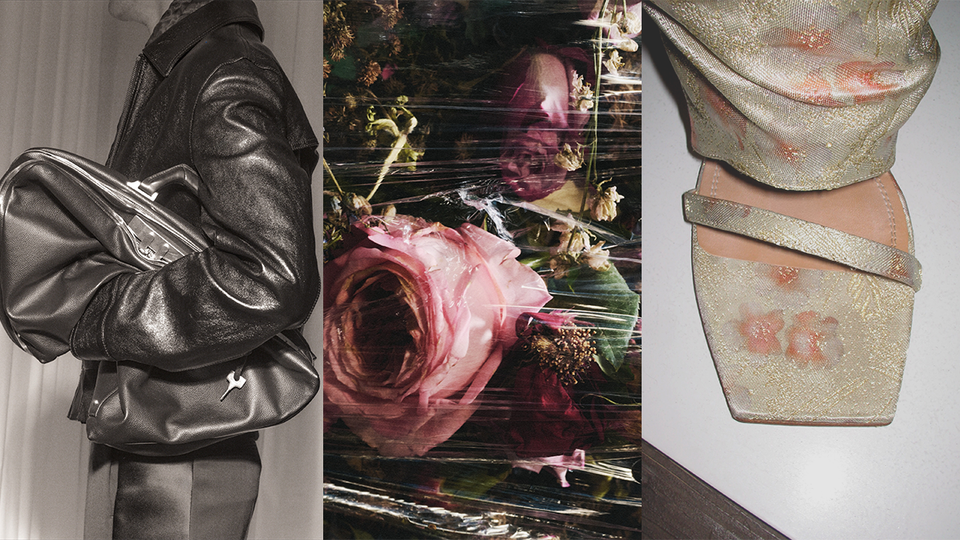
The first commercial bet Blazy chose was a reinterpretation of the brand's archive bags. His strategy of modernizing Chanel's historic leather goods, such as the Maxi Flap, and putting them front and center in stores shows that a new designer's approach of using a house's familiar codes to capture early interest can still be effective.
💡 Fashion Business Insights
- Buyers: Watch how luxury trends spread into contemporary: The French chic, tweed, chains, and two-tone elements Matthieu Blazy presented are likely to be reinterpreted in various ways by contemporary brands going forward. It's worth looking at next season's line sheets for brands that have translated these elements in their own way.
- Marketers: Look beyond fashion to other categories as well: According to international media reports, Chanel's watches and fine jewelry division grew about 35% in the first half. Since multiple categories, including jewelry and watches, contributed to growth alongside the buzz around the collection, it's necessary to avoid interpreting a luxury brand's performance through a single product category alone.
- MD and merchandise planning: Check how quickly buzz turns into actual sales: It's worth looking at how quickly the buzz created after a designer change carries through to store traffic and sell-through. When handling brands led by a new designer, it can be effective to check actual sales response in the early delivery period and adjust second-round volumes and product mix accordingly.