C.P. Company: Sportswear Built on an Archive
The design legacy behind C.P. Company's garment dyeing and Goggle Jacket.
To mark 30 years in Korea, C.P. Company held an archive exhibition at its Dosan flagship store in Seoul from October 21 to 23. The exhibition spotlights the time the brand has spent in Korea since opening its first Seoul flagship in 1996. Through it, we look at the history and design of a brand that began in Bologna, Italy, in 1971, and its connection with Korea.
Garment Dyeing and the Goggle Jacket
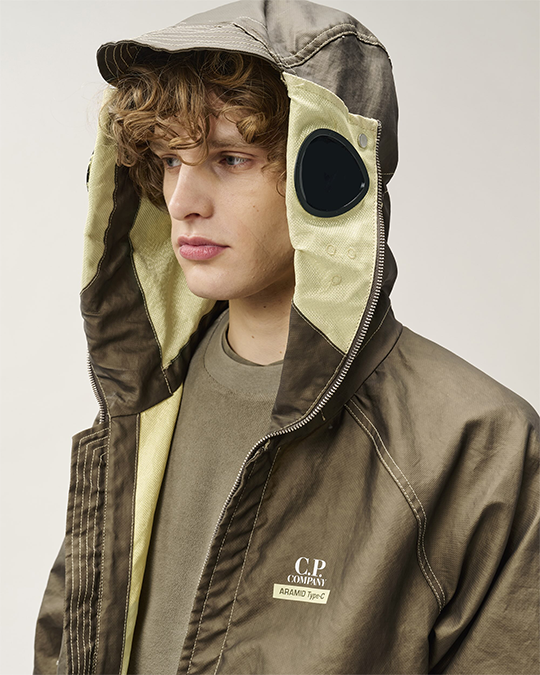
C.P. Company's design centers on functional sportswear inspired by military and workwear. Its signature technique is garment dyeing, developed in 1974. A method of dyeing finished garments as a whole to alter the texture and color of the material, it has become a key part of the brand's design identity.
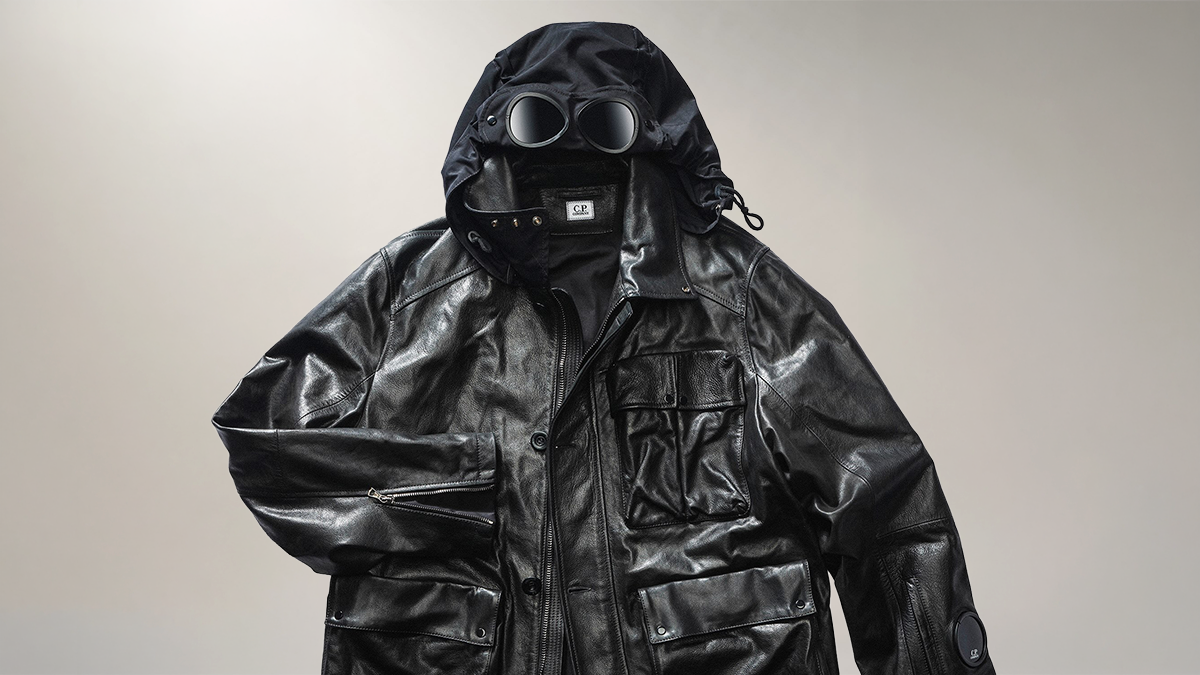
In 1988, the brand introduced the Mille Miglia jacket, inspired by a Swiss military jacket. With clear lenses built into the hood, it is widely known as the Goggle Jacket. The archive of more than 35,000 pieces collected by founder Massimo Osti also serves as an important resource for developing the brand's designs.
Korea's First Ambassador, RIIZE's Sohee
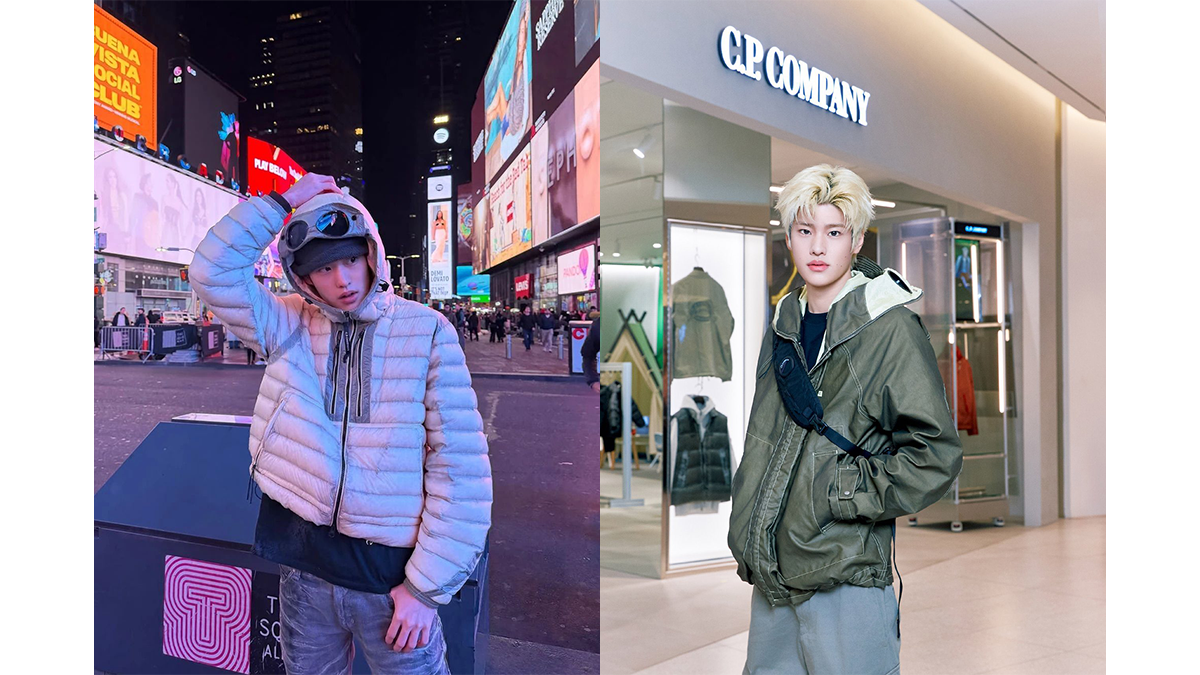
In February 2026, RIIZE's Sohee was named C.P. Company's first Korean ambassador. A longtime fan who saved up his allowance in high school to buy the brand's products, Sohee has worn a range of pieces at the airport and in everyday life, from the goggle beanie to the balaclava.
The pistachio D.D. Shell Goggle Down Jacket he wore during his US tour sold out after it was revealed. The Lambswool Mixed Explorer Sweater uses Taylon, a functional fabric developed by C.P. Company. Working with someone who has long experienced the brand shows both C.P. Company's design and the real culture of wearing it.
30 Years of Archive in Korea
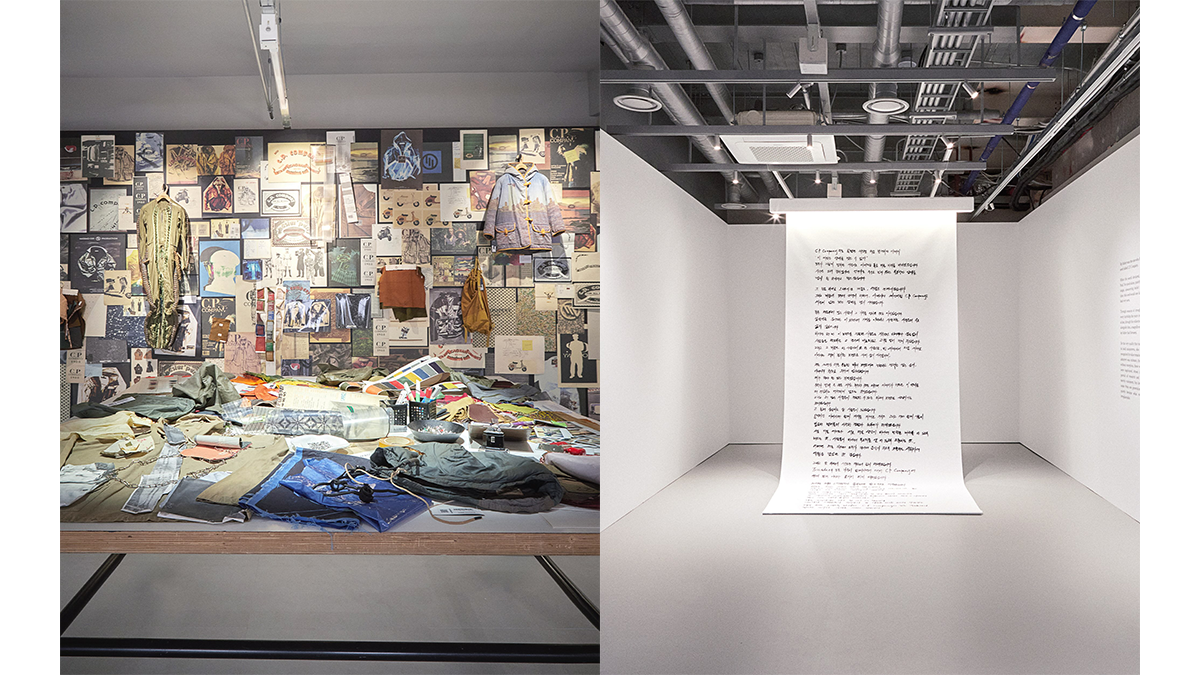
The exhibition, "996-026: Remembering Italian Sportswear in Korea," was organized to look back on the brand's history since entering Korea. The second basement level recreated Massimo Osti's studio and presented the archive from 1971 to 1995. The first basement level featured portraits of 30 creators working in Korean film, music, art, and fashion, along with the garments they chose and their stories.
The brand's design elements were reflected in the exhibition space as well. Goggle Jackets in gradually shifting colors were installed on the store's exterior to express the garment-dyeing technique, and a Korea-exclusive quilted jacket and T-shirt were also unveiled. The products feature a map of Korea, landmarks of major cities, and the national flower, the mugunghwa, adding meaning to the 30th anniversary of the brand's entry into Korea.

EDITORIAL SMALL TALK
C.P. Company has connected the archive it built around functional sportswear with the history of the Korean market. In particular, the participation of 30 local creators and the Korea-exclusive products are an example of combining a brand's design legacy with local culture.
Its approach of maintaining the brand's own heritage while using local people and culture as content is worth referencing for building long-term relationships with a market.