Reading the Copenhagen Brand Ecosystem
Copenhagen Fashion Week presents the fashion industry's new standard system — key brand lineups and buying ideas.
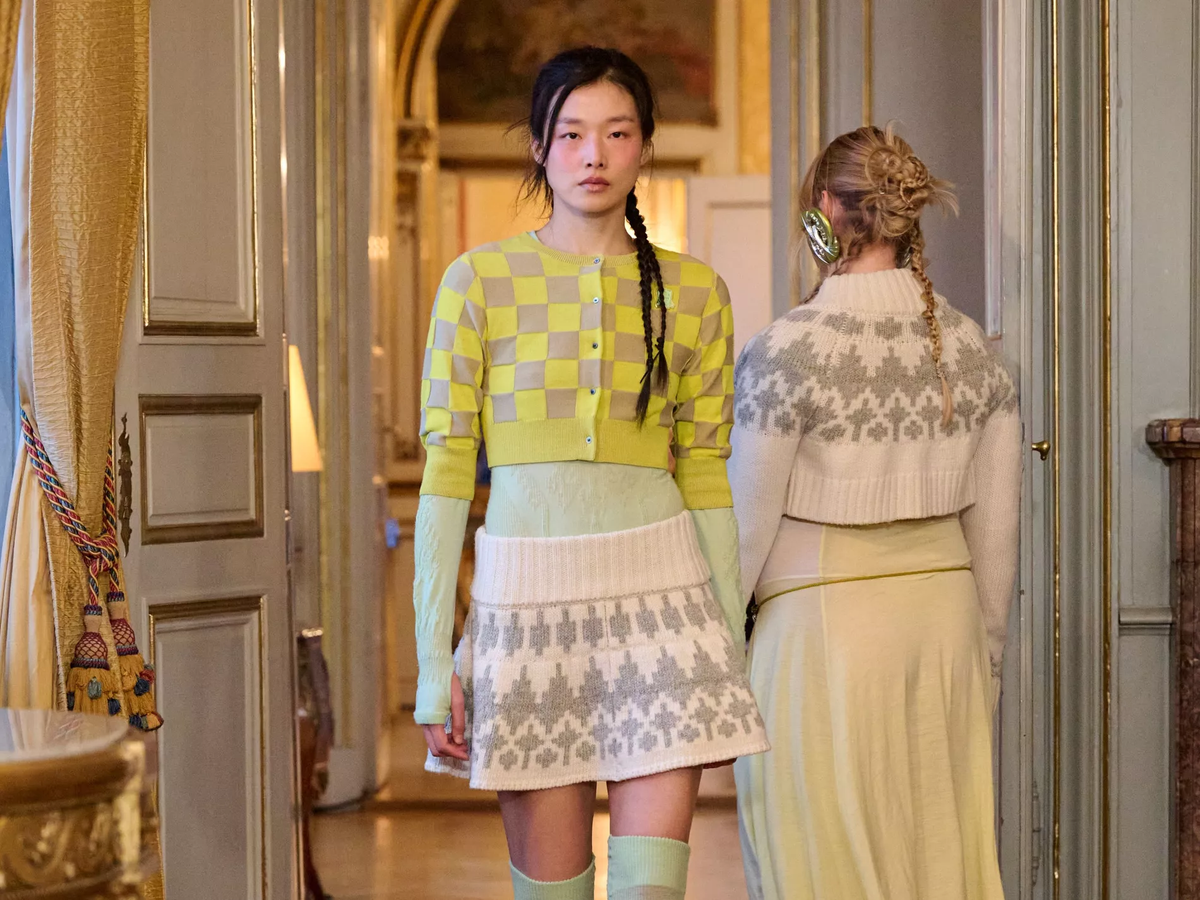
In 2026, Copenhagen Fashion Week (CPHFW) is no longer a regional showcase for 'Nordic minimalism.' Marking its 20th anniversary this year, Copenhagen isn't competing with anyone — it's quietly expanding its influence by presenting a new 'standard system' for the global fashion industry to reference.
The reason select shop buyers and retailers should be examining Copenhagen's movements right now is clear: this is where a brand ecosystem is being built that resonates precisely with the values consumers demand in 2026.

A Ticket of Entry, Not Marketing
Copenhagen Fashion Week's greatest achievement is elevating sustainability from a presentation 'theme' to a 'baseline condition' for participation.
Strict but Sensible Standards
To make the calendar, a brand must pass 19 rigorous minimum standards — carbon offsetting, zero single-use plastics, supply chain transparency. This framework has fundamentally reshaped how designers approach material and production themselves.
Exporting the System
The independent rulebook took hold successfully — so much so that the British Fashion Council (BFC) officially adopted Copenhagen's sustainability requirements, applying them to London Fashion Week from January 2026. A meaningful precedent: a global fashion week accepting another city's local rules as the standard.

The Copenhagen Ecosystem Layers
Copenhagen doesn't lean on a single star designer — it proposes a 'brand ecosystem' where every role is distinct. Here's a three-tier lineup buyers can reference when composing a shop's portfolio.
[The New Energy]
Community-Based Creativity: Paolina Russo
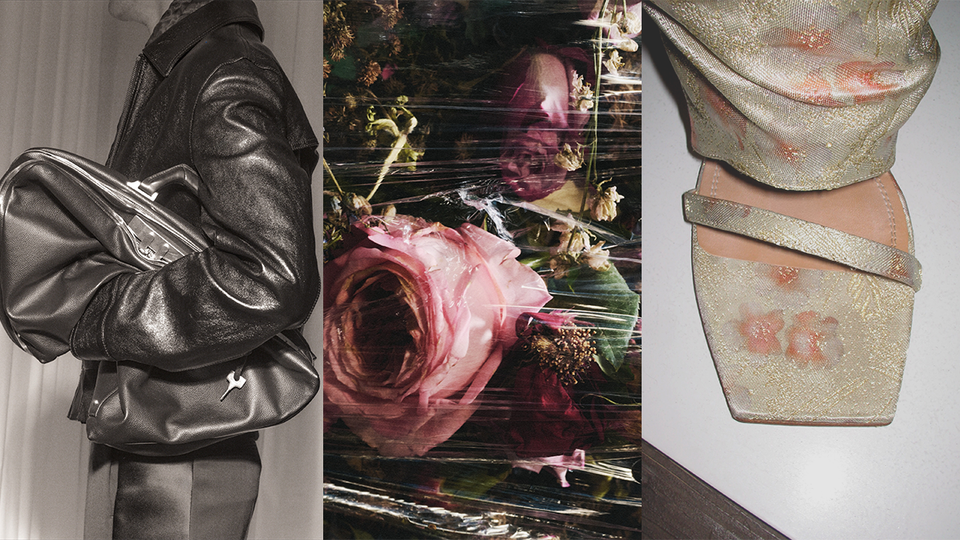
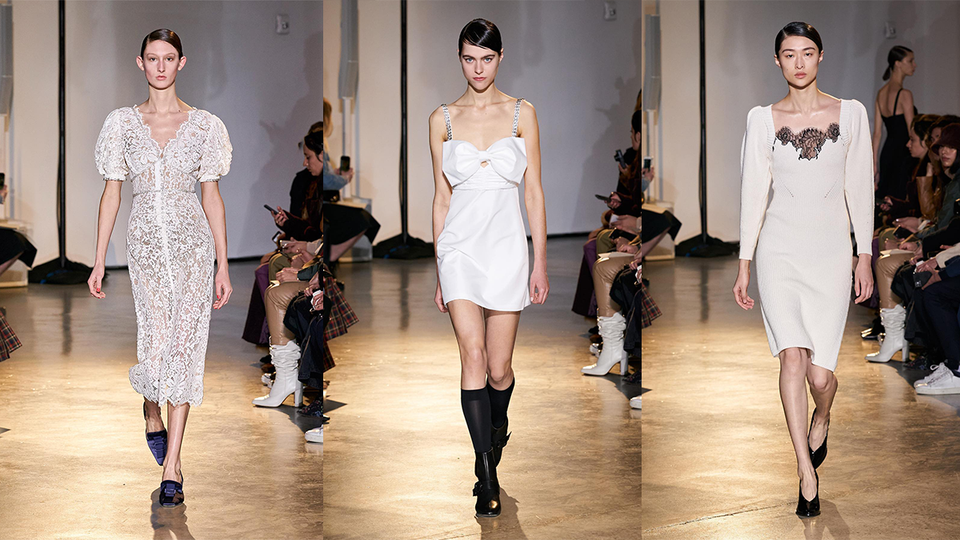
The designer group injecting the freshest energy into the Copenhagen scene. The duo brand Paolina Russo — its name made when Kylie Jenner and Timothée Chalamet wore it — staged its show after passing Copenhagen's 19 sustainability requirements for the first time in AW26. Held at the French Embassy, the show revealed the brand's core philosophy of 'intimate community' and 'solidarity' over commercial expansion. Alongside Nazzal Studio and O.Files, it carries Copenhagen's next energy.

[The Homecoming]
Holzweiler, Returned in Search of Values
For 2026, CPHFW created a new 'Homecoming' slot welcoming Nordic brands back from seasons spent abroad. Its first recipient, the Norwegian brand Holzweiler, returned to the Copenhagen calendar after two seasons in London. A brand of established global weight moving to find a system aligned with its own way of operating — proof of the practical appeal of Copenhagen's 'values-based platform.'

[The Steady Backbone]
The Store's Foundational Strength: NN07 & Samsøe Samsøe
Behind the avant-garde runway sits the commercial base responsible for a store's actual revenue. Brands like NN07 — holding steady global growth — and Samsøe Samsøe, the byword for Nordic essentials, serve as the stable portfolio and dependable foundational strength any global select shop should carry as standard.

The Brand That Explains Itself
The reason global editorial — Dazed, Vogue — covers Copenhagen-born brands so substantially is that this ecosystem best reflects the present consumer psyche.

Sustainability as an Editorial Asset
The fact-based claim — "this brand in our shop passed CPHFW's 19 strict rules" — hands the most certain, cleanest purchase justification to 'intentional consumers' fatigued by greenwashing.
The Community with a Reason That Makes Sales
The mix: creative pieces with vivid brand narratives like Paolina Russo, anchored solidly by essential brands like Samsøe Samsøe. This balanced portfolio Copenhagen has proven becomes an excellent reference for brand composition.