Dr. Martens, from Work Boot to Cultural Icon
How classic models and designer collaborations are expanding Dr. Martens’ identity.
Dr. Martens began with an air-cushioned sole developed in 1945 by German army doctor Klaus Maertens, and its history as a brand started in 1960 with the release of its first 1460 boot in the UK. Having grown from workwear into a symbol of a wide range of subcultures, Dr. Martens is now exploring its next direction through classic models, collaborations, and new brand experiences.
The 1460, Born from a German Army Doctor’s Invention
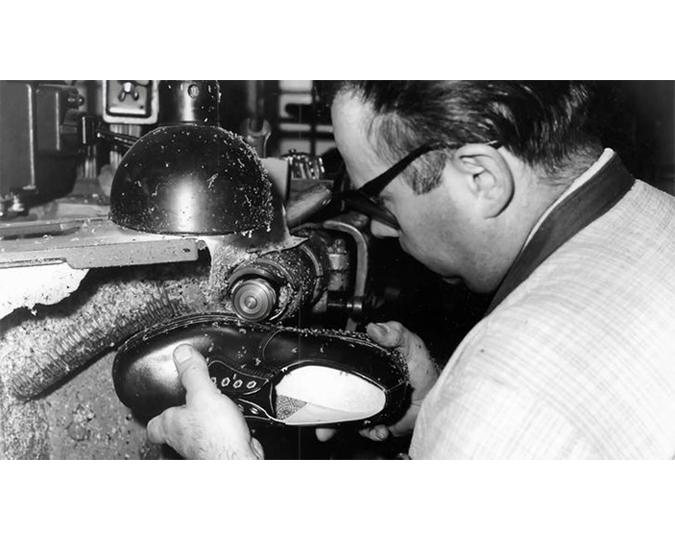
Dr. Martens began in Germany in 1945. Army doctor Klaus Maertens developed an air-cushioned sole to ease the strain on the feet, and started producing shoes with engineer Herbert Funck.
When British shoemaker R. Griggs Group later secured the UK production rights, today’s Dr. Martens design took shape. Adding yellow welt stitching, a grooved sole, and a heel loop, it released its first eight-eyelet boot, the 1460, on April 1, 1960. The product name itself comes from the release date.
A Brand Icon Shaped by Subculture
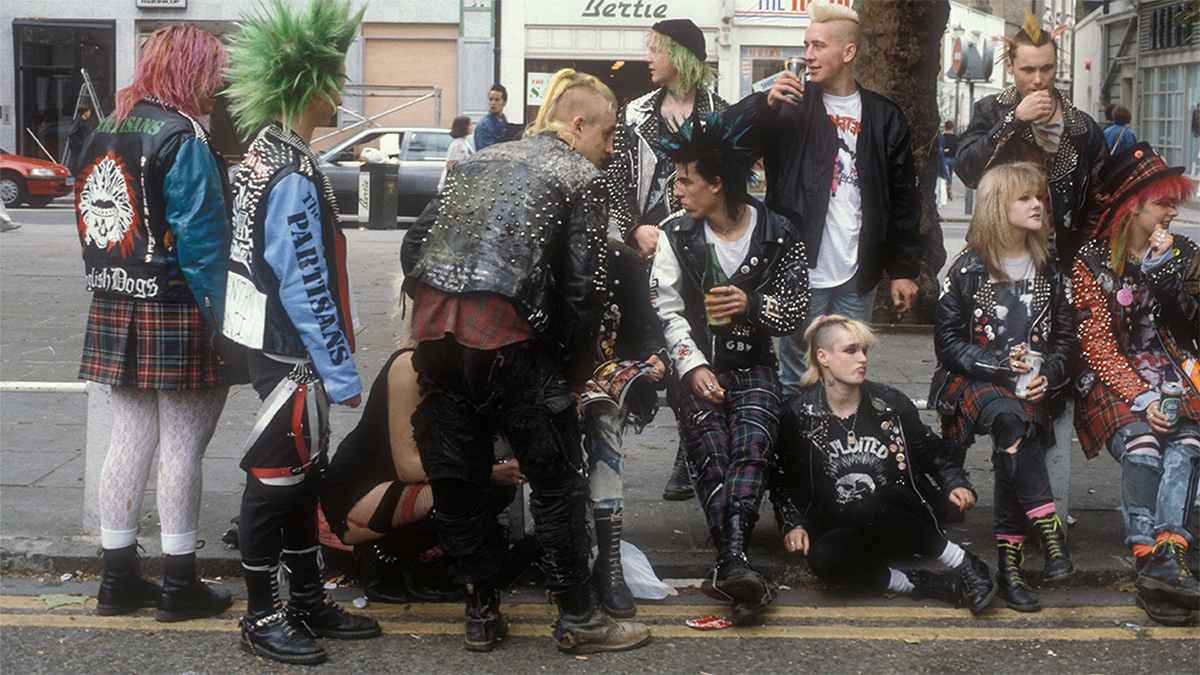
In its early days, Dr. Martens was a practical work boot for British workers. As musicians such as The Who’s Pete Townshend began wearing them, the boots grew into a symbol of working-class identity and rebellion.
In the 1970s, connected with subcultures including ska, punk, and goth, they became a symbol of self-expression. What sets Dr. Martens apart is that consumers themselves have shaped the brand’s meaning through music and fashion.
From the 1460 to the Adrian, an Icon Expanded
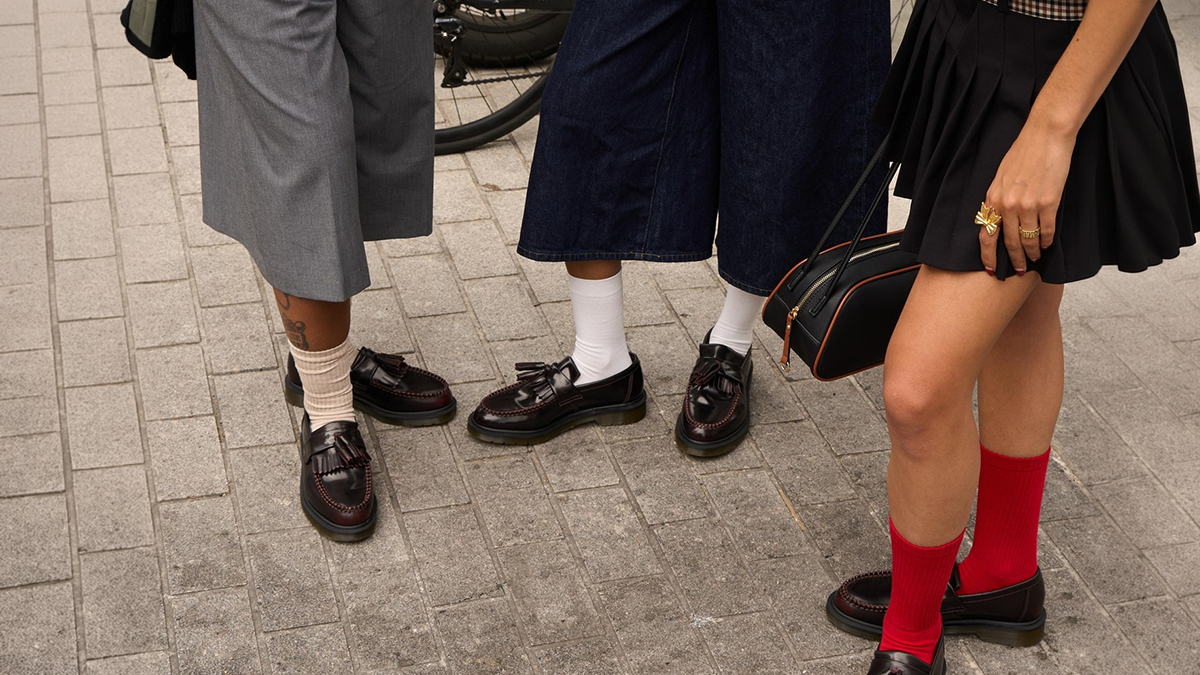
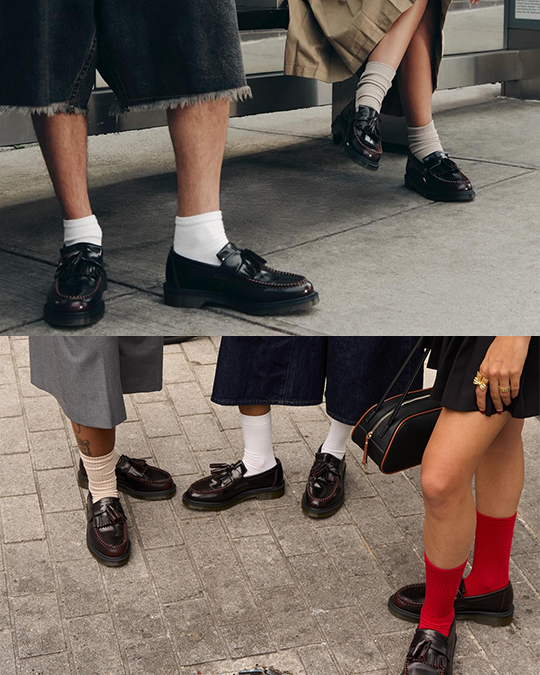
Dr. Martens’ signature models are the 1460 boot, the 1461 shoe, the 2976 Chelsea boot, and the Adrian loafer. The yellow welt stitching, air-cushioned sole, and heel loop remain signatures that run through the entire brand, beyond any single model.
Recently, the loafer and shoe categories have been growing alongside boots. In the first half of fiscal 2026, Adrian loafer sales grew 24% year over year, and shoe category sales rose 33%. The 1461 shoe in particular has drawn a strong response in the Korean market.

Reinterpreting the Classics Through Collaboration
Dr. Martens is expanding its product range by reinterpreting its existing icons through the eyes of a variety of designers and brands.
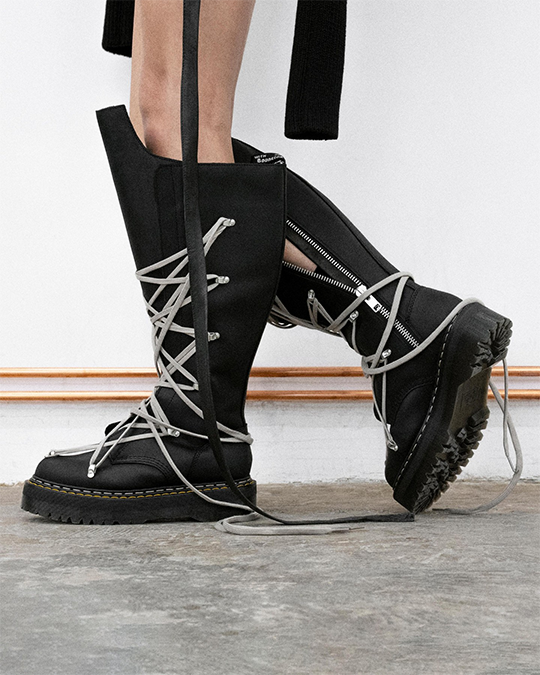
Its collaboration with Rick Owens has continued since 2021, and in the FW26 season, the two unveiled their fifth collaboration, the “Quad Sole” collection. Pull-on boots, steel-toe boots, and backless mules apply exaggerated proportions and new constructions to familiar Dr. Martens silhouettes.
In July, it released its first collaborative 1461 with Margaret Howell’s MHL. Using British leather and restrained details, it reinterpreted the classic model in a minimal direction.
Through a range of other collaborations, including the 4-Eye shoe with Supreme and hybrid footwear with MM6 Maison Margiela, it continues to extend the 1460 and 1461 into new design languages.
EDITORIAL SMALL TALK
Dr. Martens has built its brand identity less through the form of its products than through the culture and attitude of the people who wear them. The 1460, which began as a work boot and became a symbol of punk and ska, is now taking on new meaning through a range of collaborations and new brand platforms. The next chapter of a classic that has endured for more than 60 years depends on the connections it builds with a new generation.