Why Did HOKA Choose E-Land?
The background behind fashion companies' focus on the running category, and key insights.
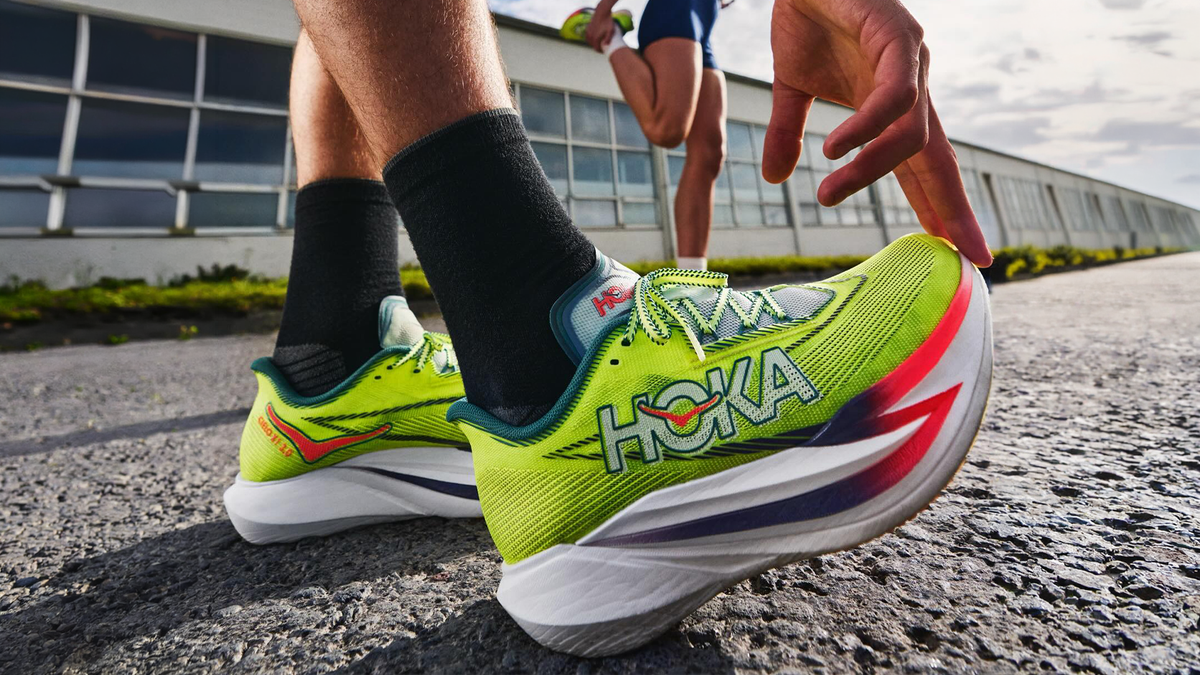
E-Land recently drew attention in the fashion retail market by securing the Korean distribution rights for global running shoe brand HOKA.
Securing exclusive distribution rights for a brand that has grown rapidly in the global market goes beyond simple brand import news. It intuitively shows how fashion companies today are getting ahead in categories and creating growth.

A Market Where Running Shoes Have Become "Fashion and Lifestyle Assets"
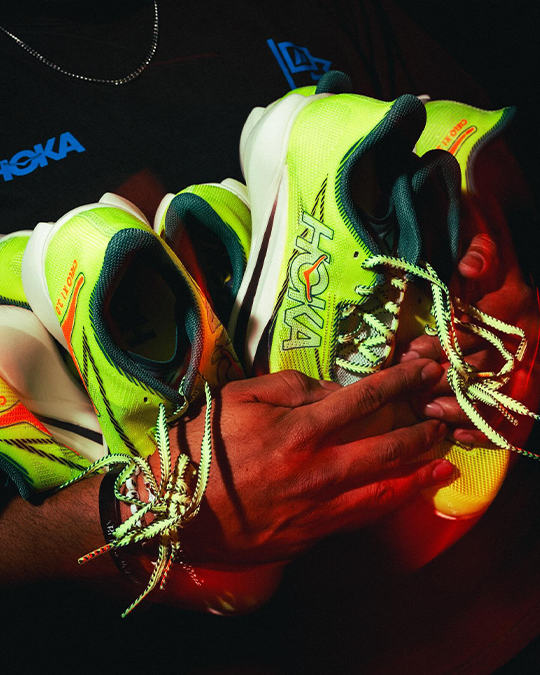
With its thick cushioning and distinctive silhouette, HOKA has established itself as a leading lifestyle brand worn not only by serious runners but also as everyday shoes. As running has spread beyond a sport of records into a lifestyle culture, running shoes have gone beyond functional sporting goods to become a powerful fashion asset.
The recent trend of various designer and athleisure brands expanding into the running category follows the same line. Securing distribution rights for a proven global running shoe brand is one way to enter a fast-growing lifestyle category relatively quickly.
Securing "Proven External Assets" Instead of "In-House Development"
Planning and growing an in-house brand from scratch takes enormous time, cost, and risk. By contrast, securing distribution rights for a brand that has already proven its fandom and quality in the global market, or acquiring its IP, has the advantage of reducing the time and risk needed to enter a category.
Expanding a business based on proven assets, through brand distribution rights, designer collaborations, IP acquisitions, and more, is becoming one of the main options large fashion companies use when entering a new category.

A Track Record of "Growing" a Brand, Not Just "Owning" One
The factors a global headquarters considers when selecting a distribution partner for a specific region include not only financial strength but also local distribution networks and the capability to operate and grow a brand.
E-Land has the experience and infrastructure from growing New Balance into a major brand in the Korean market. Its track record of turning New Balance, once relatively small in Korea, into a major brand can be seen as one of the key reasons E-Land was recognized as HOKA's new Korean partner.
💡 3 Points from a Business Perspective
- Getting ahead in categories: Watch portfolios built around distributorships and distribution rights
Which company secures distribution rights for which brand is an indicator of which categories that player will focus its investment on going forward. It's worth closely watching distributorship strategies aimed at getting ahead in categories that have expanded into lifestyle. - Market approach: Interpret running as "culture/lifestyle," not "function"
When sourcing running shoes and athleisure items, rather than focusing only on functional specs, assessing whether they have the design sensibility to pair naturally with everyday outfits can be an important point for judging product competitiveness. - Partnership criteria: The importance of brand-building capability
When collaborating with global brands or signing wholesale or sourcing contracts, you should look beyond whether a partner has a distribution network to import and sell a brand, and review whether it combines the infrastructure and planning capability to grow the brand in that market over the long term.
💡 EDITORIAL SMALL TALK
Running shoes are emerging as a sought-after asset in the M&A and licensing market. This case shows how the business value of a category is re-evaluated when simple sporting goods transition into culture and everyday fashion. Securing distribution rights is a useful card for getting ahead in a market quickly, but long-term risks tied to contract structures also coexist. Accordingly, diversified strategies, such as directly securing brand ownership or building an independent identity beyond distribution contracts, are likely to become key challenges for large fashion companies going forward.