How Hermès Chose Brooklyn
An analysis of Hermès's Williamsburg flagship in Brooklyn.
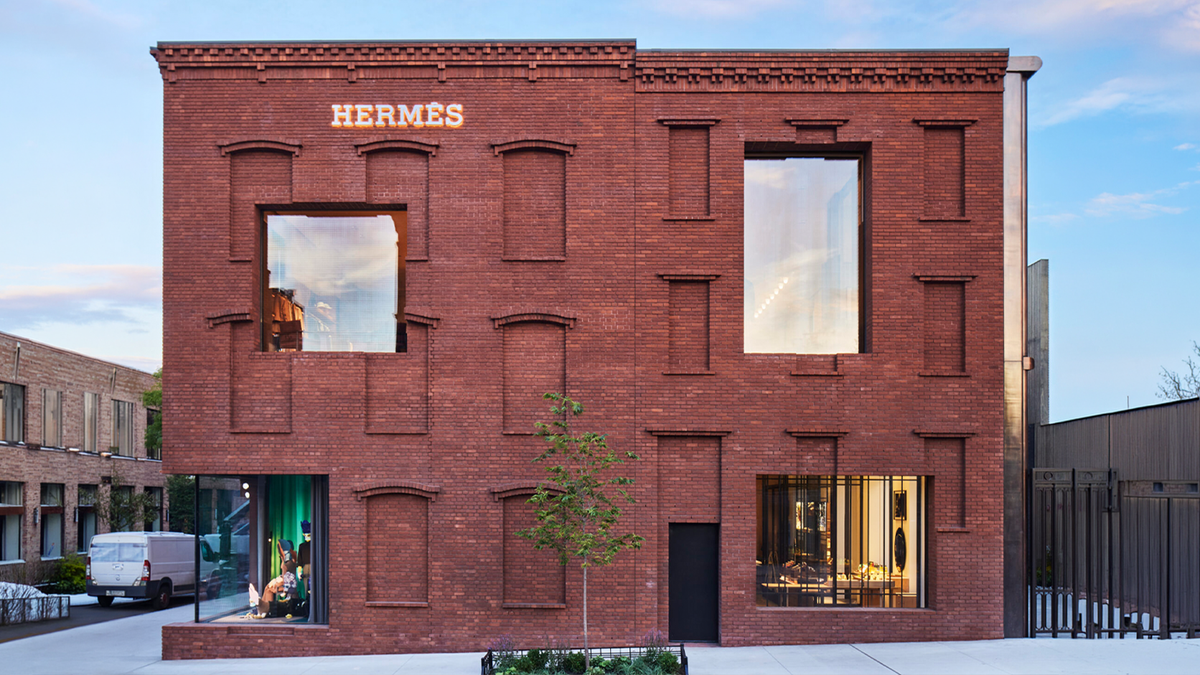
On Saturday, September 19, 2026, Hermès officially opened a 27,000-square-foot permanent flagship store at 130 Berry Street in Williamsburg, Brooklyn, New York. It is the house's 44th store in the US and its first New York store outside Manhattan.
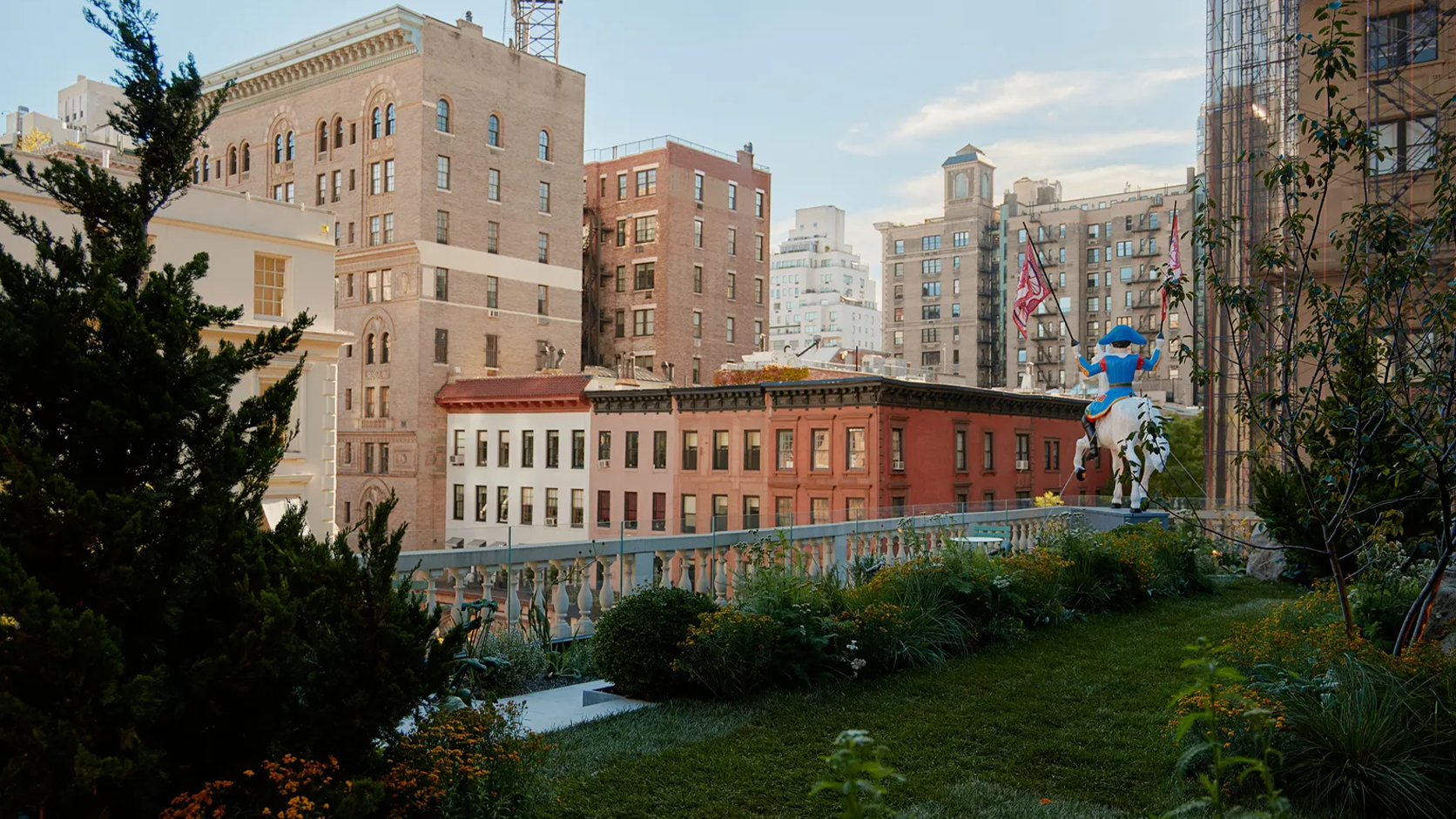
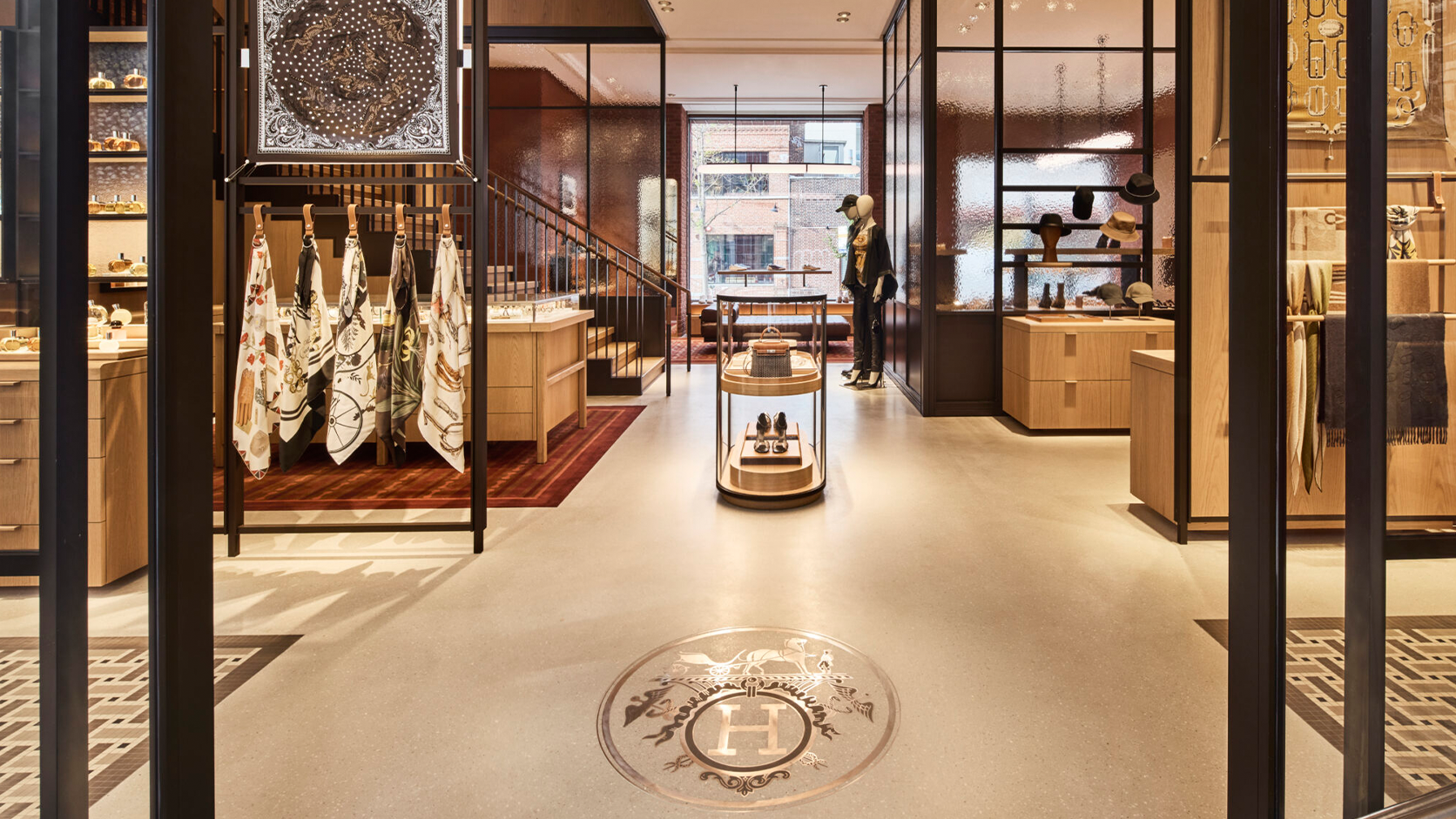
With the overall building design handled by its in-house agency RDAI, the store carefully transplants Williamsburg's industrial heritage through five façades inspired by 19th-century Brooklyn brick factories, a sweetgum tree in the courtyard, and raw brick and gray terrazzo floors. Alongside all 16 métiers, the "Artist Window Program," which fills the windows with work by local Brooklyn artists, launched for the first time at a New York store.
Going beyond a simple new store opening, we look at the strategic business context of how a top-tier luxury house executes distribution expansion, generational change, and capital allocation.
Hermès's Signature "Conservative Expansionism"
This opening wasn't an aggressive move of claiming a location and immediately opening a large store. Hermès had already signed two leases in Williamsburg at the same time in July 2022.
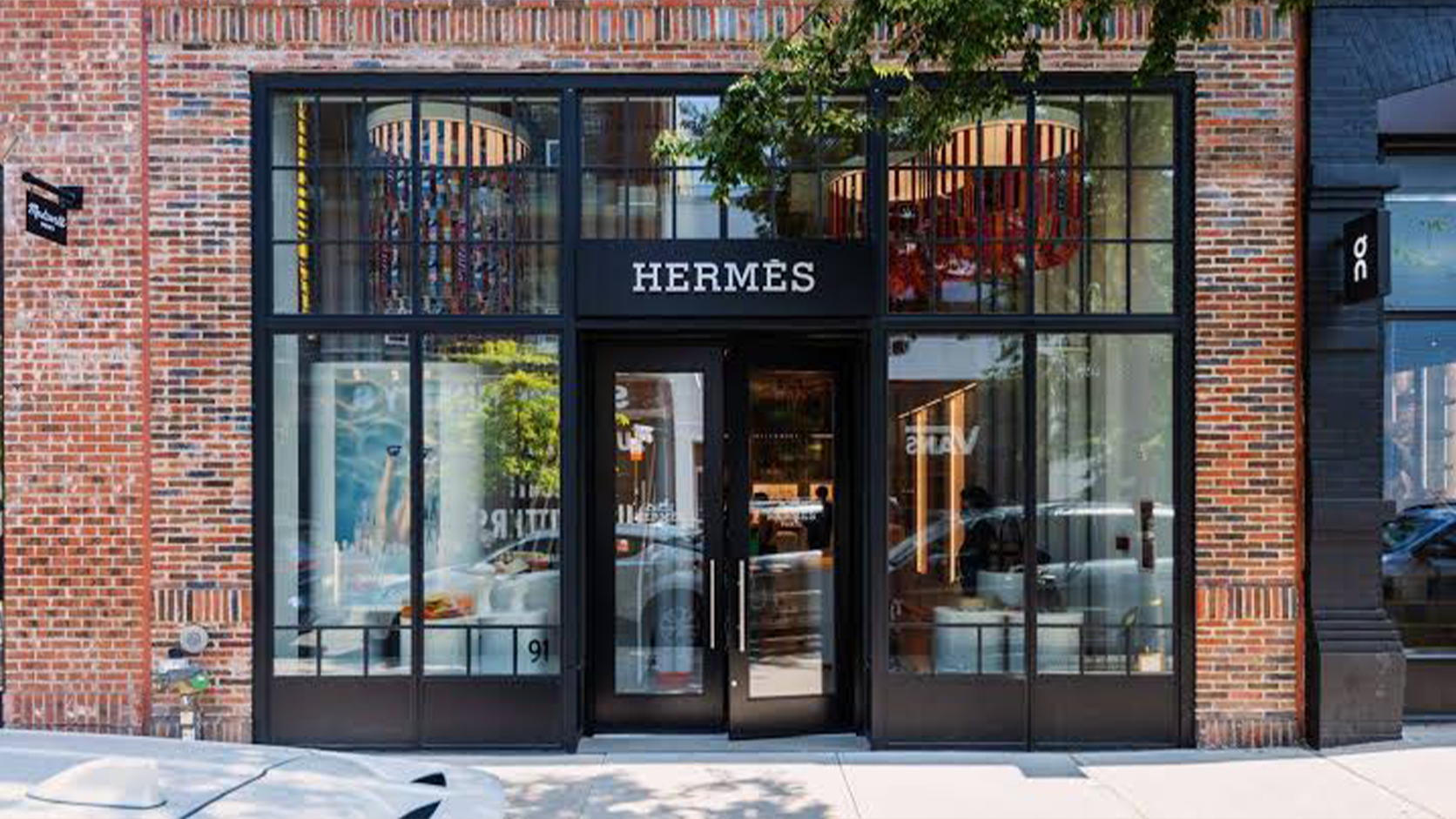
- Stage 1 (Testing): It opened a 5,400-square-foot pop-up store nearby at 91 North 6th Street in early 2023, validating local customers' purchasing power and demand data for more than two years.
- Stage 2 (Expansion): After closing the pop-up, it completed a 27,000-square-foot, two-story permanent flagship on the originally planned corner site at 130 Berry Street.
It's a case of Hermès's signature cautious retail philosophy at work: not deploying large-scale capital until it's confident. The new luxury target audience centered on millennials and Gen Z, along with real sales data confirmed through the pop-up over three years, ultimately justified the major investment of a flagship store.
How Hermès Becomes the "Final Punctuation" of a Shopping District
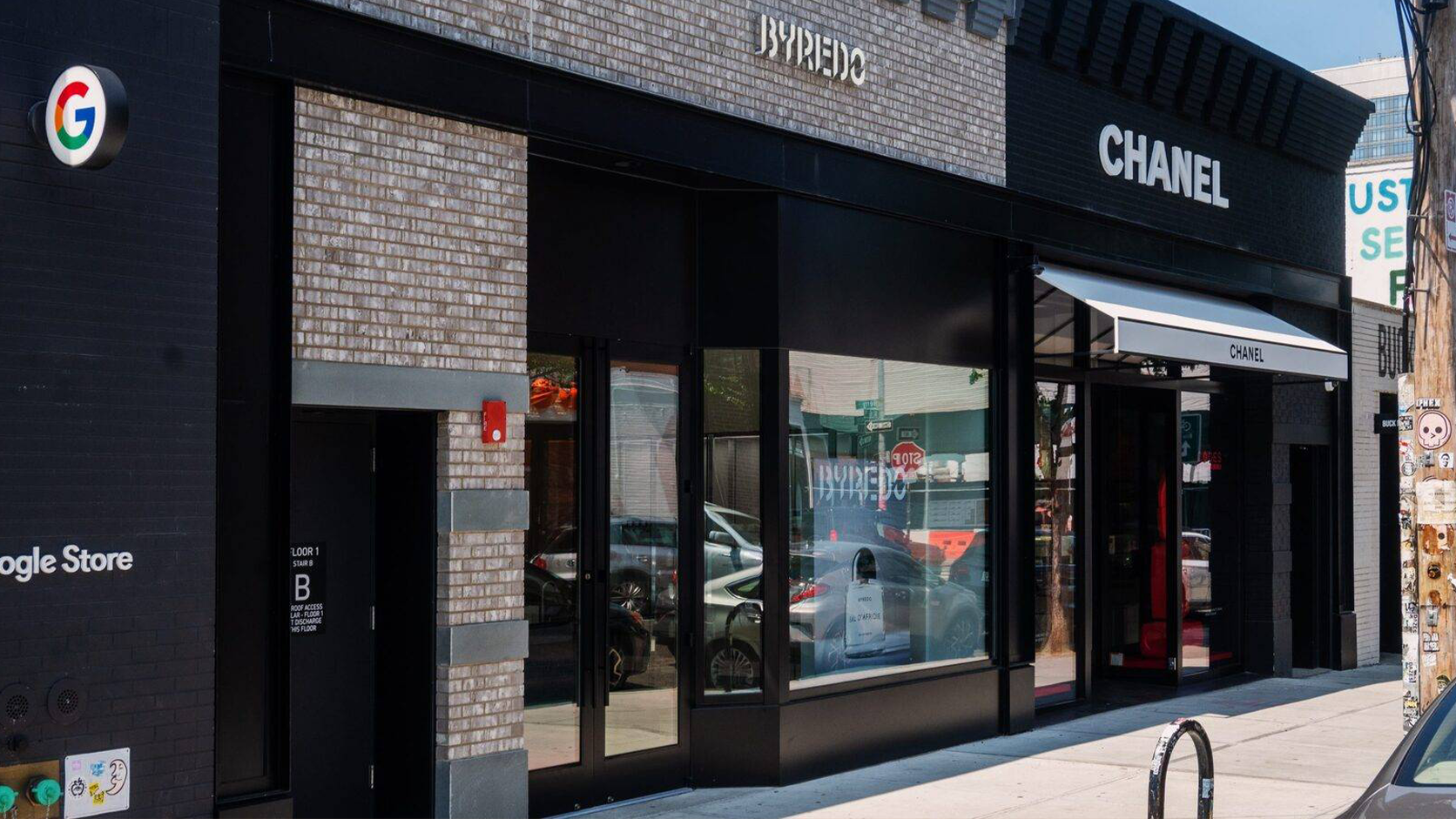
Hermès is a brand that doesn't take the risk of entering a shopping district in its early stages of formation. Williamsburg's North 6th Street block was transformed over several years into a high-end corridor as real estate developer L3 Capital concentrated its purchases of commercial property there.
After designer brands, Chanel, Madewell, Everlane, Google, and others settled in one after another, and once the district was confirmed to be sufficiently mature, Hermès moved in, putting the final punctuation mark on the area's retail transformation.
With Chanel and Hermès opening side by side on a single block, Williamsburg's North 6th Street, once a quintessential hipster neighborhood, has been reshaped upward into a luxury district comparable to Manhattan's Fifth Avenue or Madison Avenue.
"Contextual Design" and the Paradox of a New Building
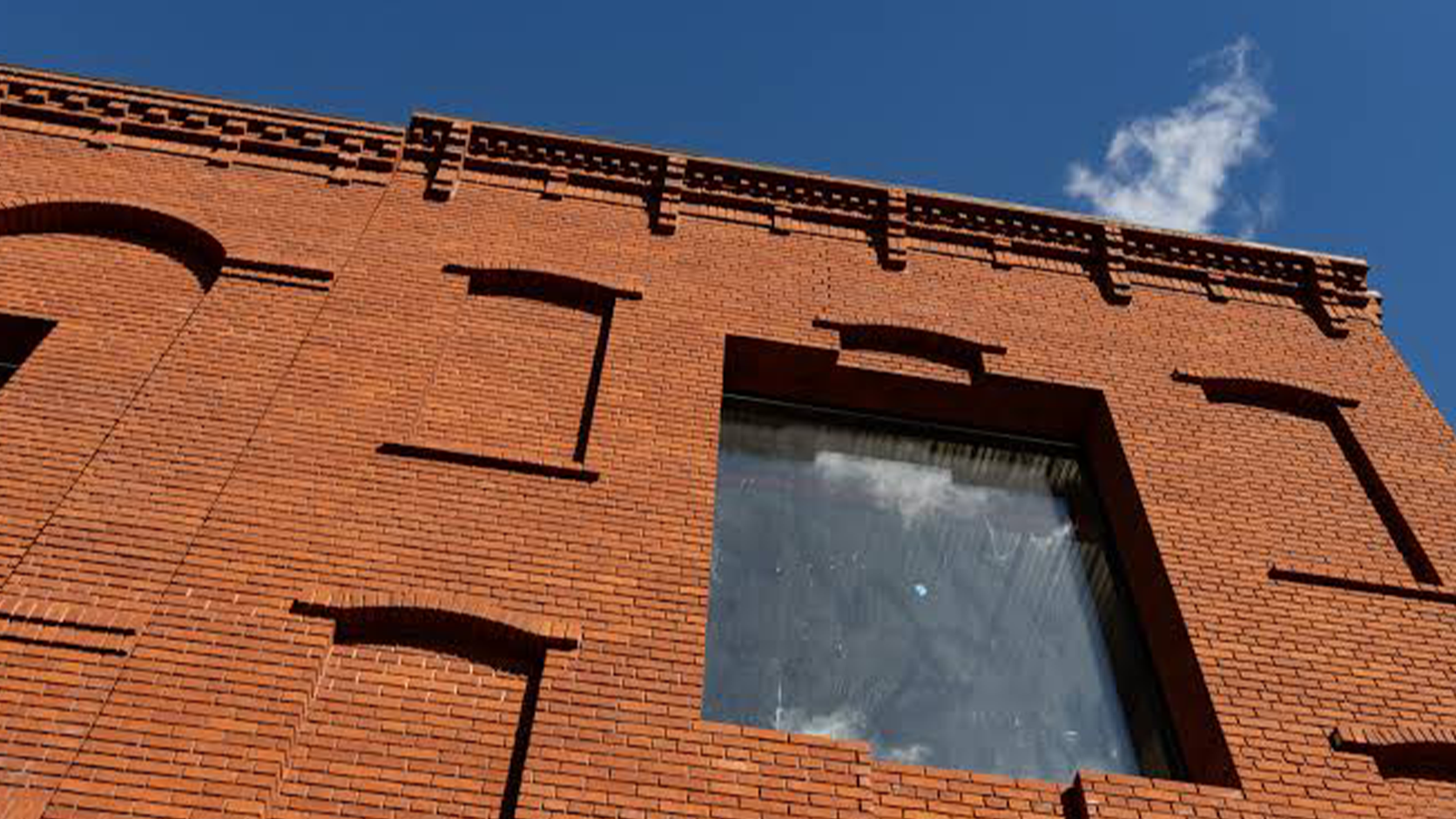
Designed by Building Studio Architects, this flagship is an entirely "new" building made to look like an old 19th-century Brooklyn brick factory.
RDAI described it as an homage that brings out the area's historical context, but in the local community and on Instagram, a mixed debate followed over "a new building imitating a 19th-century industrial structure" and the way big luxury capital consumes a neighborhood's identity.
The controversy itself reveals Williamsburg's current paradox. On the symbolic terrain of a neighborhood where old industrial heritage and artists' residences are continually transformed and replaced, high-end luxury has arrived in a place that looks historic but is, in fact, the most perfectly new.
How It Responds to Generational Change
Hermès's choice of district is precisely aligned with the generational change among luxury consumers and shifts in where they live. If Manhattan's Madison Avenue, where traditional wealth and classic VIPs gather, supports the house's heritage and trust, Brooklyn's Williamsburg is a future growth engine for embracing affluent remote workers, millennials, and Gen Z "new rich."
As remote work has taken hold since the pandemic, consumers' daily movement has shifted from office and tourist districts toward residential areas. Rather than relying solely on drawing customers to established luxury districts, Hermès is directly entering local hubs where emerging wealthy consumers live, increasing brand accessibility and proactively securing new customer groups.
Capital Allocation in the Americas
With Hermès's revenue in the Americas growing 15% year over year in the first half of 2026 (H1), this opening clearly shows where the house's capital allocation in the Americas is heading.
- Assetizing traditional luxury (Core Asset): Securing control of core assets through the acquisition of Beverly Hills Rodeo Drive real estate ($400M) and maintaining its Madison Avenue flagship in Manhattan
- Penetrating new targets (New Horizon): Lowering the barrier to entry in emerging residential districts by opening the Williamsburg flagship in Brooklyn
Hermès is deploying ambidextrous capital: assetizing value through large-scale real estate acquisitions in existing core districts on the West and East Coasts, while deploying locally rooted flagships along new consumer pathways.
💡 Practical Reading for Buyers
The Geographic Dispersion of Luxury Targets and "Retail That Goes to the Customer"
Luxury customers no longer stay only in traditional luxury districts. The fact that luxury houses are directly entering dense residential districts where millennial and new-rich consumers gather points to the need for multi-brand store and retail buyers to account for the spatial shift of their core targets and redesign their offline touchpoints.
A Step-by-Step District Validation Model Through Pop-Ups
When entering a new district, you can reference a sophisticated, phased retail experiment of "a small pop-up over two to three years → validating purchase data → converting to a permanent flagship" to lower the risk of a large upfront investment.
Strategically Transplanting Locality
It's worth paying attention to architectural and marketing details, like the "Brooklyn Local Artist Window Program" and the interior courtyard not found in its Manhattan stores, that are designed so that traditional luxury is accepted as "part of the local context" rather than "an outsider's intrusion" when entering a community.