Hieta's Two Years, Built on Color and Taste
Hieta's growth, driven by color positioning and overseas expansion.
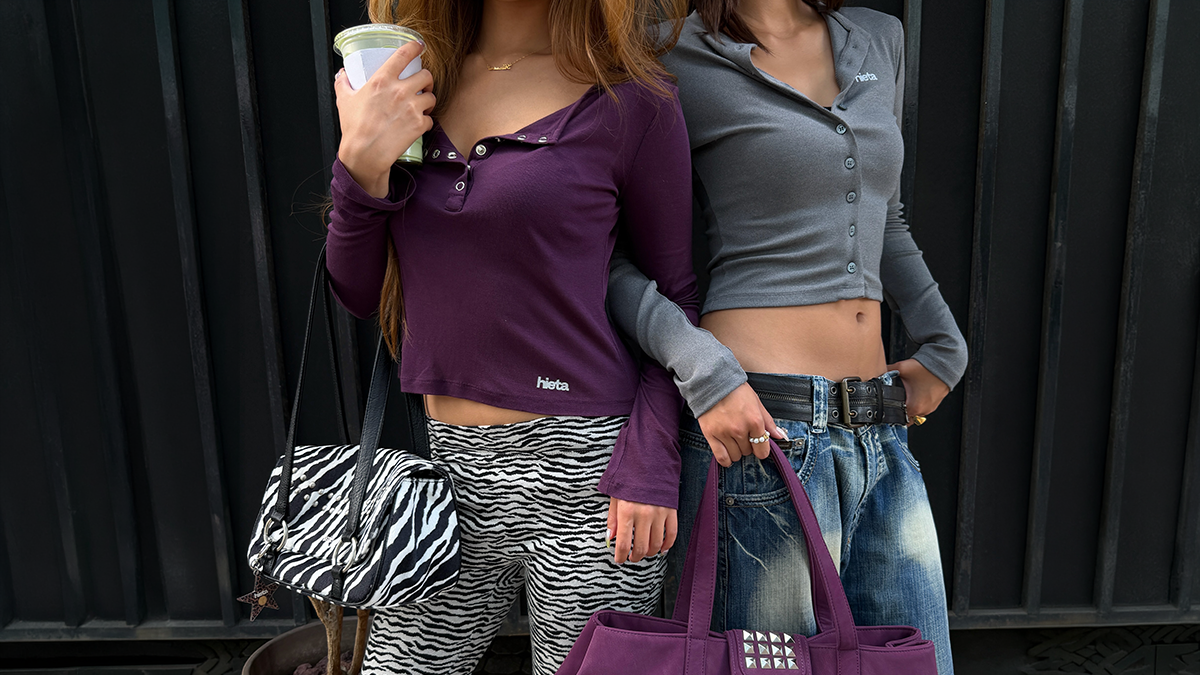
April 2024. Just three days after the brand's launch, its first production run sold out. A month later, in May, it went into its third reorder.
A year later, after incorporating, hieta sold through 90% of the inventory it prepared for a pop-up store in Japan and ran a pop-up in the heart of Paris's Marais district. As of October 2025, it ranked No. 3 overall in Musinsa's women's bag category. These are the results that contemporary bag brand hieta achieved just two years after coming into the world.
A Record of Taste That Began with Vintage Shop Visits
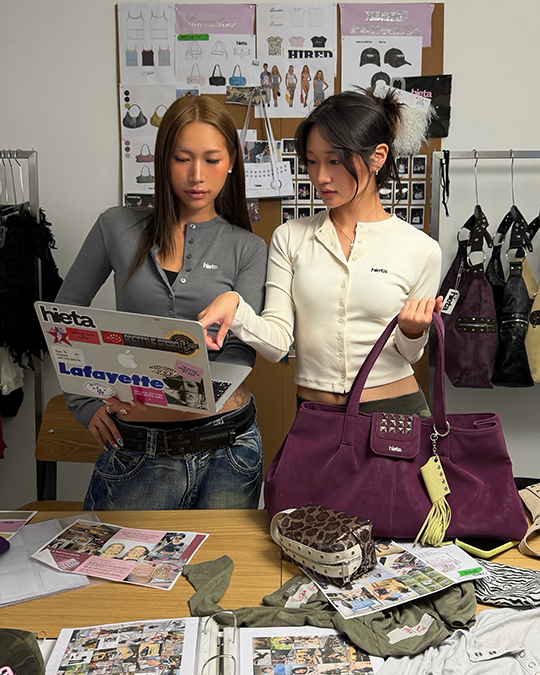
Directors Joo Heeyeon and Kim Dahyun, who lead hieta, were classmates at Hongik University. The brand idea first took shape during their time abroad in 2022. As they explored vintage shops in various cities and observed local styles, their tastes became increasingly defined. In the process of recording and sharing each other's tastes, a shared direction emerged: to create a brand that is sensorial yet blends into everyday life.
The decisive turning point that laid the brand's foundation was the first cohort of the "Musinsa Next Fashion Scholarship (MNFS)." Director Joo Heeyeon was selected as a scholar, and this experience led to the brand's official launch in April 2024.

A Lineup That Doesn't Put Black Front and Center
Hieta's points of difference lie in color, material, and a persona-based design story set each season.
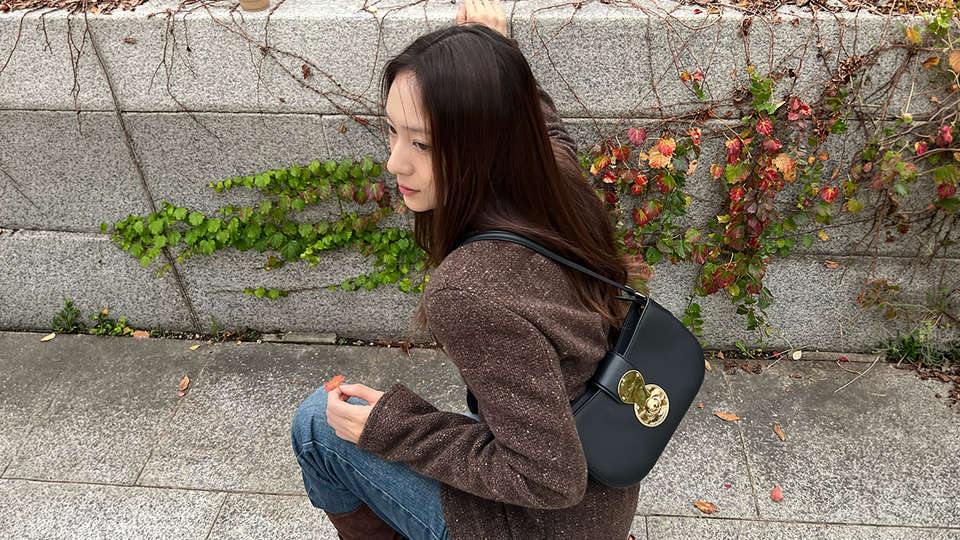
At the core of these is color. For most bag brands, black is the safest choice and the main option driving sales. Hieta twisted this formula, putting eye-catching accent colors in unique tones forward as its main items. It's a structure in which distinctive colors themselves, such as powder pink, butter, cherry red, champagne gold, milky brown, espresso, and wine, become the reason consumers buy.
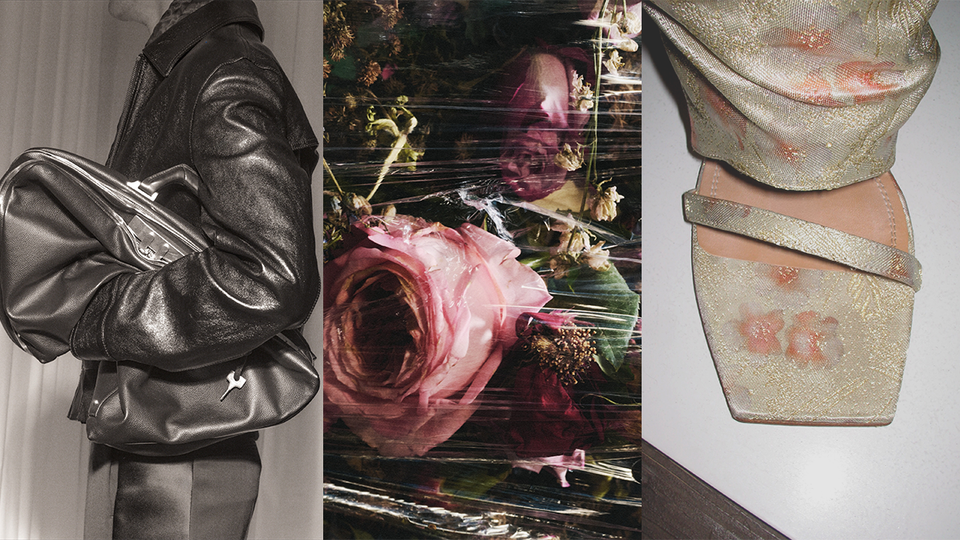
On top of that, it presents the story of a character in the lookbook each season.
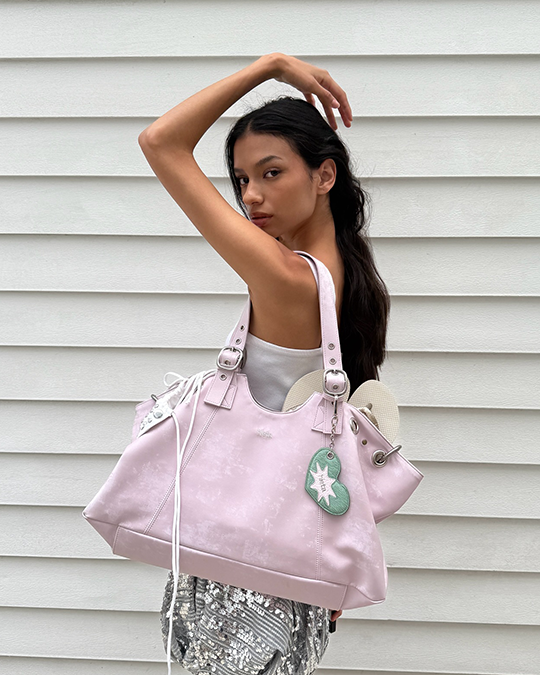
- SS25: The lifestyle of a designer named Masha
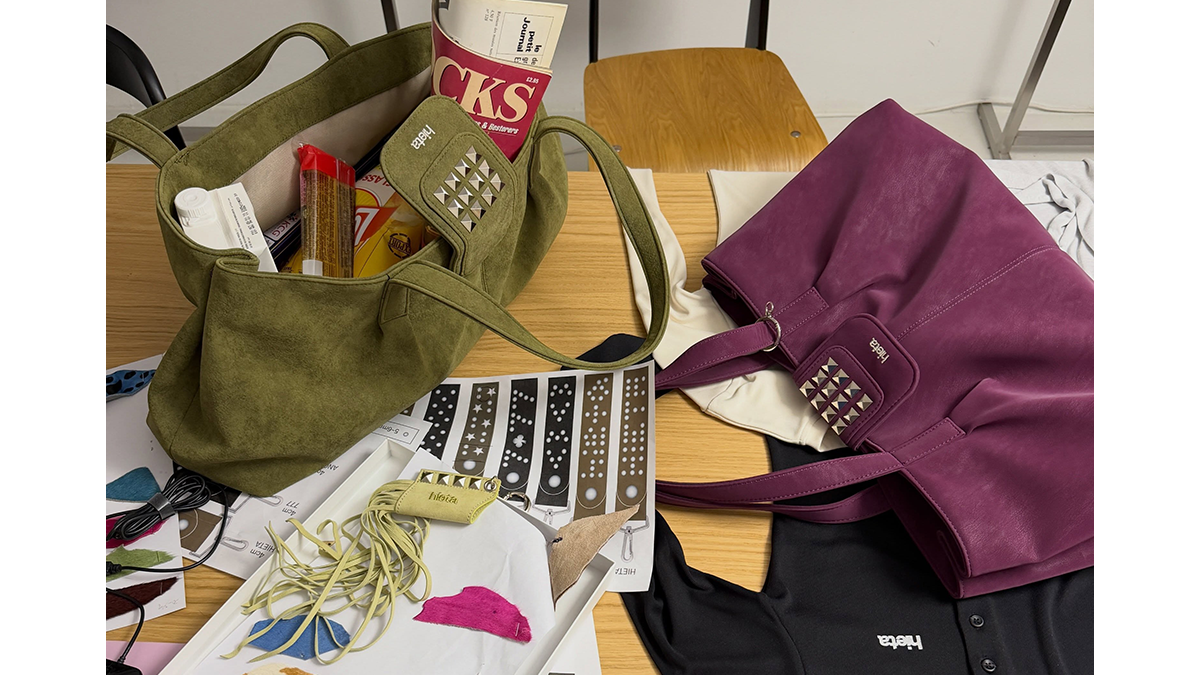
- FW25: Carrie, who loves vintage (a messy aesthetic inspired by her belongings)
- SS26: Kira, on her way to a Pilates class
It's an approach that proposes the lifestyle of the person carrying the bag, rather than the bag as an object alone.
Overseas Markets Responding in Three Different Ways
Currently, 30–40% of hieta's total revenue comes from overseas, and it is showing diversified growth patterns in each market.
- Japan: In June 2025, it sold through 90% of the inventory prepared for its pop-up store at Shibuya PARCO in Tokyo. The structural background of entering by leveraging a K-fashion pop-up channel led by Hyundai Department Store played a role, and it maintains a spot in the top 10 of Japan's bag rankings on Musinsa Global Store.
- Paris: By opening an offline pop-up in the Marais district, dense with vintage shops and local fashion hubs, it secured touchpoints with local consumers.
- China: After announcing its entry together with Lonter Ventures and Clonet in March 2025, it generated reactions from more than 70,000 people within two weeks of distributing content from its Hannam-dong pop-up on Xiaohongshu (RED). It shows a concrete flow in which buzz generated through local offline and digital channels connects to sales to overseas buyers.
Category Expansion into a Lifestyle Brand
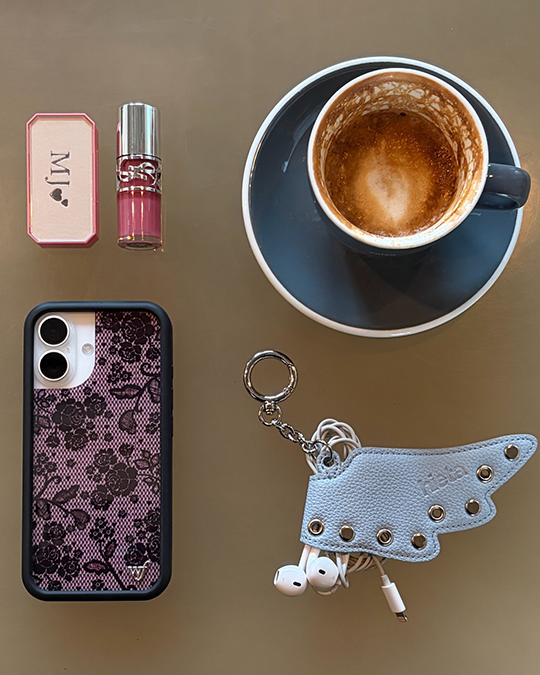
Hieta's next goal is to reach annual revenue of about $5.8 million. It plans to expand its distribution networks in Japan and the US while broadening its categories into accessory lines such as shoes. The path of starting with bags and expanding into accessories and lifestyle is similar to the growth path taken by brands such as Carlyn and Marhen.J.
💡 EDITORIAL SMALL TALK
What makes hieta worth watching is that, in a bag market dominated by safe black options, it is proving its color positioning and persona storytelling with sales data. The fact that Tina (cherry red) and Becky (powder pink) rose to the top of Musinsa's rankings one after another shows that a visually driven differentiation strategy can translate directly into commercial results.
Its approach to overseas expansion is also interesting. It uses a proven distribution channel (Hyundai Department Store) in Japan, targets local fashion hubs in Paris, and opens sales channels in China through digital buzz on Xiaohongshu, showing a flexible approach to each market. Beyond simple "potential" for overseas expansion, it is accumulating real-world data in three countries in different ways, so buyers reviewing emerging K-bag brands may want to actively check hieta's lineup and buying timing at this point.