The Age of Consuming Mood
From coastal cliffs to the F1 circuit: the brand strategy and buying points behind global houses' choice of campaign settings.
Fashion houses are using campaign locations as their brand's most powerful language. Before the product is even shown, the place speaks to the brand's mood.
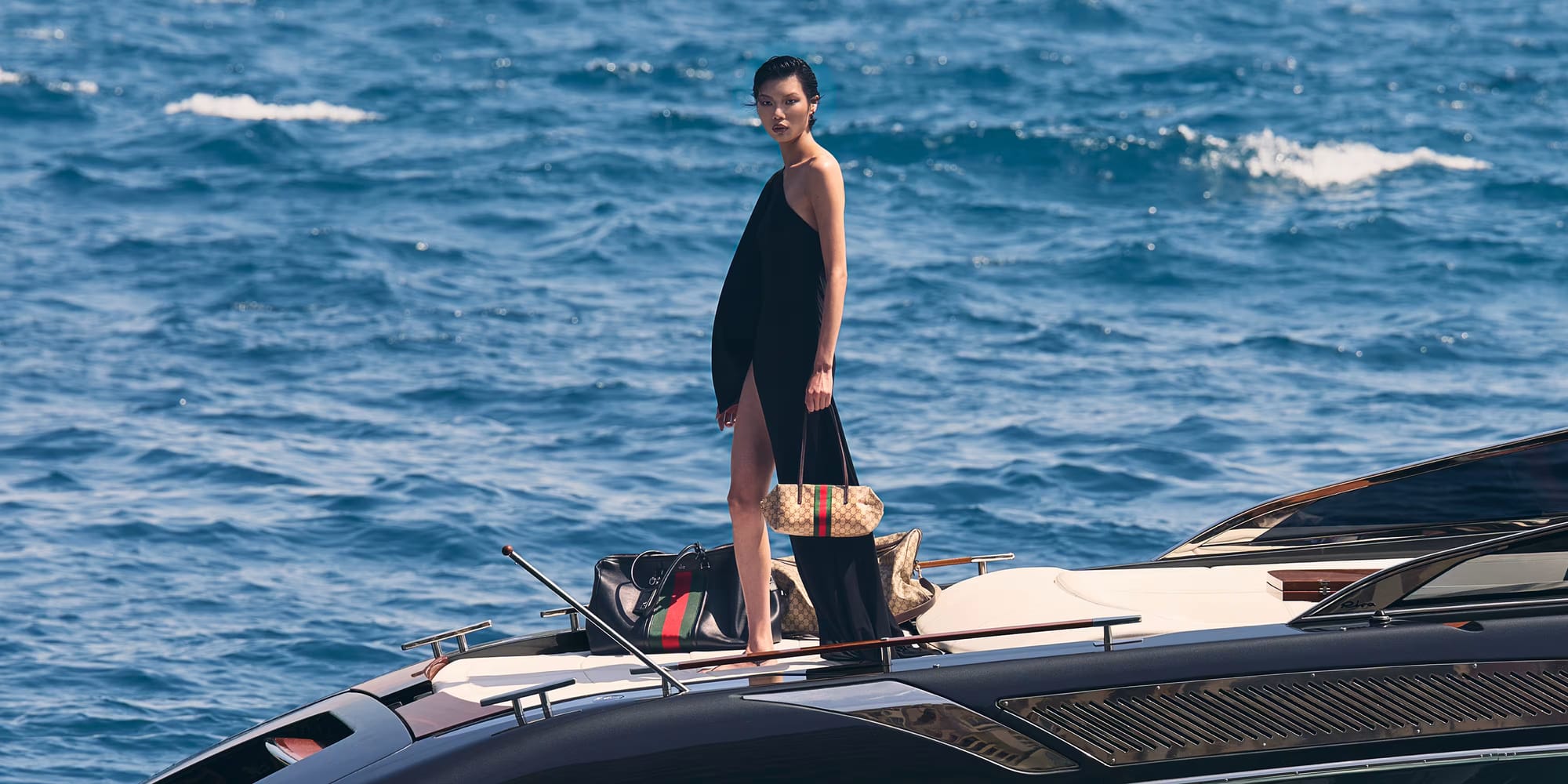
In the same season, three brands leading the global luxury market each chose entirely different coordinates. Chloé headed to wild coastal cliffs, Gucci to the resort of Monte Carlo, and Louis Vuitton to the Monaco F1 circuit. The differences in the spaces these three houses chose clearly reveal the worldview each brand is pursuing.
Nature Is Not a Backdrop but a Collaborator
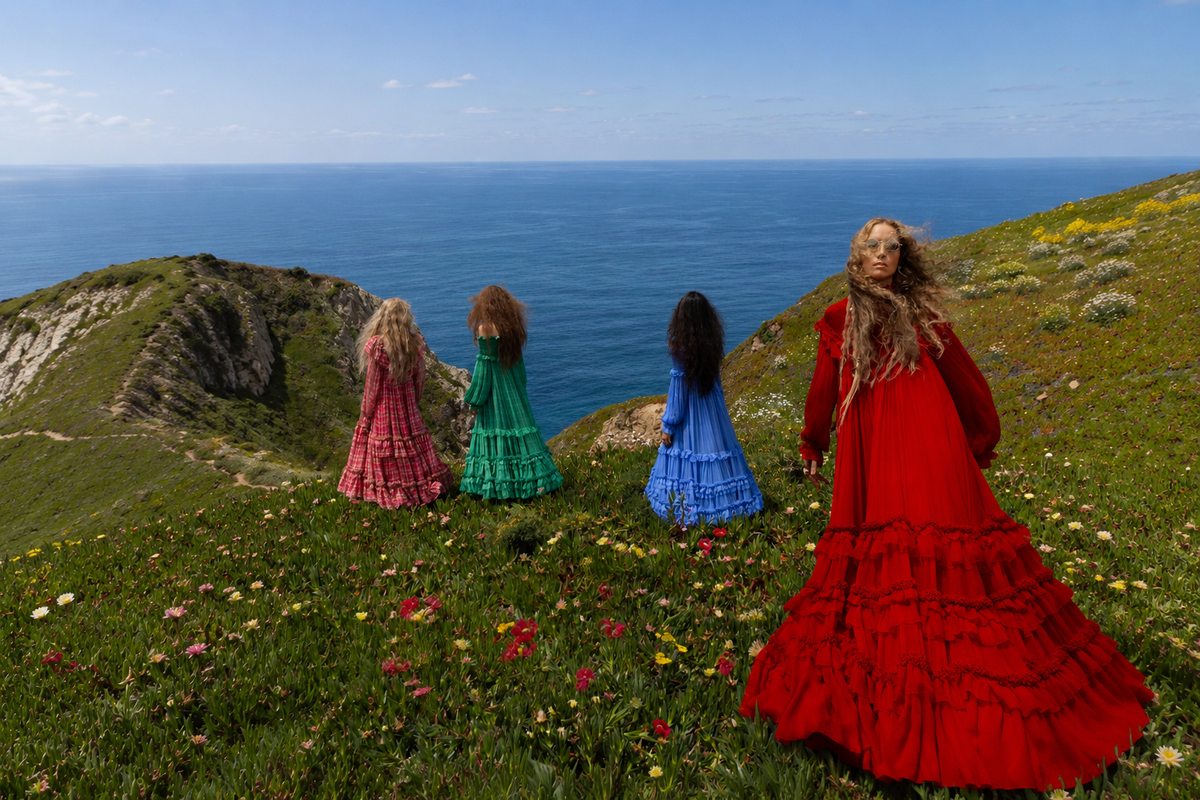
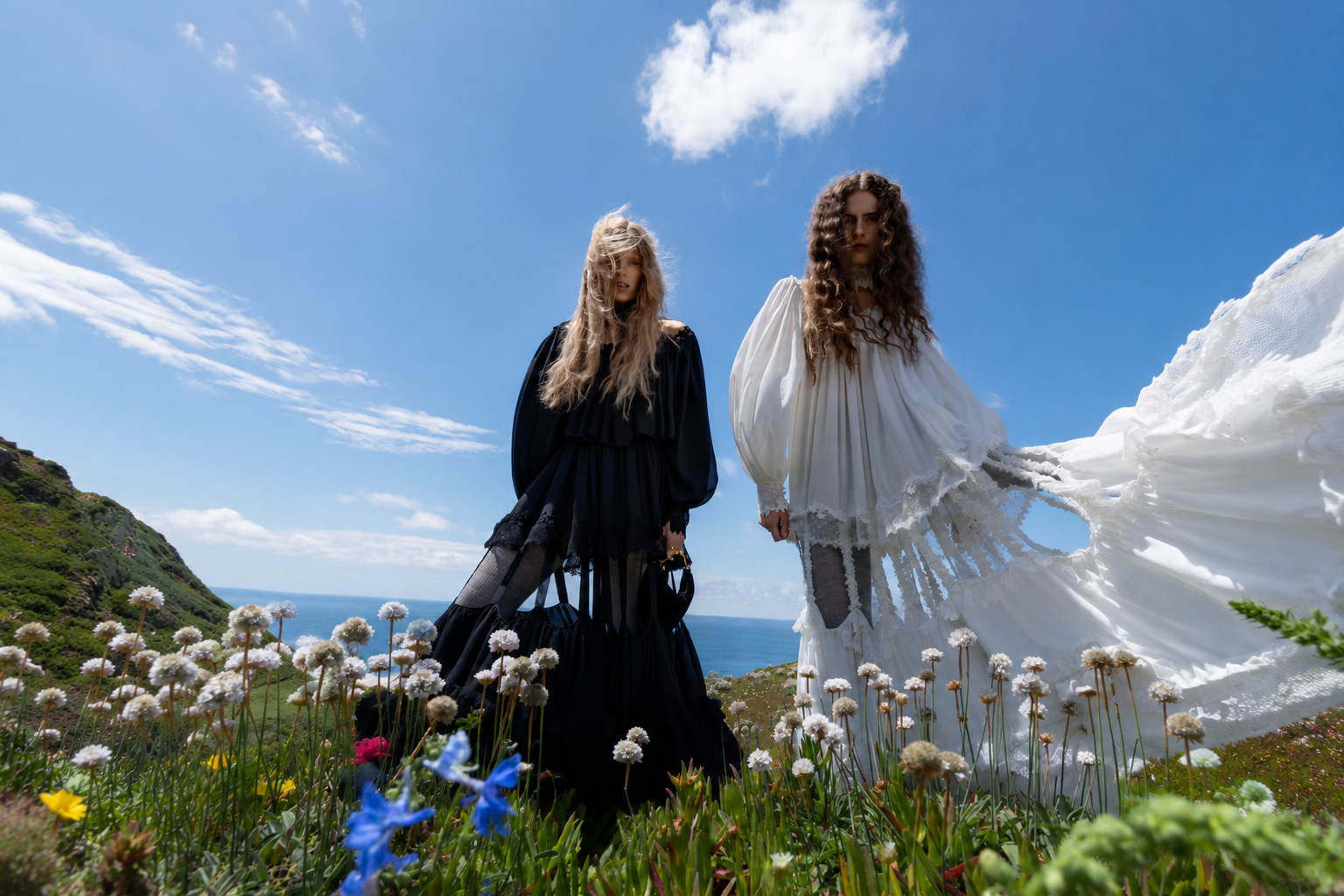
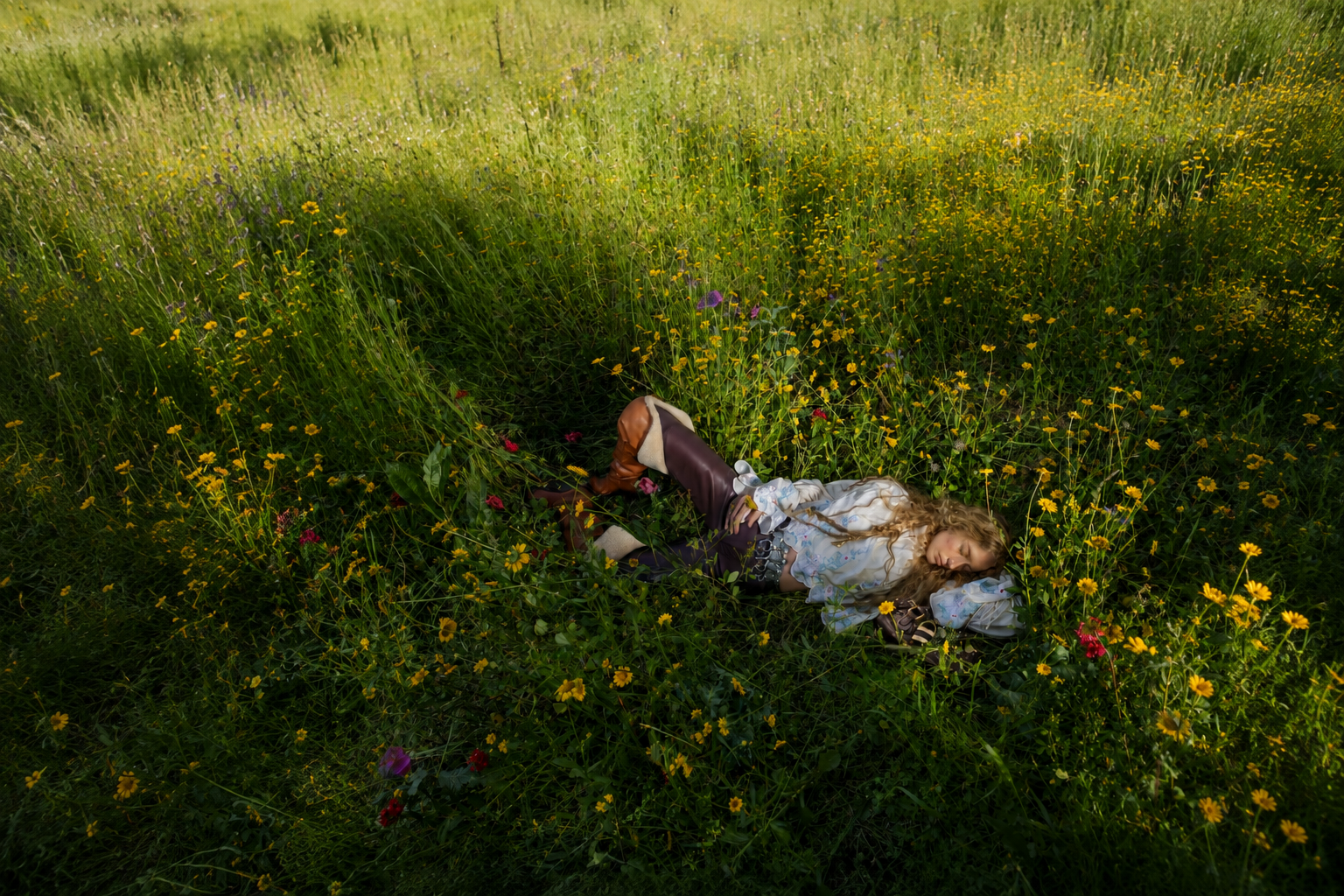
Chloé's winter campaign, led by creative director Chemena Kamali, was shot on windswept coastal cliffs and meadows.
Technically, it used a fisheye lens that bends the horizon, blending the models into the natural terrain as part of it rather than as isolated figures. On top of that, despite being a French brand, it showed real finesse by adding a soundtrack from a Welsh-language band to heighten the wildness of the Celtic landscape.
60 Years of Heritage Meets an Urban Resort
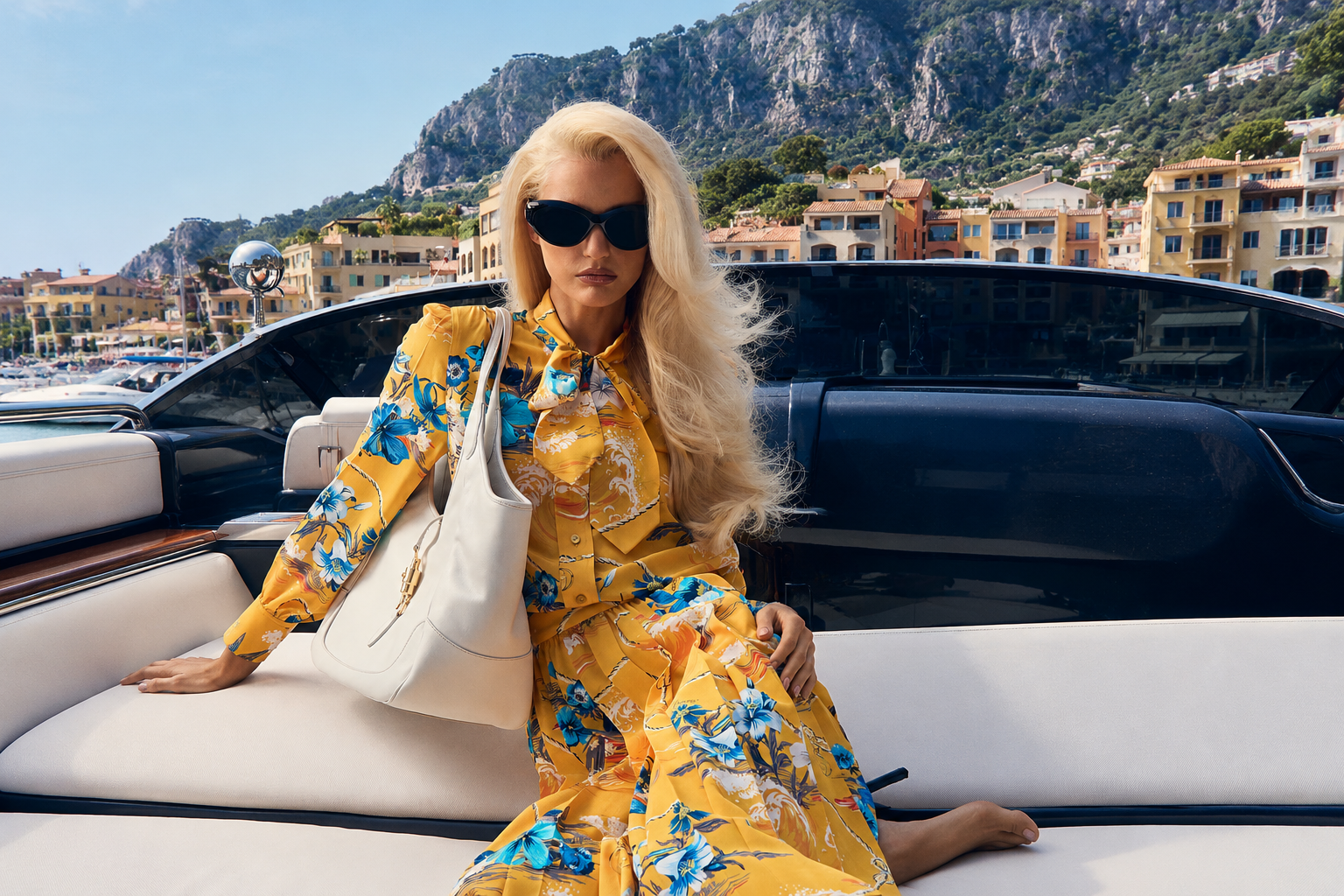
Gucci chose Monte Carlo, in the Principality of Monaco, as the stage to celebrate the 60th anniversary of its signature "Flora" print.
As the place with the densest concentration of wealth in Europe, symbolized by superyachts and casinos, Monte Carlo is the essence of the "urban luxury resort." Through this location, Gucci once again cemented the idea that its roots lie in sensual, glamorous European luxury resortwear.
If Louis Vuitton chose the track (the circuit) within the same Monaco territory, Gucci chose the elegant city and resort just outside it.
A Trunk Set on a High-Speed Circuit
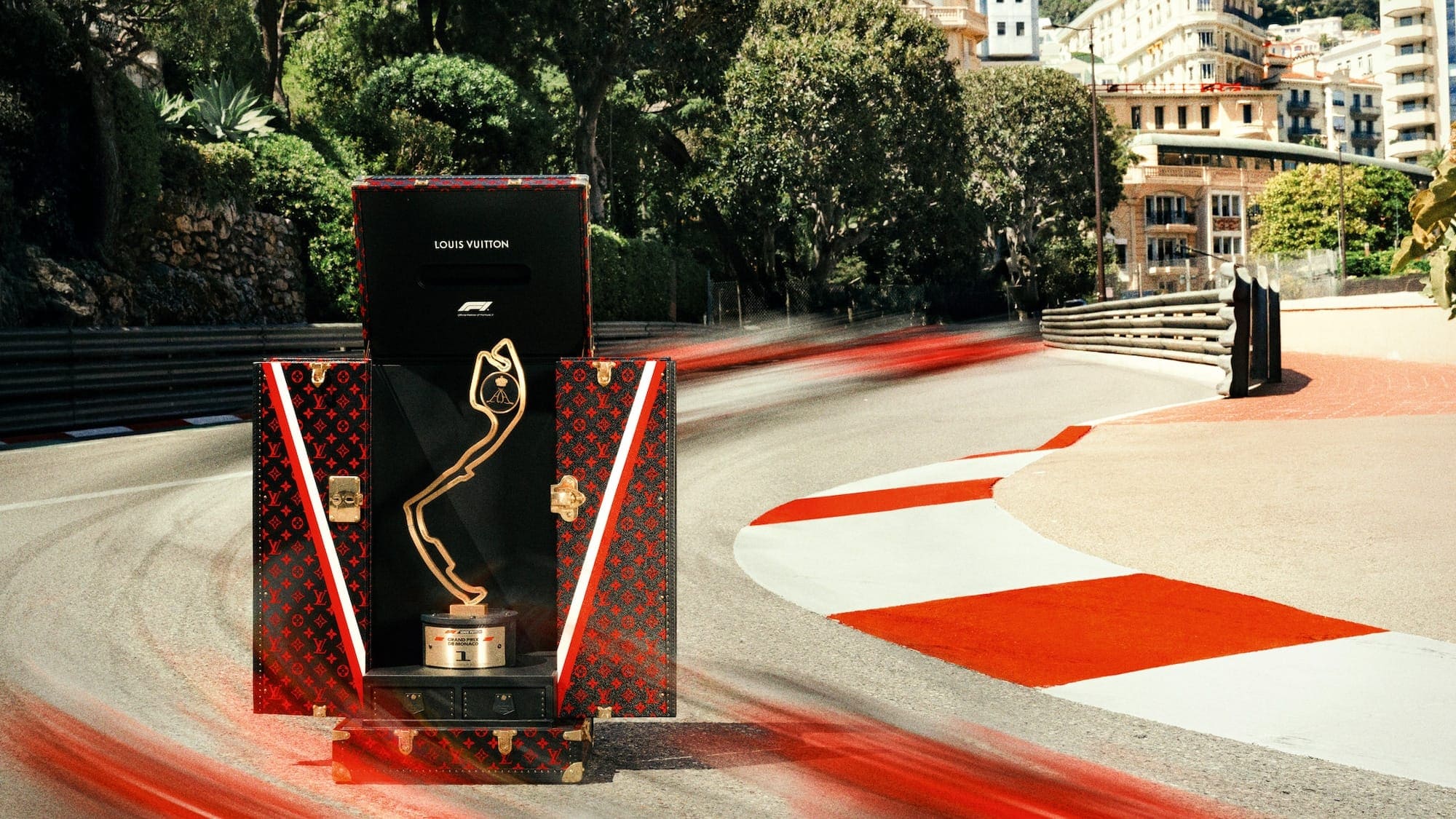
Louis Vuitton took the Monaco circuit itself as the brand's stage, joining the "2026 F1 Monaco Grand Prix" as title partner.
Right in the middle of the F1 track, ruled by high speed, precision, and mechanical aesthetics, it placed the craftsmanship of trunk-making that dates back to 1854. The moment a handmade trunk appeared as the case holding the F1 winner's trophy was dramatic.
Through this paradoxical setting, where "the fastest mode of transport (F1) meets the most classic travel object (the trunk)," Louis Vuitton perfectly proved both speed and timeless craftsmanship.
The Structural Reasons Brands Chose New Locations
There are two practical reasons luxury brands are leaving perfectly controlled studios for new locations.
A Structure Where People Consume a "Worldview," Not a "Product"
Consumers no longer open their wallets just by looking at a single garment. Looking at Chloé's cliffs, consumers want to own "the sense of freedom that exists in that nature" more than the clothes themselves.
A Fundamental Shift in Social Media Engagement
Simple studio product shots can't stop consumers from scrolling on social media. Only locations that carry the "alive feeling" of wind-blown, wide-open landscapes have become the one key to reviving collapsed social engagement.
2 Points Buyers Should Read
Reinterpreting Customer Personas
The wild romance that Chloé shows and the glamorous resort mood that Gucci paints each point toward customer groups with different lifestyles. Beyond simple fabric or fit specs, you can look at where the spatial language a brand chose this season meets your store's existing customer flow and target personas.
Prepare Storytelling to Fill the Gap Between Campaign and Delivery
There's usually a lag of about 6–8 weeks between campaign releases in July and fashion week and in-store deliveries in September. During this period, when the emotional anticipation built by the media is at its peak, sharing the campaign's location-based story with store staff in advance lets you naturally turn it into a richer, more sensory sales pitch once the product arrives.