3 LVMH Prize-Winning Brands
The 2026 LVMH Prize winners and the shifts shaping next-generation fashion.
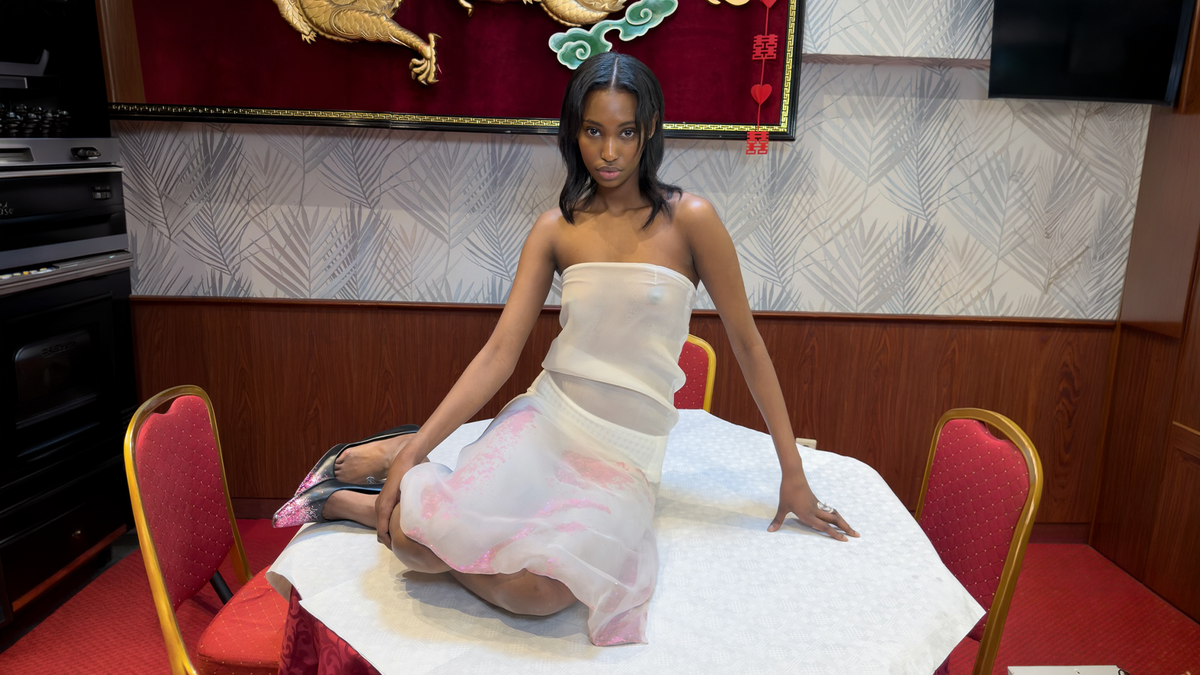
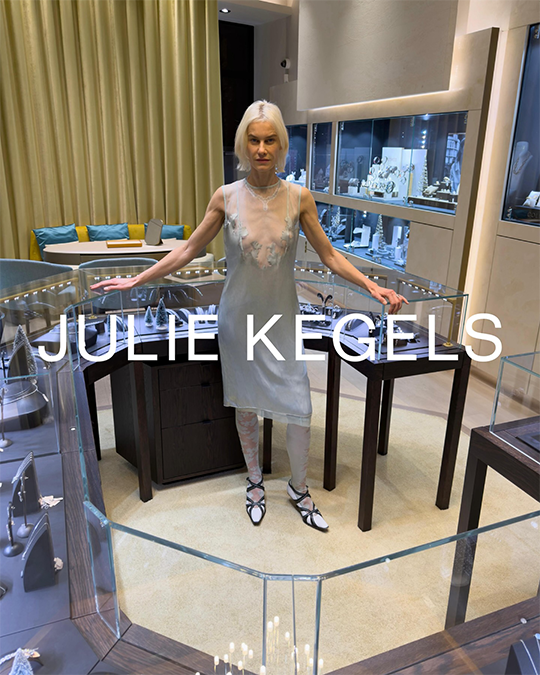
At the 13th LVMH Prize, held on September 4 at the Fondation Louis Vuitton in Paris, Belgian designer Julie Kegelstook the top prize.
The Karl Lagerfeld Prize went to Lii, the label of New York-based designer Zane Li, and the Savoir-Faire Prize went to Yoshita 1967, the label of Anil Padia, who works between Nairobi and Paris.
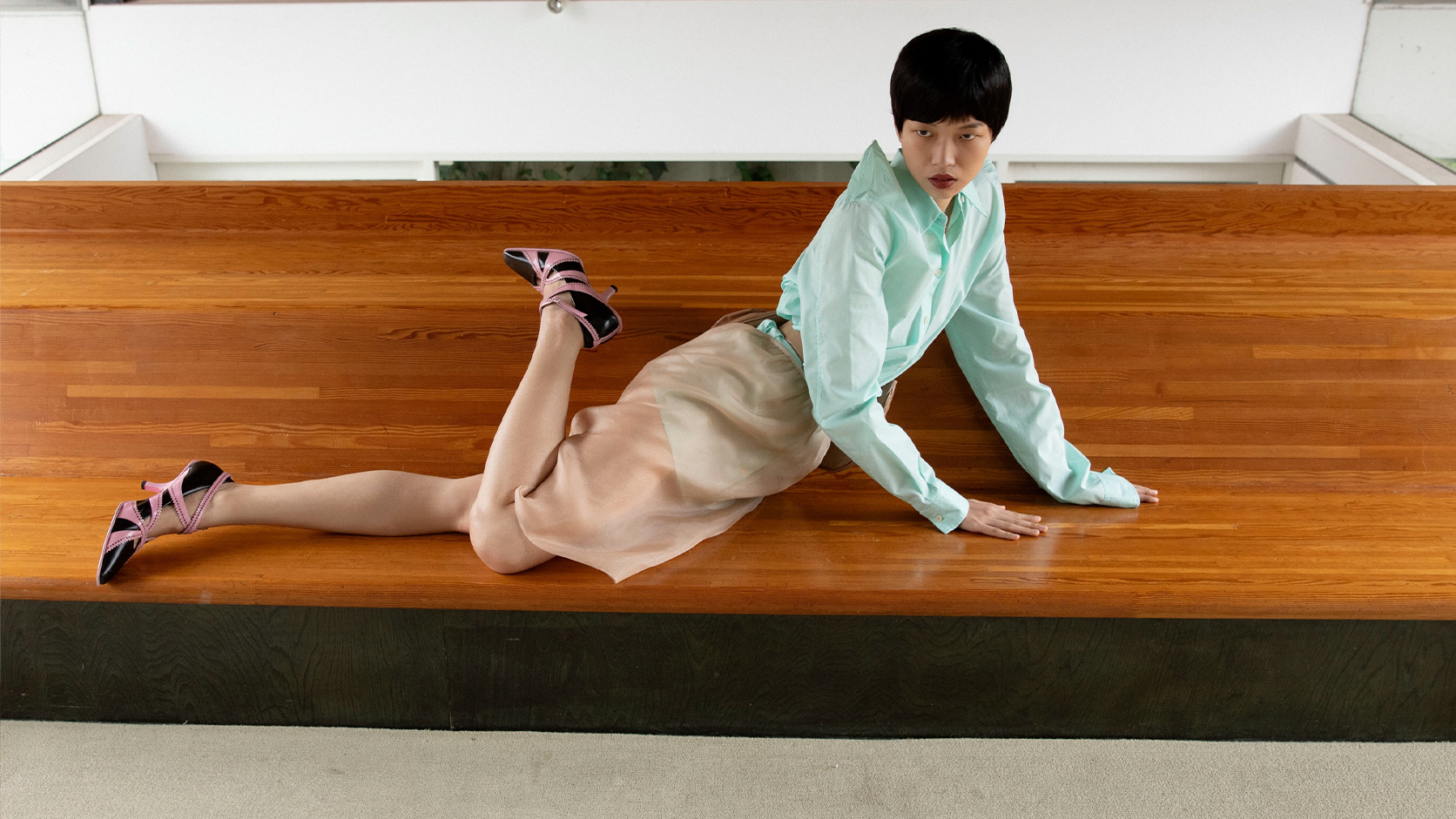
Julie Kegels: Multiple Identities
Julie Kegels, 27, studied under Walter Van Beirendonck and Dirk Van Saene at the Royal Academy of Fine Arts Antwerp, then gained experience at Meryll Rogge and at Alaïa under Pieter Mulier. She launched her own brand in 2024, and after an off-schedule show in Paris in 2025, she joined the official Paris Fashion Week calendar that same year.
The theme Kegels returns to again and again is multiple identities. She translates into clothing how a woman changes as she moves between professional, private, and public roles over the course of a single day, expressing this through shifts in silhouette and detail.
It also stands out that she won the LVMH Prize just about two years and four collections after launching her brand. Her stance that the clothes themselves and their small details, rather than a grand worldview, should draw people in is another important part of what defines Kegels's work.
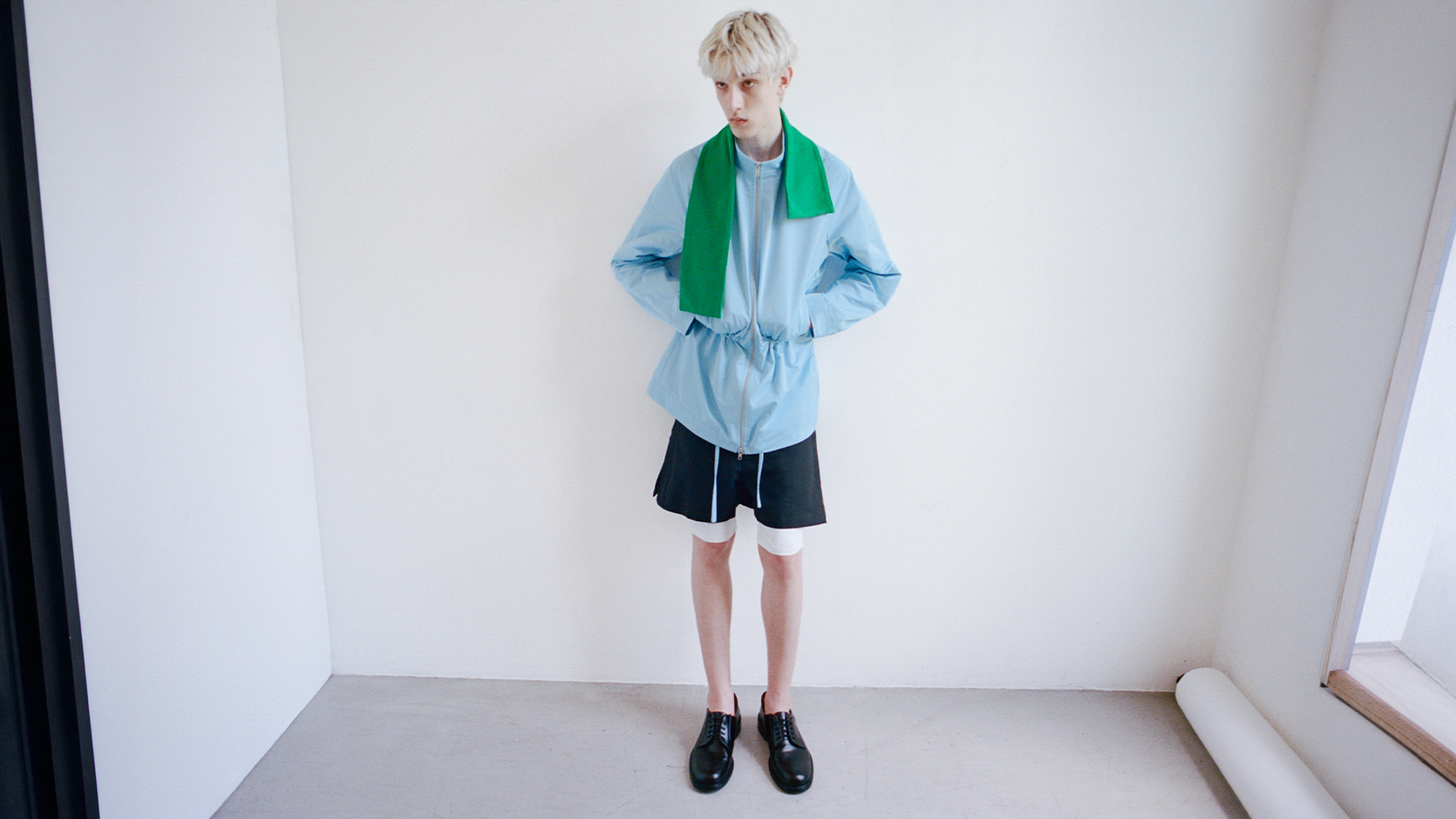
Lii: The Boundary Between Sportswear and Couture
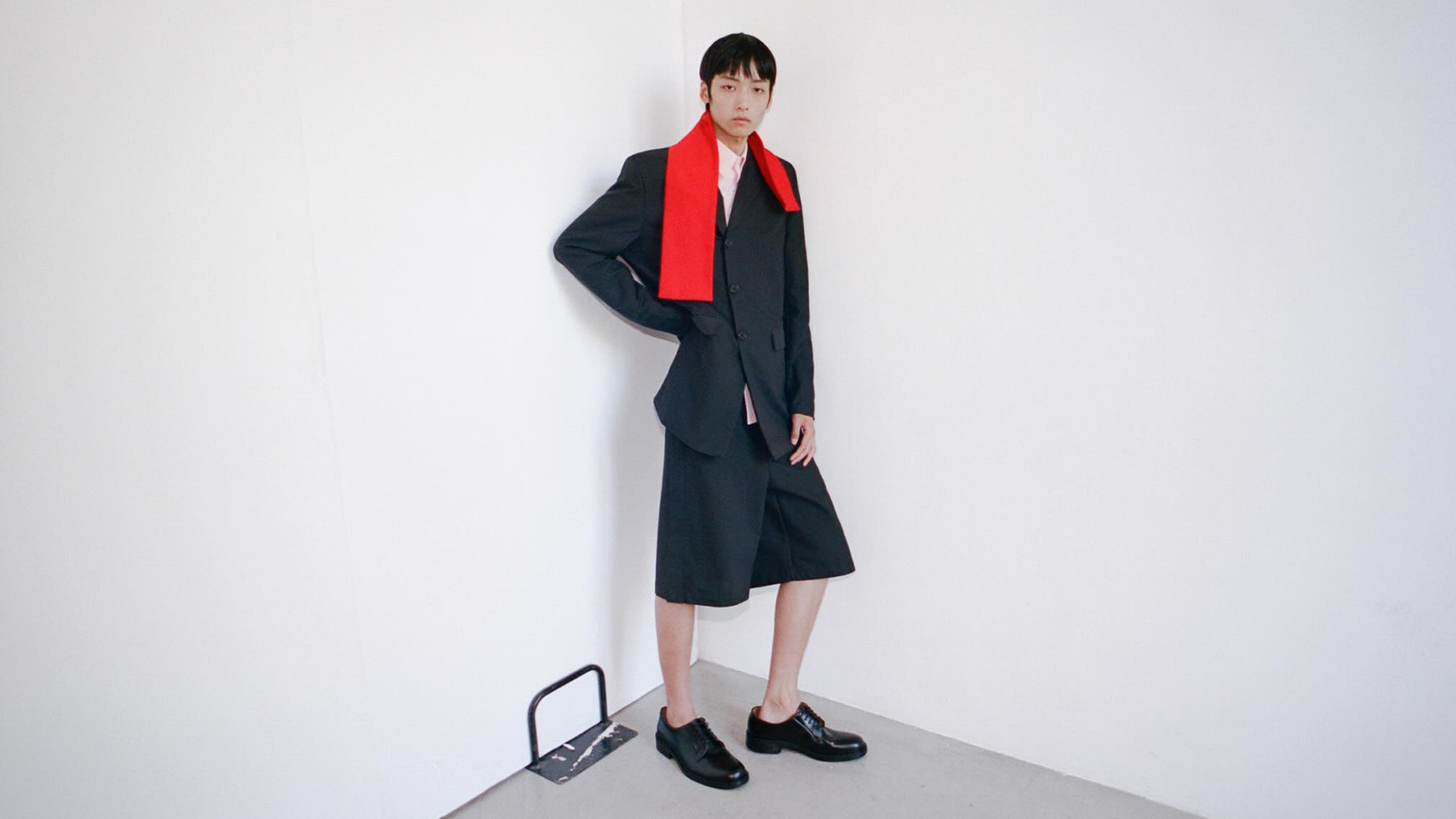
Zane Li, winner of the Karl Lagerfeld Prize, is originally from Chongqing, China, and works in New York. After graduating from FIT in 2023, Li founded Lii and won the prize just six collections after debuting with AW24.
Lii's work sits at the point where sportswear meets couture. While maintaining a relatively minimal impression, it uses exaggerated forms, intricate structures, and tactile materials to make familiar everyday clothing feel slightly unfamiliar.
Following the win, Li said they hope to expand into accessories, new materials, fully fashioned knitwear, and more. It also shows that, for emerging brands, the LVMH Prize can be capital and infrastructure for experimenting with new product categories, more than simple prestige.
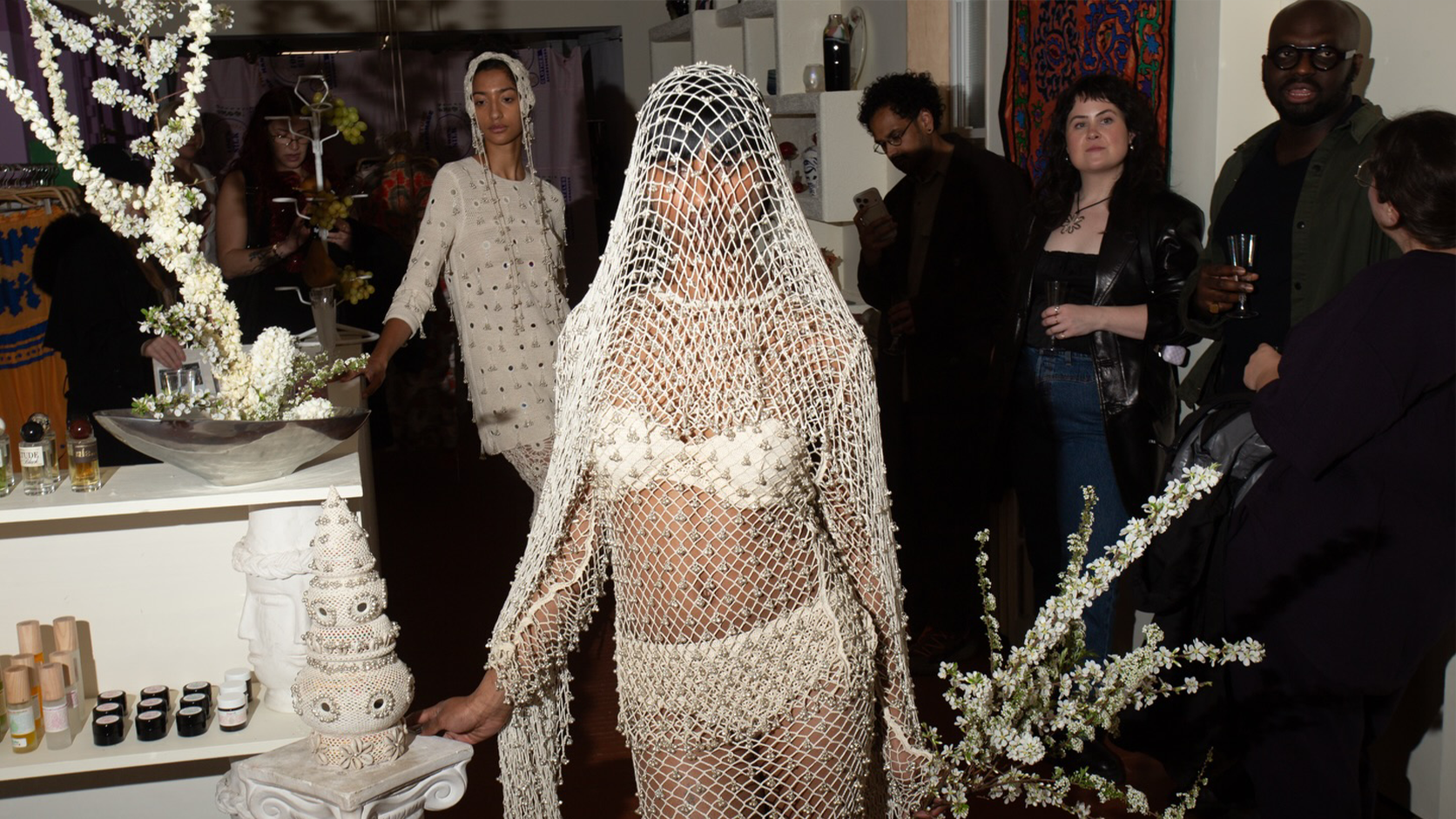
Yoshita 1967: The Value of Slowness
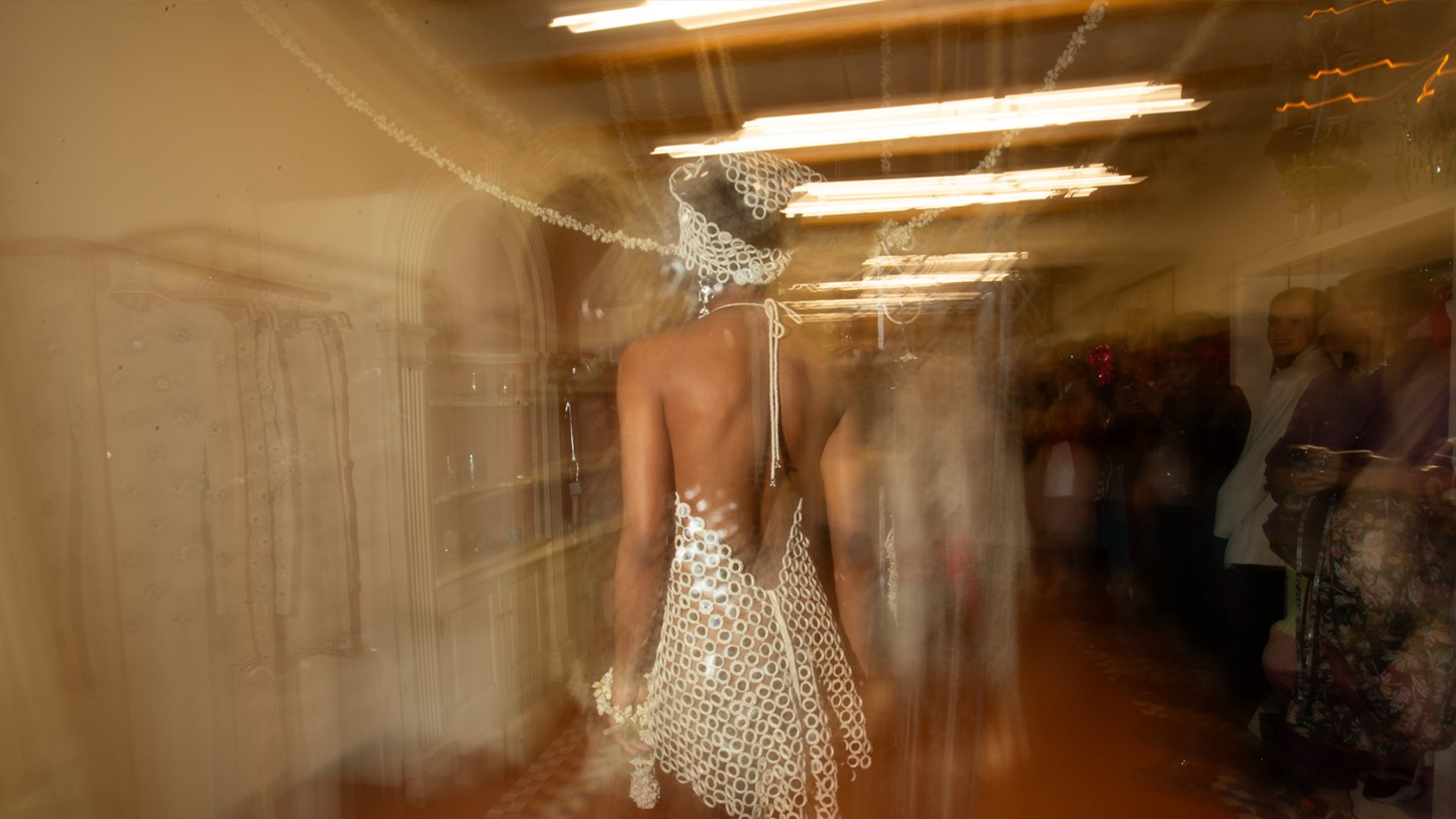
The Savoir-Faire Prize went to Anil Padia's Yoshita 1967. Padia, who has a Kenyan-Indian background, works between Nairobi and Paris and develops the brand through long-term collaborations with women-led craft communities.
Yoshita 1967 places more importance on craft, heritage, and relationships with local communities than on fast production. At this year's LVMH Prize, a Kenyan brand became a finalist for the first time and went on to win as well.
Since South Africa's Thebe Magugu already won the LVMH Prize in 2019, it isn't "Africa's first." However, the fact that the scope of talent discovery has widened to include Kenya is a change worth noting in this year's results.
Three Brands, Three Different Visions of Fashion
It's hard to group this year's three winners under a single design trend. Julie Kegels, Lii, and Yoshita 1967 have different starting points: women's identity, sportswear and couture, and craft and local community, respectively.
If anything, what they share is closer to having a relatively clear sense of where they come from and what they want to make. Rather than following a single global luxury grammar, each is developing its own culture and experiences into a design language.
The fact that they were chosen by a jury that included designers currently leading major houses, such as Jonathan Anderson, Michael Rider, Marc Jacobs, Stella McCartney, and Nigo, adds another reason to watch their next moves.
💡 Fashion Business Insights
Buyers: It's worth looking at what changes after the win, not just the win itself.
The LVMH Prize provides a year of mentorship along with prize money. How actual products and distribution change next season, such as Julie Kegels's team expansion, Lii's development of accessories and knitwear, and Yoshita 1967's changes in production capacity, can be a more direct point to watch.
Brands: You don't need to follow a single luxury grammar to enter the global market.
The three brands started from areas they know well: Antwerp womenswear, New York sportswear, and Kenyan craft. They can be seen as examples of how regional and personal backgrounds themselves can become a differentiated brand language.
💡 EDITORIAL SMALL TALK
What's interesting about this LVMH Prize isn't simply who took first place. It's that a 27-year-old designer who started in Antwerp, an FIT graduate who moved from Chongqing to New York, and a craft-based brand working between Nairobi and Paris all stood on the same stage. The LVMH Prize doesn't guarantee future success. But this year's results at least show that the map for finding next-generation fashion is becoming wider than before.