A K-Fashion Brand's First Entry into Africa
A look at K-fashion's distinctive overseas expansion map, with key insights from distribution and marketing perspectives.

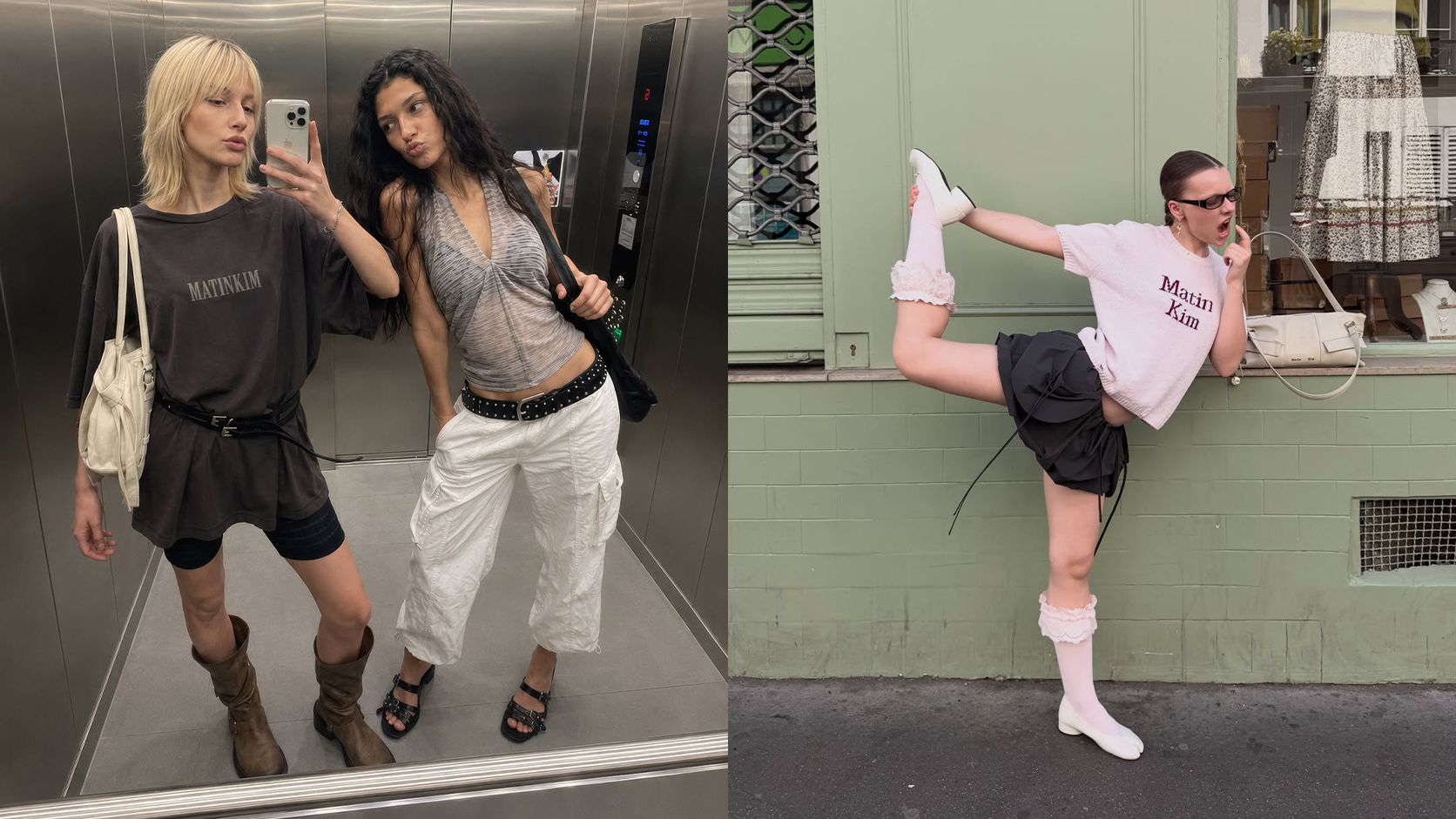
Matin Kim, operated by Hago HAUS, has officially announced its entry into Senegal in Africa. It's the first time a Korean fashion brand has planted its flag in the African market.
Alongside Senegal, Matin Kim also announced the simultaneous opening of its first stores in China and Vietnam. Through Matin Kim's global moves, extending its footprint to Africa along with Asia's large markets, we look at a new expansion formula for B2B fashion retail.

A Distinctive Expansion Map That Follows Local Demand
Matin Kim's pace of overseas expansion is unmatched. Starting with major Asian countries such as Hong Kong, Taiwan, Japan, and Thailand, it has expanded its footprint to Bulgaria, Mongolia, and now Senegal in Africa, securing 26 overseas stores in just two years.
What stands out is its expansion route. Matin Kim is expanding not only into mainstream markets where fashion infrastructure is already mature, but also into new markets where interest from local distributors and demand for the brand have been confirmed. Rather than simply following market size, it is widening its reach based on the brand potential confirmed in each region.

Why Senegal
Rather than Matin Kim directly targeting Africa, this entry into Senegal was driven by collaboration and store placement proposals from local distribution partners that followed as it expanded its overseas business, along with the market's potential.
Dakar, Senegal, is the city where, in 2022, Chanel held the first-ever fashion show by a luxury house in sub-Saharan Africa. It can also be seen as a symbolic case of a global fashion brand shining a light on Africa's culture and creative scene.
A Formula for Entering and Localizing in New Markets While Lowering Risk
For its entry into Senegal, Matin Kim chose to enter through a local multi-brand store rather than its own standalone store. It's an approach that lowers initial investment while allowing the brand to validate local response.
- Logo and accessory focus: At the stage when brand awareness is still forming, logo products and accessories lead the way to convey the brand's identity.
- Climate-tailored lineup: Reflecting the tropical climate, short-sleeve products are included even in the fall/winter (FW) collection, and sizes and silhouettes are flexibly adjusted to local body types.

💡 Fashion Business Insights
Buyers: Get Ahead on Brands Expanding Quickly Overseas
Brands that are rapidly adding overseas distribution hubs have the potential to build a new position in the global market beyond their domestic recognition. Buyers can use the pace of overseas expansion and the growth of distribution channels as one indicator for judging a brand's growth potential.
Marketers: In a New Market, Design Your Entry Products First
When first introducing a brand to a market, you can consider a phased approach: build awareness with relatively accessible products such as logo items or accessories, then expand into ready-to-wear (RTW) based on the local climate and consumer response.

💡 EDITORIAL SMALL TALK
Announcing large markets like China and Vietnam at the same time as a new market like Senegal is a strategic move that shows both "global scale" and "expandability." As K-culture spreads without geographical boundaries through social media, the brand awareness and market response that make overseas distributors seek out a brand first are also becoming important assets in driving overseas expansion.