NACHE's Sensibility and Growth Path
The FILA × NACHE FW26 collaboration collection.
Sports heritage brand FILA has teamed up with NACHE, a sensorial emerging designer brand. The FW26 collaboration collection is made up of a lineup that reinterprets FILA's popular "Echappé" shoe with Velcro details and presents boots with bold draped silhouettes in black and beige.
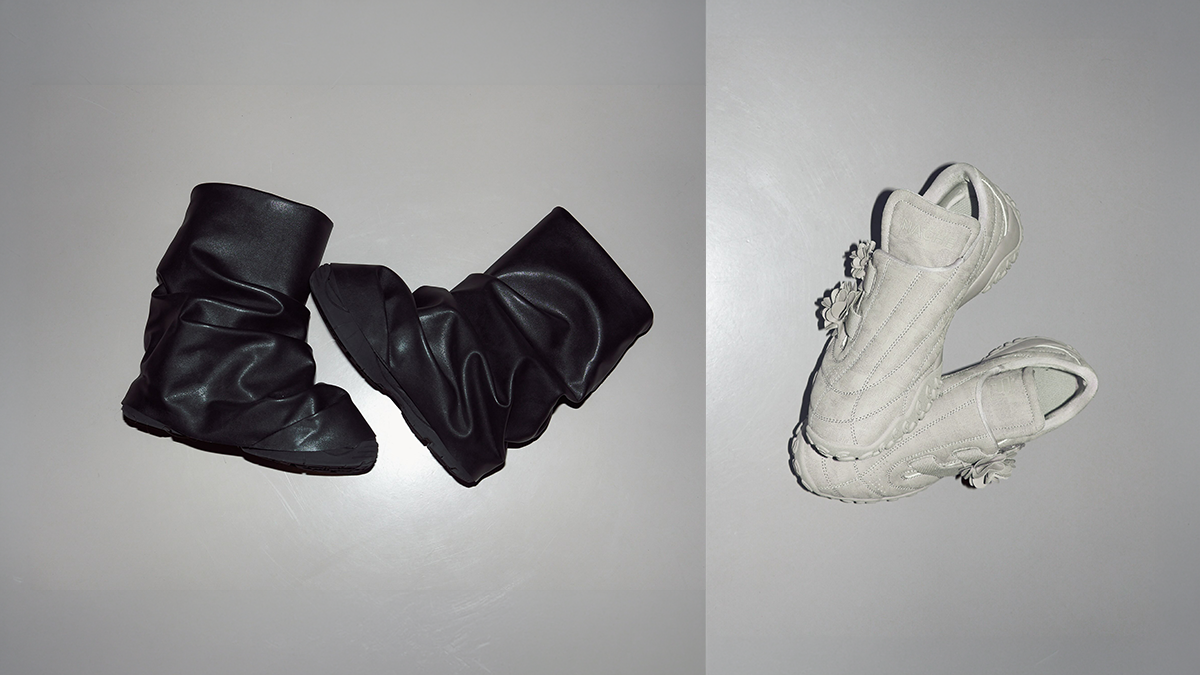
A major global brand choosing an emerging label as its collaboration partner proves that the label has already secured a "sensibility that works" in the market. We look at the brand identity and growth path of NACHE, the brand FILA chose.

A Design Language That Brings the Avant-Garde into Everyday Life
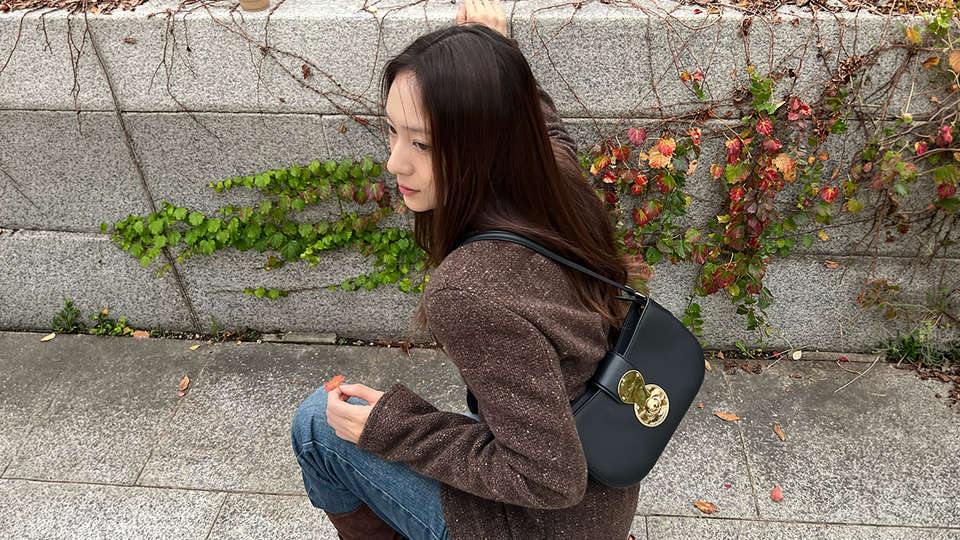
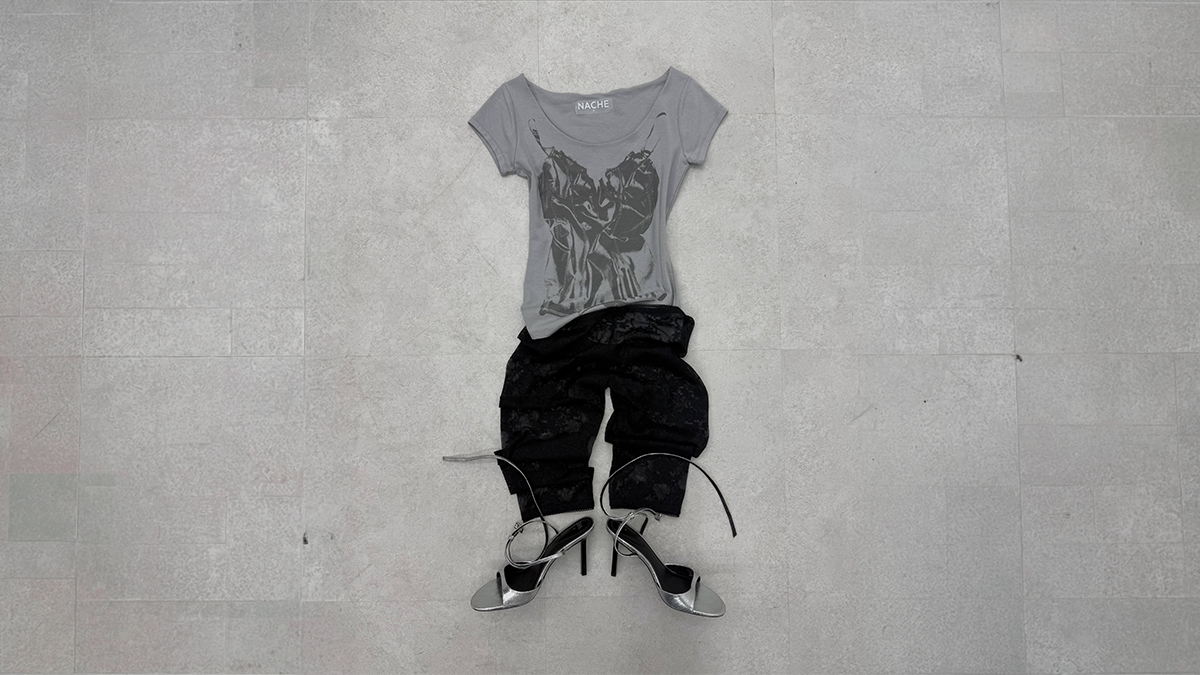
NACHE is a unisex designer brand launched in 2018 by CEO Lee Dajin. The brand name comes from "natural, organic shape," and the brand defines itself as avant-garde casual.

Its defining feature is naturally layering experimental details onto silhouettes that can be worn in everyday life. Like the "draped boots" from this FILA collaboration, its sensibility for striking a balance between bold design and practicality shapes the brand's originality, and its core target audience is people in their mid-20s to early 30s.

From Designer Fandom to Growth in Scale
NACHE began when CEO Lee Dajin made samples while studying at Hongik University, and it's a case in which early demand was confirmed through social media before leading to an official launch.
The growth curve that started from consumer response was steep. Its sales tripled (+300%) for three consecutive years on Musinsa, showing a classic brand growth model that started "sensibility-first," rather than with offline stores or big capital, and built solid scale.

From Domestic Pop-Ups to a Global Distribution Network
NACHE's stage didn't stay in Korea. In early 2024, it opened showrooms in Shanghai and Paris and expanded distribution to about 10 countries, including the US, the UK, France, Thailand, Hong Kong, Japan, China, Singapore, and Taiwan (with especially strong response in the UK and Thai markets). In Korea, too, its pop-up store at The Hyundai Seoul drew about 7,000 visitors a week, proving its strong fandom.
Its product lineup is precisely divided into three lines, basic (NULL), core (NACHE), and editorial/rental (Couture), applying tiered product planning tailored to price point and purpose.

A Collaboration Structure That Exchanges Sensibility for Reach
This brand foundation clearly explains the background of the FILA collaboration. FILA, a heritage sports brand, secures the "current trend sensibility" it inevitably needs, while NACHE, an emerging brand, gains "mass touchpoints and distribution infrastructure" that are hard to reach on its own.
Rather than one side simply consuming the other's fame, it's a strategic exchange structure in which each fills its gaps with the other's strengths. For NACHE, this partnership works as leverage to expand the brand onto a broader, mass-market stage.

💡 Insights for Buyers and Planners
Validating Sensibility Through Collaborations with Major Brands
A heritage brand like FILA choosing a label as its collaboration partner may be because it judged that the label's sensibility has the scalability to work in the mass market as well. When discovering emerging brands, try using "which major brands it has partnered with" as one meaningful reference indicator.
A Track Record of Overseas Distribution That Proves Market Scalability
As in the case of NACHE, which built showrooms in Paris and Shanghai and a distribution network spanning about 10 countries, brands that first gained traction in overseas markets are more likely to have a sensibility that isn't confined to their local market. We recommend also looking at a brand's overseas distribution history as a factor in judging its global expansion potential when sourcing and planning.
A Strategic Exchange Structure That Fills Each Other's Gaps
Like a structure in which sensibility and reach complement each other, the sustainability of a collaboration starts from a clear-eyed calculation of "what each side can give and receive" through the partnership. When planning a successful collaboration, it's necessary to first check whether both sides' gaps and strengths intersect precisely.