New Balance, Heritage Meets Running Technology
New Balance through its signature models and running category.
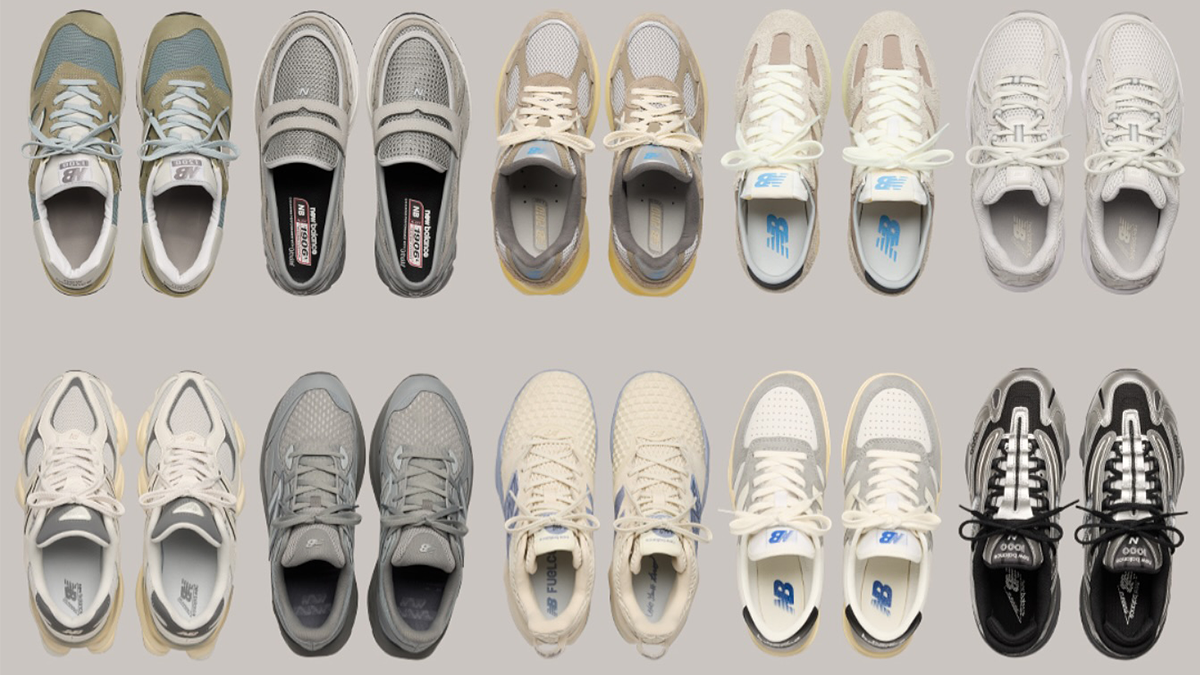
New Balance began in Boston in 1906 as an arch support company and has grown into a brand spanning running and lifestyle. Through the signature line built around the 990 and a 2026 running lineup led by new midsole technology, we look at how the brand is changing and where it's heading.
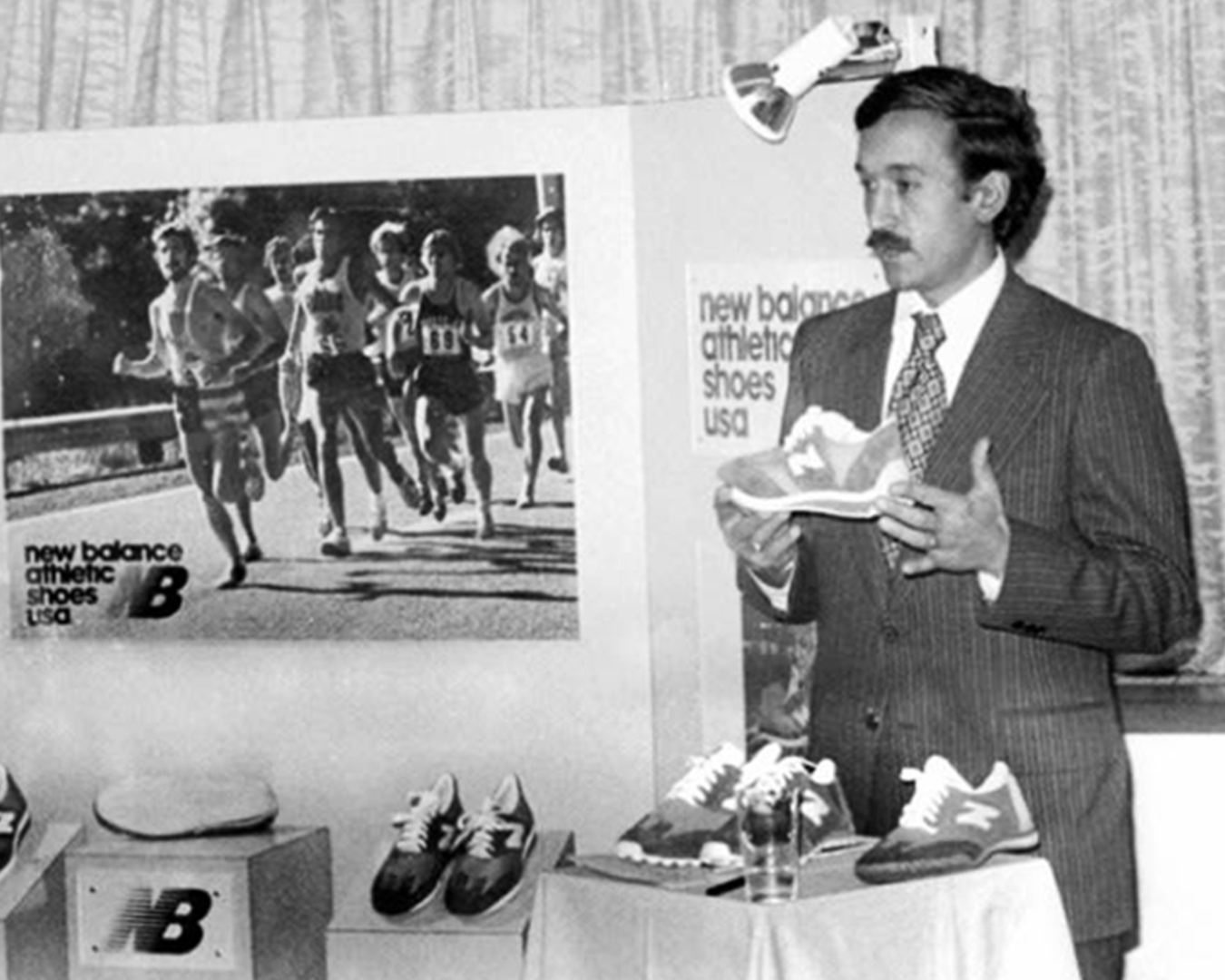
From Arch Supports to Running Shoes: A Start Rooted in Function
New Balance began in 1906 as a company making products that support the arch of the foot. Its starting point, a focus on fit and function, later led to the development of running shoes.
In 1961, it introduced the Trackster, a running shoe offered in multiple width options, and the 320, released in 1976, was the first to carry the brand's signature N logo. It was a period when the brand's function-driven identity took concrete shape through its running lineup.
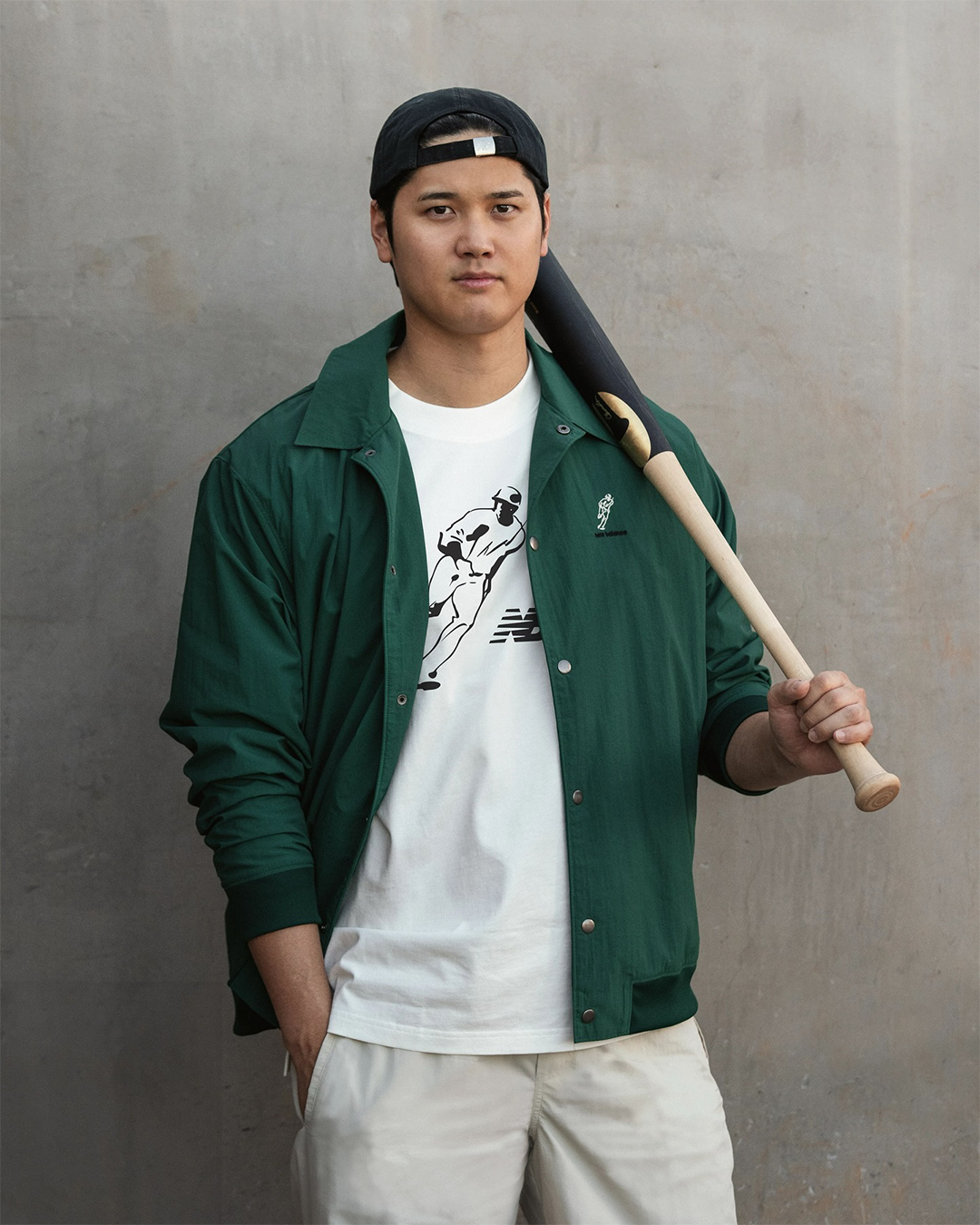
$9.2 Billion in 2025 Revenue and Global Growth
New Balance posted revenue of $9.2 billion in 2025. Up 19% year over year, it marked the brand's fifth consecutive year of double-digit growth. Apparel and direct-to-consumer retail each surpassed $1 billion in annual revenue for the first time.
Alongside this growth, the brand is also broadening its global business base. It launched an Asia design studio connecting its lifestyle apparel teams in Tokyo, Shanghai, and Seoul, and pursued the expansion of its manufacturing facilities in the US.
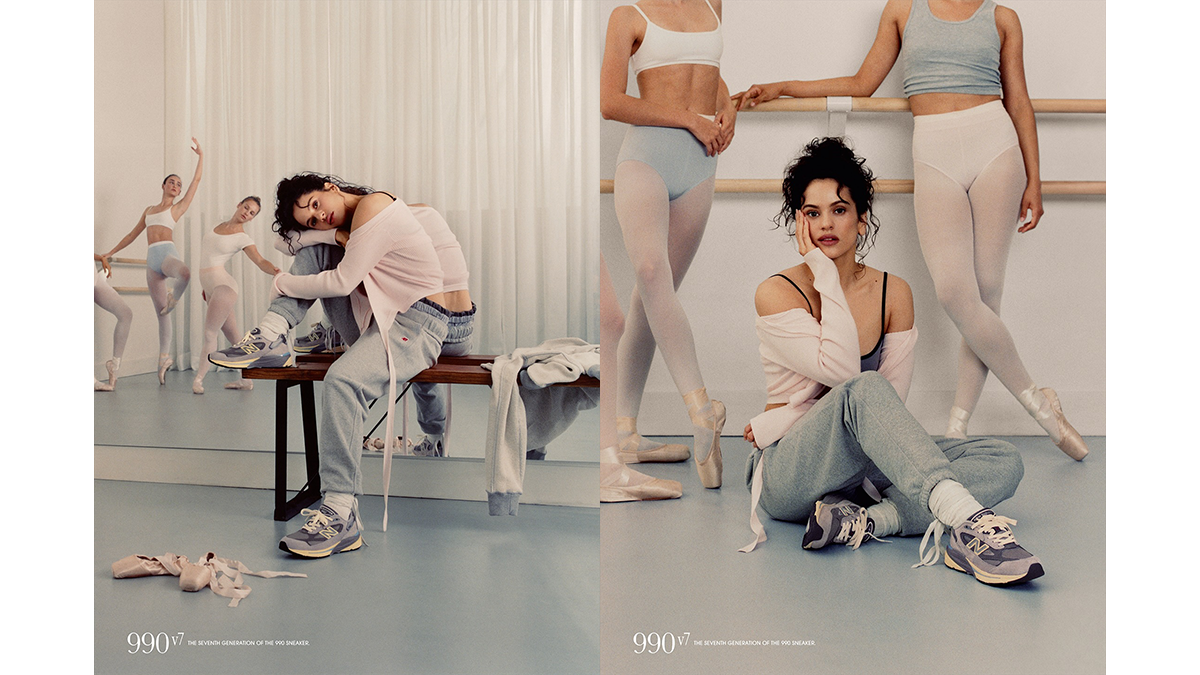
The 990: A Signature That Shows New Balance's Direction
First released in 1982, the 990 was introduced as the highest-priced running shoe in New Balance's lineup at the time. Emphasizing function and craftsmanship, the model has continued through multiple versions and established itself as the brand's signature. In 2026, the seventh version, the 990v7, was unveiled.
The Made in USA line is, alongside the 990, a pillar that showcases the brand's heritage. Since 2021, Aimé Leon Dore's Teddy Santis has led its creative direction, and the line has broadened its reach through collaborations with a range of brands and designers, including Miu Miu, Salehe Bembury, Joe Freshgoods, and JJJJound.
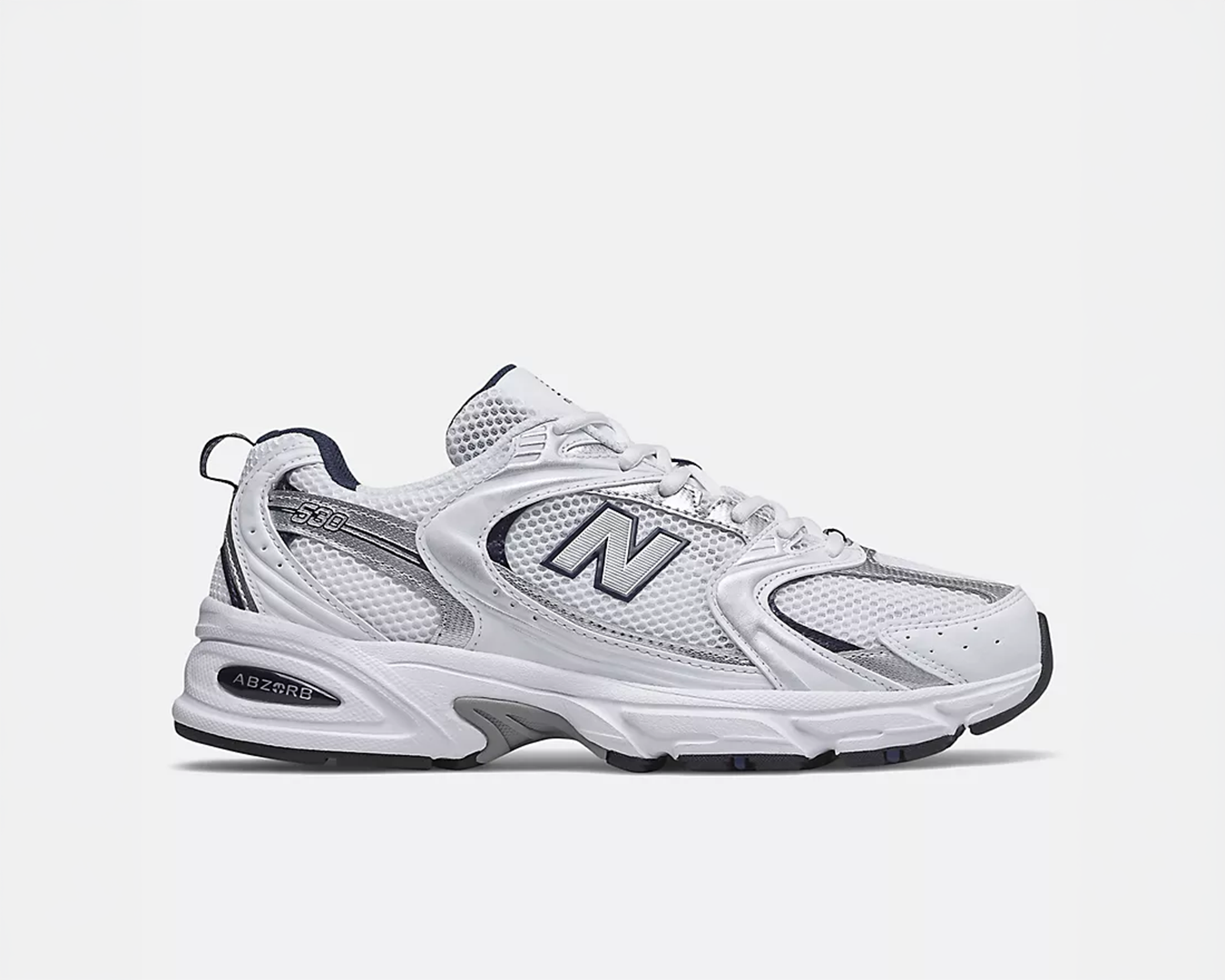
The success of the 530 in the Korean market is also worth noting. The 530, which had once been discontinued, was reintroduced to the Korean market following a relaunch proposal from E-Land, and has since been reported to have sold more than 2 million pairs in Korea. It's a case of a heritage model from an overseas brand creating new demand in the Korean market.
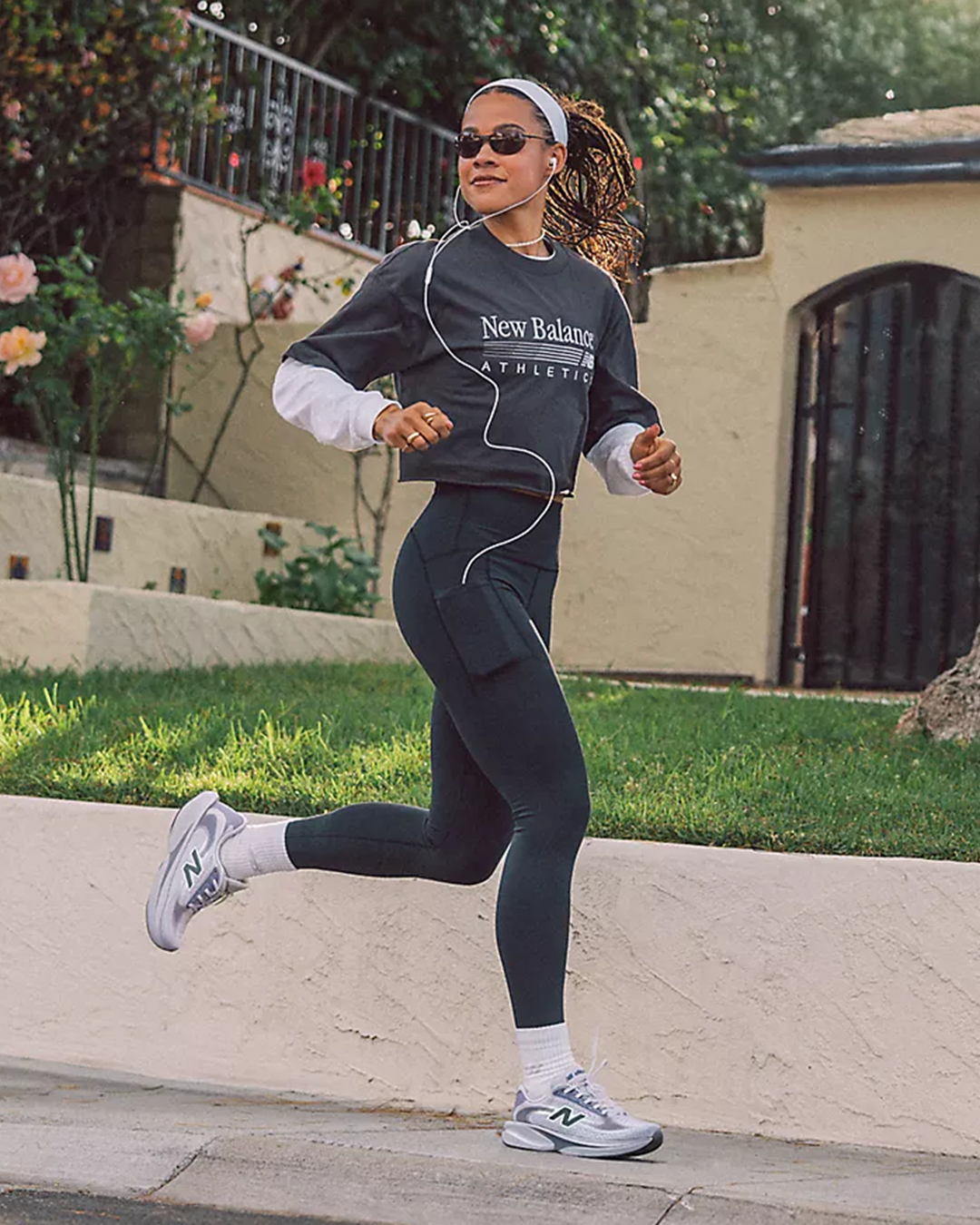
From Infinion to FuelCell: The 2026 Running Lineup
New Balance's 2026 running lineup is organized around Infinion, Fresh Foam, and FuelCell. Its defining feature is the application of different midsole technologies according to running purpose, from cushioning and comfort to responsiveness.
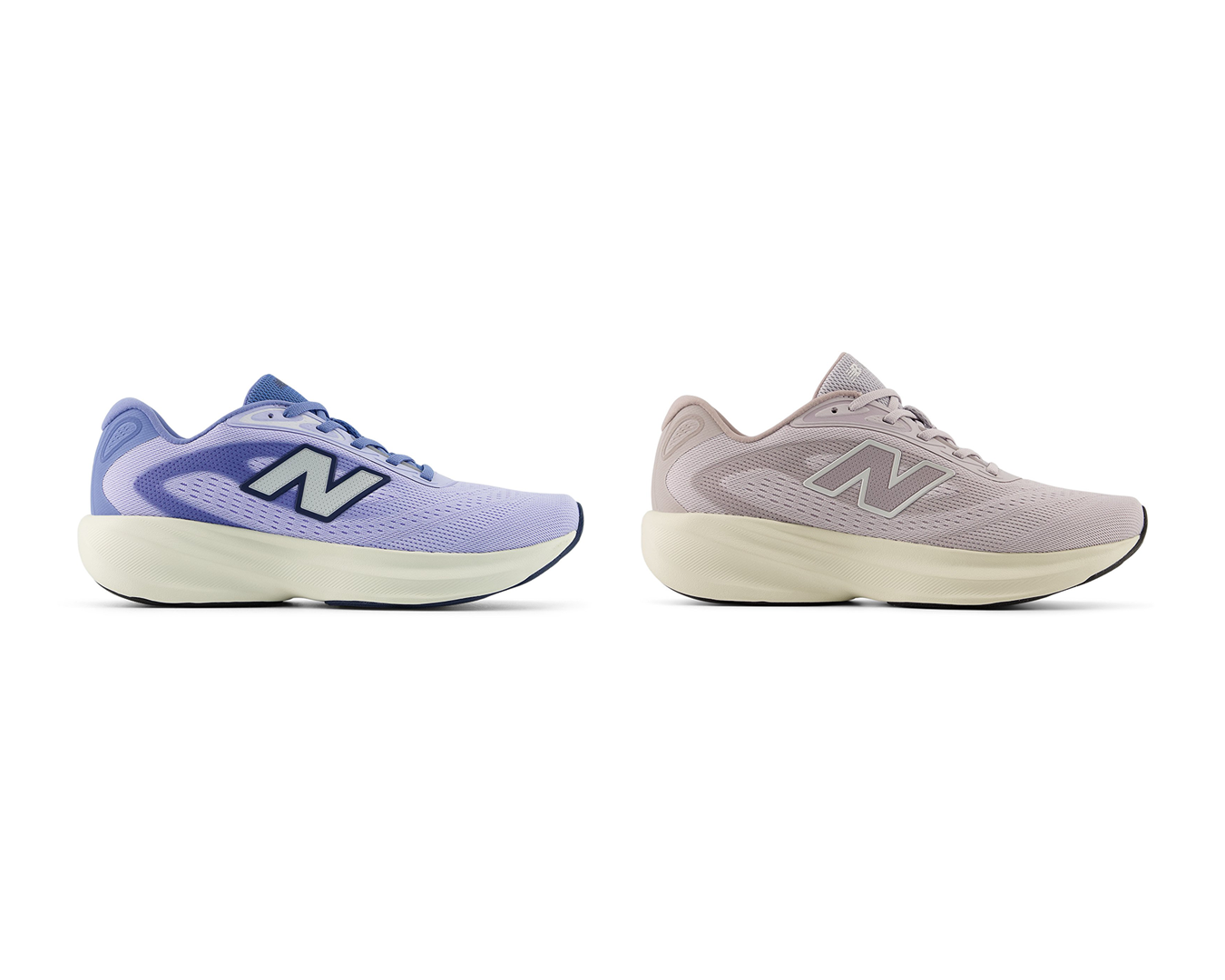
The new Infinion foam debuted in the 1080v15. Replacing the previous Fresh Foam X, the brand emphasizes its improvements in cushioning, responsiveness, and energy return.
The Fresh Foam line centers on a comfortable fit and cushioning. It includes the More v6, which emphasizes high cushioning; the Ellipse, aimed at everyone from beginners to runners doing recovery runs; and the 680v8 and 520v9, focused on everyday running.
From the FuelCell line, the Rebel v5 is a model weighted toward responsiveness. Using a PEBA-blend midsole while keeping a flexible construction without a carbon plate, it is designed for both everyday training and faster runs.
EDITORIAL SMALL TALK
New Balance carries its heritage forward through the 990, while proposing new midsole technologies and a range of uses in its running line. Expanding its technology and product range while maintaining its existing signatures is serving as one of the pillars of the brand's growth.