How Fashion Made Its Way into Food Culture
AMI Paris's collaboration with a traditional brasserie, and why fashion chose a food culture space.
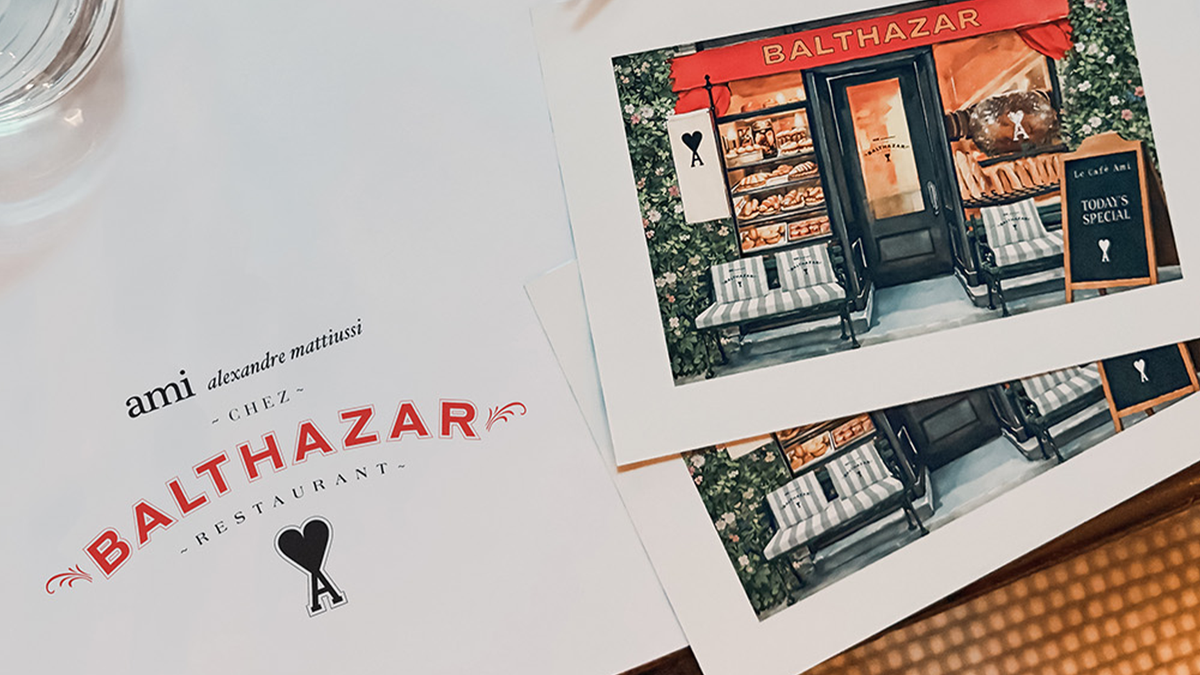
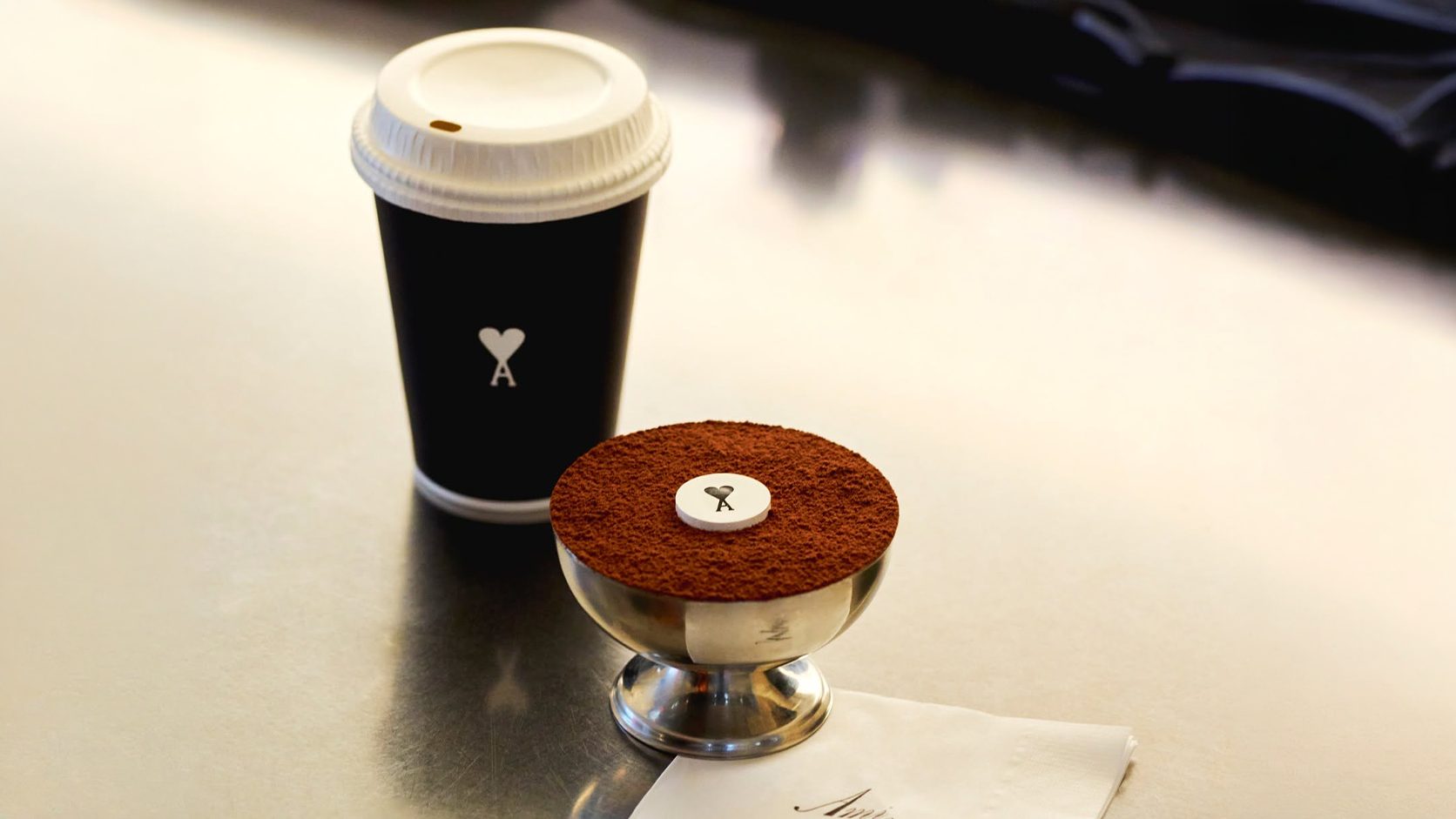
AMI Paris has staged a month-long collaboration with a traditional French bistro and brasserie space. Since designer Alexandre Mattiussi founded it in 2011, AMI has put forward the friendly values of "Les Garçons d'Alexandre" (Alexandre's friends), and through this partnership, it has transplanted its brand identity into one of the most everyday and symbolic spaces of the Parisian lifestyle.
AMI has steadily expanded its territory, from FW outerwear with Moncler and sportswear with Puma to a capsule with French rugby player Antoine Dupont. We analyze why it chose a food culture space, the "brasserie," of all places, and the brand strategy and business context behind it.
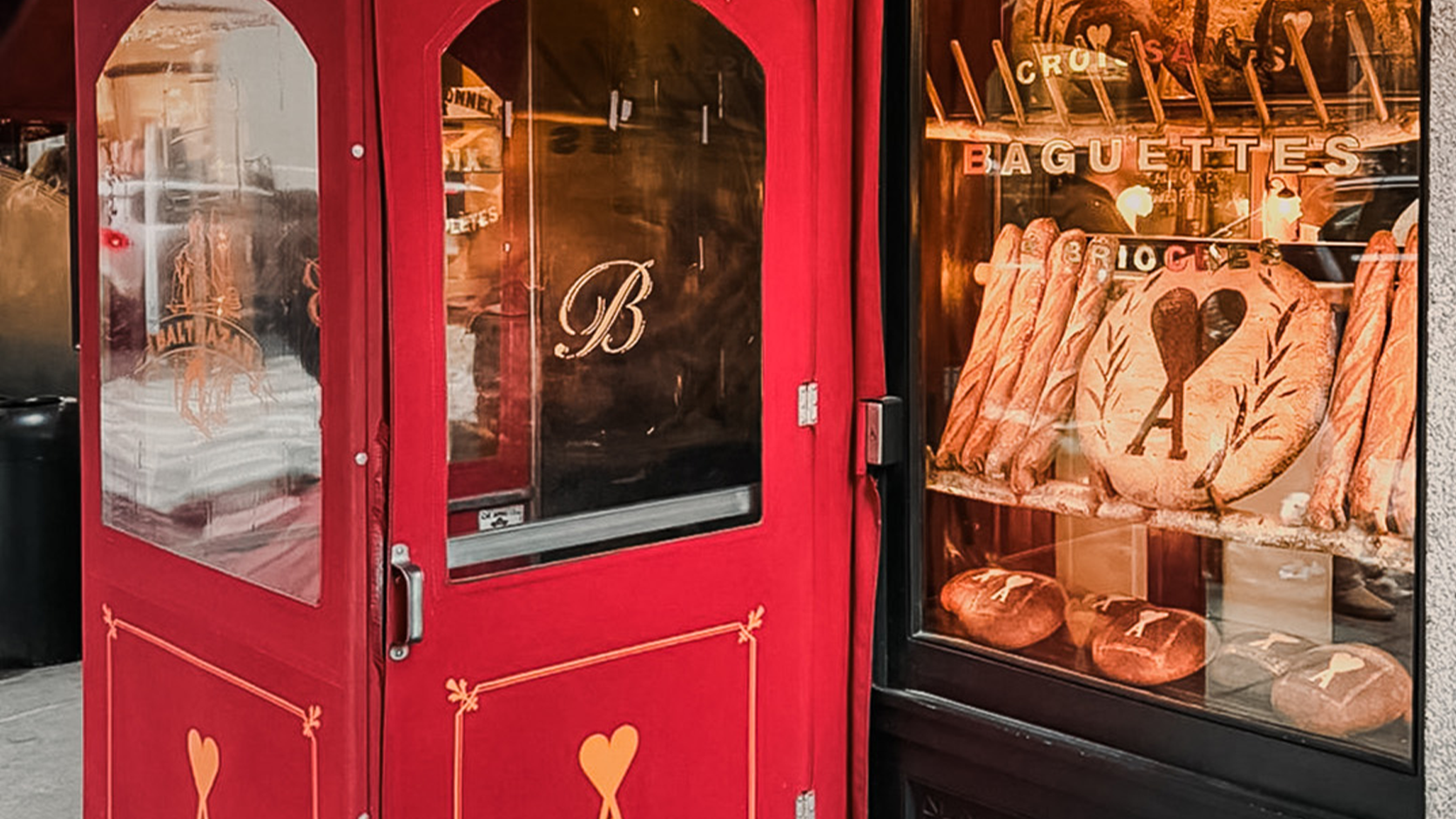
Why Fashion Chose the "Brasserie"
While big brands pour capital into giant pop-up stores or large flagship stores, AMI turned its attention to dining spaces where people gather to enjoy coffee and meals.
- The epitome of Parisian identity: A brasserie isn't just a restaurant; it's a core hub of Parisian daily life where conversation, leisure, and cultural exchange happen. Through this space, AMI completed its storytelling: "We are not just a clothing brand, but a brand that conveys the Parisian way of life."
- An experience based on all five senses: Going beyond the simple purchase experience of trying on clothes, it was designed so that visitors naturally absorb the brand through the brasserie's atmosphere, food, drinks, and the warmth of the space.
Layering Everyday Aesthetics Beyond the Pop-Up Store
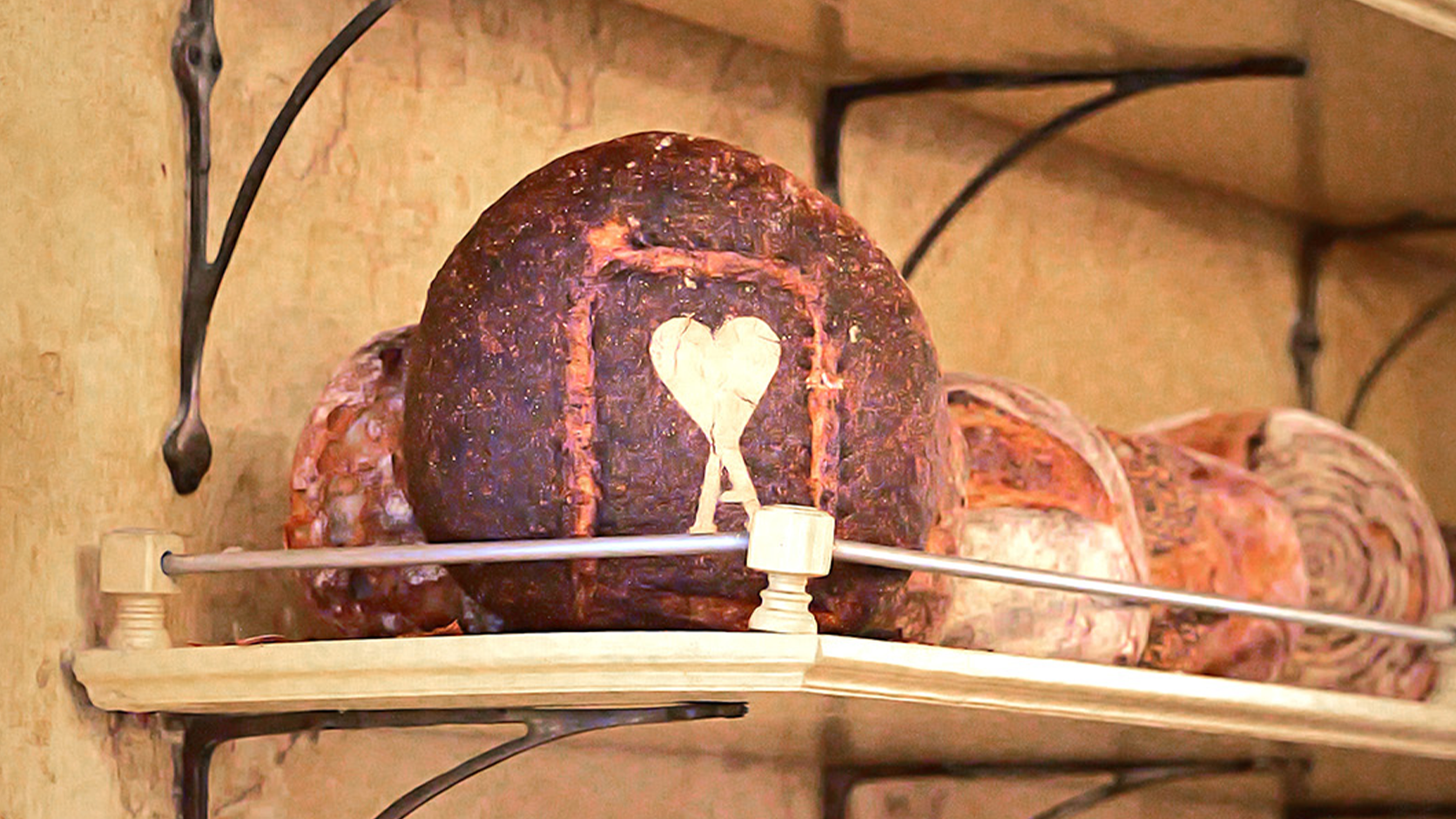
This partnership went beyond a temporary rental aimed at selling products. It naturally blended the house's aesthetics into the space's distinctive architectural heritage and the entire dining experience.
- Fine touchpoint details: AMI's signature sensibility was neatly transplanted into every element visitors encounter, including the traditional brasserie's tablecloths, menu design, service staff uniforms, coasters, and linen fabrics.
- Reconstructing everyday intimacy: Having consumers experience the brand's world firsthand while enjoying an espresso or a meal restores a psychological intimacy that conventional offline stores can't provide.
Luxury Contemporary's Strategy for Securing Intimacy
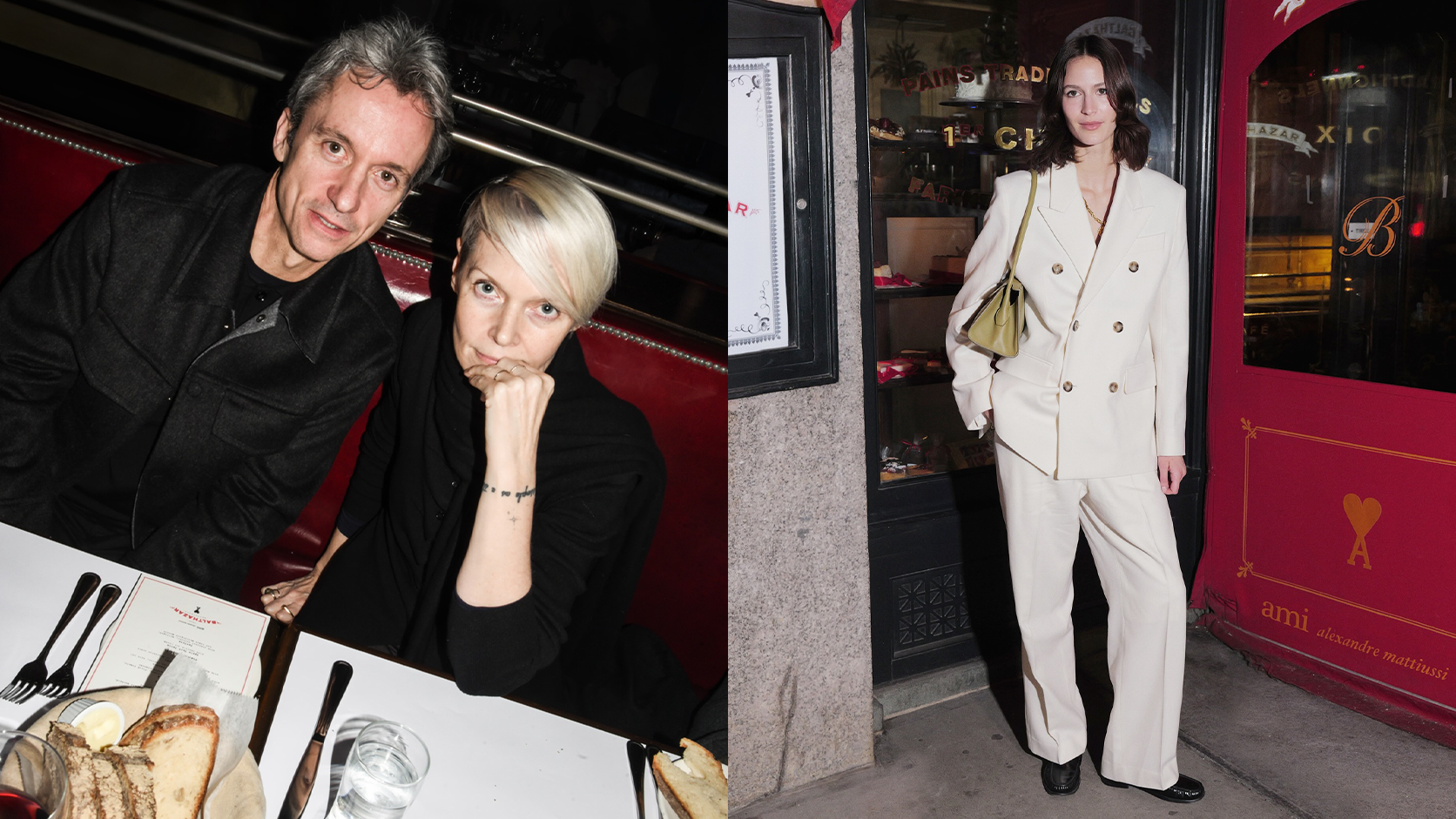
For AMI, which has continued its standout growth in the high-end contemporary market, one important challenge has been reducing the psychological distance consumers may feel as the brand grows in scale.
If glamorous fashion shows and luxury stores show a brand's stature and authority, a collaboration with a familiar neighborhood brasserie narrows the physical and emotional distance with customers. It's a smart repositioning strategy: the bigger the brand grows, the more it reaches into everyday touchpoints to maintain a deep bond with consumers.
💡 EDITORIAL SMALL TALK
The AMI Paris and brasserie collaboration is a sophisticated example of storytelling in which a fashion brand absorbs a hospitality space to heighten the density of its brand experience. The strategy of choosing as a partner the food culture space most closely tied to consumers' daily lives, instead of a glamorous stage, becomes powerful business momentum that secures the authenticity of the lifestyle a brand proposes and further deepens its bond with its target community.