ROKH and GU's Fifth Collaboration
The collaboration structure between a Korean designer and global retail.
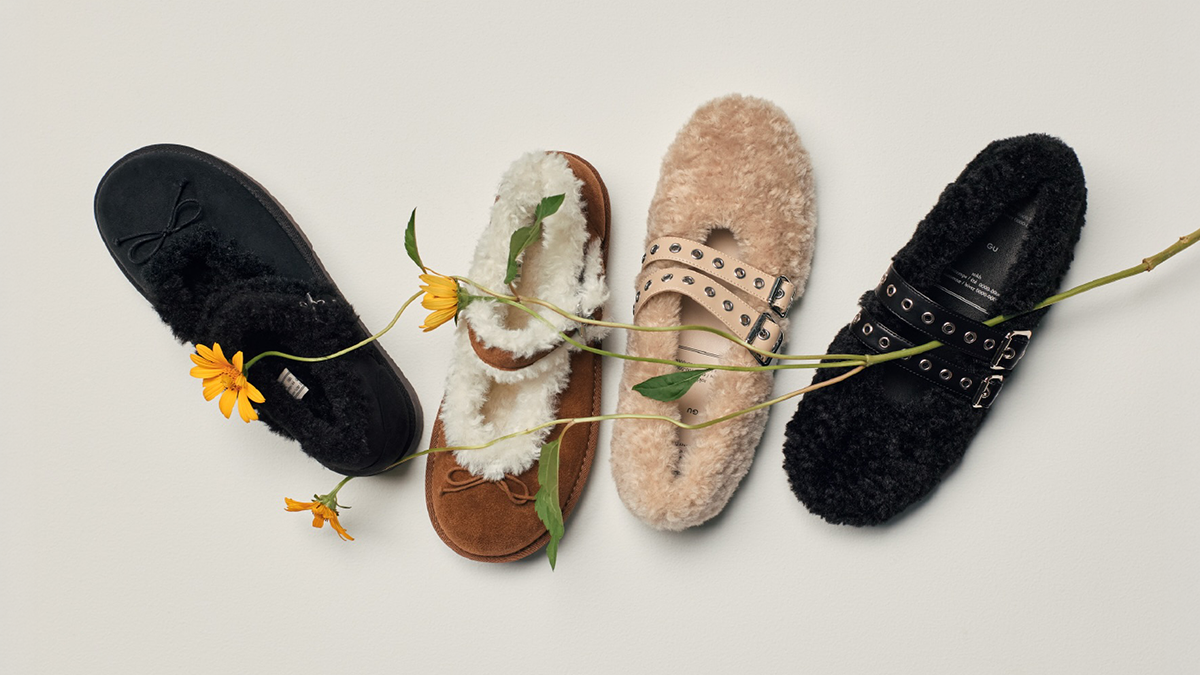
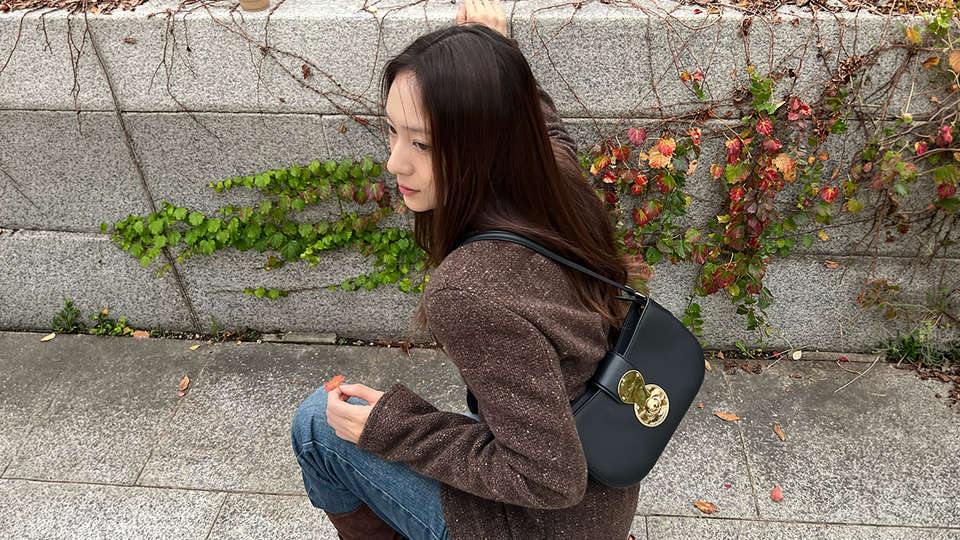
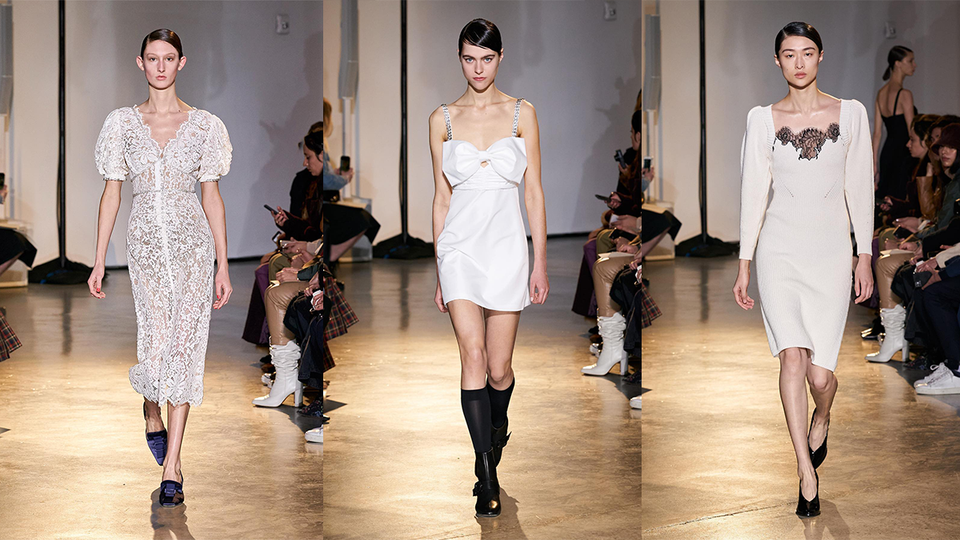
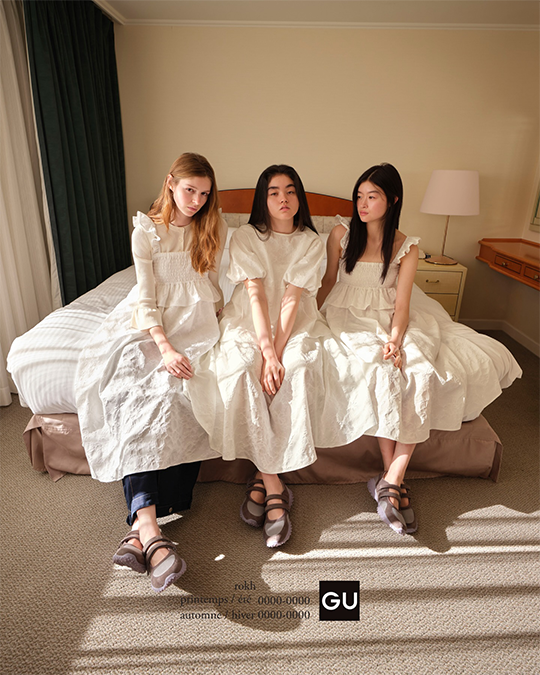
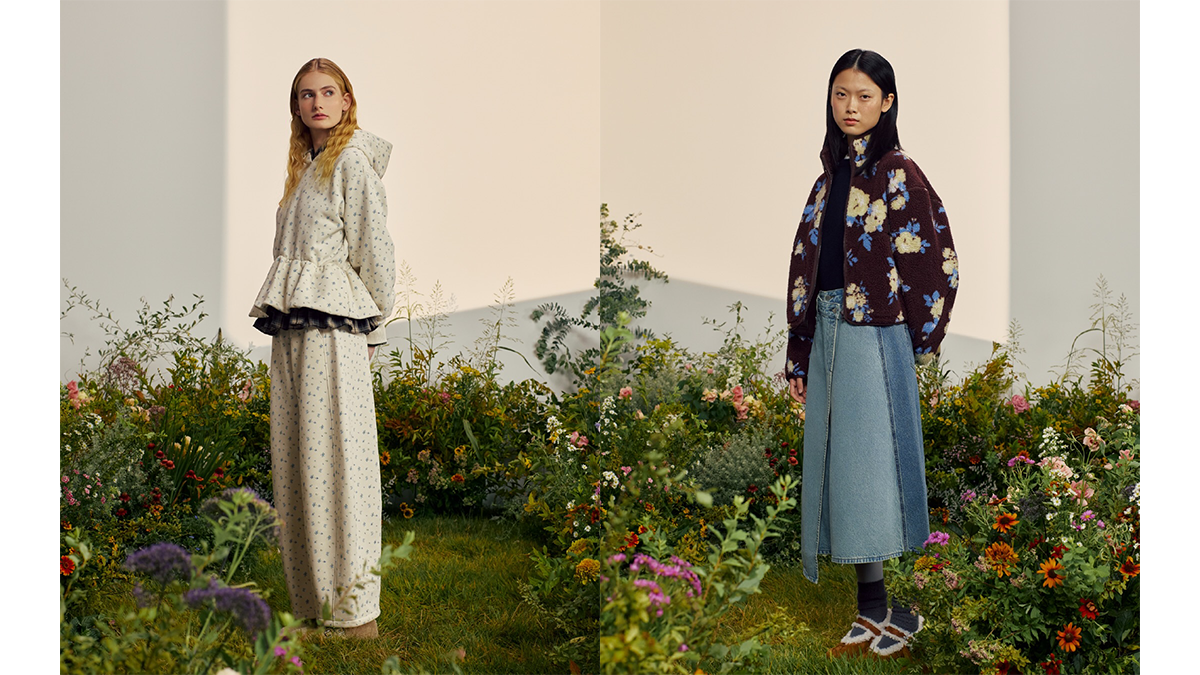
GU, Uniqlo's sister brand, launched "Play in Style," its 2026 F/W capsule collection with London-based designer brand ROKH, in Japan on October 5.
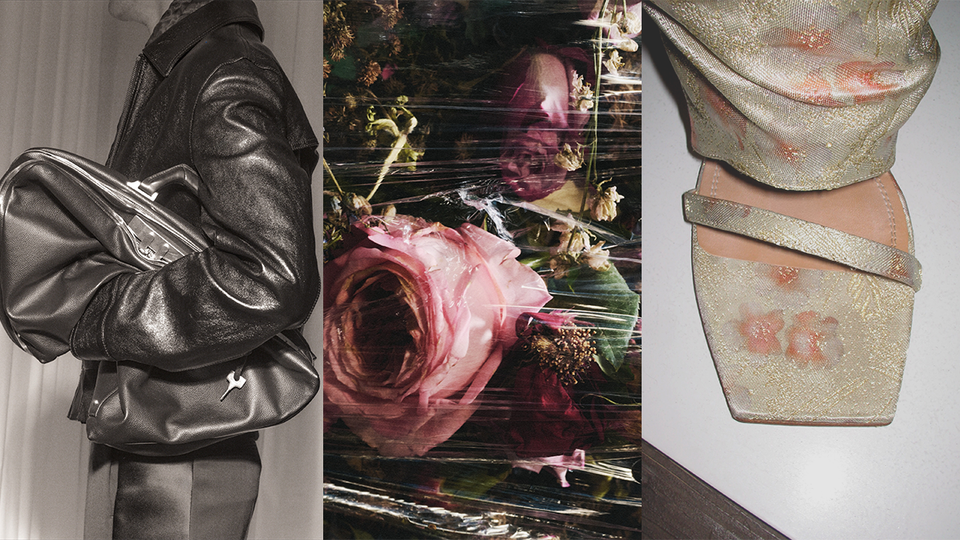
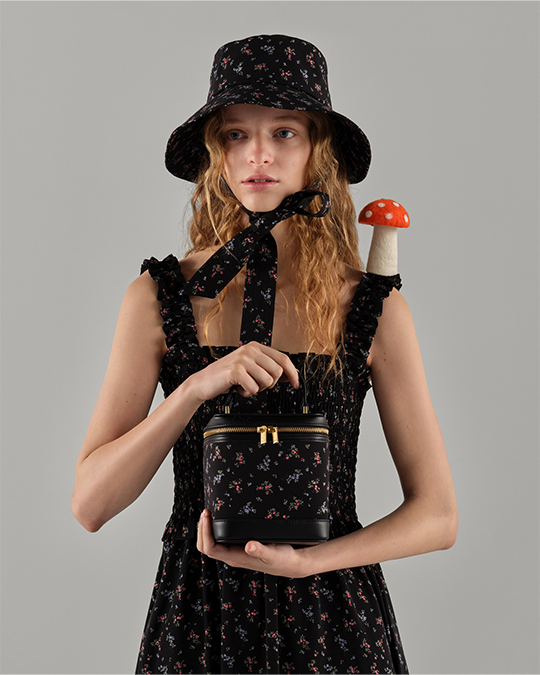
From floral-print jackets to ribbon quilting and patterned knits, the lineup translates ROKH's signature tailoring and playful layering into GU's accessible price range. "Play in Style" isn't just the name of this collection; it's the ongoing concept of a collaboration the two brands have continued over several seasons. What's most worth noting about this project is less the design and more the number "fifth."
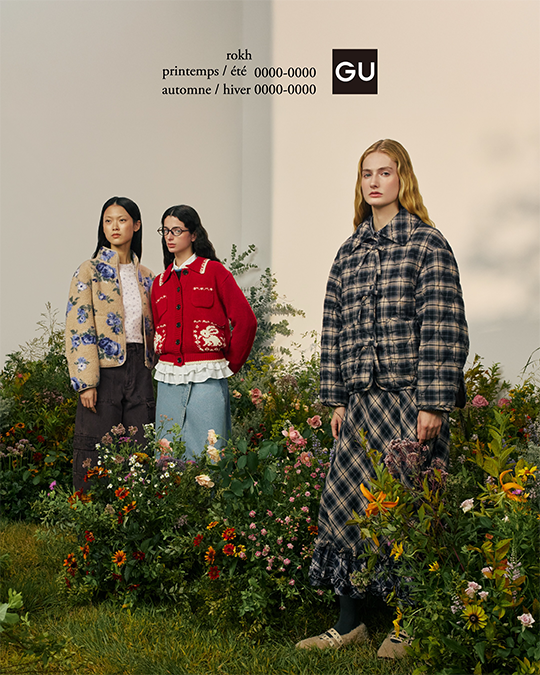
What the Number Five Means
This is the fifth collaboration between GU and ROKH. Based on Japanese releases, it has continued without skipping a spring or fall season, from 2024 F/W through 2026 F/W.
Collaborations between fast fashion and designers are often rolled out as a way to generate a single season of buzz. By contrast, the fact that this collaboration has continued over five seasons, with its product range expanding from womenswear to a men's line, shows that it's operating with a structure different from a simple one-off event.
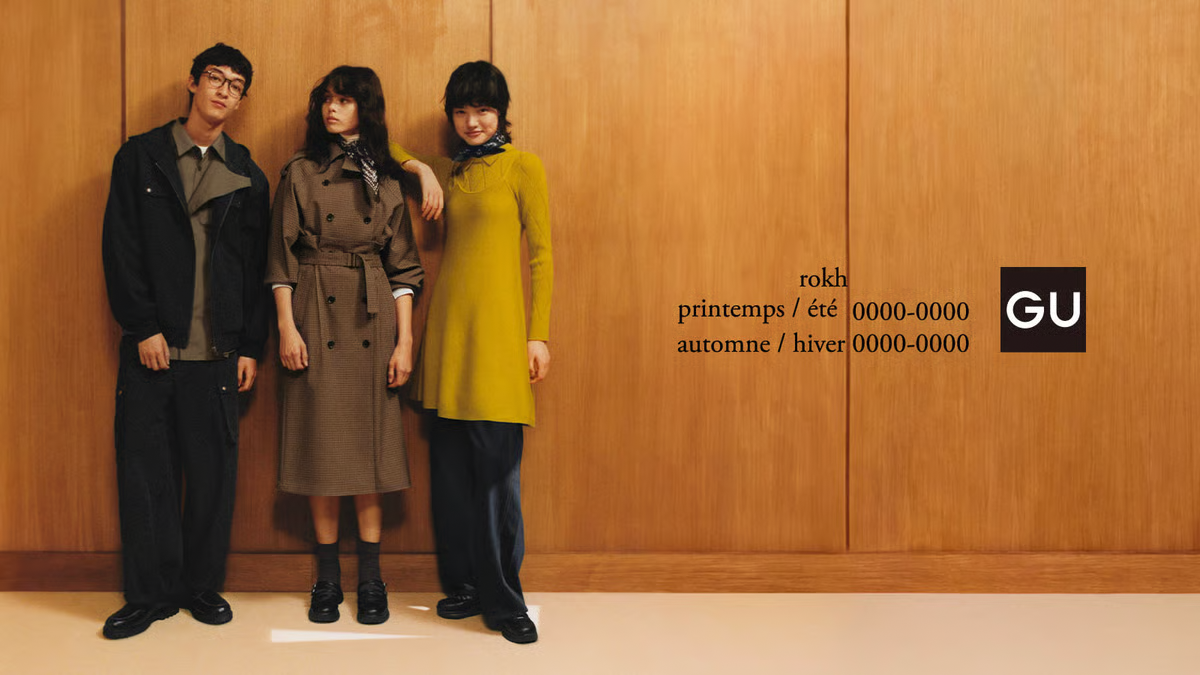
Looking at the history, the flow is clear. Starting with the first collaboration in fall 2024, it added its first men's line in spring 2025, then expanded in fall 2025 to a men's fall/winter collection. From there, it continued through spring 2026 to this fall 2026 release.
The repeated use of the same "Play in Style" concept is also worth noting. As the collaboration's name and design language accumulate season after season, it is settling into an ongoing capsule format.
Sensibility Built on the Global Stage Meets Accessible Pricing
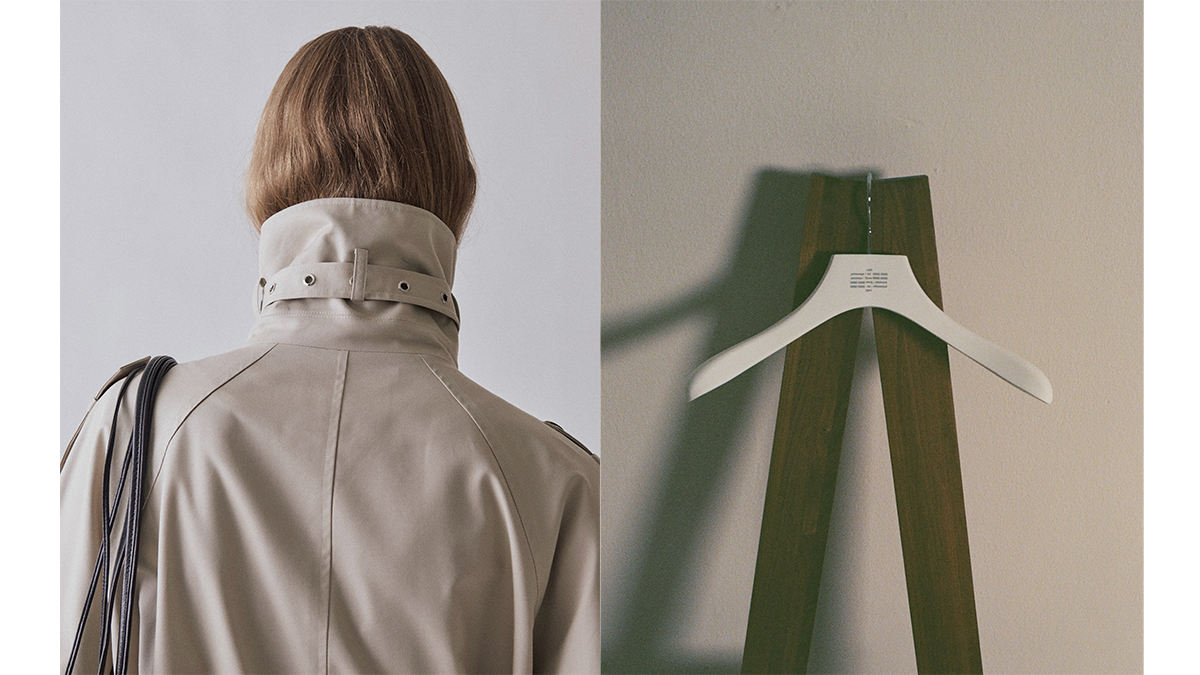
ROKH is a London-based luxury contemporary label led by Korean-born designer Rok Hwang. Rather than launching in Korea, it's a case of a brand that grew from a London base and built its position in the global fashion market.
The fact that ROKH has become an ongoing collaboration partner for GU, a global fast-fashion brand, is meaningful. It shows that the tailoring and design language a designer brand has built can be translated into a workable form even within accessible price points and product structures.
An Exchange Structure Trading Different "Markets"
ROKH is already a brand established in the global market from its London base. So this collaboration should be seen less as a simple "reach expansion" and more as a structure connecting different markets.
For ROKH, it creates a touchpoint with customers at accessible price points, beyond its existing high-end target. GU, in turn, strengthens its design competitiveness by combining a luxury designer's refined construction and brand image with its products.
It's a structure in which luxury crosses into a broader price range and fast fashion into higher design sensibility, each entering the other's territory.
In the end, this collaboration is less a case of one side unilaterally filling the other's gaps and more an exchange in which each opens up to the other a customer base it previously found hard to reach. That's also where the reason it has continued to a fifth season can be found.
The Gap in Korean Retail and Its Implications
From the perspective of Korean buyers, there's another point worth noting. This collaboration is actually difficult to purchase through official channels in Korea.
GU entered the Korean market in 2018 but withdrew from its offline store business in Korea in 2020. With no official retail channel in Korea at present, this collaboration is also being rolled out in overseas markets, starting with Japan and including the US.
The sensibility of a Korean-born designer is being repeatedly validated in the global market, while Korean retail has no channel that can carry it directly. It's also a case that shows the gap between Korean designers' influence in the global market and the domestic distribution environment.
💡 EDITORIAL SMALL TALK
The fifth collaboration between GU and ROKH carries meaning beyond a simple collab. ROKH secures customers at accessible price points, while GU secures a designer brand's sensibility, as each crosses into the other's market.
It's also worth noting that a Korean-born designer's sensibility is connecting, by way of London, to Japan's mass market. Going forward, it's worth looking not at a collaboration's buzz but at which markets and customers it connects.