From Manufacturer to Brand: TUOMIO's Growth Formula
Four strategies behind TUOMIO's growth into a K-contemporary brand.
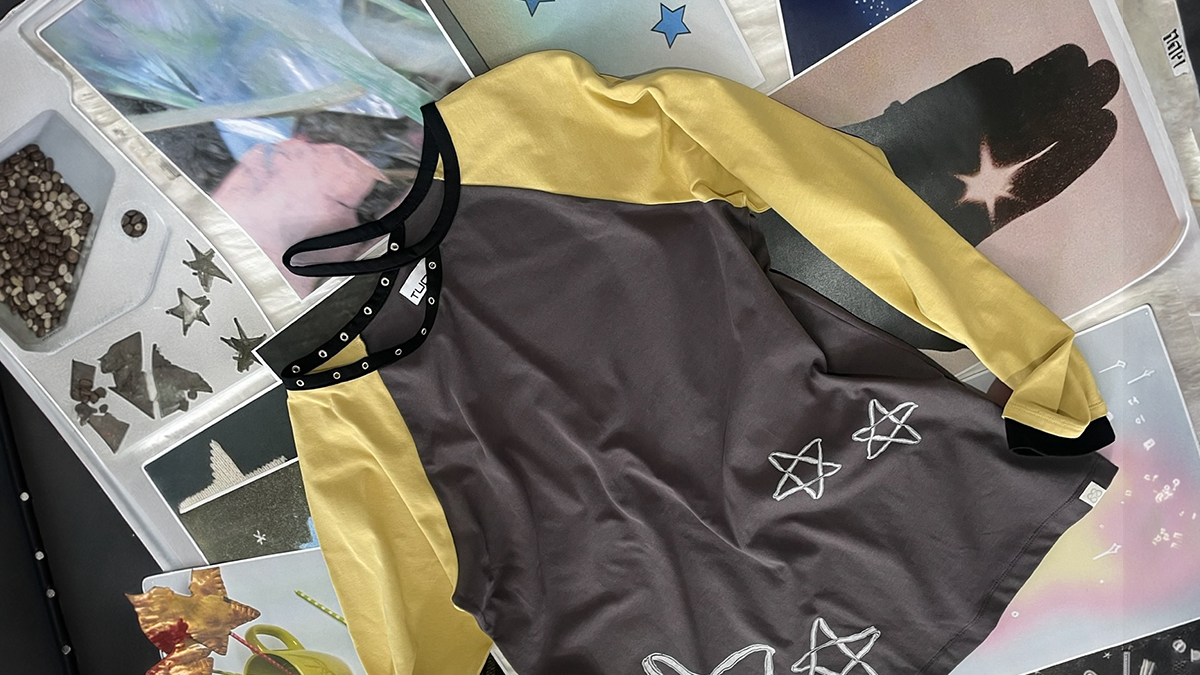
From aespa's Ningning and (G)I-DLE's Minnie to NewJeans' Minji, one brand has recently been making a name for itself as K-pop girl group members wear it: TUOMIO. But TUOMIO's parent company isn't a fashion brand. It's Hansoll Textile, which has manufactured and exported apparel globally for more than 30 years. How did a company that made clothes create its own brand and expand beyond K-pop into overseas markets?
We look at TUOMIO's growth through four strategies.
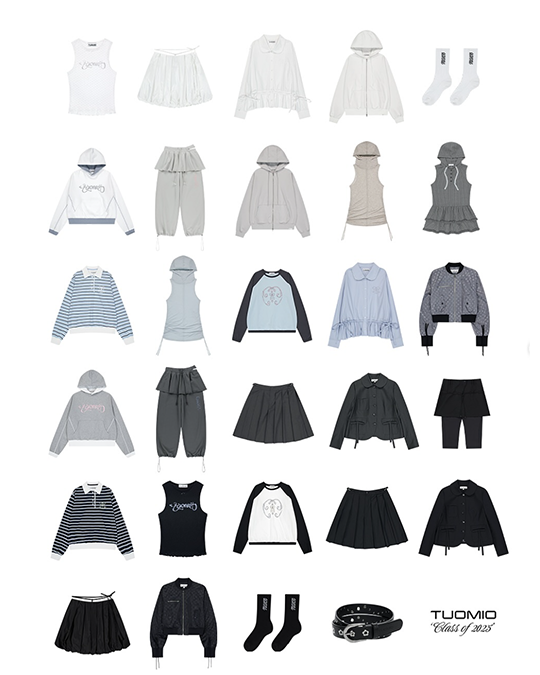
1. Turning Manufacturing Infrastructure into Brand Competitiveness
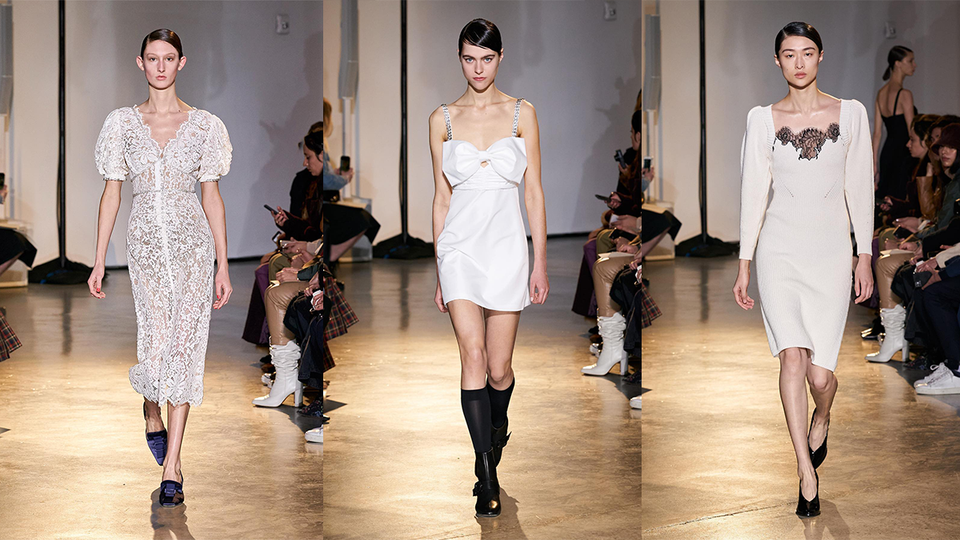
The more a fashion brand grows, the more important manufacturing capability becomes for responding to fast production and reorders. TUOMIO started out on the foundation of the production infrastructure of Hansoll Textile, a global apparel manufacturing and export company with more than 30 years of history. Hansoll Textile established its OBM division in 2021, launched TUOMIO in 2022, and carried out a rebrand for the FW23 season.
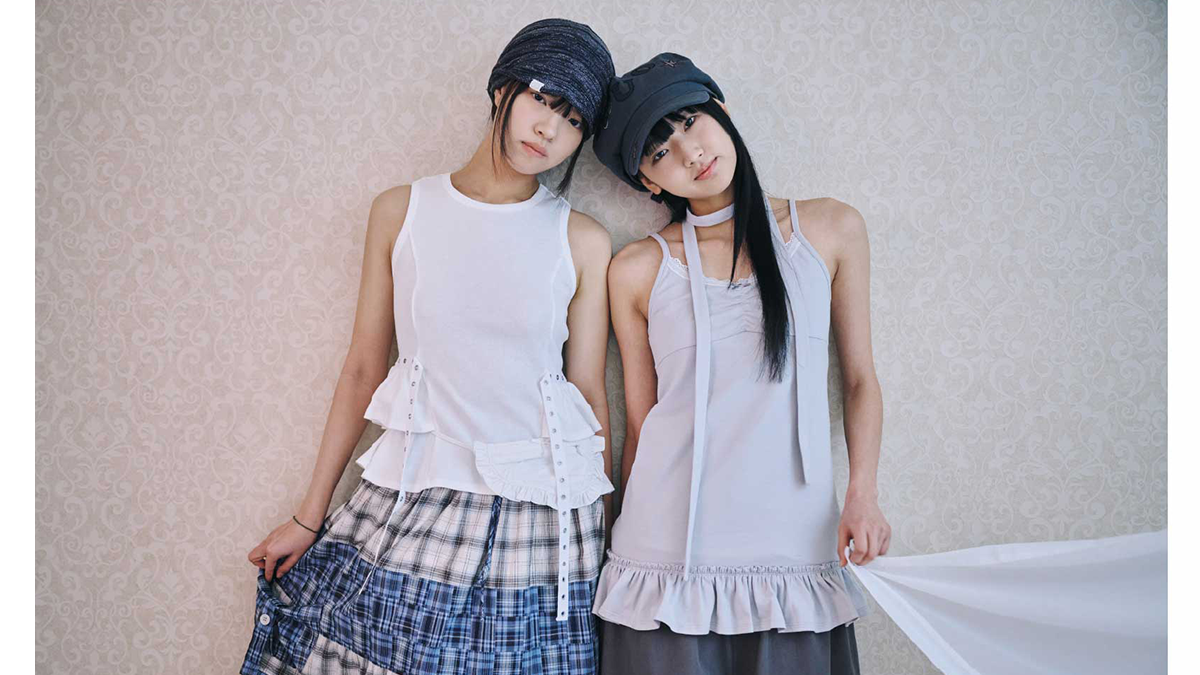
Its point of difference is the ability to use its existing sourcing and production network to respond to production and reorders based on market response. Already having the production base that emerging brands need to build as they grow, TUOMIO turned manufacturing capability into brand competitiveness.
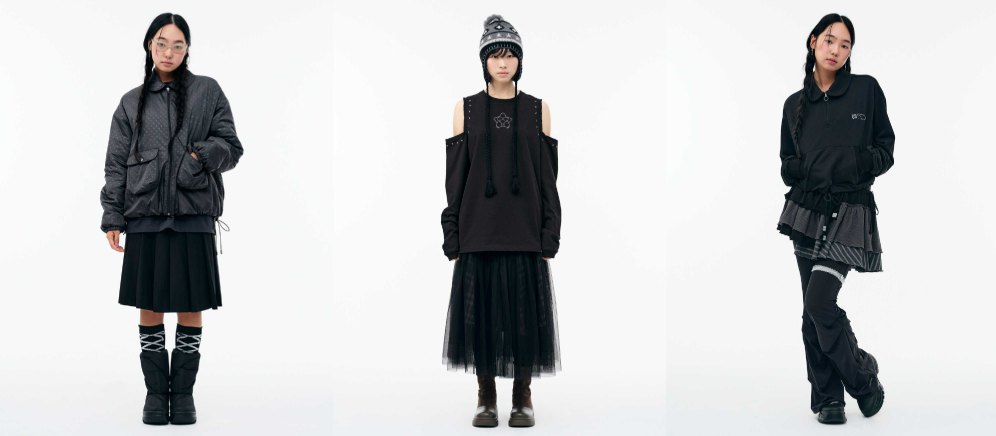
2. Expanding from "Soft Girlcore" into Collaborations
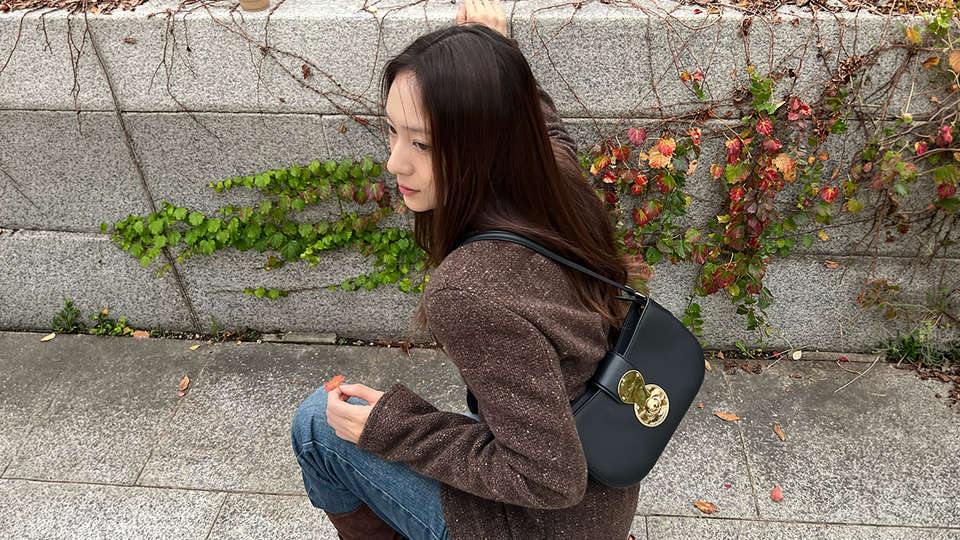
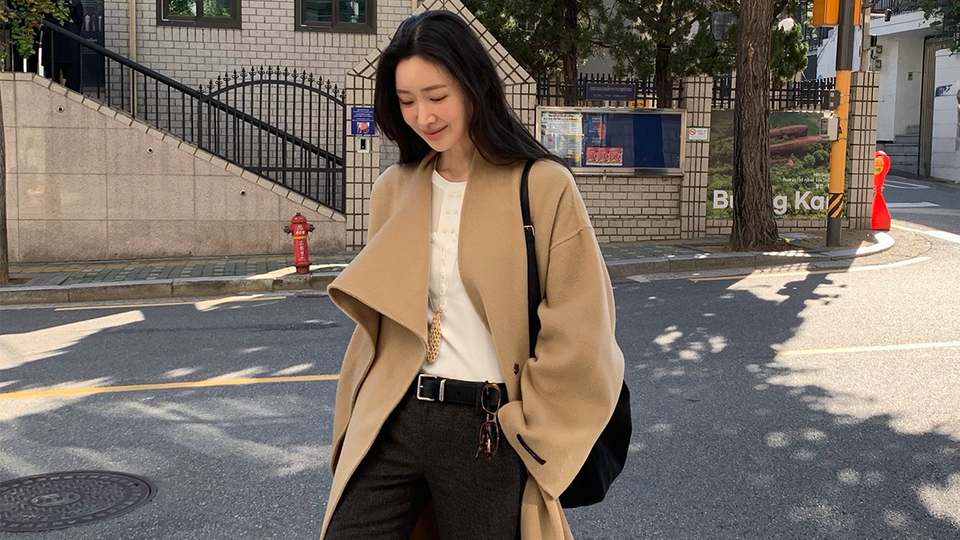
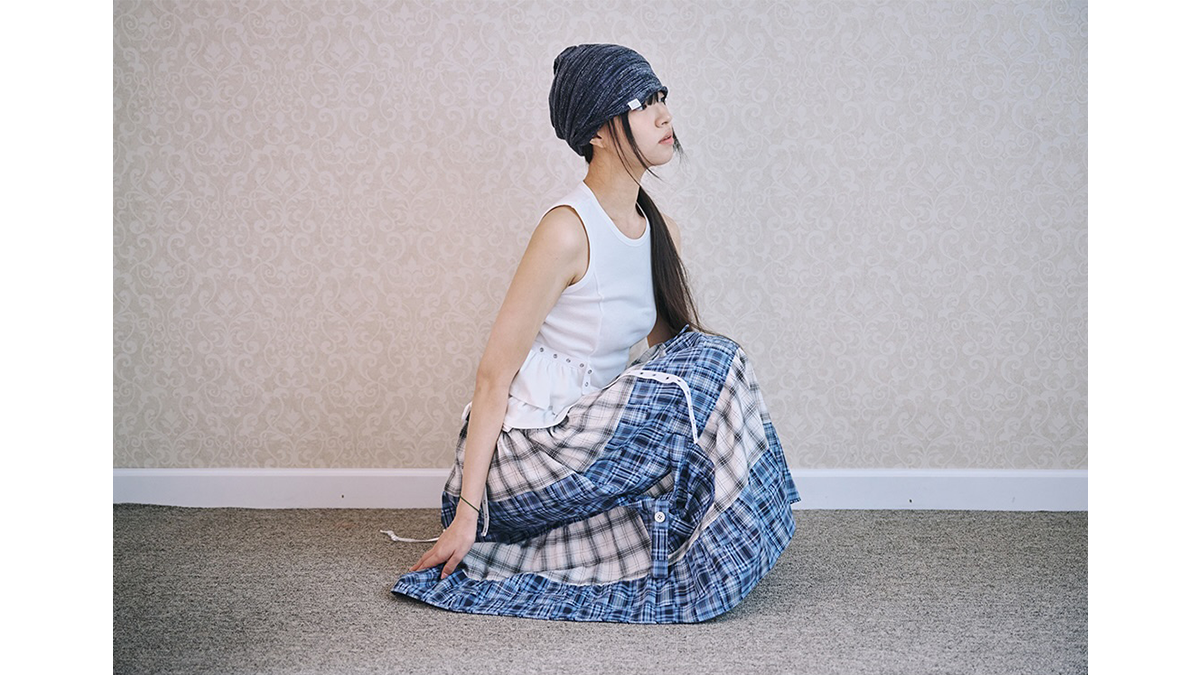
A brand isn't built on a production base alone. TUOMIO built its design language around "Soft Girlcore," drawing its motif from Japan's mori girl sensibility. Its style, centered on comfortable materials, flexible structures, and layering, led to signature items. The "Star Button Field Jacket" sold out its initial run within three weeks of launch, and the "Washed Belt Bag Pants" also went into additional production.
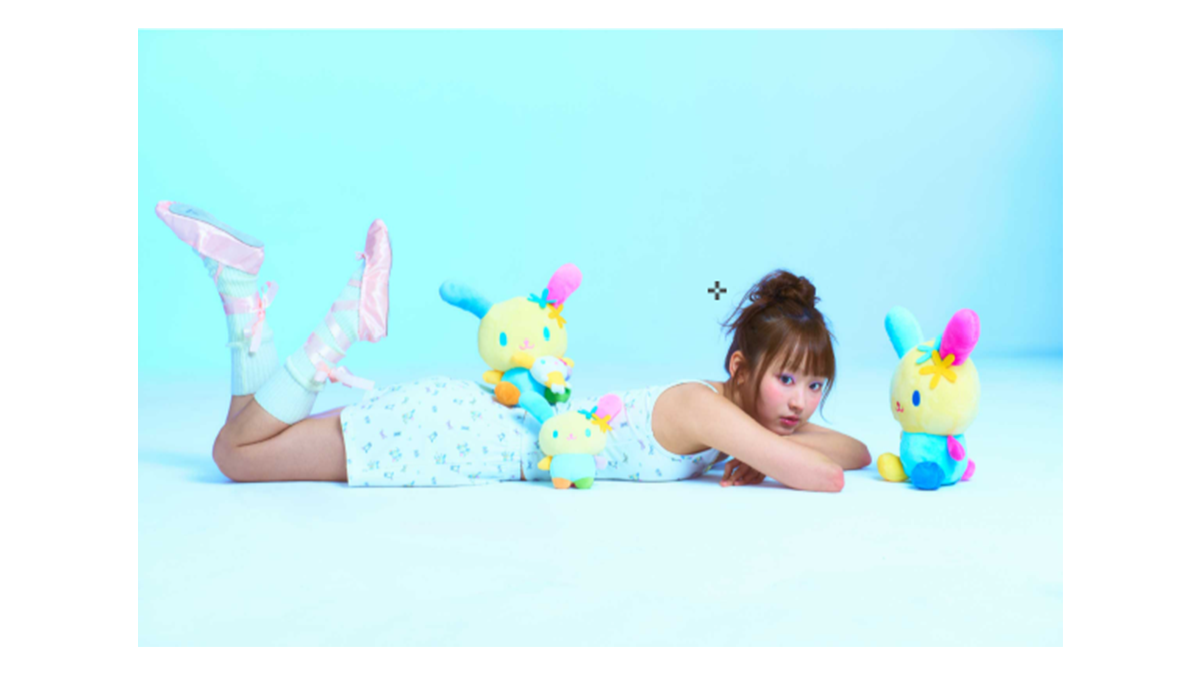
It also rolled out collaborations using character IP. By combining popular characters with the brand's existing style, it created new consumer touchpoints. Revenue grew 200% year over year in 2024, and in the first half of 2026, it grew 60% compared with the same period last year. TUOMIO is widening the range of customers it reaches through collaborations while maintaining its distinctive style.

3. Connecting Idol Wear to Brand Awareness
Another pillar that expanded TUOMIO's recognition is K-pop artists. Members of many girl groups, including NewJeans, IVE, aespa, Billlie, VIVIZ, and STAYC, have worn TUOMIO. The exposure channels are varied as well, from broadcasts to concerts and events. Idol wear becomes content once again through fandoms and social media. It's a structure that builds awareness of the brand while creating interest in individual products.
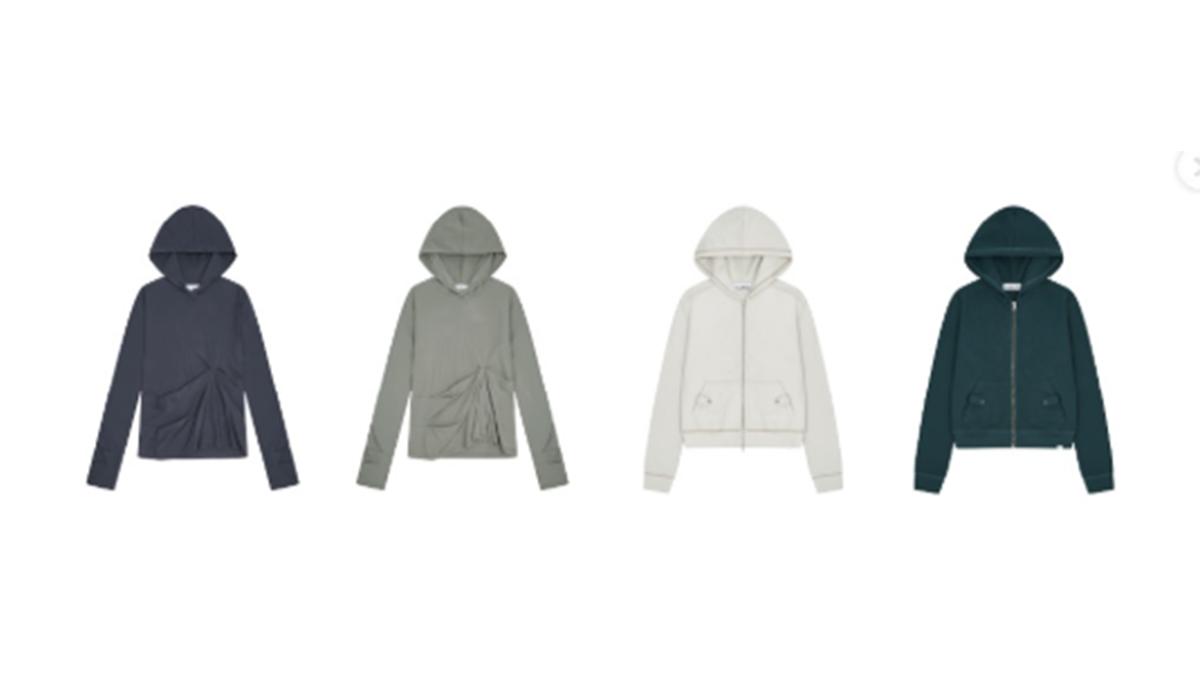
At the same time, TUOMIO is also adjusting its product direction. By gradually reducing kitschy elements and strengthening basic items, it is moving to broaden its customer base from those in their early 20s to those in their mid-to-late 20s.
4. Leveraging Its Manufacturing and Export Network for Overseas Expansion
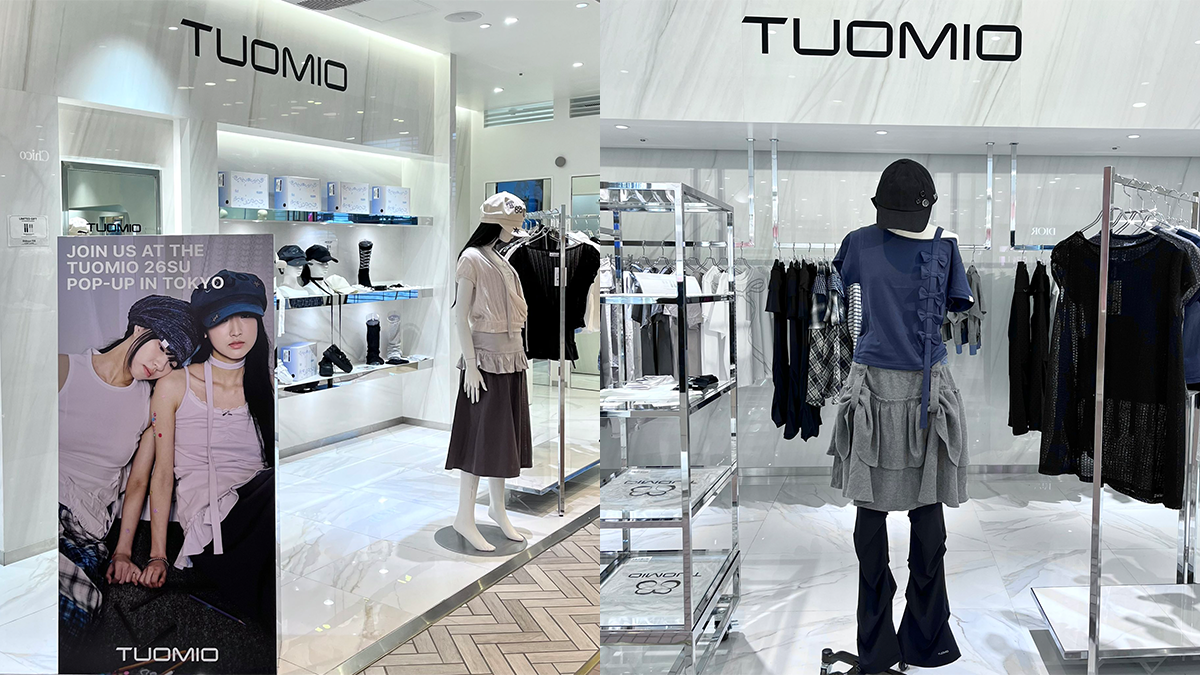
TUOMIO's next stage is overseas markets. In 2024, it opened at Xintiandi in Shanghai, China, and in June 2026, it ran a pop-up store at Shibuya 109 in Tokyo, selling through about 80% of the stock prepared locally in a short period. It is also rolling out wholesale distribution in Japan.
Discussions with major Asian retailers, including in Taiwan, are also ongoing. In this process, the global network Hansoll Textile has built over many years is being put to use. It's a structure in which the market experience and network accumulated through overseas manufacturing and exports lead to the distribution expansion of its own brand.
💡 Fashion Business Insights
Brand planners: From a clear concept to step-by-step expansion
For a new brand, rather than targeting a broad customer base from the start, it's worth considering first securing customers with clear tastes. Like TUOMIO, this means creating the brand's first impression through a single, distinct concept. Then, once signature items and awareness have built up, you can broaden the lineup. It's a strategy of expanding into new age groups by adding basic items.
Buyers and MDs: Look at the supply structure along with product appeal
When sourcing emerging brands, it's necessary to look not only at product appeal and buzz but also at the production structure. In particular, the ability to respond to reorders for popular products can be an important factor to review. Brands with a stable production network can respond quickly when demand arises. It's an approach that checks supply stability along with product completeness.