The Opportunity Brands Found in Tennis
Ambassador strategies brands use to own the tennis court, on and off, and the business insights behind them.
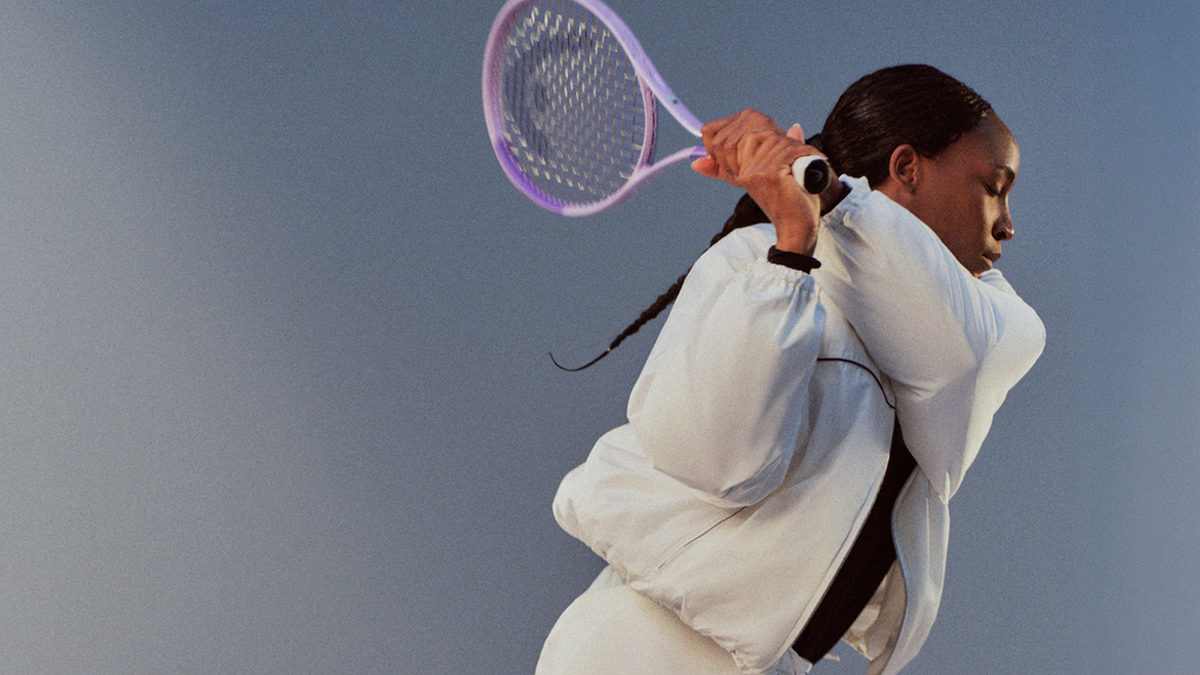
On August 23, Fan Week for the 2026 US Open kicked off in New York. The men's and women's singles main draw begins in earnest on August 30, but fashion brands' battle for the spotlight has already started off the court.
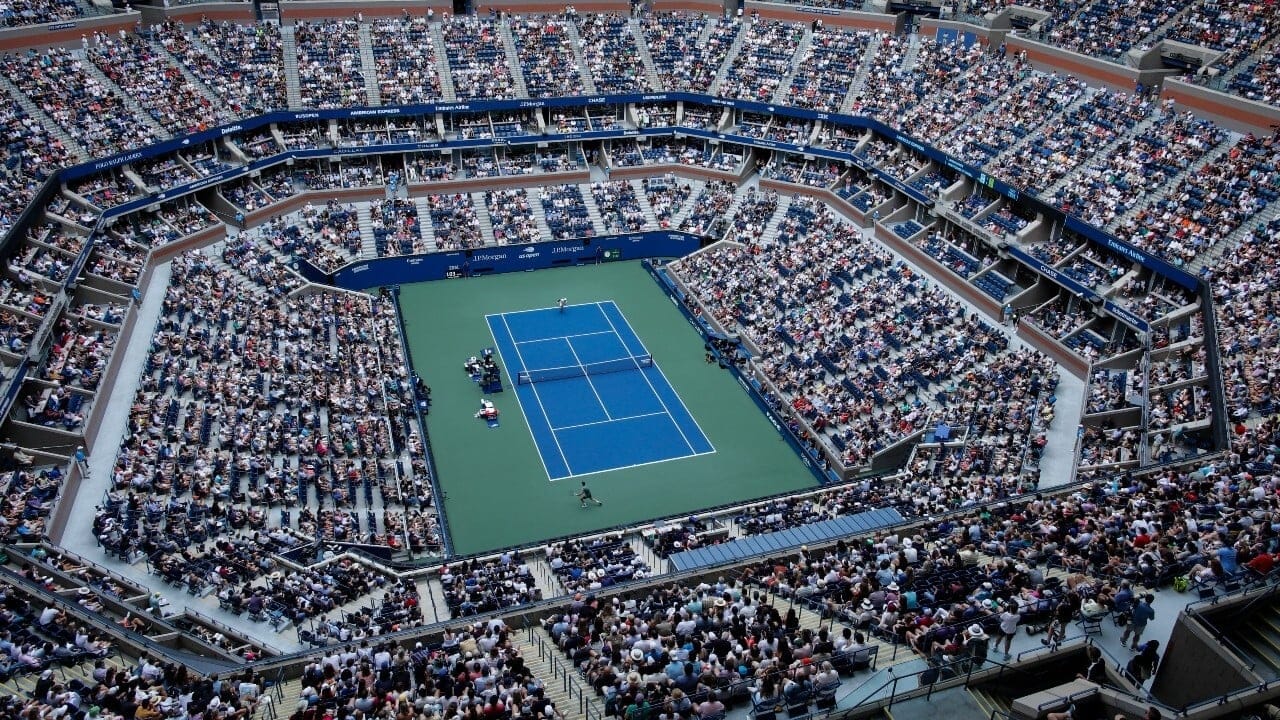
Drawing more than 1.14 million spectators over three weeks and generating media impact value (MIV) of about $810 million (+51% year over year) as of last year's tournament, the US Open now functions as a massive cultural platform where fashion, celebrities, and lifestyle experiences converge, going beyond a simple sporting event.
On this stage, the marketing that global luxury houses carry out doesn't stop at one-off collaborations or one-time sponsorships. It's closer to the work of turning the stories they've built with players and tournaments throughout the season into a single, finely crafted piece of brand content within a world-class sporting event.
By filling not only players' powerful on-court performances but also their off-court lifestyles and the atmosphere of the entire venue with their brands' visual language, they are using tennis as a window into the most refined luxury experience.
Why Tennis Became a Stage for Luxury Marketing
From a fashion brand's perspective, the US Open has a unique set of conditions.
First, New York itself is a global cultural hub dense with fashion, media, and entertainment. On top of that, players' matches, celebrities in the stands, and pre- and post-match interviews and social content are all exposed at once within a single event.
Also, unlike Wimbledon, the US Open has no all-white dress code, so players' match wear and accessories are relatively free to stand out. Cameras focused on players during matches become, from a brand's perspective, media that delivers repeated exposure for hours on end.
That's why tennis players no longer stop at being sports models who show off only their match wear. They are expanding into multifaceted brand touchpoints that show performance on the court and fashion and lifestyle off the court.
Gucci: A Four-Year Build-Up Completed Over the Long Haul
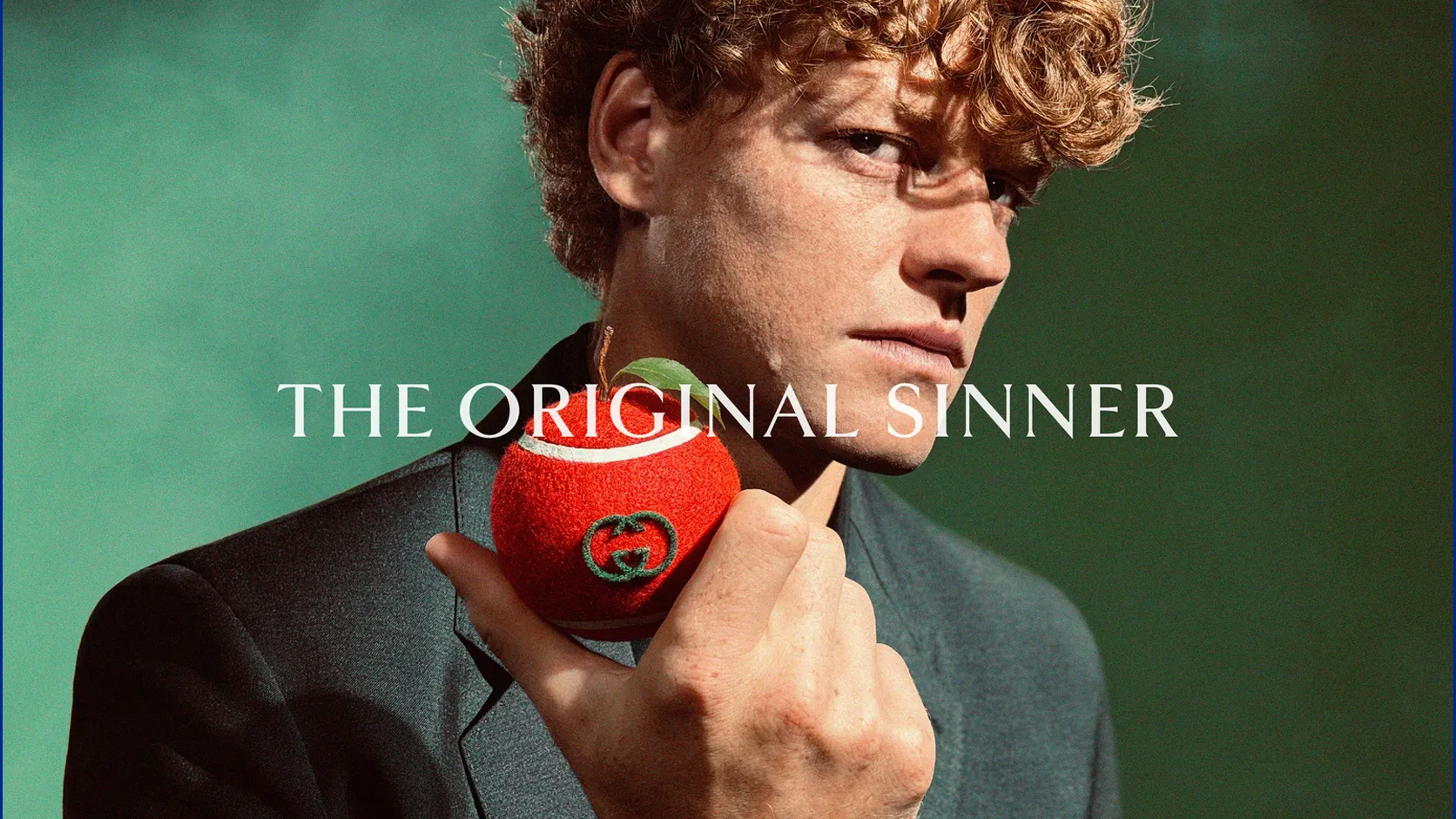
Gucci's tennis marketing has gone beyond one-off collaborations, unfolding over a long arc spanning several years.
The scene of Jannik Sinner walking onto the court at Wimbledon in 2023 carrying a custom Gucci duffel bag drew so much attention that it became an occasion for Grand Slam organizers to revise their rules on sports bags. Gucci didn't stop there; it also brought on Aryna Sabalenka as an ambassador, giving it top-ranked stars in both the men's and women's game and drawing attention on and off the court. As in the case of Sabalenka walking out at the Rome Open carrying a Gucci handbag in line with WTA guidance, you can see Gucci's distinctive approach of diversifying how its brand is exposed within the rules.
Louis Vuitton: A Strategy That Bets on "the Moment of Victory"
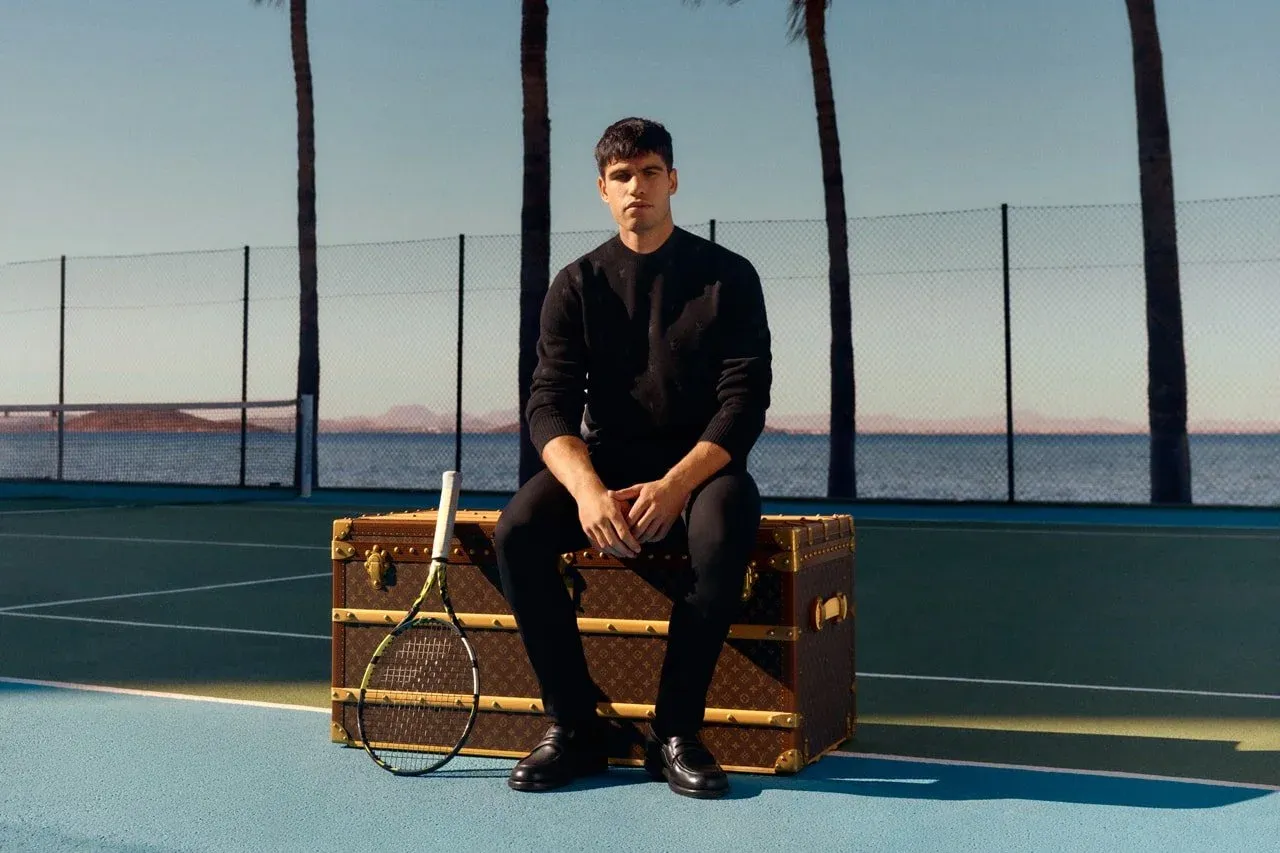
Rather than blanket exposure, Louis Vuitton shows a strategy of focus: choosing a strong title contender who aligns well with the house's signature.
By naming Carlos Alcaraz, the defending champion with a powerful fan base, as a house ambassador, it positions Louis Vuitton to represent the player's overwhelming energy at every decisive moment of victory.
It's a classic approach that naturally combines the house's long-standing craftsmanship and its tradition of trophy cases with the image of Alcaraz as a young champion.
Miu Miu: A Combination of Y2K Sensibility and Local Fandom
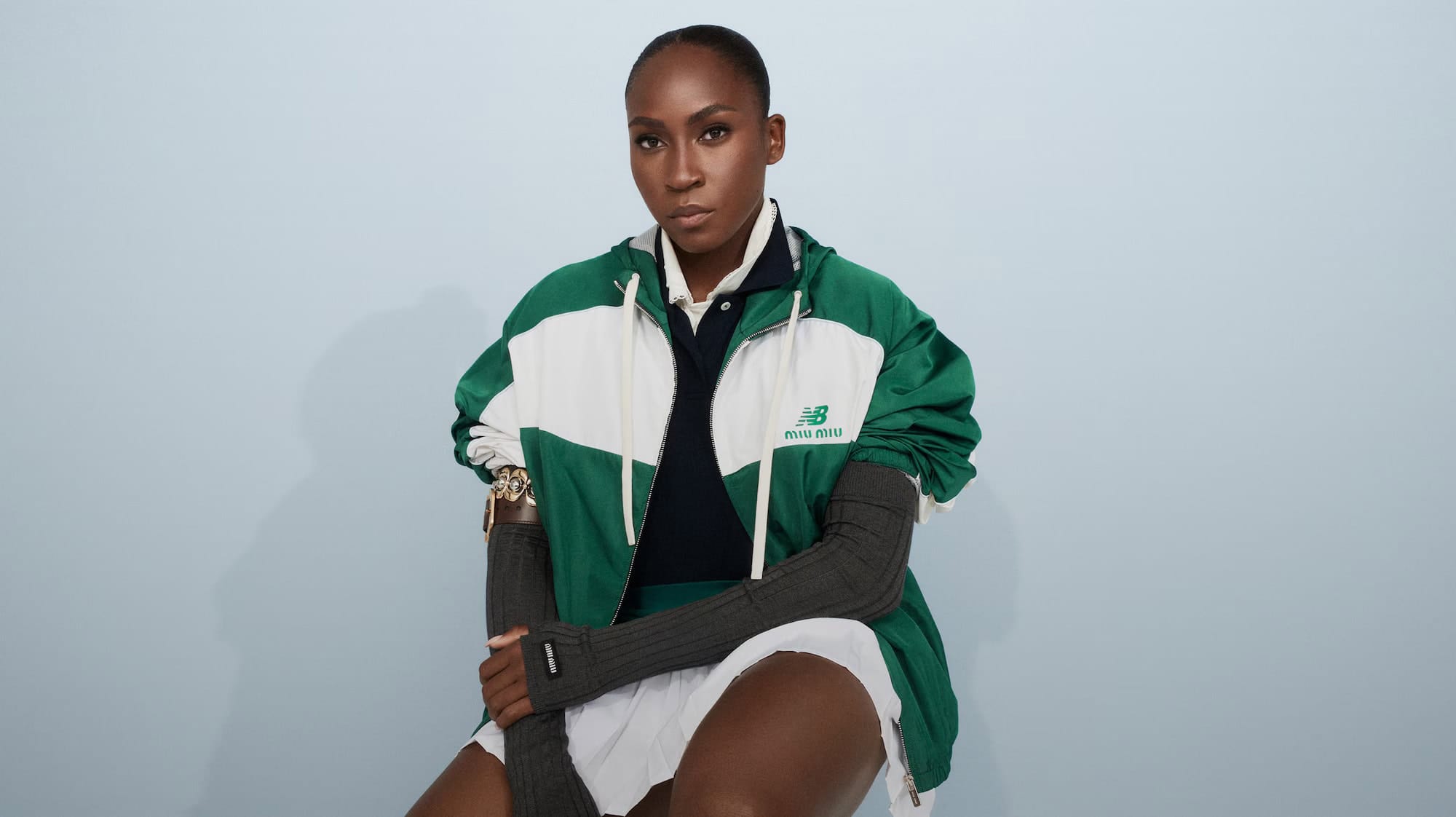
Miu Miu has teamed up with Coco Gauff, American tennis's leading star, who enjoys unwavering support from home fans.
Gauff's collaboration with Miu Miu is a case of extending a fashion brand's design language all the way into actual match wear during the season. Through an on-court collection made with New Balance, it combines performance wear with Miu Miu's signature youthful sensibility, using the tennis court itself as a new space for fashion exposure.
Ralph Lauren: The Outfitter That Owns the Entire Space
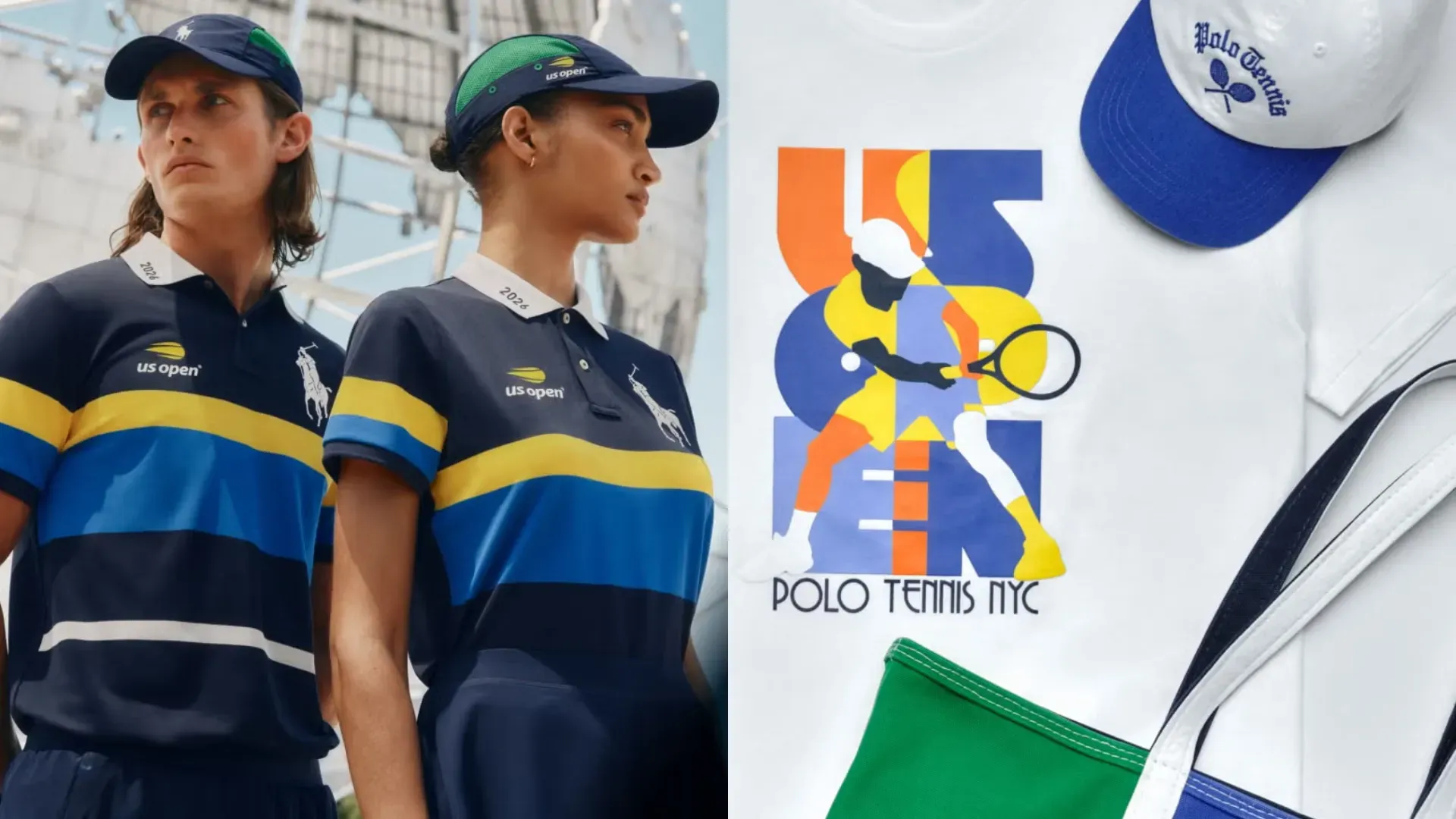
Ralph Lauren goes beyond contracts with individual players, taking an approach that owns "the entire tournament."
Ralph Lauren's official outfitter partnership, which has continued since 2005, covers the uniforms of on-court staff and ball crews, exposing the brand across the entire tournament.
Wherever the cameras point during a match, the whole background behind the court is filled with Ralph Lauren's sporty classic wear. It's a clever strategy that absorbs the heritage image of the tournament itself into the brand without placing any risk on the wins, losses, or results of individual players.
💡 Fashion Business Insights
Buyers: Check the synergy with FW new arrival timing: The US Open, held in the second half of August, coincides with the timing when FW new products start arriving at multi-brand stores in earnest. Since luxury brands exposed on and off the court can translate into consumer interest, you can reference the flow leading into New York Fashion Week (NYFW) in September for your buying curation.
Marketers: Consider the ripple effect of owning an entire space: Just as Wimbledon data showed the media value Ralph Lauren generated as official outfitter to be extremely high, it's worth also considering strategies that naturally weave brand identity into an entire event or space, going beyond using a single individual.
MD and merchandise planning: Use ambassadors in ways that extend into lifestyle: As La Roche-Posay teamed up with Sinner to run a sun protection pop-up, there are a growing number of cases where players represent both fashion and skincare at once. Thinking about ambassador matching that crosses category boundaries can also be a good alternative.