VEJA's Approach to Sustainability
Vegan materials, production principles, and product repair.
French sneaker brand VEJA is preparing its first directly operated flagship store in Asia in Hannam-dong, Seoul. Having grown around principles for its materials and production process, VEJA is extending the brand's reach into a running line, collaborations, and repair services. We look at VEJA's product strategy and recent moves.
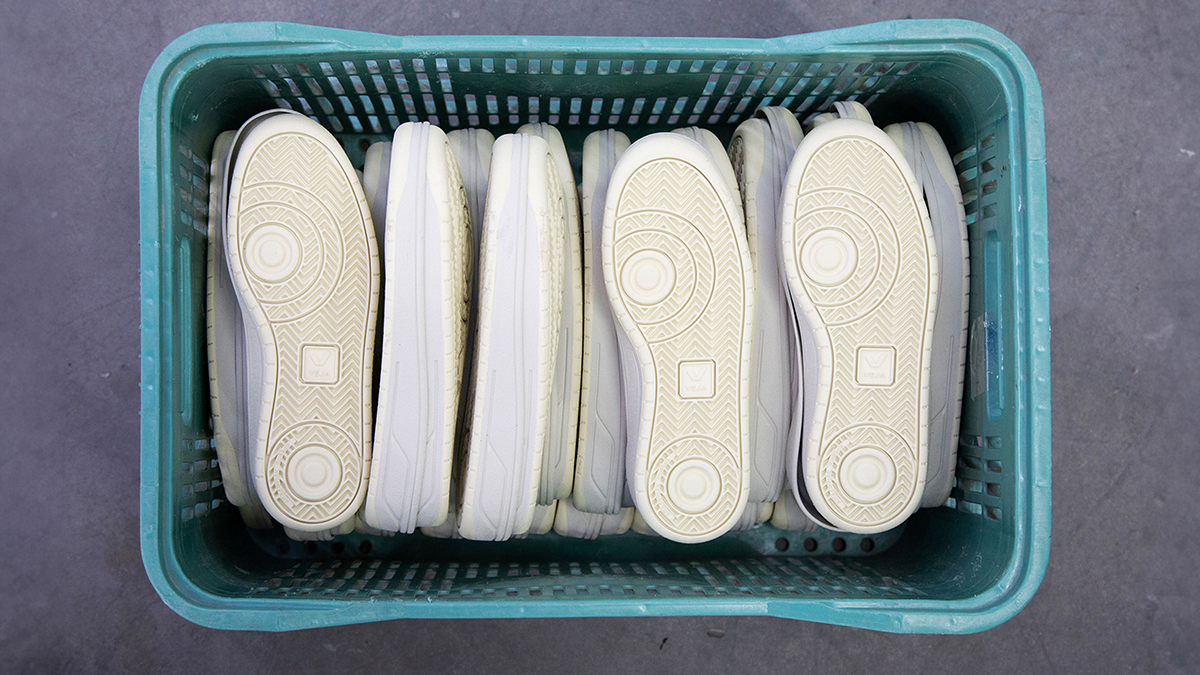
Beyond the Product, into the Production Process
VEJA was founded in Paris in 2004 by Sébastien Kopp and François-Ghislain Morillion. The brand name, which means "look" in Portuguese, reflects the idea of paying attention not only to the product but also to how it is made.
The brand uses organic cotton, natural rubber from the Amazon, and recycled materials, trading directly with raw material producers. In 2024, it paid four times the average market price for Amazonian rubber. Keeping advertising spending to a minimum while investing in materials and production is another defining feature of how VEJA operates.
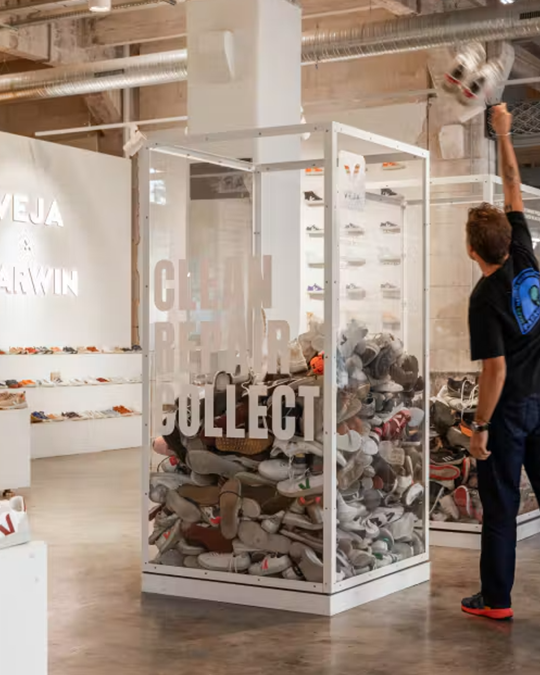
Care after purchase is also part of what the brand takes on. Through its "Clean, Repair, Collect" project, launched in 2020, VEJA repairs shoes from other brands as well as its own, and collects worn-out shoes for recycling. Through repair services in Paris, Berlin, New York, and elsewhere, it extends the life of footwear.
A Product Strategy That Broadens Materials
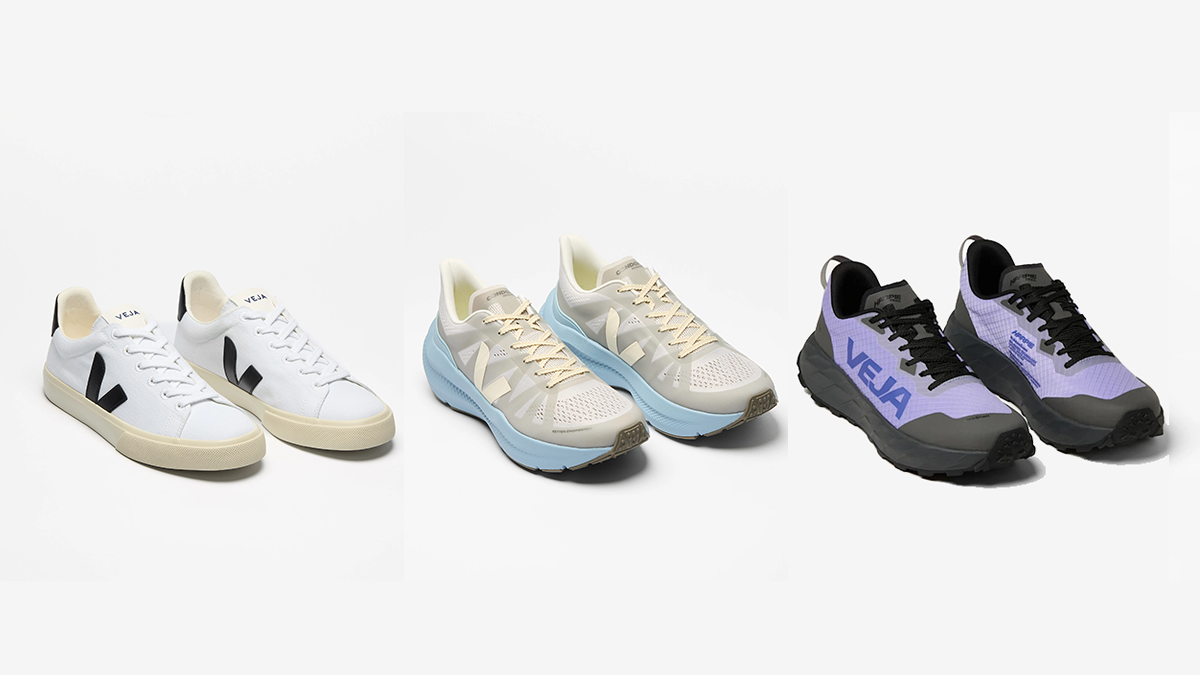
VEJA's design is defined by the V logo on the side and a restrained silhouette. Its material-driven product development extends from everyday sneakers to running shoes.
The Salar, introduced in 2025, features a recycled polyester upper and a sugarcane-based midsole. Having released its first running shoe, the Condor, in 2019, VEJA has expanded its range into road and trail environments with the Condor 3 Advanced and the Condor 3 Off-Road.
On its official Korean online store, the brand groups products made with vegan materials into a separate category. By classifying not only everyday sneakers but also running shoes by material, it offers customers clear criteria for choosing products.
Broadening Design Through Collaboration
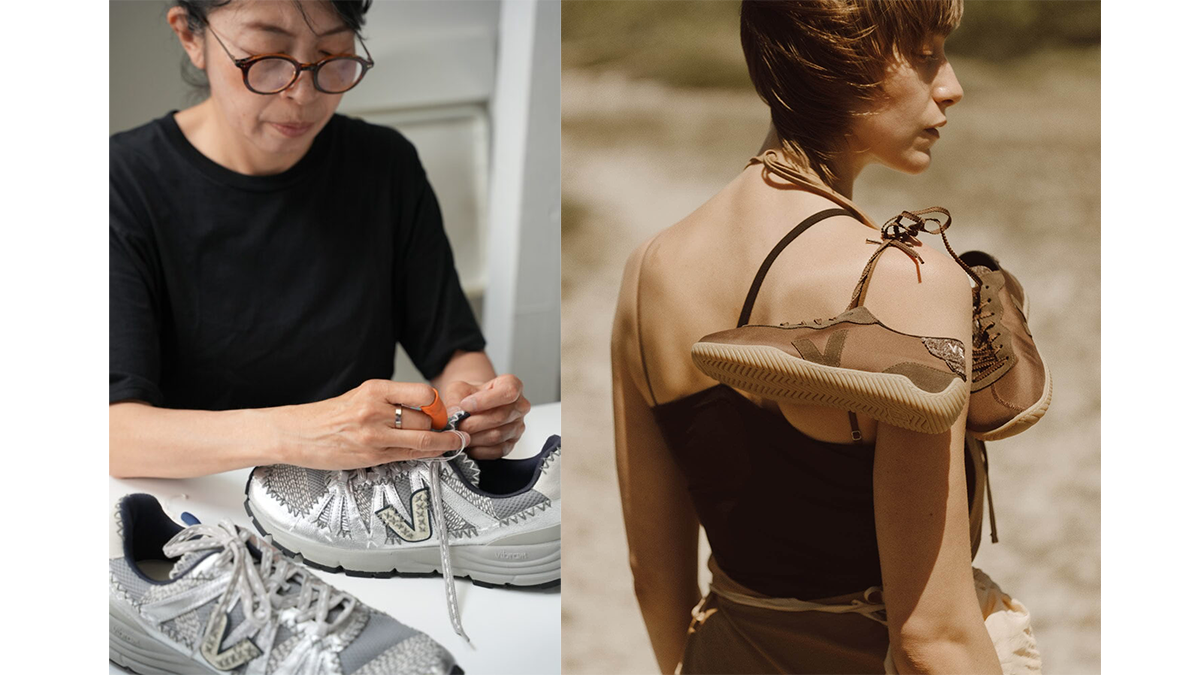
This year, VEJA presented collaborations spanning fashion, craft, and lifestyle.
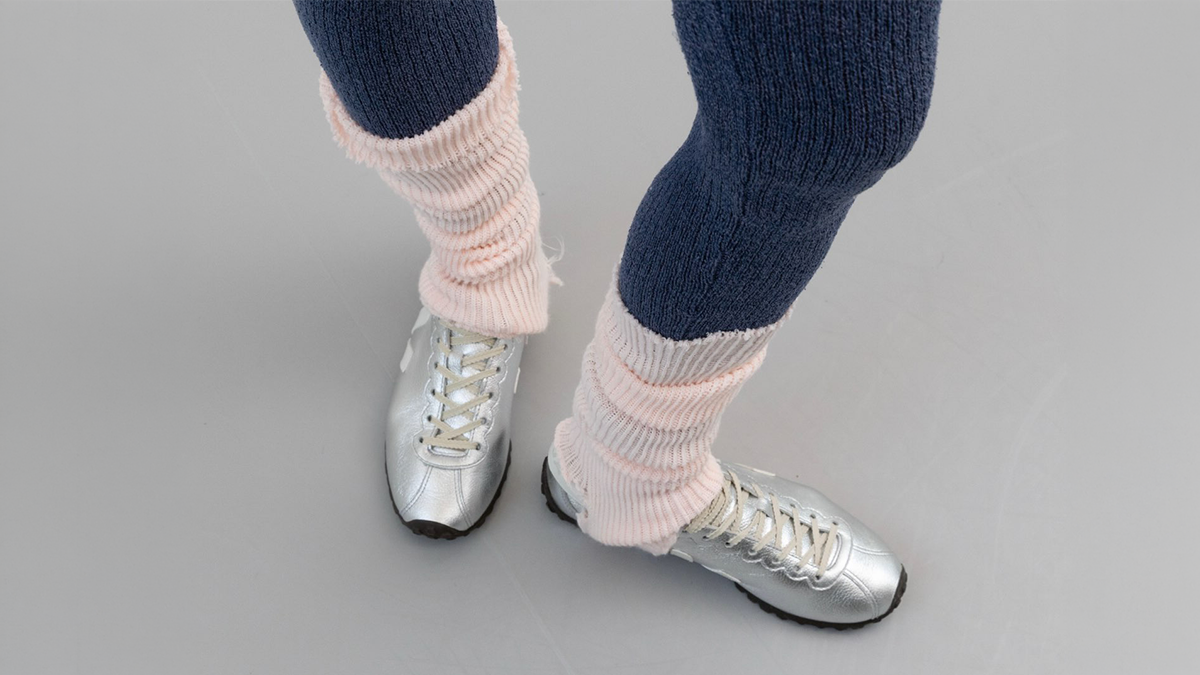
With Baserange, it released a slim sneaker inspired by a near-barefoot feel. With Japan's Sashiko Gals, it presented a special edition of the Salar featuring hand stitching by local women artisans, bringing the perspectives of different brands and creators to its sneakers and broadening its points of contact in design.
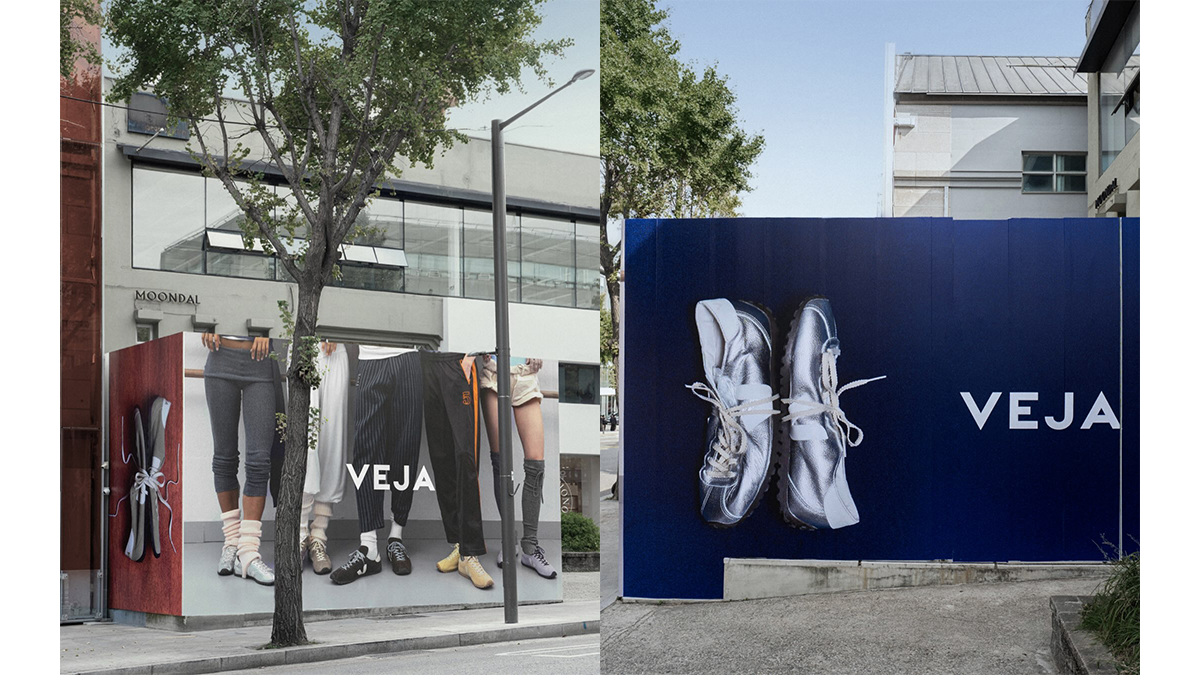
The Next Step Begins in Hannam-dong
VEJA has also been widening its touchpoints with customers in the Korean market this year. In April, it held a 10K running event stretching from Hannam-dong to the Han River. Participants wore the Condor 3 Advanced and experienced the brand's running line.
It then began construction on its first directly operated flagship store in Asia in Hannam-dong. The store is slated to open in the first half of 2027. VEJA, which has operated its own stores in major cities around the world, is setting up a base in Korea to meet customers directly.

EDITORIAL SMALL TALK
VEJA has built the product life cycle into how it runs the brand, from material selection and production to repair after purchase. As it broadens its product range through its running line and a variety of collaborations, how the Hannam store will convey these brand principles to consumers is worth watching.