Y-3: Yohji Yamamoto's Twist on the Three Stripes
A brand identity built on adidas technology and Yohji Yamamoto's aesthetic.
Y-3 is a brand launched in Paris in 2002 by Japanese designer Yohji Yamamoto and adidas. At a time when combining high fashion with sportswear was far less common than it is today, it brought the two worlds together within a single brand. This year, too, the collaboration continued with the FW26 collection in January and the SS27 collection in June, both presented in Paris. We look at the origins of Y-3, now in its 24th year, along with its design language, the history of its signature products, and its latest collections.
Why Yohji Yamamoto Turned to Sportswear
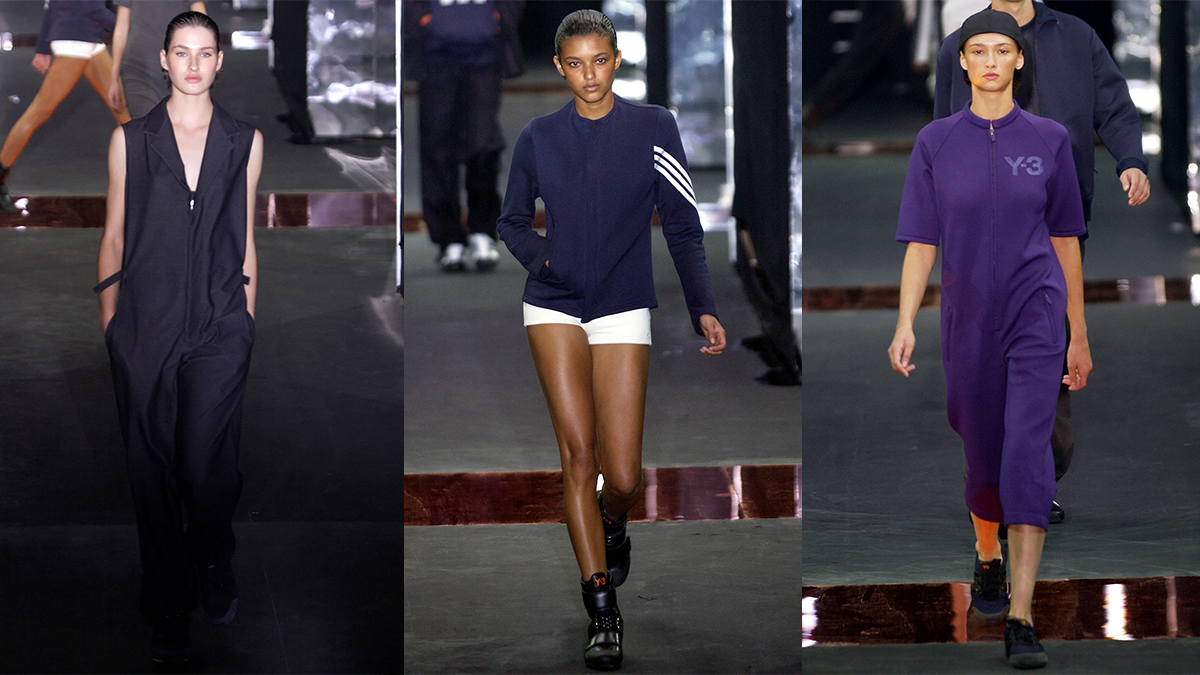
From the late 1990s, Yohji Yamamoto had been exploring new possibilities for clothes that could be worn in everyday life. His interest in sneakers and sports fashion led to collaborations with sportswear brands. Nike, approached first, turned down the proposal, but a partnership with adidas came together. In October 2002, the two brands presented the first Y-3 collection at Paris Fashion Week. adidas describes this beginning as a turning point that changed the boundary between fashion and sportswear.
A Design Language That Twists the Three Stripes
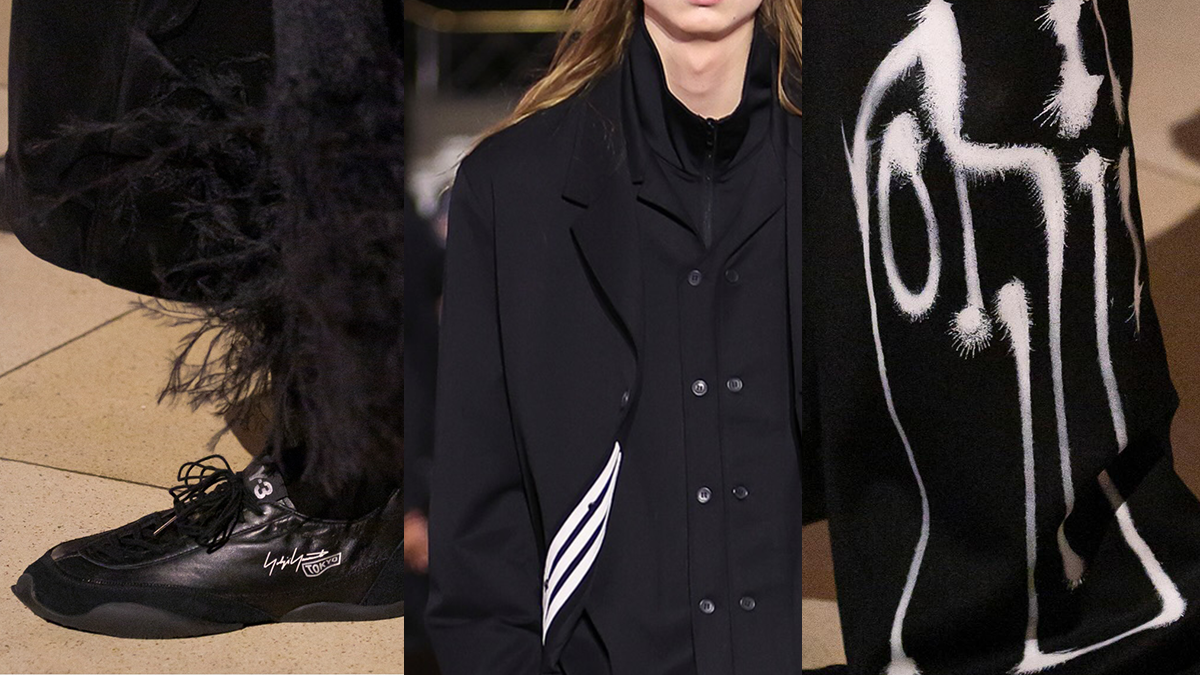
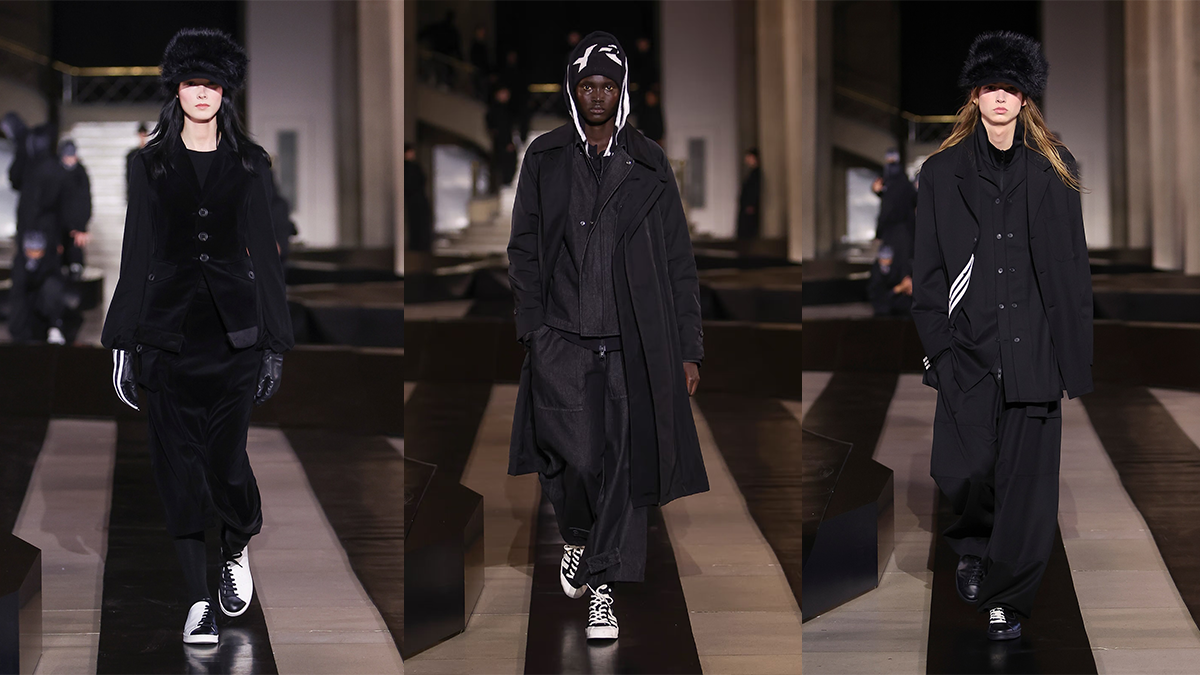
In the name, "Y" stands for Yohji Yamamoto, and "3" for adidas' three stripes. The design likewise carries the identities of both brands, combining Yohji Yamamoto's signature monochrome palette and oversized silhouettes with adidas' sportswear construction and functionality.
The three stripes are varied in many ways, rendered in mesh, placed on only one sleeve, or finished in the same color as the garment. By keeping patterns and color restrained, Y-3 turned sportswear such as hoodies, tracksuits, and jumpsuits into everyday clothing. Reconstructing adidas' symbol through Yohji Yamamoto's aesthetic is Y-3's design language.
A Brand History Built Through Footwear
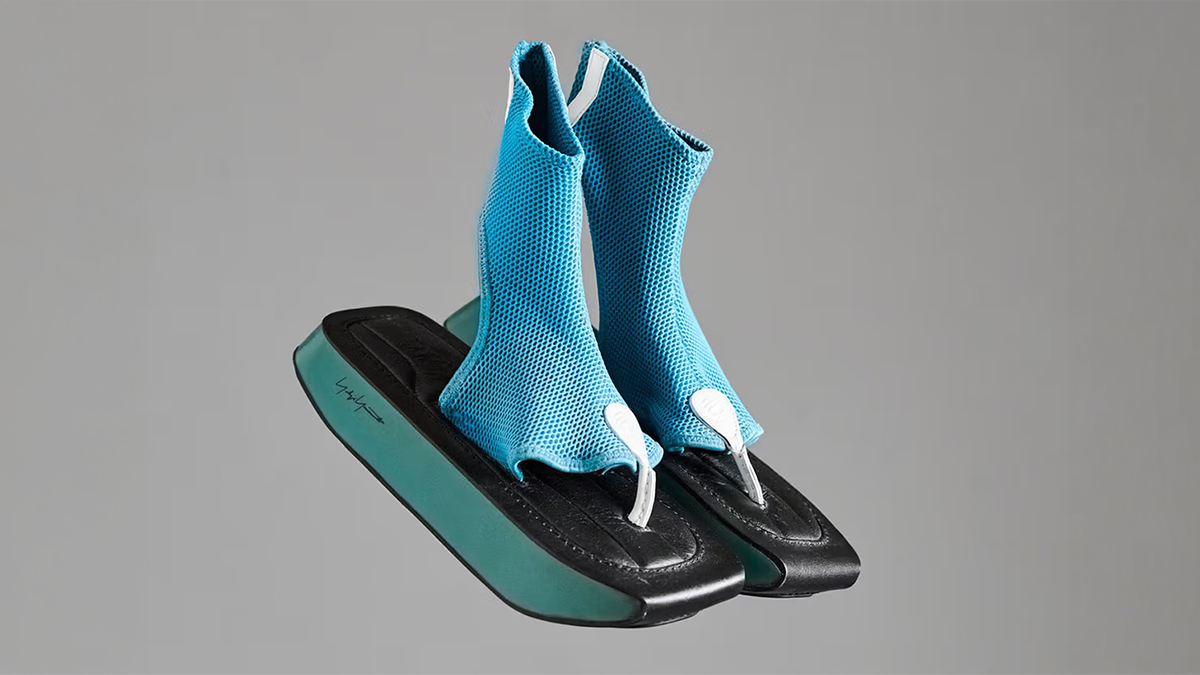
Y-3's history comes into sharper focus when traced through its sneakers. Before the official brand collection began, the A3 Control appeared in 2002, a sneaker limited to 103 pairs inspired by Yohji Yamamoto's birthday, October 3. In its early years, the brand also introduced platform sandals combining traditional Japanese sandals with sportswear.
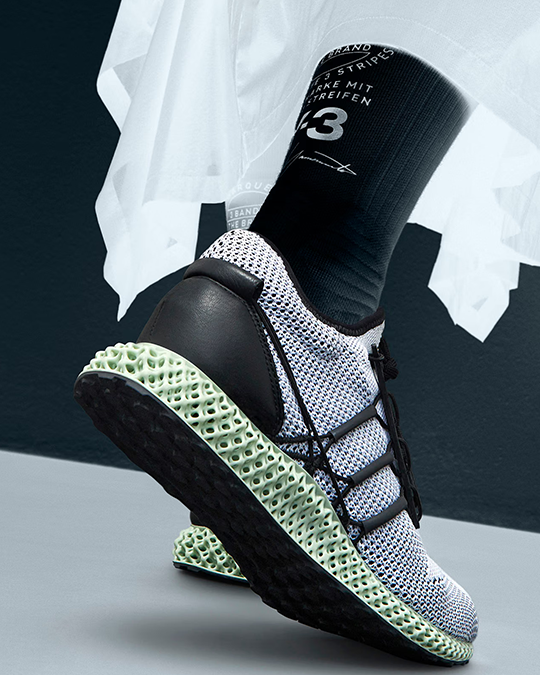
In 2008, it opened its first standalone store in New York's West Village. In 2013, it released the Qasa High, built with adidas' 1990s Tubular technology, which became a defining model of 2010s street style. It went on to consistently introduce sneakers featuring adidas' cushioning technologies, including the PureBOOST (2014), Run Boost (2016), and 4D Runner (2018). The 4D Runner was released in a limited run of 200 pairs.
The 2026 Collections
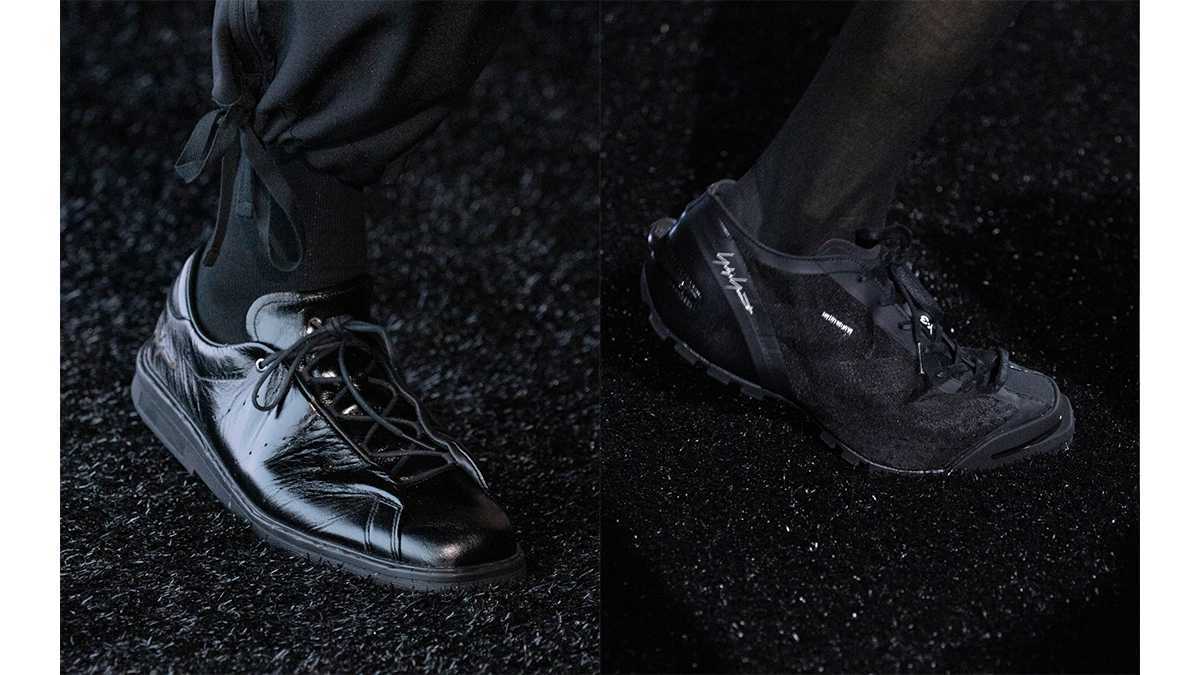
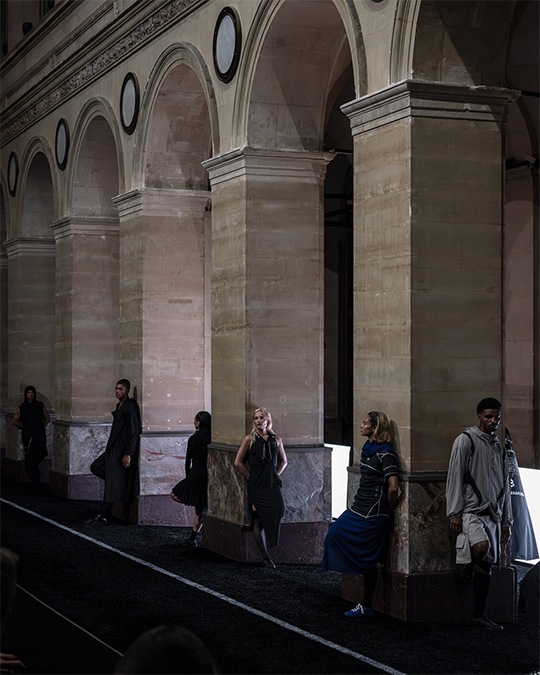
In 2026, Y-3 presented two collections in Paris. FW26 introduced a motorsport-inspired collection, brought back denim for the first time in more than a decade, and unveiled the Y-3 NISI, the brand's first fully vulcanized sneaker.
The SS27 collection was presented on artificial turf. It introduced the Y-3 Stan Smith SQ, which applies a square toe to the Stan Smith silhouette; the flat-profile Low Pro; and a reinterpretation of the Yakutat, first released in 2008, with a lighter, more breathable construction. It's a collection that revisits adidas' designs and archive through Yohji Yamamoto's eyes.
EDITORIAL SMALL TALK
At the heart of a collaboration that has lasted 24 years are adidas' technology and Yohji Yamamoto's design. The combination of the two brands creates Y-3's distinctive style while showing new possibilities for sportswear.