A $3 Tote Beside Luxury Pumps
The signals thrown by Lyst Q1 2026 and Japan's Gen Z consumption forecast data.
The 'Lyst Q1 2026 Index' released on April 29 and Japan's SHIBUYA109 lab 'Gen Z consumption forecast data' point in exactly the same direction: consumers no longer pledge blind loyalty to a brand's name. What they buy is the cultural context and mood the brand proposes.
Lyst Q1 2026: Rank Insignia Destroyed, a New Ranking Born
In Q1 this year, Lyst abandoned the 'search volume'-centered methodology it had maintained for a decade, introducing a new standard built on how consumers 'discover and desire brands' (Desire, Demand, Discovery).


The Real Reason Chanel Took No. 1
Chanel claiming the top spot the moment it first appeared on the Lyst Index wasn't about sheer revenue scale. It was the 'Discovery pathway' at work: Matthieu Blazy's SS26 pumps and flap bags were consumed first by a small circle of internal tastemakers, then rippled outward — into lines outside stores and sold-out stock.

The $2.99 Tote Beside Luxury Pumps
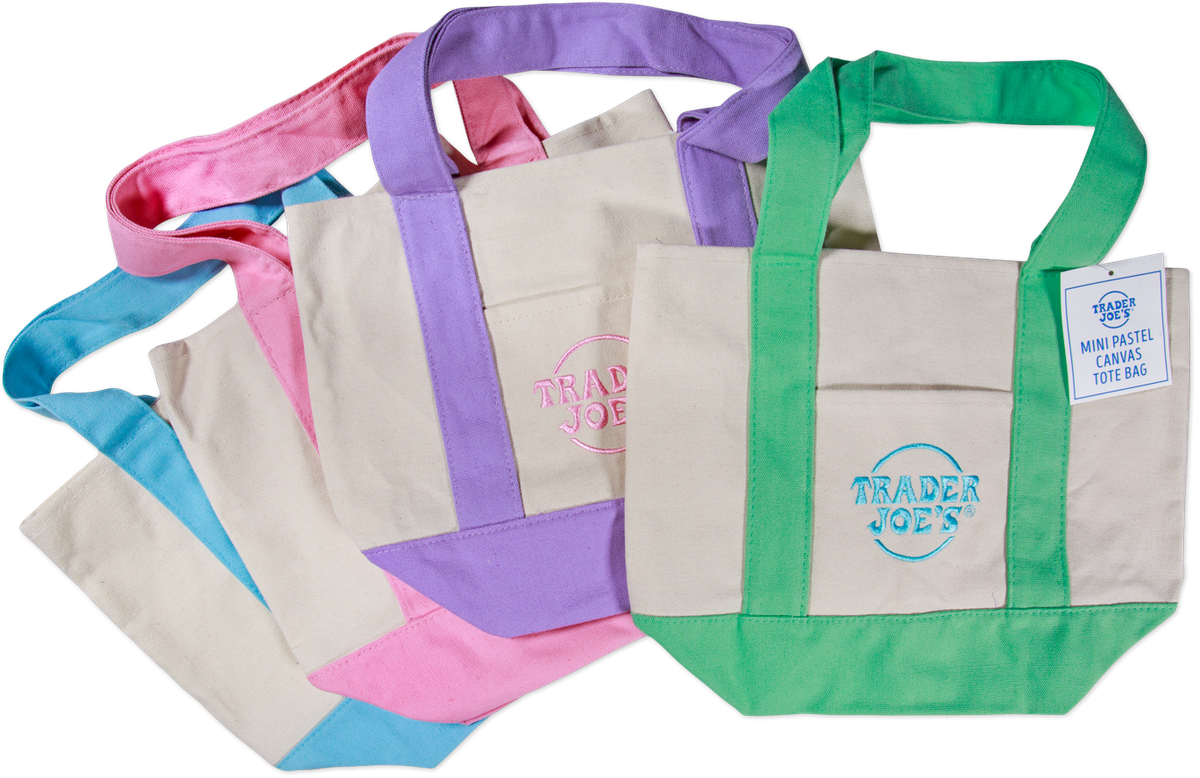
But the most interesting, most decisive scene in this release isn't Chanel's No. 1. On the teens' most-wanted product list, a $2.99 Trader Joe's grocery tote and a Kangol flat cap ranked side by side with Chanel pumps and Celine ballet shoes worth thousands of dollars.
The Signal
Value is no longer determined by the price tag or the weight of the word luxury. Given the right 'context' that people respond to, a $3 grocery tote can generate hype on par with luxury goods.
Japanese Gen Z's Consumption Shift: The Attention Detox
Japan's Gen Z shows the same pattern. Exhausted by social media's information overload, they've made the 'attention detox' — escaping the gaze of the anonymous crowd — the core keyword of their consumption.
Aesthetics Over Names
If the driver of Japanese fashion consumption a decade ago was the designer's 'name' — Comme des Garçons, Yohji Yamamoto — 71.2% of today's Gen Z say "the brand name is not a purchase decision factor." Even a lesser-known brand gets bought if it fits their values and mood.
From Product-Centered to Context-Centered
Consumers no longer begin their search with a specific 'product name.' On Zozotown's Wear app, 10 million people share 'looks,' not brands. They build a mood board first from references like 'Carolyn Bessette-Kennedy style,' then narrow down to concrete items.
Secondhand as Self-Expression
As Japan's reuse market grows rapidly, Gen Z's main reason for buying secondhand isn't sustainability — it's "the desire for self-expression: wanting to own the only one."

The intersection of these two indicators offers clear hints for the coming season's buying and select shop operations.
Buying the Worldview
Before a brand's heritage, buyers should first ask: "What worldview does this brand hold?" Consumers are looking for movements, not brands.
Focus on 'Specific Pieces' Marked by Cultural Context
Saint Laurent's stand-collar jacket demand surging 5,550% month over month, Celine ballet shoes jumping 300% — these are not brand-wide lifts, but specific pieces detonating. For FW26 buying, the key question is: "What reference can this piece connect to?"

Fast Fashion Meets Cultural Credibility
Zara was named a breakout brand through collaborations with Willy Chavarria and Soshiotsuki — proof that given fresh cultural context, even a mass channel can transcend its limits and work on Gen Z.
The User-Made 5,550% Explosion and the Power of Context
The 5,550% demand surge for the Saint Laurent jacket this quarter wasn't a brand-led campaign. A single TikTok wearer's video rode the algorithm and turned one item into the quarter's hottest product.
'Village PM,' the French skate shoe that landed at No. 3 on Lyst's hottest shoes list, is the textbook case: entering the rankings not on brand recognition, but purely on a specific 'mood' from the street scene.