The Real 'Needles' After the Uniqlo Shock
An insight analysis of Needles as it becomes the street's uniform, examining core fandom fractures and business strategies amidst the streetwear downturn.
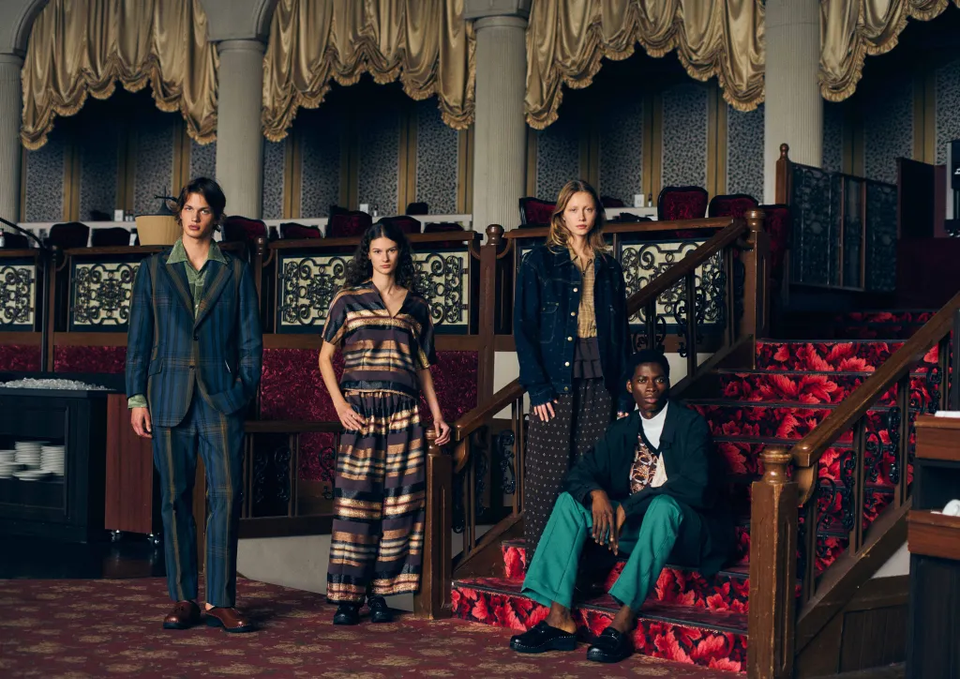
In 1995 in Jingumae, Tokyo, designer Keizo Shimizu founded the brand under the philosophy of reducing design and leaving only the essential: "Need Less."

For the past 30 years, as countless global artists buzzed with enthusiasm, Needles' 'butterfly logo' reigned as a symbol of cool streetwear known only to those in the know.
However, on October 31, 2025, everything changed.

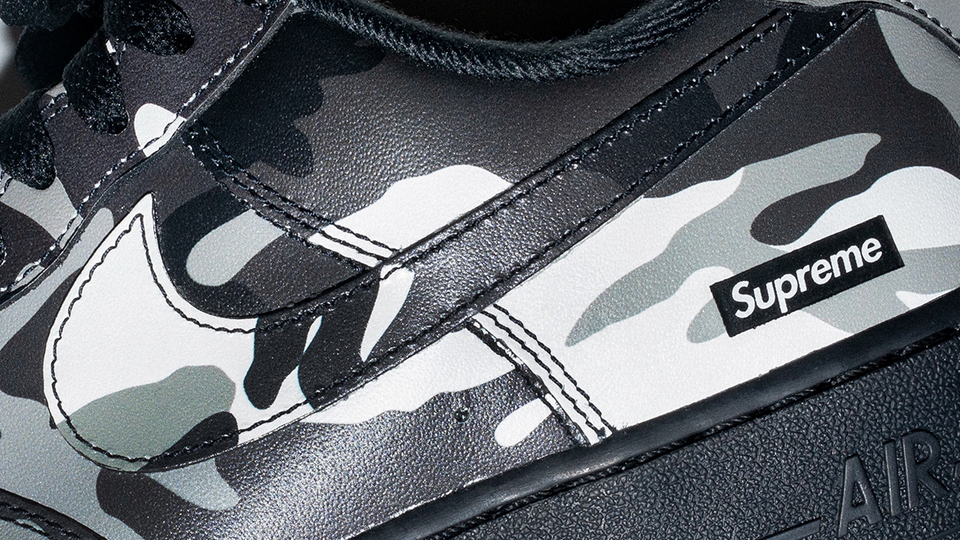
It was the day the global collaboration collection between Needles and UNIQLO was released. The iconic track pants and cardigans, which used to cost between $130 and $200, were released worldwide for just $49 to $59. The general public cheered and sold them out immediately, but the original fandom's community shattered to pieces.
A cult brand that hit the wave of mass popularity at the peak of hype—has Needles' form really faded? Analyzing the brand's temperature as of 2026, we dissect how working buyers and retailers should transform this massive shift into a business opportunity.

Gatekeeping Nightmare
The encounter between Needles and Uniqlo shows the most classic 'Gatekeeping Nightmare'—the nightmare of a fandom's gatekeeping role collapsing—that a cult brand can experience.
Numerous social creators poured out styling guides saying, "I had no idea the butterfly logo was this sophisticated," causing brand search volume to explode. Designer Shimizu also stated, "I am glad to introduce the brand to a broader audience."
Betrayal of the Core Fandom
On the other hand, existing fans showed signs of leaving, saying, "There are too many butterflies on the street now," and "It is no longer special." It is a sense of loss over 'our own code,' familiar with Japanese streetwear, turning overnight into 'everyone's uniform.'

Decline of the Streetwear Resell Ecosystem
The fading buzz around Needles cannot be attributed solely to 'Uniqlo.' In fact, it aligns with the macroeconomic trend of the entire streetwear resell market bubble bursting.
Resell profit margins for sneakers and hype items have shrunk from past peaks of 100% down to the 10–25% level currently.
According to 2026 data from global secondhand platform Grailed, the scene's core fandom is shifting away from logo-centric brands toward 'archival and craftsmanship' brands like Kapital's Japanese denim or Margiela.

The Charm of the 'Real' Needles
So, is the era of Needles over? No. Though the logo may have lost its exclusivity, Needles' fundamental weapon remains fully intact. What buyers must focus on is the realm that mass production systems can never replicate.

Rebuild Line
Deconstructing vintage flannels and military surplus fabrics to reassemble them into entirely new pieces. Because they cannot be factory-stamped, not even two 'identical garments' exist in the world. It is a lethal weapon that perfectly intersects with the mega-trend of 'vintage athletics' confirmed at the recent SS27 Milan show.
7 Cut Flannel
An extreme signature technique of cutting flannel material in seven different directions and sewing it together.
Mohair Cardigan
The main line cardigan made viral by A$AP Rocky operates on a completely different trajectory of materials, craftsmanship, and texture compared to Uniqlo's $49 fleece. The Loro Piana logic—"If the materials are different, the dignity remains distinct even with the same logo"—works here as well.

Has the form of Needles really faded?
What has faded is the exclusivity of the butterfly logo, not the brand itself.That the butterfly is everywhere after Uniqlo—this is a fact. And the decline of the resell market, the cooling transactional temperature, and the departure of the core fandom are also signals that cannot be ignored. However, all of this means that the "structure of making money off a logo" has been shaken, not "what Needles is."
The language of the collection has not changed. Neither SS26 nor FW26—Keizo Shimizu has not backed down a single step in his approach to reinterpreting the Americana legacy. The Rebuild line remains a structure that cannot be factory-stamped, and the mohair cardigan still lets the material speak first. What Uniqlo took was the cultural access code of the butterfly logo, not the essence of the brand.
From a buyer's perspective, there is only one angle through which to read Needles right now: the era of putting basic items with the butterfly logo front and center is over, and the era of elevating layers that Uniqlo can never replicate has arrived. Cult brands that survive after mass adoption have always proven themselves in this way.

Editorial Small Talk
There is a paradox in "Need Less." Keizo Shimizu, who started the brand with the philosophy of cutting away the unnecessary, ironically ended up printing the most butterflies in the world through Uniqlo. While fans called it "the betrayal of the cult," the founder calmly interpreted it as the "universal sharing of ideas."
And that very founder now lives not in the heart of Tokyo, but in Biei, a rural town in Hokkaido. Holding the FW26 runway in San Francisco instead of Tokyo was also his stubborn tribute to the Americana legacy. Trends come and go, collaborations happen, and fandoms may rock—yet Keizo Shimizu simply continues making the clothes he loves up in Hokkaido. Perhaps that is the real reason Needles has endured for 30 years.