The Emotional Capital Moving the 2026 Consumer
An analysis of the three emotional capitals moving the 2026 fashion market — and core curation strategies for working buyers.
"Consumers don't want bigger or cleaner brands.
They want brands that make them feel something again."
The single most bone-striking sentence in the recently published global consumer report (Checkpoint Systems 2026). Fashion spending has slipped down the priority list under inflation, they say — but this signals not consumption's fall, only its 'carefulness.'
Today's consumers have merely stopped impulse-buying; given a 'clear reason,' they open their wallets gladly. And the master key to those wallets is now not logic, but emotion.

The Definition of 'Necessity' Has Changed
If yesterday's necessity was 'the cheapest, most practical thing,' the necessity of 2026 has evolved into 'what gives me meaning, belonging, and well-being.' However cheap, if it delivers no emotional utility, it doesn't sell; if the meaning is certain, price is no obstacle. 'Intentional consumption' is the new default.
So what are the three core emotions opening the consumer's wallet right now?
The 3 Emotional Drivers
① Joyful Play
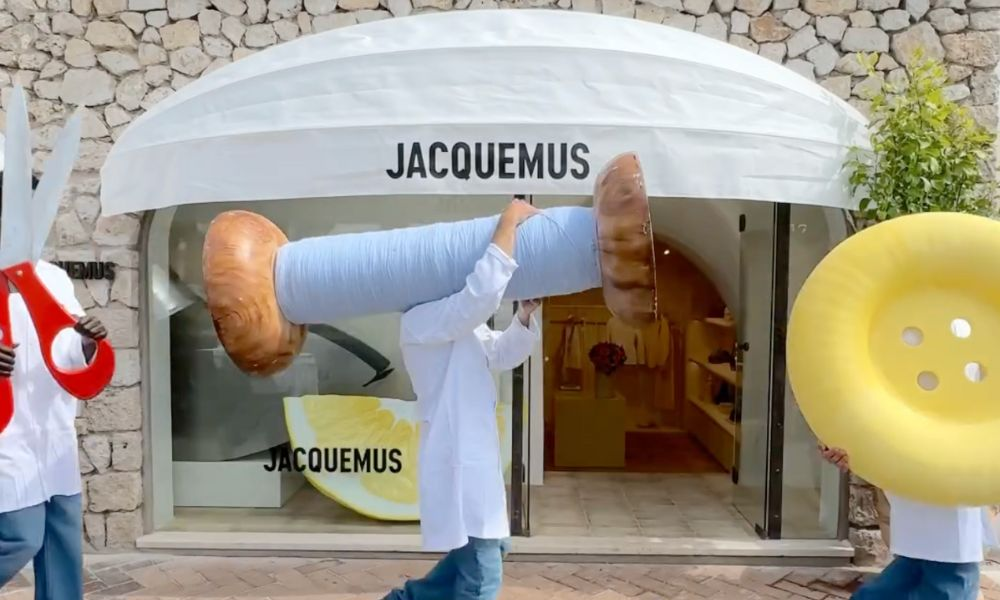
The emotion of deliberately seeking delight as escape from a grinding reality. If Jacquemus opening a Capri boutique and staging collections on Provençal beaches sells this 'escapist fantasy,' then in the high-end scene, Loewe is the final boss of this emotion. Tomato-shaped clutches, surreally inflated balloon shoes — witty, surrealist designs give consumers the 'joyful play' that makes the grind fall away. When fashion becomes a meme, a toy, the consumer forgets the price tag.

② Self-Preservation
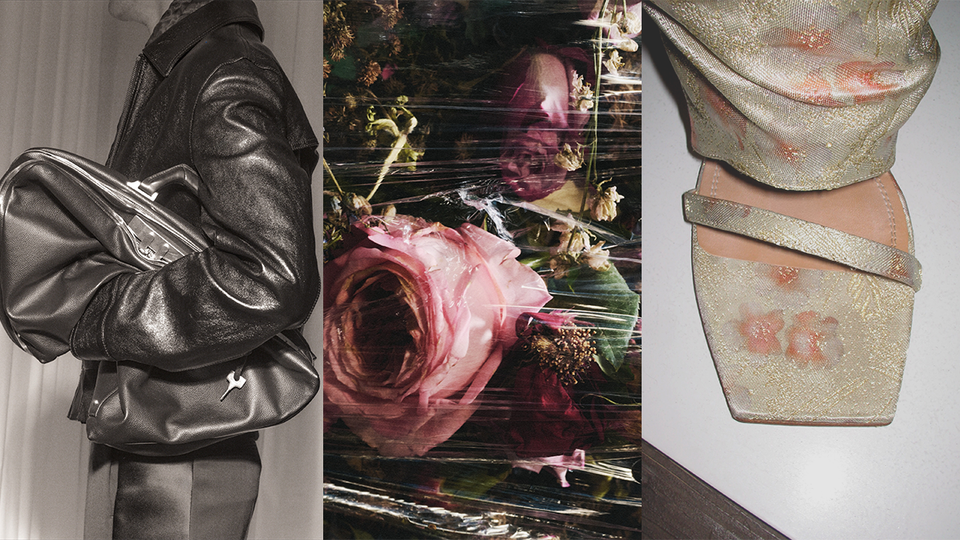
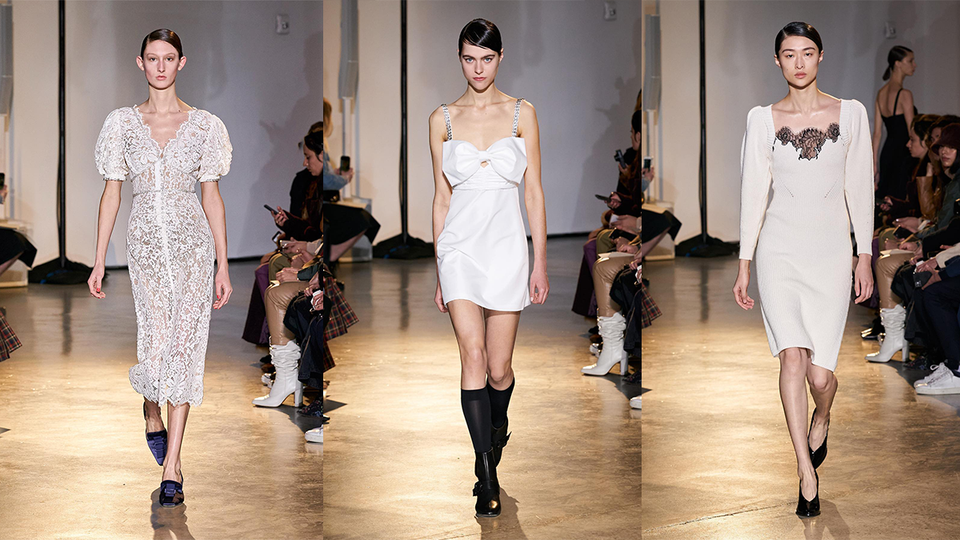
In anxious times, consumers find psychological comfort by investing in unchanging value. Bottega Veneta leading with 'craftsmanship' over 'logo' — and holding its resale-market defense as a result — is the definitive case. In the contemporary scene, Lemaire satisfies this emotion perfectly. The quiet, consistent silhouettes untouched by trend, the tactile reassurance of the finest fabrics — they hand the consumer psychological armor: "this garment is safe to wear ten years from now."

③ Fandom
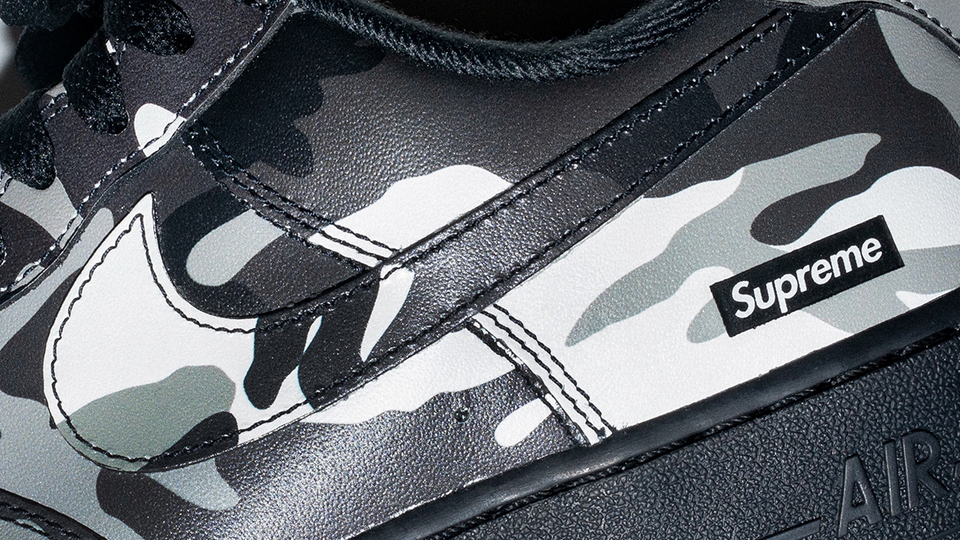
Brand loyalty now comes from community, not product. The proof: Adanola, allied with Pilates instructors, and London-based streetwear Corteiz. Corteiz runs a password-locked private website; drop a pin on social media, and hundreds of fans sprint through the streets for a limited release. When the act of buying clothes becomes a ticket into 'our tribe, where not just anyone gets in,' fandom converts at the most explosive purchase rate of all.

The Refusal of Meaningless Repetition, and Human Pride
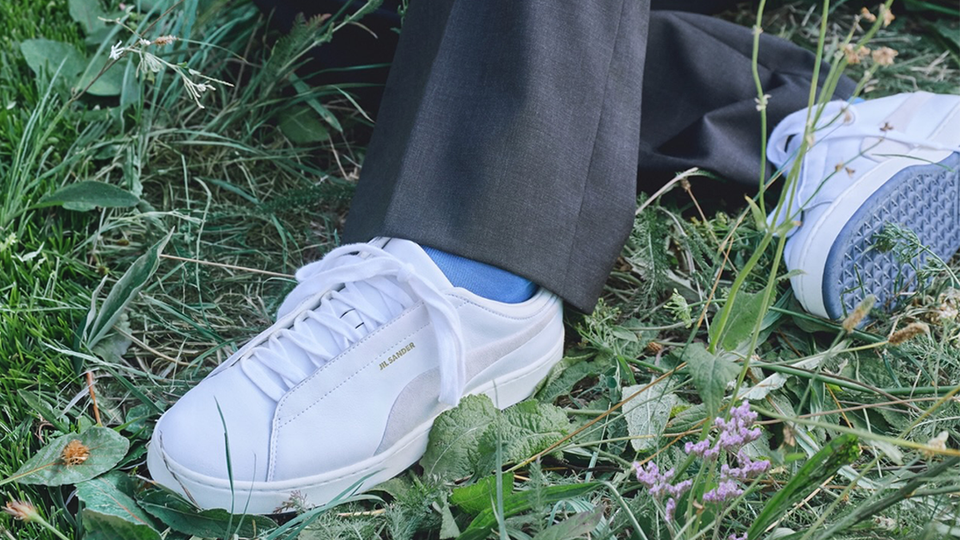
On Pinterest and Google Trends recently, searches for 'ripped jeans' declined while 'structured denim' and 'wide-leg silhouettes' surged — evidence that consumers are exhausted by imitated minimalism and the meaningless repetition of trends. The more chaotic the era, the more they seek 'structural stability and clarity' in dress, at least.
And in an environment where AI and algorithms govern everything, the value of 'human pride' — warmth of the human hand — is paradoxically soaring. Like Bottega Veneta's fringe cape that took 4,000 hours, or Loewe's campaigns placing its leather artisans front and center: only when 'human traces and imperfection' are steeped deep into a brand's origins and process does the consumer finally feel emotion in the clothes.

Curating the 'Emotional Portfolio'
Buyers must now add one more criterion to their sourcing standards.
The 'joy' brand that opens wallets at anniversaries and season changes; the 'self-preservation' brand for the once-in-a-while, properly considered investment; the 'community' brand that fandom drives to stable traffic every season. Beyond simply asking "what trend is this?" — be able to ask and answer: "on what occasion, and through what emotion, does this sell?"