Helen Kaminski Expands into Apparel
Helen Kaminski launches apparel — a leap toward total lifestyle brand status.

Why Apparel, Why Now
Helen Kaminski has held firm market share in global headwear and premium accessories for forty years. Built on Madagascan natural raffia and handcraft processes, the brand's singular positioning has served as a guarantee of summer-season high-end retail revenue since its 1983 launch.
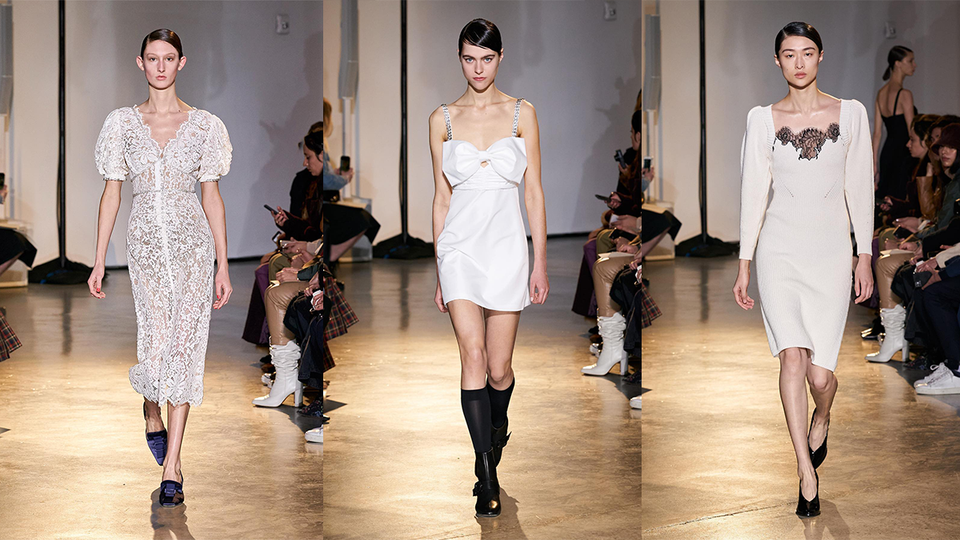
Then last month, they threw the market a meaningful inflection point: the first apparel collection in brand history. Behind a brand that spent forty years focused on specific categories — hats, bags — expanding into ready-to-wear lies something beyond a simple lineup addition: a sophisticated strategy of structural business transformation.

The Fundamentals Built by Natural Materials and Handcraft
To understand this apparel expansion, we need to trace how Helen Kaminski secured its 'irreplaceable standing' in the global market — Japan and Korea in particular.
The core competitiveness lies in the distinctive physical character of raffia, which no machine process can replicate, and a production system built on Sri Lankan artisans' handwork. An originality focused on 'quiet quality' and 'sustainable natural materials' rather than loud logo play has settled the brand perfectly into Japan and Korea's key distribution networks as a 'premium lifestyle item.' Its 'accessible luxury' pricing is likewise part of the fundamentals — continuously driving broad, real demand.

Breaking the Single-Category Ceiling
For a brand with an already stable revenue model to launch an apparel line priced between $165 and $600 is a structural move — reorganizing the brand into a 'total lifestyle' ecosystem.
Maximizing Basket Size and Customer Lifetime Value
By the nature of accessories, headwear and bags carry limited purchase frequency per season. Adding clothing categories — silk shirts, shorts, day dresses — intuitively induces cross-purchases and repeat purchases within a customer's basket, lifting spend per transaction.

Overcoming Structural Seasonality
A brand structure built on raffia inevitably carries the risk of revenue concentrated in spring and summer. An apparel line centered on premium linen and silk twill becomes an effective defensive mechanism, keeping the brand's market activity alive through the off-season FW months.
Occupying the Lifestyle Scene
From special getaways to everyday moments — by extending the luxury resort mood its accessories once conferred into clothing, the brand lays the groundwork to widen its influence into the everyday-wear scene that house brands from other categories had claimed first.

Business Points Worth Knowing
Bollman Hat Company
The American Bollman group that owns Helen Kaminski is the oldest headwear manufacturer in the United States, founded in 1868. This massive distribution and manufacturing infrastructure — which also holds Kangol — backs Helen Kaminski steadily, separating production (Sri Lankan handwork) from global business management.
The Permanence of a Brand Without Its Founder
Helen Marie Kaminski, who launched the brand in 1983, has now fully stepped back from its management. Even so, the founding-era originality — 'craftsmanship born to block the Australian sun' — still functions as a powerful brand asset persuading celebrities and the market alike.