Not a Logo in Sight — Yet the $4,300 Margaux Bag Is Nowhere to Be Found
The Row's overwhelming demand — scarcity value, proven by luxury without a logo.
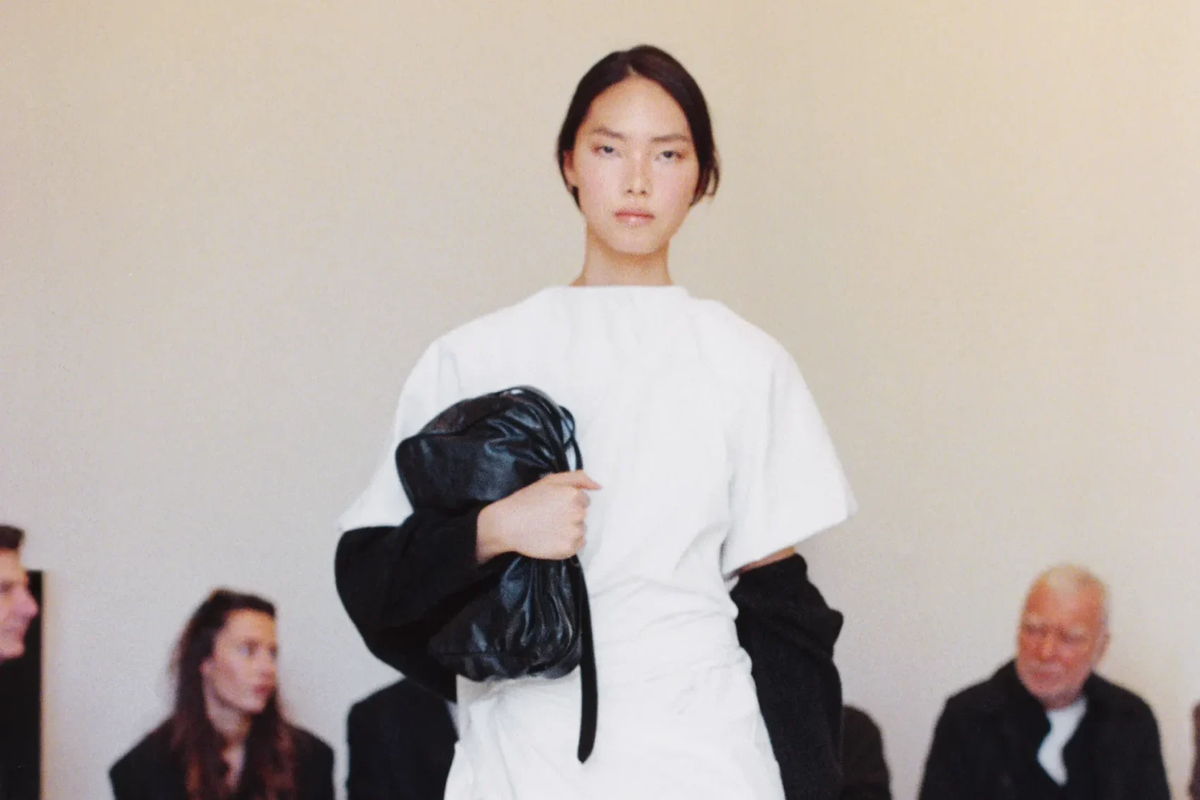
Shinsegae Gangnam: A Quiet Battleground
Korea's first official standalone store for The Row. There's a peculiar tension outside the boutique at Shinsegae Department Store's Gangnam location. No flashy logos, no provocative advertising — yet the waitlist for its steady-seller 'Margaux' bag, ongoing since March 2024, is still running two years later. Despite a price well above $4,300, requests to "call me the moment it comes in" keep pouring in — a telling sign that Korea's luxury consumers are now moving on 'self-satisfying craftsmanship' rather than display.

Erasing the Logo, Filling It with Precision: A '90s Revival
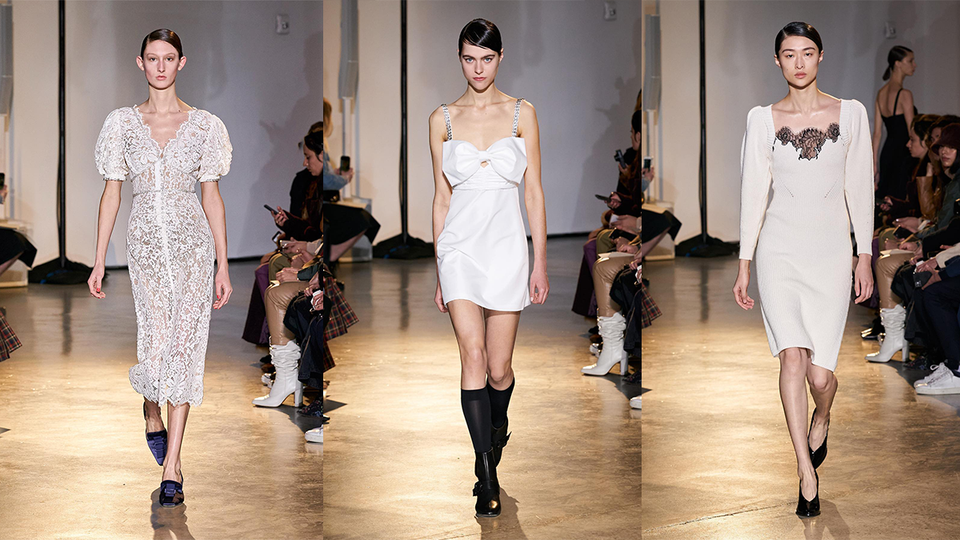
The answer to this fervor can be found in The Row's recently unveiled Winter 2026 collection. This season, the house drew acclaim across the fashion world for its modern reinterpretation of late-'90s precision tailoring. The clean-cut cigarette pants and fluid, body-skimming jacket silhouettes make it clear why icons like BLACKPINK's Rosé and Kendall Jenner gravitate to the brand.
Their way of building aura through material and structure alone — without borrowing the power of a logo — has moved past trend status to become the new grammar of the premium market.

The Margaux Shortage — and 2026's New Alternatives, the 'Ida' and 'Peggy'
The biggest headache is, unsurprisingly, supply. With Margaux production unable to keep pace with demand, the market's attention in 2026 is quickly shifting to the newer lineup: the 'Ida' bag, which drew buzz after being spotted in Elle Fanning's everyday looks, the Dalia Baguette, and the 'Peggy' clutch, which adds a practical shoulder strap to the Margaux's classicism. Both models carry antique gold hardware and top-grade calfskin, inheriting the essence of quiet luxury — elevating a look without ever standing out too loudly.
The Power of a Single Piece to Define a Store
The Row's pieces aren't ready-made goods to stack and sell. The mere presence of a single Margaux or Ida on display is proof of a shop's curatorial level — a strategy on an entirely different plane from chasing mass trends. In this top-tier category, where securing stock is itself a competitive edge, the agility to read market signals first and snatch key models the moment a live deal surfaces is what makes the decisive difference in a shop's standing.
This isn't a short-term hunt for inventory to put on shelves tomorrow. What's needed is a system: locking in quotas the moment next season's pre-orders open, and catching cancelled allocations and limited deals that surface intermittently across the global boutique network — in real time. In a category where even money can't guarantee the goods, a shop has to turn the brand's scarcity to its own advantage and prove its buying power. That's exactly why, instead of wandering through unverified sourcing channels, keeping a constant eye on premium deal alerts from a trusted B2B platform matters.