Three Signals of Change in Fashion
Presentations over runways, jewelry over clothes — three fascinating shifts in global fashion for 2026.
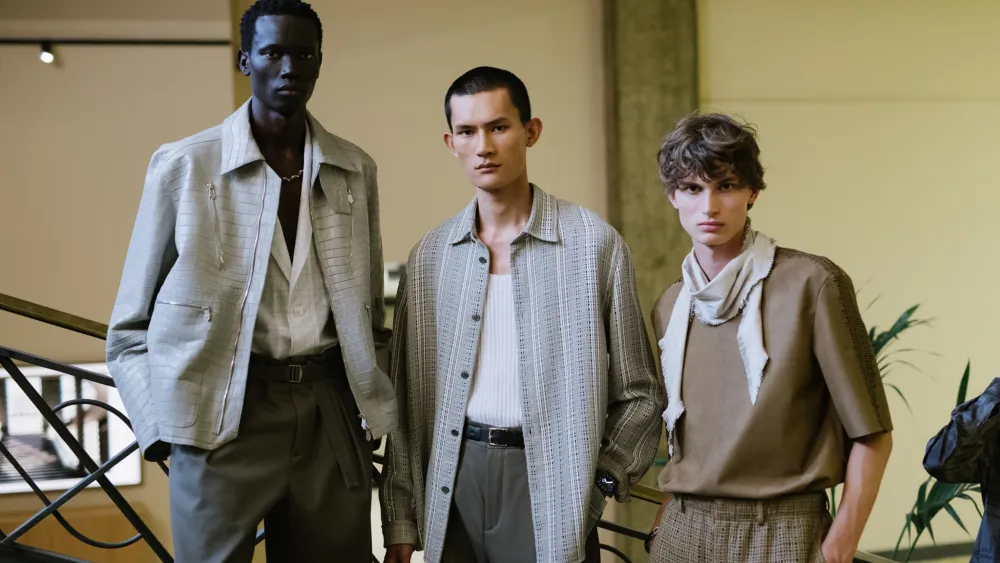
Watch how the fashion industry is running these days, and some genuinely interesting changes stand out. In the past, the formula was automatic: pour astronomical budgets into fifteen dazzling minutes of runway to flaunt "look how magnificent we are!" But in 2026, brands have begun making far more clever, calculated choices.
Rather than straining to prove something, fashion is easing off and steering toward 'practical ways of producing results.' Here are the three major trends.

The Presentation Reversal
"Let's meet outside the runway!"
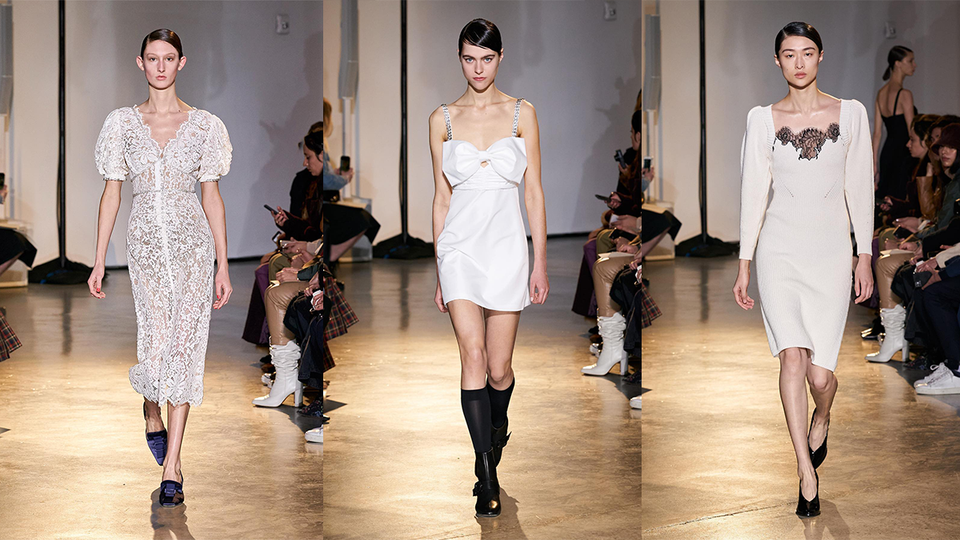
The most striking change is the very format of fashion week. Look at this June's Paris menswear calendar: of 74 participating labels, 36 held runways and 38 held presentations — the first time in history presentations outnumbered runway shows.

Closer, and Deeper
Instead of shows where models flash past under brilliant lights, brands are surging toward presentations — where buyers and media can touch the fabric with their own hands and talk with the designer, eye to eye.
The Hermès Choice
Even Hermès, the most established of house brands, exceptionally chose a presentation this menswear season. At a critical transition point ahead of Wales Bonner's first collection, the intent is to focus on 'detail' and 'dialogue' over display.

The 'Irregular Appearance' as the Cool Strategy
The era of the 'mandatory attendance check' — putting your name on the fashion week calendar every single season — is over. Brands like Jacquemus and Marine Serre skipped this Paris menswear calendar entirely.
Stepping Off the Show Carousel
There are practical reasons — global e-commerce platform restructuring, budget pressure — but the core is a strategic stance: 'we'll show only when we want, only how we want.' More and more brands are refusing to be bound to unnecessary seasonal schedules, cutting back to one show a year and controlling budget and energy with discipline.

Jewelry Instead of Clothes? Kering's Pivot
Another defining feature of 2026: the fashion houses' gaze is turning beyond 'clothing.' Kering — parent of Gucci and Saint Laurent — sold its beauty division to L'Oréal and established an independent jewelry division, concentrating its resources there.

Hard Luxury, Proven in Numbers
As of Q1 2026, Gucci's revenue fell 8% — while Kering's jewelry division storm-grew 22%. Direct sales in Japan and Asia-Pacific (Korea included) climbed a full 28%.
Betting on Unchanging Value
Asian consumers' wallets have moved from trend-bound seasonal fashion toward 'hard luxury' — value that doesn't fade with time — and the global groups have caught this current precisely.

In the End, Consumers Want 'the Real Thing'
Fewer runways at fashion week and famous names skipping the calendar don't mean the fashion market itself is shrinking or failing. The market's entire target is simply moving — toward 'authenticity.'
Energy flowing to trade shows where you can hear a maker's philosophy firsthand, rather than lavish entertainment shows; jewelry of eternal value selling over trend-bound clothes. Today's consumers are welcoming, with open arms, the return of brands with certain identities and substantive results — over overwrapped pretense.
In 2026, fashion's power is passing not to the most spectacular stage, but to those with the hardest essence.