The 4 Fashion Consumption Keywords of 2026, Caught in Xiaohongshu's Search Net
Where 600 million daily searches point: Xiaohongshu's 2026 consumption codes.
The Compass of Asian Retail: How to Read Xiaohongshu
To read the luxury consumption map of Asia ahead of time — not just China's — the place to look is no longer the global runways, but Xiaohongshu's search bar. 300 million monthly active users, an average of 600 million searches a day. Yet more than this overwhelming traffic, what buyers should note is the 'purity' of those users.
According to the Hurun Report, 61% of China's high-net-worth individuals use the platform regularly. They aren't scrolling to kill time. They use Xiaohongshu strictly as a search engine — to 'discover' new brands and 'validate' their high-end purchases. In other words, the keywords and trends that organically explode here become the most powerful leading indicator for defending next season's revenue.
The brands surviving Xiaohongshu's demanding algorithm and its users' scrutiny share one clear trait: they go beyond selling garments as single items to represent a consumer's 'lifestyle' and offer a firm 'worldview.' The fact that searches related to 'craftsmanship' (匠心) — a brand's philosophy and making process — surged 60% year over year shows just how relentlessly these users interrogate a brand's authenticity and narrative.
Let's look at Xiaohongshu's four core consumption codes for fashion buyers in 2026.
① 老钱风 (Laoqianfeng)
Erase the Logo, Sell the Silhouette
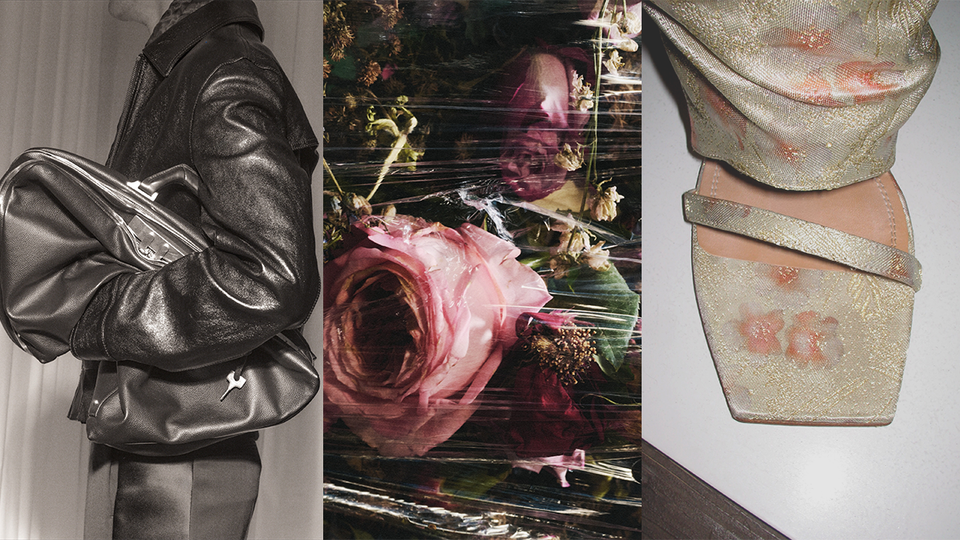
Literally 'old money' — the old-money look of dressing as if your taste were inherited across generations, rather than flaunting newly earned wealth. A roughly 300% spike in searches for "'90s office looks" on Xiaohongshu has translated into strength for logo-free brands like The Row, Toteme, and Lemaire.
Behind this is a structural shift. According to Xiaohongshu data cited by iClick, searches related to "brand quality" and "craftsmanship" jumped 75% and 60% year over year, respectively. Understanding why something qualifies as luxury now matters more than the size of the logo.
An intriguing position in this current belongs to Stone Island. Workwear DNA on the surface, but aimed at a high-end target where function and aesthetics intersect precisely. For consumers seeking a brand with 'unmistakable heritage, minus the display,' Stone Island is one of the most persuasive choices available.

② 情绪价值 (Emotional Value)
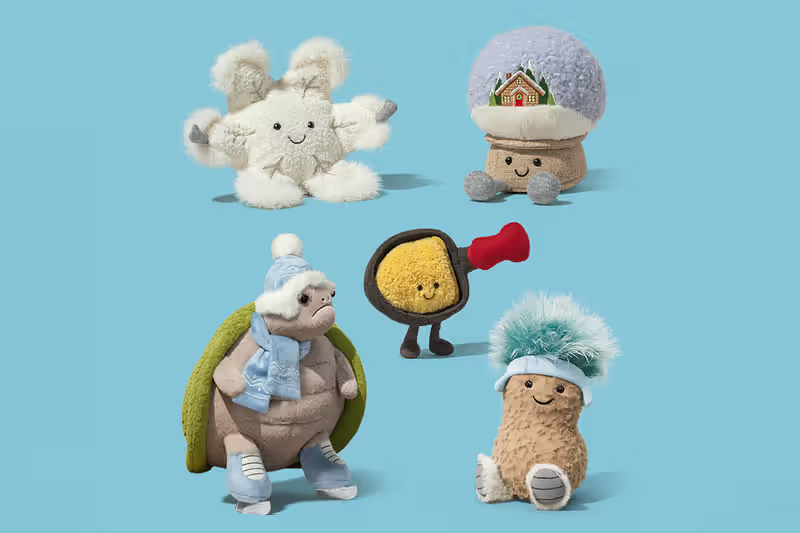
The Plush Toy That Took Over the Luxury Mall's Ground Floor: Jellycat
The keyword running through China's 2026 consumer market is 'emotion' — a mode of spending where wallets open not for a product's specs, but for the comfort and joy it delivers. China's 'emotional consumption market' is estimated at roughly 2 trillion yuan (about $280 billion), and at the Taobao·Tmall industry summit, 'emotional value' was officially named a key growth track for the next five years.
At the peak of this current sits Jellycat, the London plush toy brand. No longer a mere toy, it has evolved into the 'ultimate accessory' dangling from high-end consumers' bags — the Hermès of Gen Z. On Xiaohongshu feeds, casually clipping a limited-edition Jellycat onto a Hermès Birkin or a Miu Miu bag reads as the coolest form of 'emotional flex.'
Emotional consumption completely neutralizes price resistance. A plush toy of cotton and fabric, priced in the hundreds of dollars, has become a top cash cow under the banner of 'comfort for myself.' The proof: traffic power overwhelming enough to fill the center of the ground floor of Shanghai's most exclusive luxury mall (Plaza 66) with a standalone Jellycat pop-up. It's why even the most discerning high-end select shops willingly display this 'silent plush' beside luxury clothing — defending dwell time and basket size at once.

Outdoor: No Longer a Trend, but 'Baseline Stock'
China's outdoor sports population had already passed 400 million by the end of 2021. Over the same period, Tmall searches related to "outdoor" surged more than 600%. According to McKinsey, China's outdoor sportswear sales have doubled in the past five years. Gorpcore was the trend this enormous demand created.
But in 2026, the trend's outward appearance has gone quiet. It has evolved into 'Quiet Outdoor' — keeping the function while blending naturally into everyday life, rather than flaunting brightly colored Gore-Tex.
Arc'teryx, Patagonia, Salomon. The reason these three brands remain valid on Xiaohongshu isn't that they ride trends — it's their durability in holding their ground after trends end. Immune to fashion cycles, they carry no toxic-inventory risk and sell through on their own regardless of season. If gorpcore was a trend, Quiet Outdoor is already a select shop's basic infrastructure.

④ 痛文化 (Itasha Culture)
When Taste Becomes Devotion: Extreme Reorder Rates
The most explosively growing category on Xiaohongshu in 2025 wasn't fashion or beauty. It was animation (+175%) and gaming (+168%) content. That's why 'tong culture' (痛文化) — the anime and gaming fandom practice of displaying one's obsessive tastes without restraint — has risen to become a mainstream consumption language in 2026. The brands surviving inside this raw code and driving shop revenue share one clear trait: a genuine 'history' of having actually been immersed in the subculture scene.

Carhartt WIP is the perfect example. Far from skimming the surface of a trend, it dove straight into the heart of subculture — graffiti, skateboarding, hip-hop — and fully re-translated American workwear into European streetwear. This past February, its fourth SS26 collaboration with sacai elevated that workwear DNA into a weighty high-end hybrid.
CDG PLAY occupies this space of devotion in a different way. Launched in 2002 as an 'antithesis of design,' the line sits precisely in the gap between subculture select shops and high-end houses. The buzz around the third CDG × The North Face collaboration — the two brands' logos mirrored face to face — and the Converse collaboration line, now a seasonless cash cow for Asian select shops, prove the point.

In the end, the fact that two heterogeneous codes — 'laoqianfeng' (old money) and 'tong culture' (subculture) — are exploding simultaneously on a single platform hands buyers an important hint. Consumers with real sensibility are now demanding a clever brand portfolio capable of digesting both extremes.