MINJUKIM and 8seconds' Collaboration Strategy
A business strategy in which a SPA brand and a designer brand exchange each other's value.
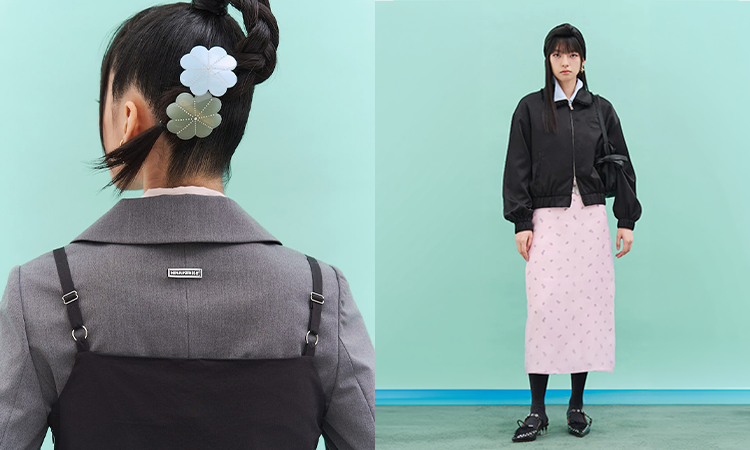
Global designer brand MINJUKIM has unveiled its second collaboration with 8seconds. We look at how MINJUKIM's design language expands when it meets an accessible price range and distribution network.
8seconds and MINJUKIM have teamed up again. It's their second collaboration, following their first last September. In the first collaboration, key products such as the neck ruffle cardigan, frill long dress, and volume short jacket sold out, and this year they've returned with a 2026 FW collection with an expanded product range.
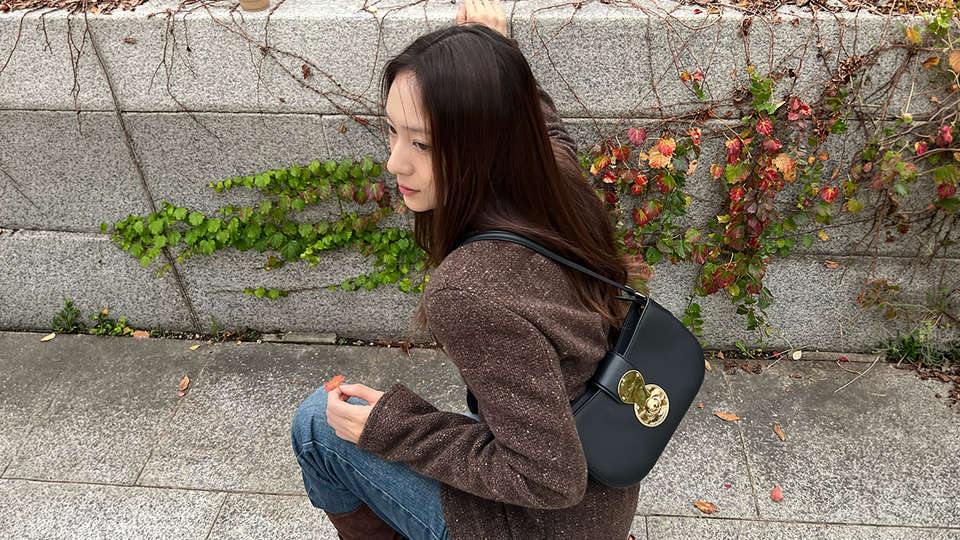
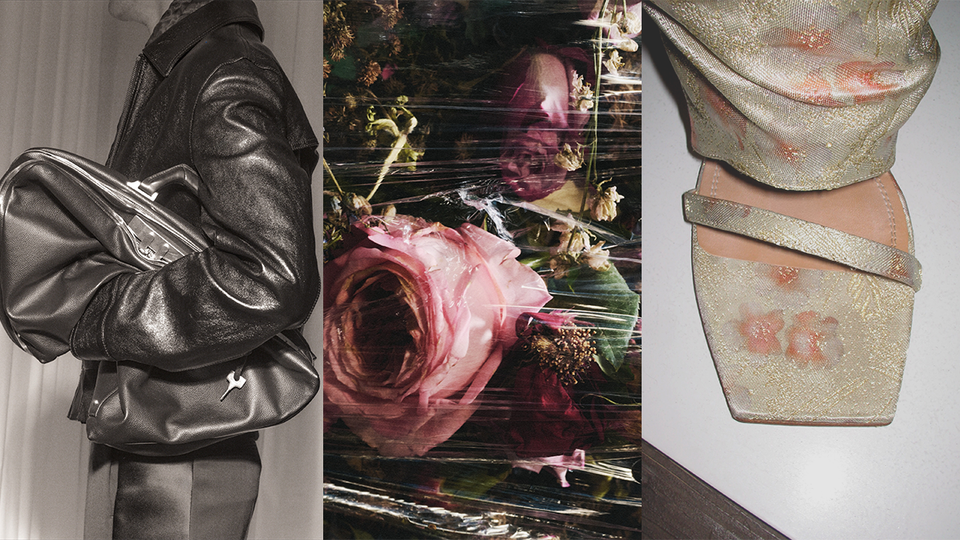
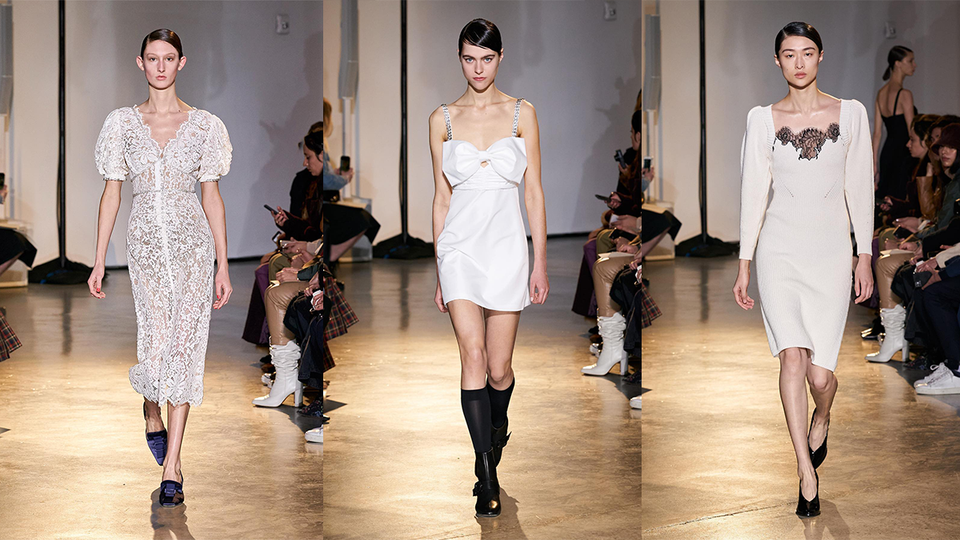
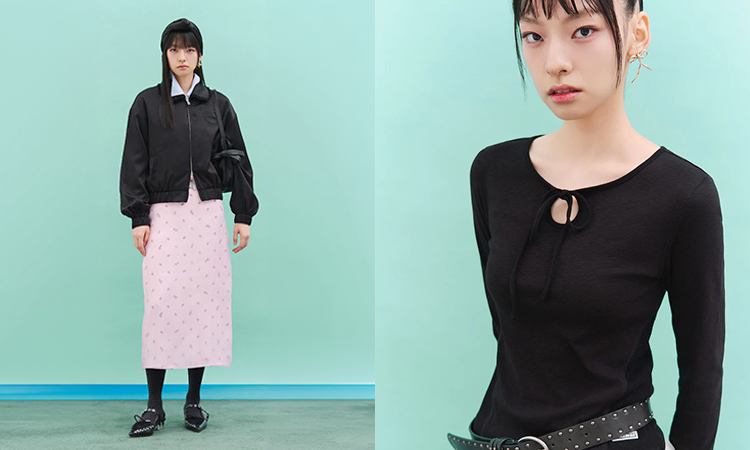
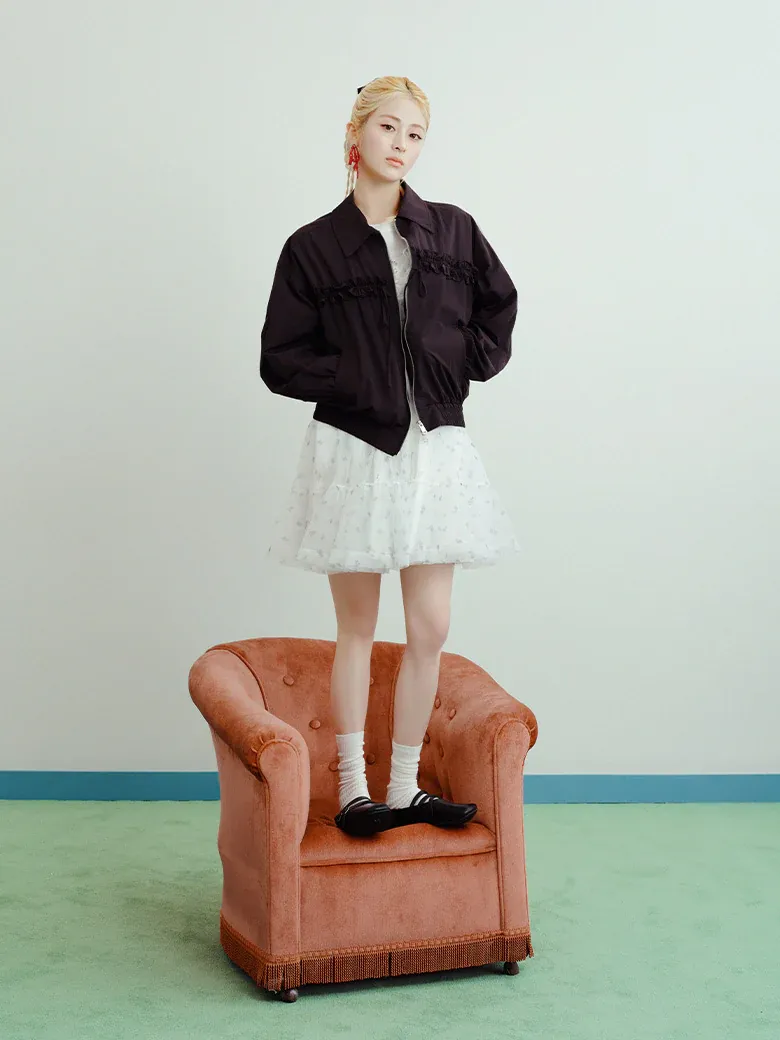
The star of this collection is MINJUKIM's design language more than 8seconds. Elements the brand has consistently used, such as ribbons, frills, floral embroidery, tulle, and lace, have been carried over into products that are easy to wear every day. On top of that, a heart clover motif created specially for the collaboration was added, and the product range was expanded from blousons, cardigans, blouses, and dresses to hairpins and ribbon bags.
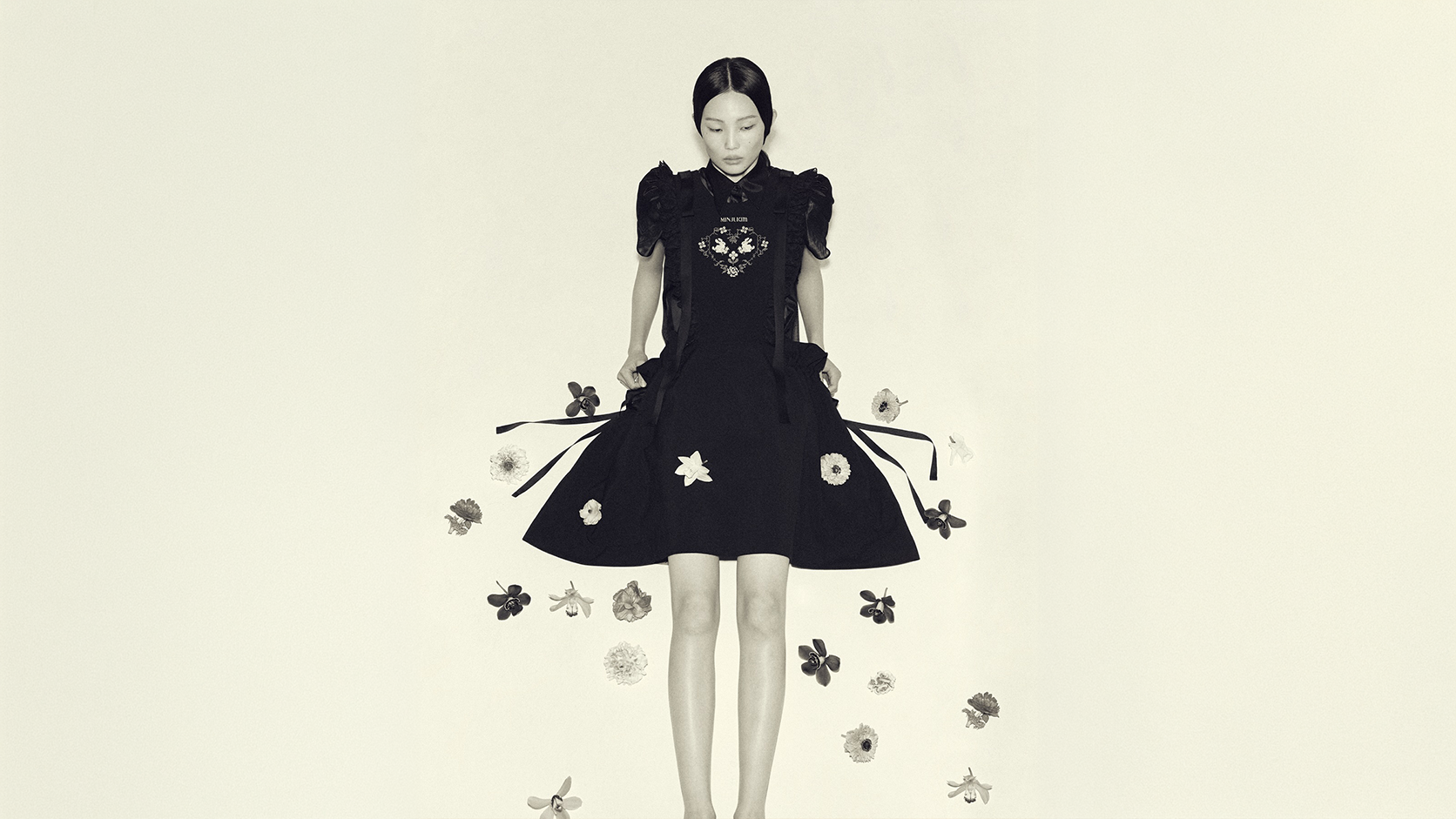
MINJUKIM: A Brand That Turns Fairy-Tale Imagination into Clothing
MINJUKIM is a brand led by designer Minju Kim. Through fairy-tale imagination, rich colors, voluminous silhouettes, and delicate ornamentation, it has built a relatively distinct design language.
She gained international recognition through the global fashion competition show Next in Fashion, and has since continued presenting independent collections centered on the brand bearing her name. MINJUKIM's strength lies less in a specific logo and more in visual characteristics that make the brand recognizable from the shape and details of the clothes alone.
By combining elements that could easily look overly decorative, such as ribbons, frills, and floral motifs, with bold silhouettes, it creates MINJUKIM's own romantic and playful mood.
These characteristics haven't changed much in this 8seconds collaboration either.
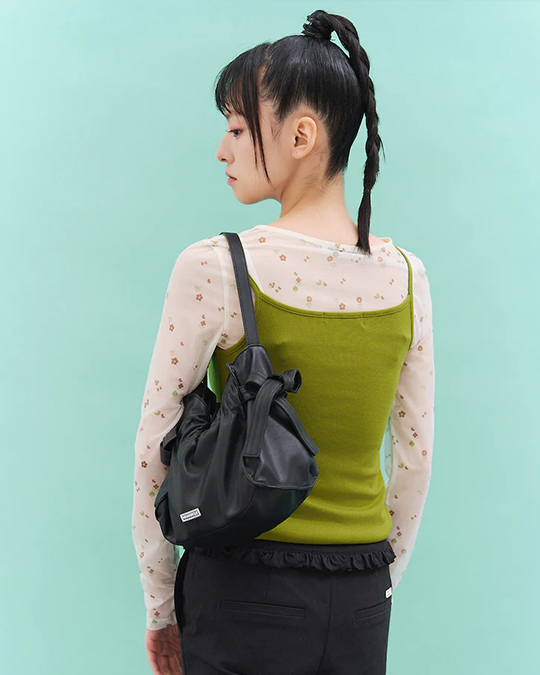
How a Designer's Language Translates into Everyday Wear
The theme of this collection is "A Bouquet of Heart." It keeps MINJUKIM's signature romantic elements while adding the everyday-wear character of 8seconds.
For example, while some products, like the ruffle cardigan and shirred ribbon blouse, immediately show MINJUKIM's signature traits, frills and ornamentation have also been applied to items that are relatively easy to wear day to day, such as a faux leather blouson, hoodies, and capri pants.
Prices are also more accessible than MINJUKIM's main collection. Based on 29CM listings, the ruffle cardigan is about $50, the tulle dress about $79, and the blouson about $100.
So rather than simply putting the MINJUKIM logo on 8seconds products, this collaboration is closer to reinterpreting a designer brand's signature traits into products that a broader range of consumers can experience.
First Collaboration's Sellout Leads to a Second Collection
The fact that this is their second collaboration also matters.
As key products from the first 2025 collection, such as the neck ruffle cardigan, frill long dress, and volume short jacket, sold out, it confirmed that MINJUKIM's designs could create demand even at an accessible price point. Expanding the product range this year into both apparel and accessories is also a move based on that response.
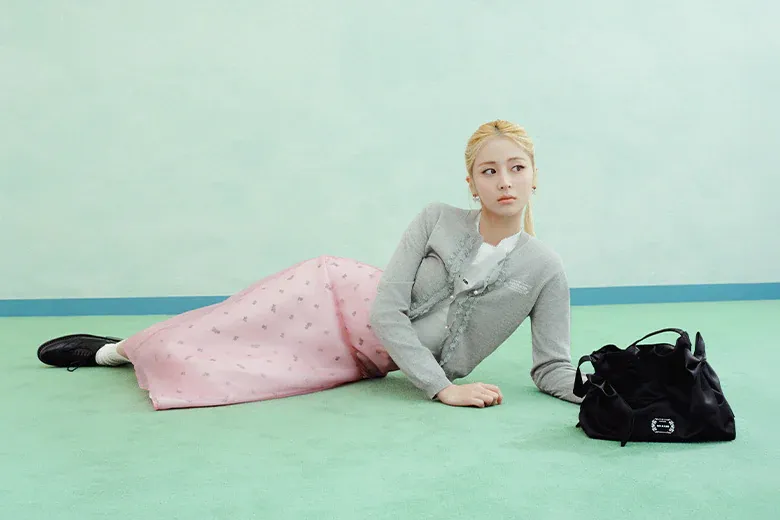
This time, LE SSERAFIM's Huh Yunjin has also joined as 8seconds' FW model. Starting with the collaboration photo shoot, she is set to take part in the brand's second-half campaign.
In other words, a designer brand's design → accessible products → a large distribution network → a K-pop modelare all connected within a single collaboration.
What the Two Brands Need from Each Other
For MINJUKIM, 8seconds is a distribution touchpoint for showing its designs to a wider range of consumers.
Independent designer brands have strong design differentiation, but their touchpoints with consumers can be limited in terms of price and number of stores. By using 8seconds' stores and sales channels such as SSF SHOP and 29CM, MINJUKIM can extend its reach to consumers encountering its designs for the first time.
Conversely, 8seconds needs MINJUKIM's distinct design language. That's because a designer collaboration can make up for the buzz and design differentiation that a mass casual brand finds hard to create with its own products alone.
If the first collaboration was a stage for checking sales response, the second can be seen as a stage for checking whether two brands with different strengths can continue their relationship.
💡 Fashion Business Insights
Brands: In a collaboration, look for design assets that can be carried over rather than name recognition:MINJUKIM has a relatively clear design language, with ribbons, frills, and voluminous silhouettes. A collaboration's point of difference can become clearer when the partner has visual characteristics that can be applied to existing products, rather than simply lending its name.
Marketers: Use the response to the first collaboration as the narrative for the next: Last year's sellout of key products became the basis for this year's second collaboration. The approach of confirming actual sales response and then expanding the product range and campaign, rather than stopping at one-off buzz, is also worth referencing.
Buyers: See products chosen by SPA brands as signals of market spread: When a large SPA brand starts reflecting a particular brand's key items or design elements, it's worth noting whether that trend is expanding into the mass market. When buying, it's good to look not only at the brand itself but also at which products are being translated for the mass market.