The Reinvention of Abercrombie
From moose-logo T-shirts to tailored suits, the revival of Abercrombie & Fitch.

Abercrombie & Fitch (A&F)
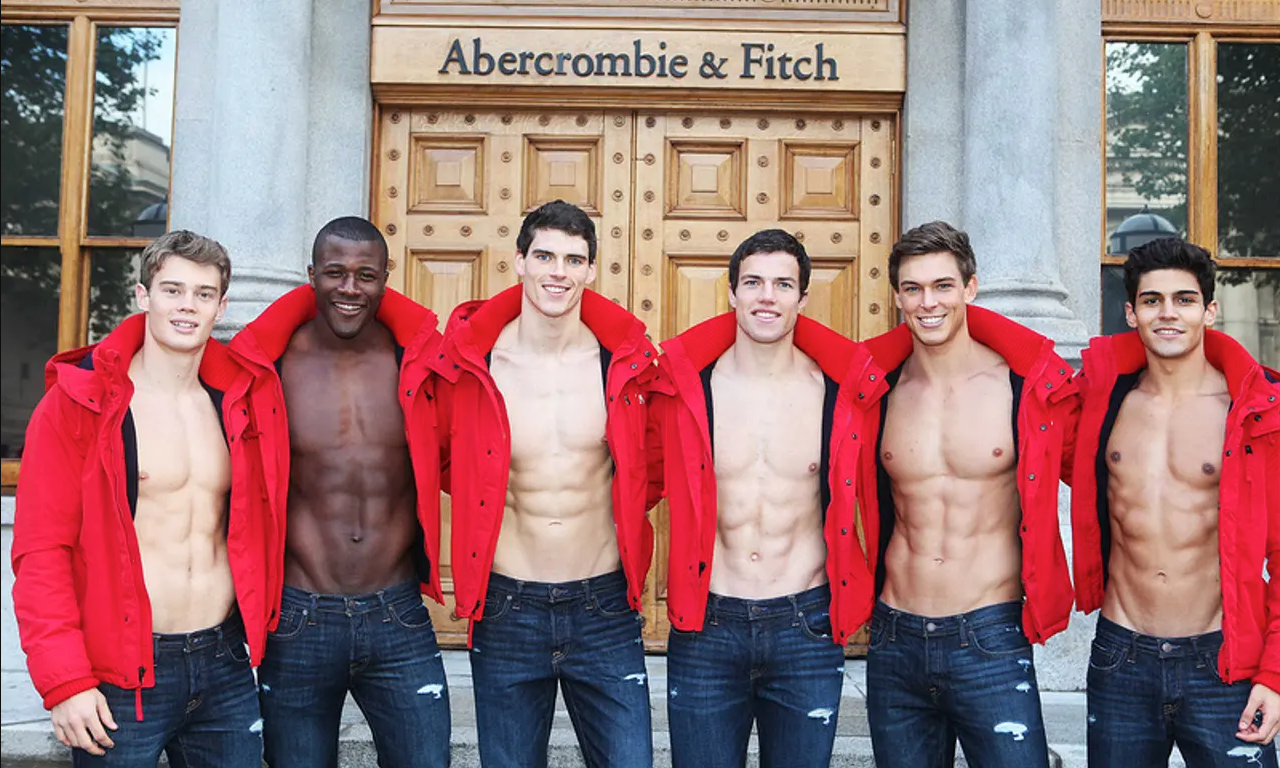
In the early-to-mid 2000s, shirtless male models with chiseled six-packs guarded the doors, and the dark, cologne-drenched stores were a symbol of exclusivity that made anyone who wasn't a "fit American teenager" think twice about even walking in.
In 2026, A&F stands before us looking completely different.
Instead of the scent of Fierce cologne, it sells tailored suits in premium fabrics and talks about inclusive values. The results are remarkable. It posted FY2025 revenue of about $5.27 billion, surpassing $5 billion in annual sales for the first time in its history, and has kept its operating margin in the double digits for three years running. That puts it among the very top of the industry, shoulder to shoulder with the hottest contemporary brands.
But what we need to pay attention to now isn't just A&F's spectacular comeback itself. Its successful reinvention is the clearest warning sign yet of how much pressure the "contemporary middle layer," the backbone of the fashion market and once its most solid segment, is now facing from above and below at the same time.
What Changed
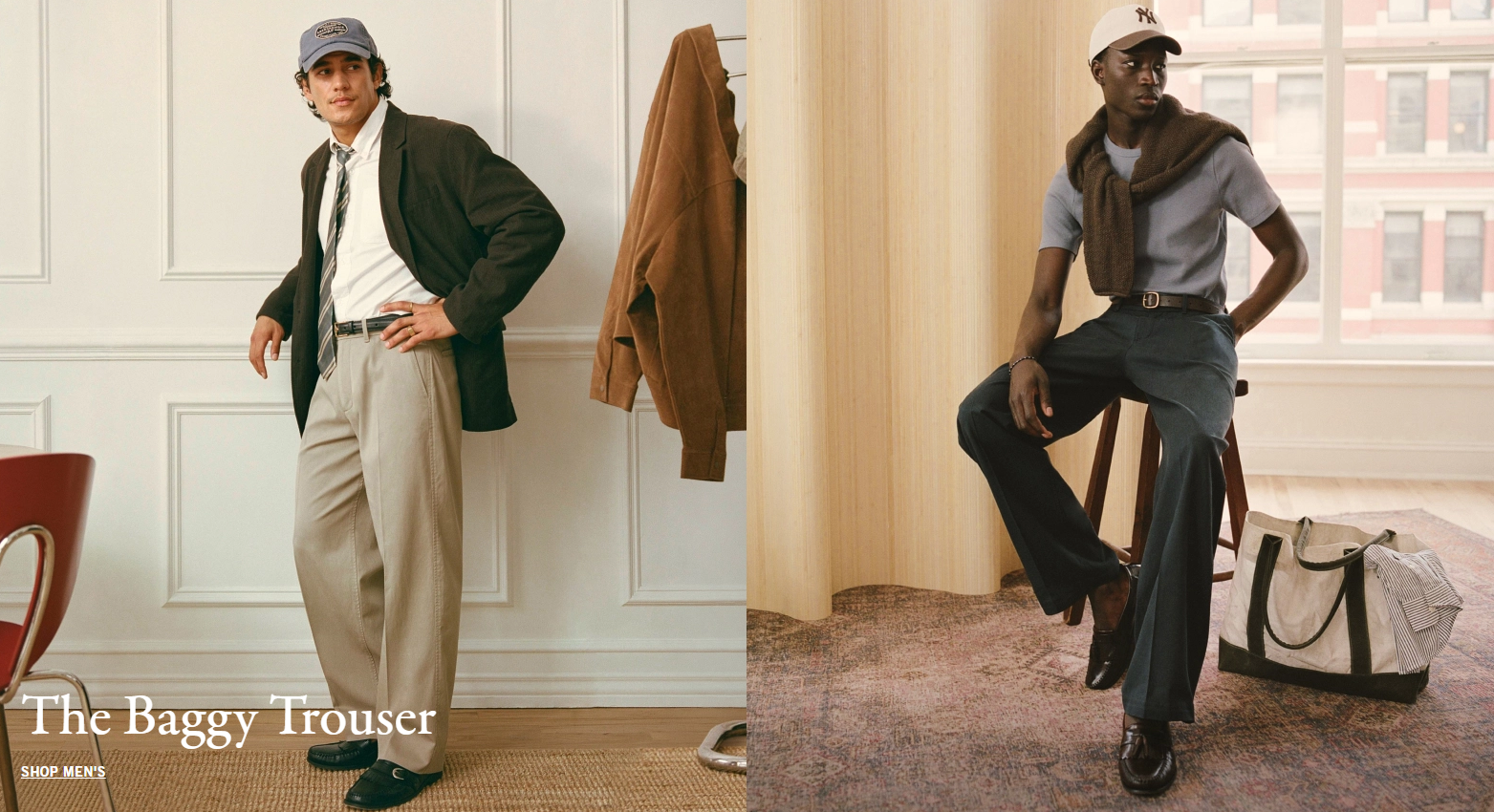
A&F's transformation goes far beyond removing a logo and raising prices. It transplanted the brand's DNA entirely.
A Maturing Target
It no longer fixates on teenagers. Targeting millennials who grew up with A&F and older Gen Z (ages 25–35), it has reinvented itself as a refined brand that covers both their everyday lives and their special moments.
An Elevated Product Language
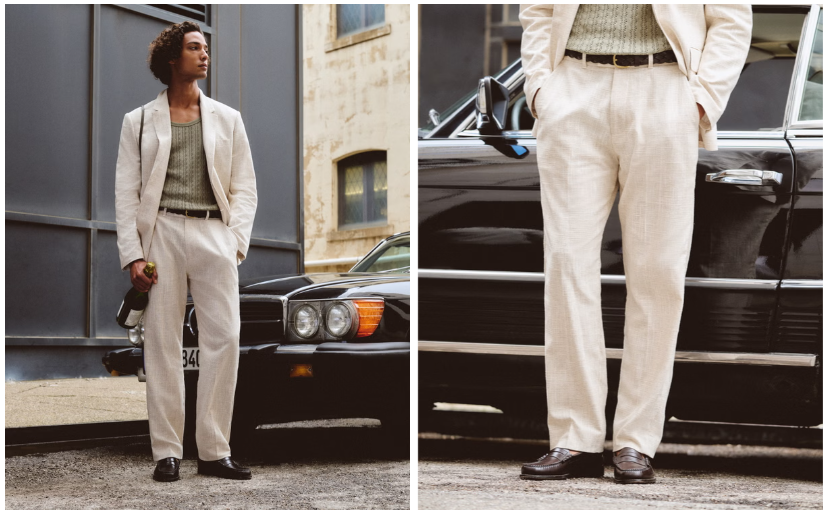
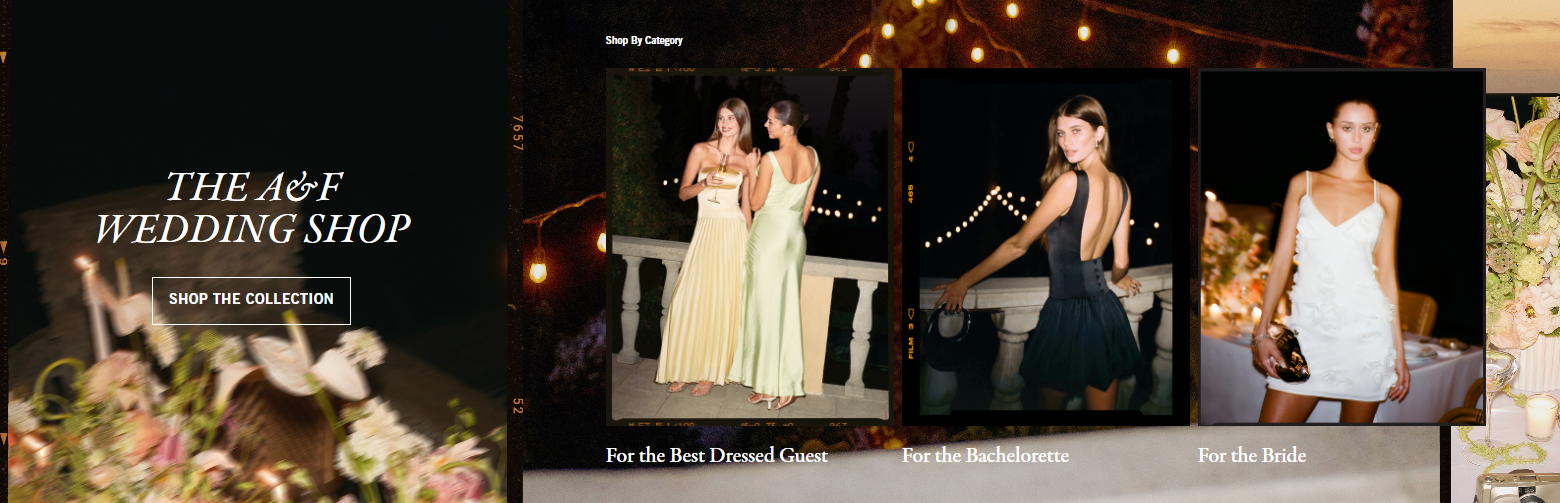
The stores are now filled with light instead of darkness, and the fabrics have noticeably improved. A "Wedding Shop," the activewear line "YPB," and even tailored suits. It focuses not on teen casualwear but on "curated essentials" you can wear to work, on vacation, or to a wedding.
The Grammar of Operations
This is no longer the mall-based company of the past that chased traffic with markdowns (discounts). It tightly controls inventory and defends its margins. "Quality and Craft" is its new core value.

A&F no longer competes with Gap or Old Navy. Its new competitors are contemporary labels like Aritzia, Club Monaco, and Theory.
The Contemporary Sandwich
A&F's dramatic transformation is, in fact, a chilling warning to contemporary brands stuck in the middle ground. Brands in an in-between position are now trapped with no escape, squeezed from three directions.
From Above, Luxury Lowers the Barrier
Miu Miu dangles the temptation of "at this price, why not just buy luxury?" with sunglasses at around $400 and small leather goods. For consumers, there's less and less reason to buy a brand at an ambiguous price point.
From Below, Mass Brands Go Premium
Mass brands like A&F and Aritzia are surging upward with "fabrics and fits that rival luxury." The boundaries of quality have collapsed.
From the Side, Giant Platforms Steal Every Design
No matter how original a silhouette you create, within days cheap knockoffs flood dinosaur platforms like Shein. The era of competing with merely "similar designs" is over.
In the end, brands that relied on "decent value for money" or "decent trendiness" have lost their footing. Just as Sandro leans on the intellectual image of the "National Library of France" and Maje sells the fantasy of the "Parisienne," it's hard to survive without a sharp narrative answering "out of all the clothes out there, why this brand?"

What to Pick and What to Drop
In such a suffocating market, by what criteria should buyers pick out the pearls in the mud? Here are three intuitive hints drawn from A&F's success.
First, does it have an unshakable "story of its own"?
When choosing a brand, ask yourself, "Will this brand still speak with the same voice five years from now?" Just as A&F revived itself by dropping its flashy logos of the past without regret and choosing "relaxed clothes for grown-ups," only brands with a clear philosophy that isn't tossed around by trends can hold on to customers.
Second, does it have a weapon the giants can never imitate?
Ordinary categories like workwear and basic suits have already become hunting grounds for big capital like A&F. Multi-brand stores need to give customers a "secret reason you can only buy it at our store," something big brands can't touch even with all their capital, such as strictly limited small-batch production, a founder's unique story, or exclusive materials found only in a specific region.
Third, do customers willingly open their wallets without a sale tag?
The real secret behind A&F's huge profits was resisting the temptation to discount and managing inventory meticulously. The core of buying in 2026 is finding brands that consumers willingly value and buy at full price, without the compromise of "if it doesn't sell, we'll just mark it down at season's end."
💡EDITORIAL SMALL TALK
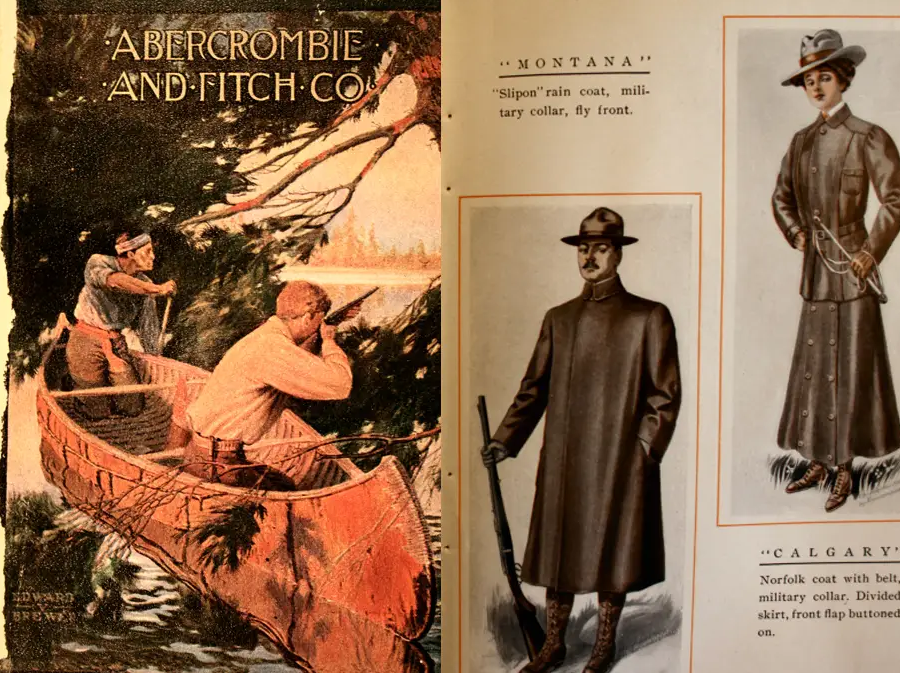
Trace A&F's history back and you'll find an interesting fact. When it was founded in 1892, it was a luxury outdoor equipment company with Ernest Hemingway as a regular customer. A hundred years later, it became "the dark teen store that smelled of Fierce cologne," and 30 years after that, it became "premium workleisure." One name has lived three completely different lives. Brand identity can be changed. But when you change it, the first thing you have to decide is "what to let go of." By letting go of "its past formula for success (exclusivity)," A&F gained a new $5 billion future.