How Burberry Is Making Its Comeback
The trench coat and British heritage, back in the spotlight.
In May 2026, Burberry announced its FY2026 results. Annual comparable sales rose 2%, and adjusted operating profit grew from £26 million the previous year to £160 million. In the fourth quarter, Greater China and the Americas each posted 10% comparable sales growth. After a period of weak performance, signs of recovery have emerged.
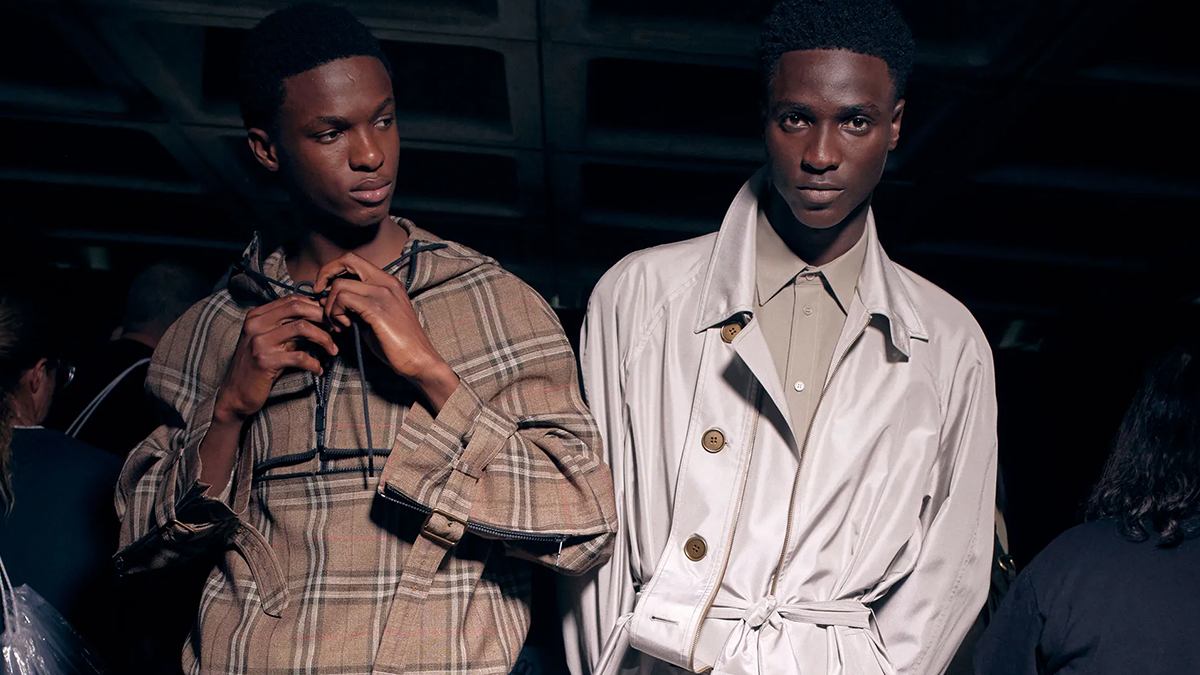
What's notable about this recovery is not only the results but the change in strategy. CEO Joshua Schulman has been realigning the brand around outerwear, check, and British heritage. Rather than chasing competition at the very top of luxury, the direction is to put the brand's existing strengths back in front.
From the Luxury Race Back to the Brand's Essence
Joshua Schulman, who joined Burberry in 2024, has focused on redefining the brand's direction. Under the previous leadership, the brand pursued a strategy of raising prices and elevating its luxury image, but critics argued that the outerwear and British identity it had built over many years had become relatively blurred.
Under Schulman, the brand is once again emphasizing the assets Burberry has accumulated, such as the trench coat, the check pattern, and its British cultural context. It's a strategy of sharpening the brand's identity and restoring competitiveness around its core products.
Burberry Forward and the Resurgence of Outerwear
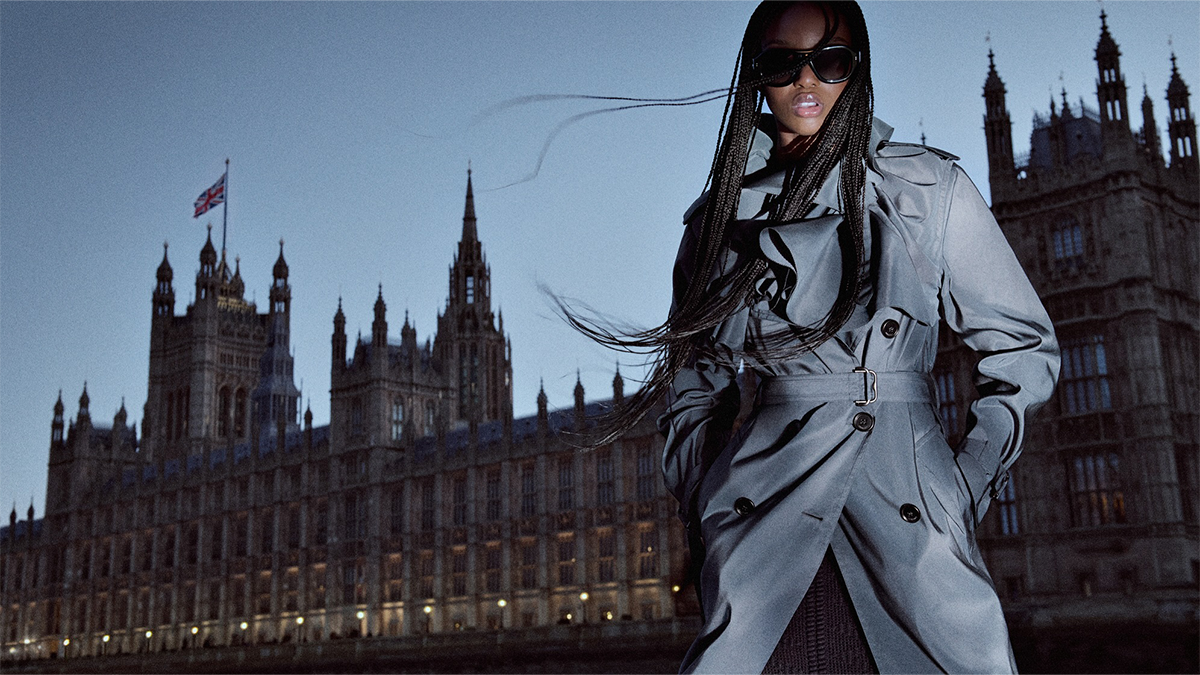
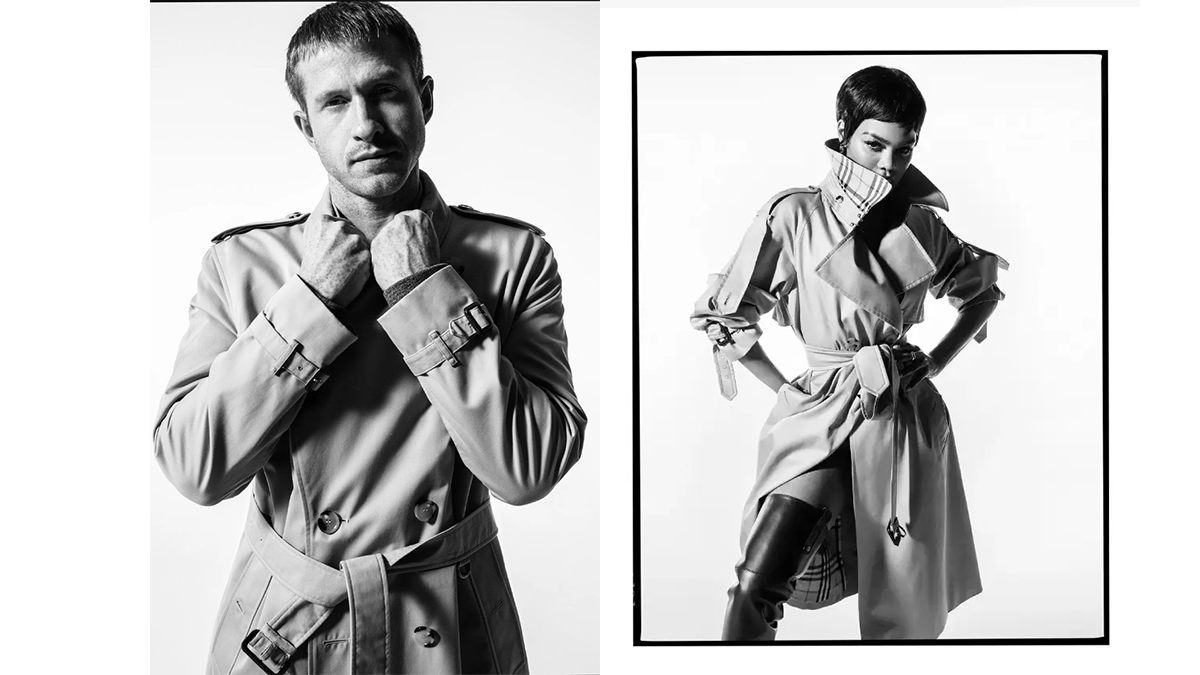
Burberry's strategic shift also shows in the collections and campaigns of creative director Daniel Lee. The FW26 collection reflected British landscapes and culture with the trench coat at its center, and about 60% of the collection was presented as including trench coats.
The Autumn 2026 campaign, "Burberry Heads Back to the City," showcased trench coats and a range of outerwear against the backdrop of London's commute. Connecting signature products such as the Foxfield trench and the Leadenham jacket to everyday city life, it showed the brand's core category in real wearing contexts.
Product strategy, too, is moving from a runway focus toward products across a range of price points. It can be seen as a move to create touchpoints with a broader customer base while keeping the core designs intact.

Putting 170 Years of Heritage Back to Work
Marking its 170th anniversary, Burberry is spotlighting the brand's history and outerwear in a variety of ways. Inspired by 2009's "The Art of the Trench," the "170: The Anniversary Portraits" campaign photographed 170 people in London, New York, Seoul, and Shanghai. Expressing each person's individuality and style through outerwear, including the trench coat, it used signature products as a medium for revealing personal identity.
The exhibition "The Burberry Trench: Crafting an Icon" at the V&A Museum explores the invention of the trench coat, its craftsmanship, and how its design has evolved for today. The brand is also pursuing a long-term partnership that will renew the museum's fashion gallery as "The Burberry Gallery" in 2028. It's a move to extend the brand's archive into exhibitions and cultural content.
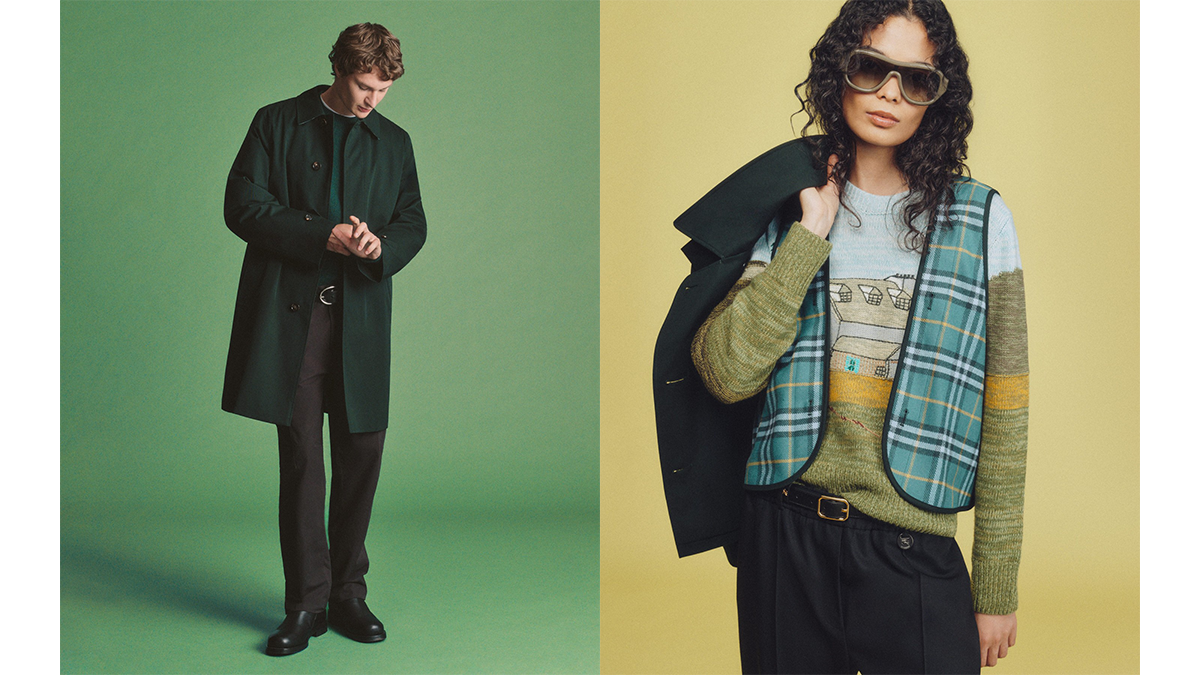
The capsule collection with Highgrove also shows the direction of drawing on British heritage. Based on a shared interest in the outdoors, it combined watercolor works by King Charles III with Burberry's signatures.
The brand is investing a high-single-digit percentage of revenue in marketing, rolling out campaigns and brand activation efforts primarily in the US and China. It's a strategy of emphasizing the brand's history and core products while broadening consumer touchpoints in key markets.
Changes have also appeared in brand interest. On the Lyst Index, Burberry returned to the rankings at No. 17 in Q2 2025, then rose to No. 13 in Q3. This can be referenced as a supplementary indicator of shifting consumer interest. Price adjustments and reduced promotions are also part of a strategy to strengthen full-price sales.
EDITORIAL SMALL TALK
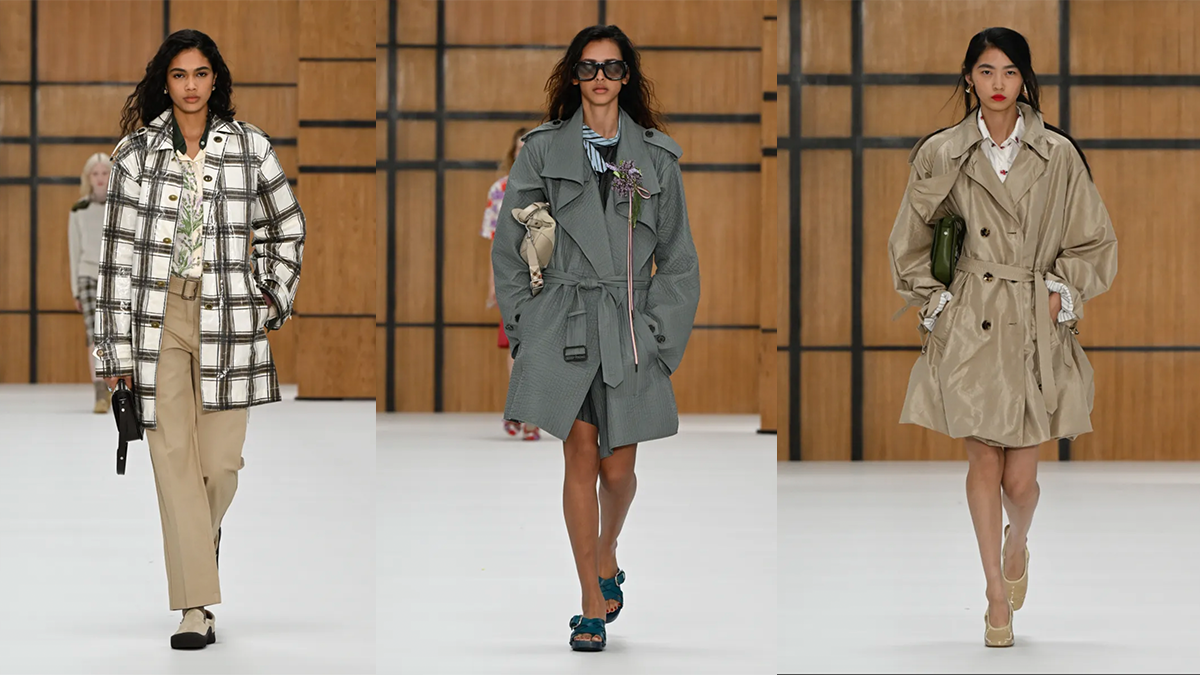
Rather than creating a new identity, Burberry is putting the strengths it has built over time back in front. It is realigning its products around the trench coat and check, and conveying its British heritage in a variety of ways through campaigns and exhibitions.
Whether this strategy of restoring the competitiveness of its core products while broadening its customer base and cultural touchpoints will translate into long-term brand competitiveness is something to watch, along with next season's product assortment and consumer response.