Carhartt and the Identity of Workwear
Workwear heritage and its cultural expansion.
Founded in 1889 in Detroit as workwear for railroad workers, Carhartt grew on the strength of durable materials and practical design. Carhartt WIP, which later began in the European market, reinterpreted the original workwear and broadened its touchpoints with a range of subcultures, from skateboarding to music, building a brand identity of its own. We look at how Carhartt's brand evolved from workwear into street and contemporary fashion, all the way through its FW26 collection.
From Detroit in 1889 to Europe in 1994
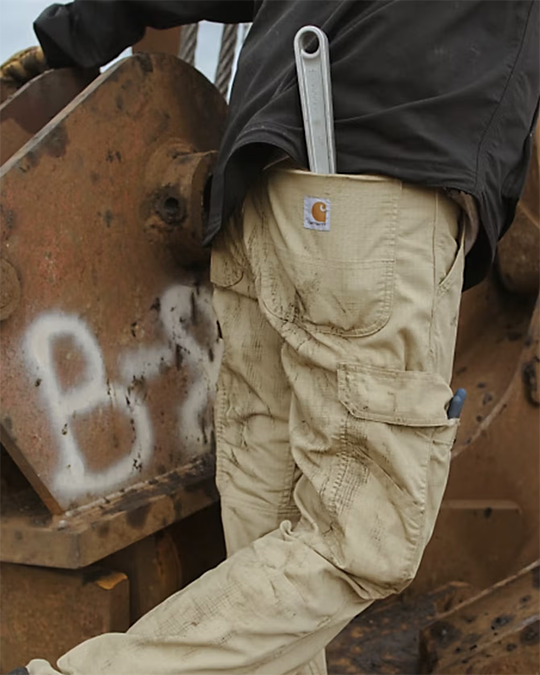
Carhartt was founded in 1889 by Hamilton Carhartt in Detroit as a workwear brand for railroad workers. Having grown around durable fabrics and practical construction, the brand reached a new turning point in 1989, when Edwin Faeh began introducing it to the European market. In 1994, Faeh founded Work In Progress (WIP) to handle Carhartt's exclusive European distribution, and through its own collections and stores, it went on to reinterpret the original workwear for the European market.

From Skateboarding to Music: Broadening the Community
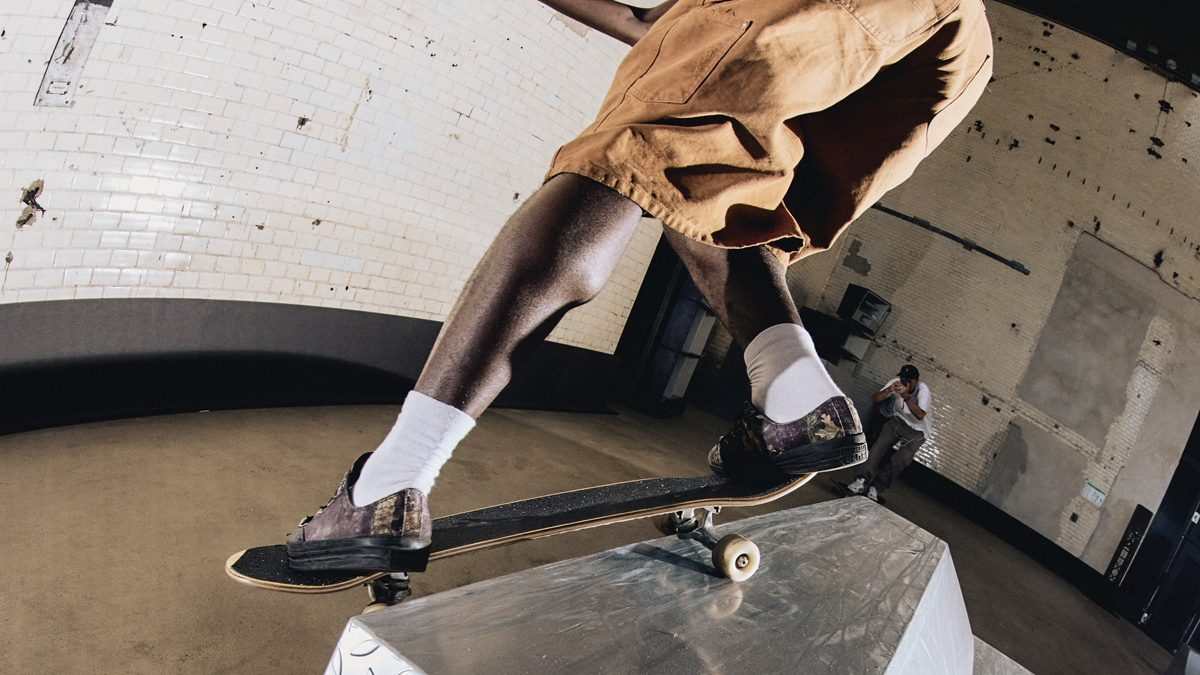
Carhartt WIP didn't stop at distributing products; it broadened its touchpoints with subcultures. In 1997, it launched skateboarding and BMX teams, and in 2000, it introduced a women's collection and the music label Combination Records. After publishing its own magazine in 2003, it launched Carhartt WIP Radio in 2008, expanding its activities into music and publishing.
These were channels for introducing workwear to people outside the job site. The clothes stayed the same. The people wearing them changed.
Keeping the Design, Widening the Scope of Collaboration
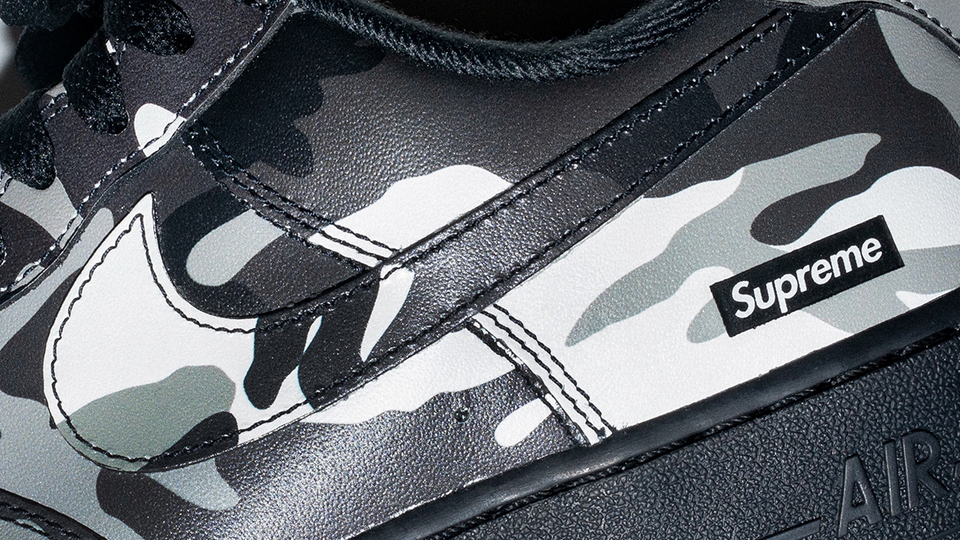
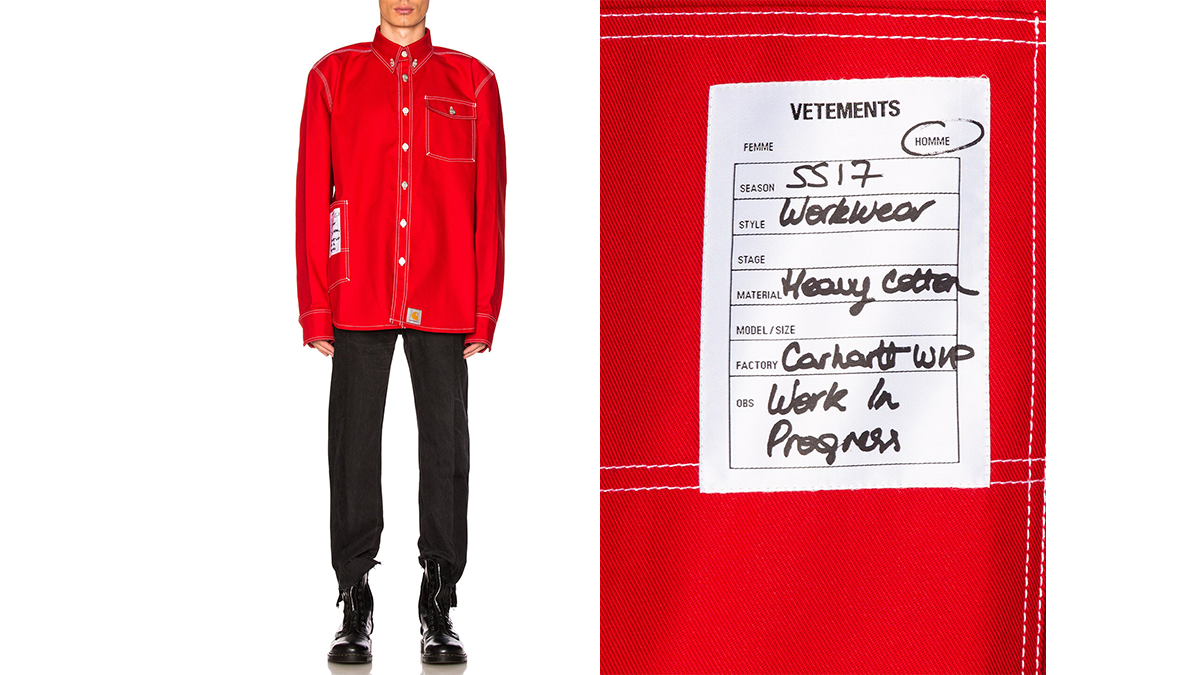
From 2010, Carhartt WIP rolled out collaborations with a wide range of brands, including A.P.C., Converse, Fragment Design, Junya Watanabe, and Nike. It went on to continue projects with many other partners, including Vetements and sacai.
The partners changed. The clothes didn't.
Whether A.P.C., Junya Watanabe, or Vetements came on board, Carhartt WIP's canvas fabric and triple stitching stayed the same. Rather than using collaborations to change the brand's identity, it used them as channels for meeting new communities.
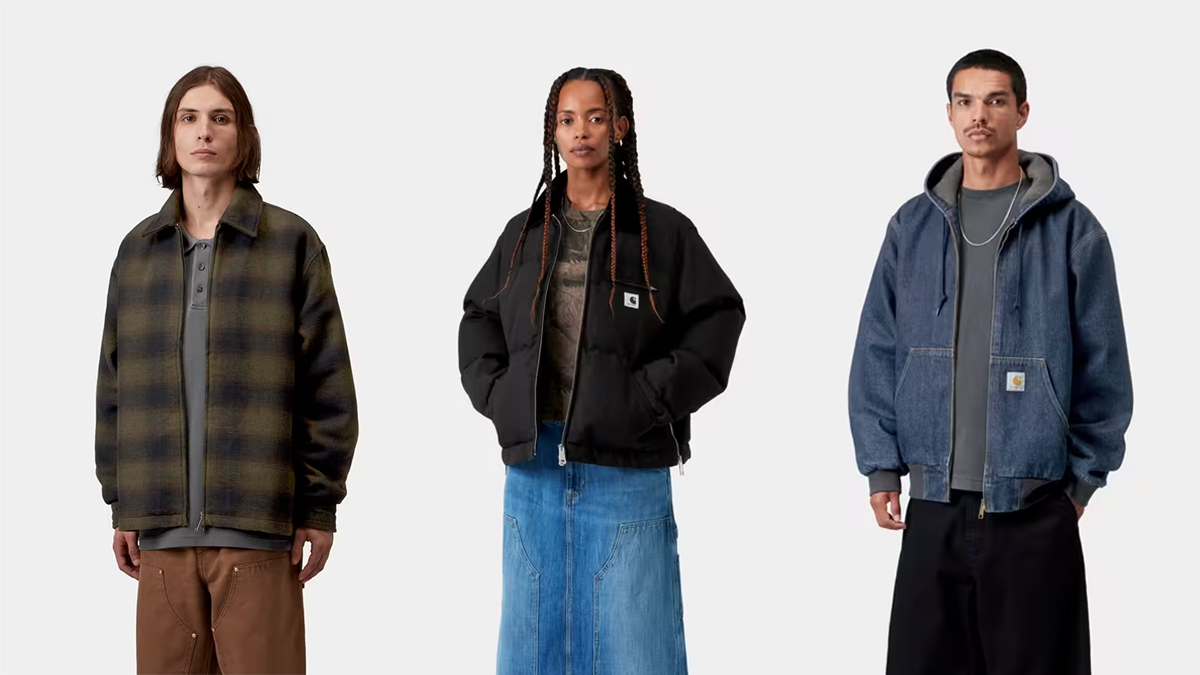
FW26: A New Way of Wearing the Archive
This season follows the same approach. It didn't put new silhouettes front and center. The OG Trucker Jacket carries over the construction of the Type-III jacket as is, and the Stanwood Jacket updates the Detroit Jacket in waterproof nylon. The denim line adds variation with reinforced panels and marble washes. Flannel, corduroy, and brushed knitwear fill out the textures, and four winter outerwear pieces close the collection.
It's an approach that leaves the archive assets intact and builds the season through materials and finishes. It's a formula the brand has used for three decades.
💡 EDITORIAL SMALL TALK
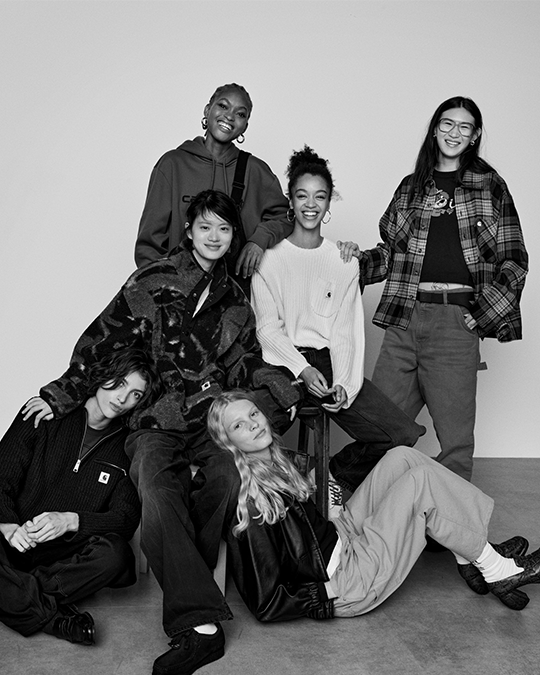
Carhartt WIP has broadened its touchpoints through the European market, subcultures, and global collaborations while keeping the materials and silhouettes of workwear.
Its approach of connecting with new communities rather than drastically changing its products is worth looking at as a strategy for growing while maintaining a brand's identity.