The Promise Ralph Lauren Has Kept for 26 Years
Pink Pony's healthcare support expands to Korea.
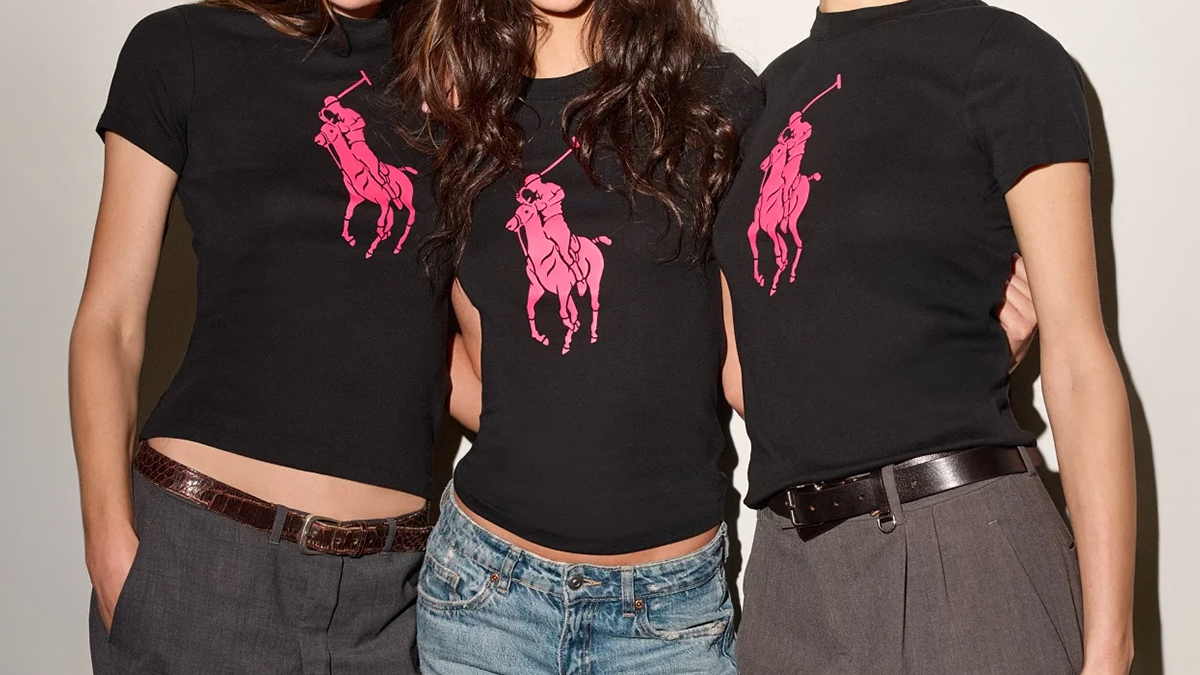
On September 29, Ralph Lauren unveiled "The Power of Us," its 2026 Pink Pony campaign.
This year, its activities are also expanding in Korea. Ralph Lauren announced that it will partner with the National Cancer Center Foundation of Korea to establish the Ralph Lauren Center for Patient and Family Recovery, supporting the recovery of patients and their families, at the National Cancer Center in Goyang, Gyeonggi Province. In Korea, too, its efforts now extend beyond donations through products to a dedicated space for healthcare support.
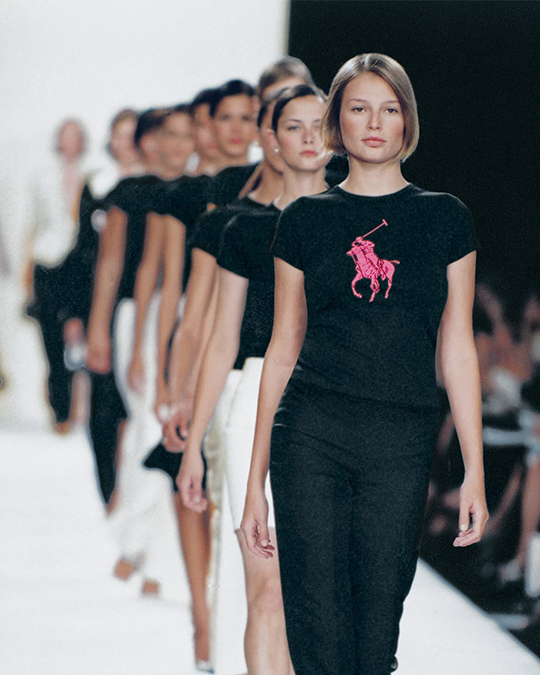
Pink Pony, Born from a Personal Resolve
Behind Pink Pony is Nina Hyde, Ralph Lauren's friend and former fashion editor of The Washington Post. Ralph Lauren, who lost Hyde to breast cancer in 1990, continued to support cancer research through the Nina Hyde Center for Breast Cancer Research, which he co-founded at Georgetown University. A personal resolve to support cancer treatment and research came first, and Pink Pony was the project that extended that intention into a brand-level initiative.
Then, in 2000, Ralph Lauren officially launched the Pink Pony campaign. It created a structure that raises awareness of cancer through fashion products and connects sales proceeds to real support. An effort that began with a personal experience grew into the brand's long-term philanthropic program.
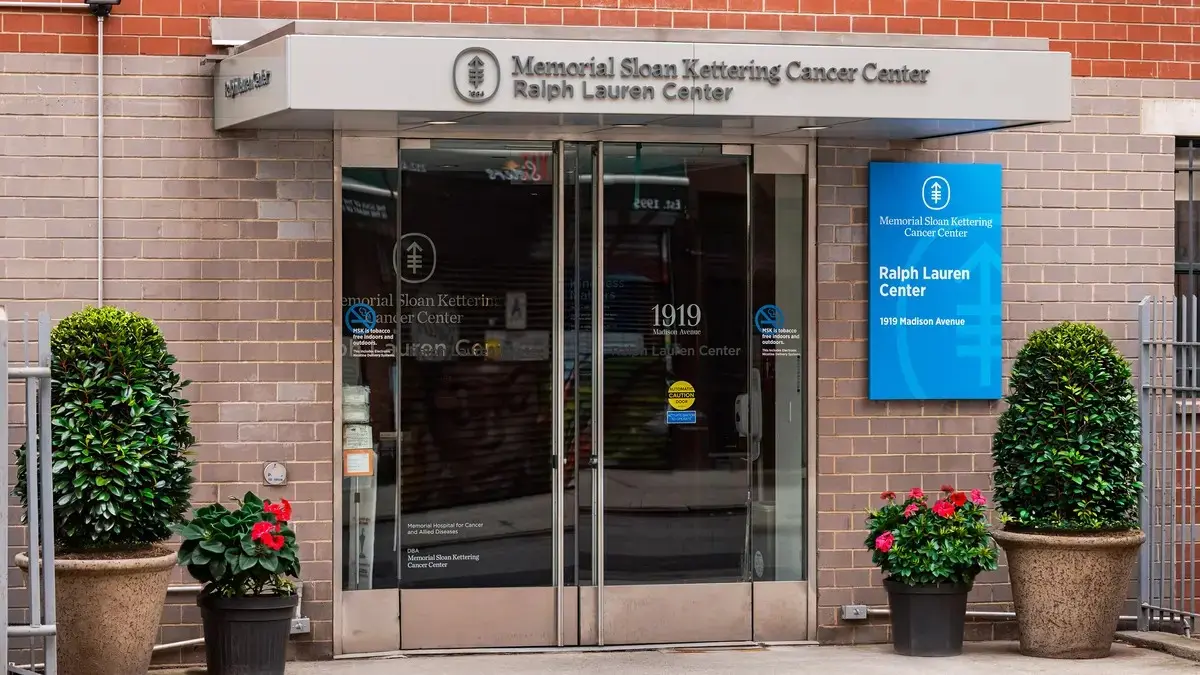
From a Single T-Shirt to a Cancer Center
Pink Pony has expanded from a product-driven campaign to partnerships with medical institutions. In 2003, it established the Ralph Lauren Center in Harlem, New York, and went on to support research facilities at The Royal Marsden in the UK and cancer prevention and treatment facilities across the US.
In 2022, it announced a $25 million support plan for five cancer care institutions in the US. In 2026, following its support for the University of Chicago Medicine Comprehensive Cancer Center, it announced its partnership with Korea's National Cancer Center. It reflects a trajectory that has broadened its scope beyond donations through product sales to screening, early diagnosis, improved access to treatment, and patient support.
It's an approach that encourages consumer participation through products while contributing to real treatment environments through partnerships with medical institutions. Rather than letting interest in the campaign end with one-off purchases, it connects that interest to concrete support.
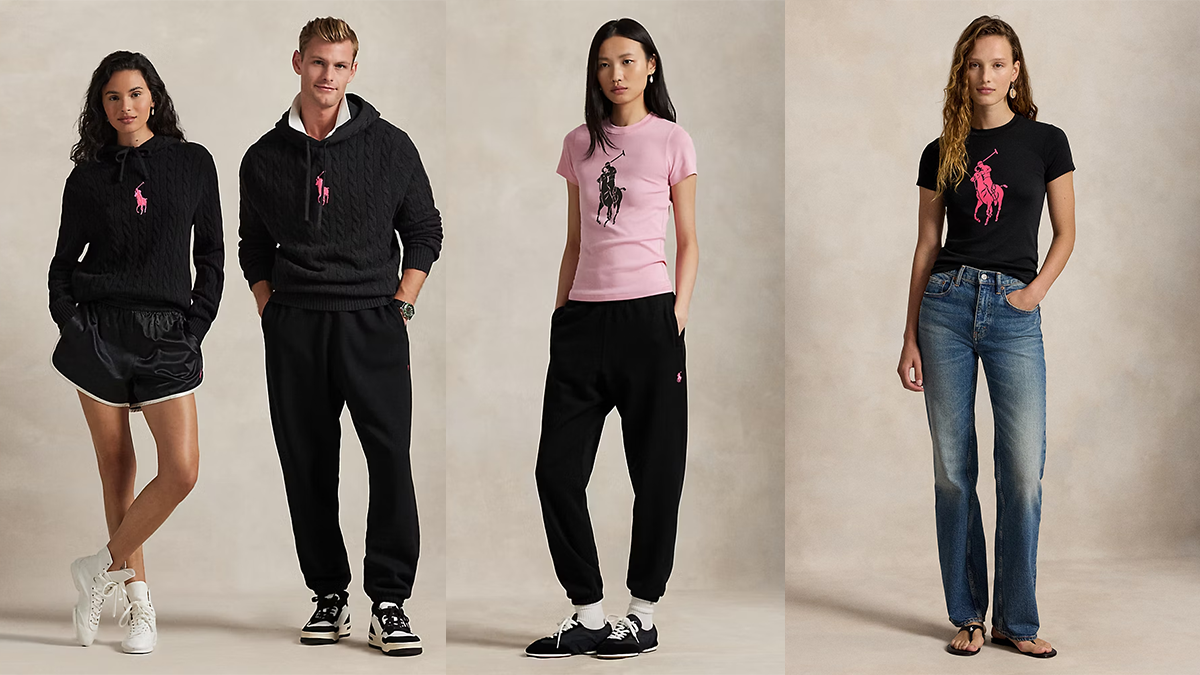
A Collection Where Wearing Becomes Giving
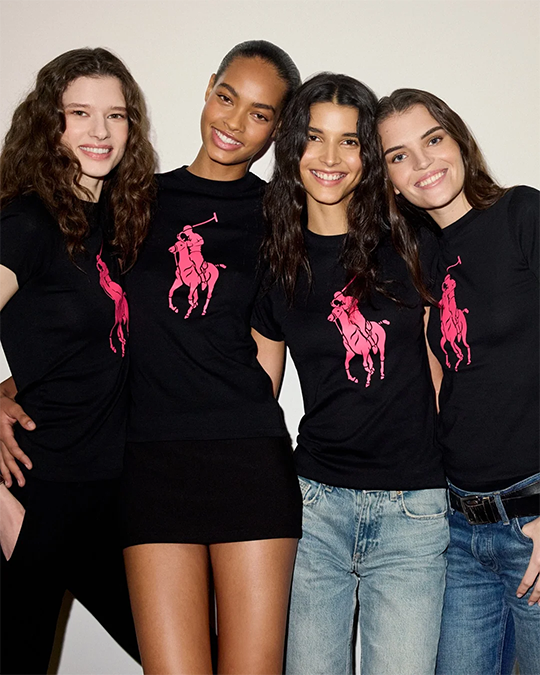
"The Power of Us" collection adds the Pink Pony symbol to classic items that can be worn every day. From twill ball caps and Oxford shirts to cable-knit sweaters, fleece sweatshirts and hoodies, and satin baseball jackets, it spans a wide range of product categories. Centered on black and pink, it includes shirts, knitwear, and sportswear-inspired outerwear.
The donation structure varies by product. At least 25% of the purchase price of collection items goes to cancer charities around the world, and the full purchase price of designated items is donated. Consumers can take part in the campaign through the act of buying, and the donation rate for each product makes the relationship between purchase and giving concrete.
💡 Insights for Buyers and Retailers
A Campaign That Returns Every Year Becomes a Brand Asset.
What stands out is how the campaign has kept its core purpose while presenting new messages and collections. When planning seasonal campaigns, it's worth considering not only short-term attention but also repeated touchpoints with consumers and the long-term accumulation of awareness.
Connecting a Global Campaign to Local Action.
The partnership with Korea's National Cancer Center is a case of connecting a global campaign to healthcare support in Korea. When introducing related campaigns or planning products for the Korean market, it's worth considering ways to convey the global message together with real local activities.