The Collaboration Structures Filling the Director Gap
How brands operate, seen through creative director gaps and collaboration structures.
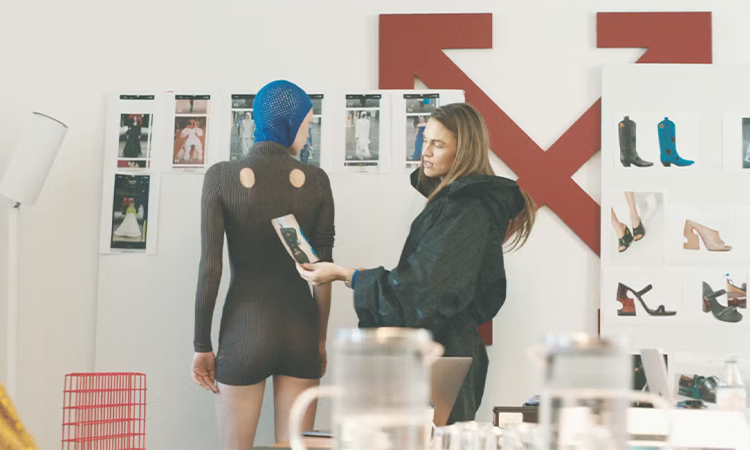
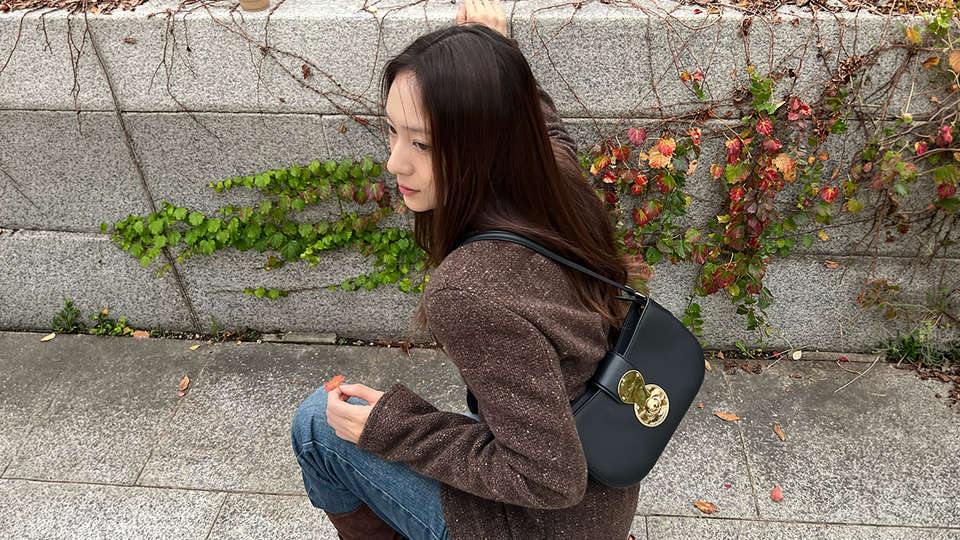
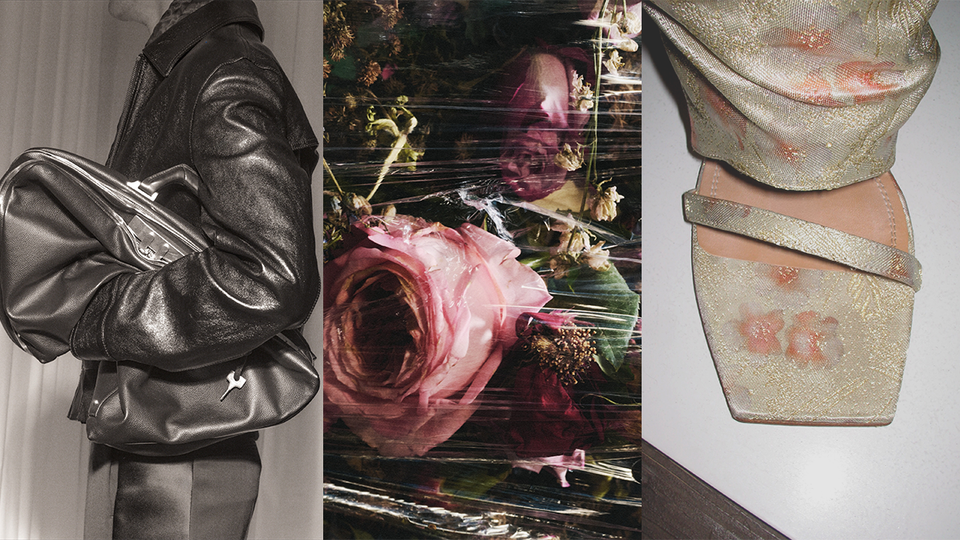
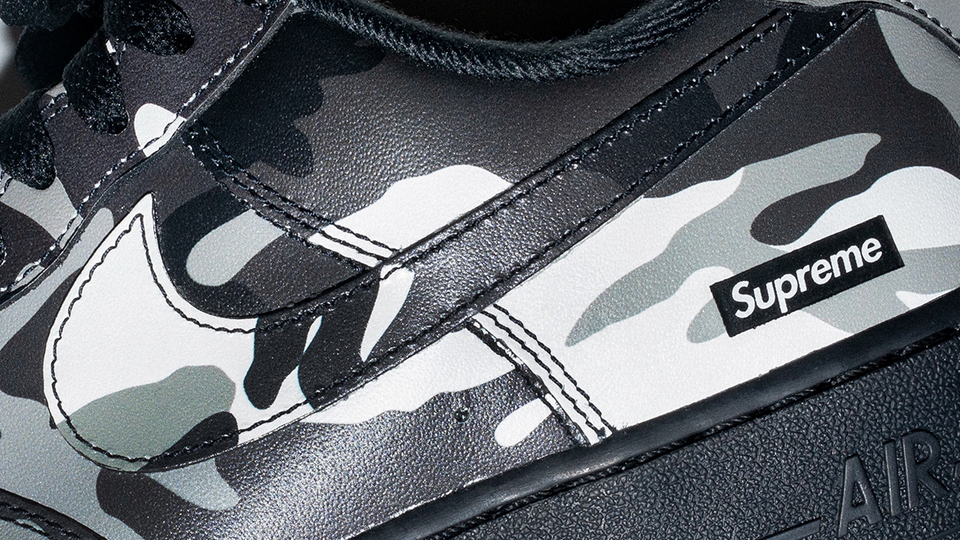
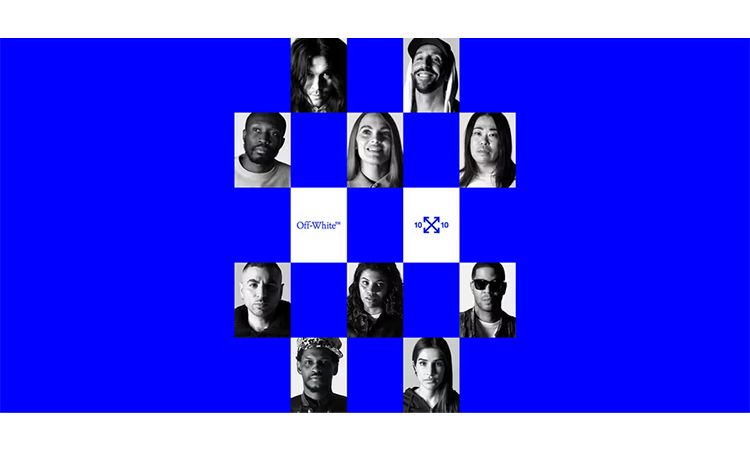
On August 31, Off-White parted ways with creative director Ib Kamara. No successor has been announced yet, but a different kind of creative project is already underway at the brand: "10×10: Off-White Icons Reimagined." Ten categories, including T-shirts, bags, sneakers, and hoodies, were each handed to one of 10 creators, including Kid Cudi, Raul Lopez, and Ava Nirui.
It's an approach that brings in the perspectives of multiple creators instead of having one person lead the entire brand. It isn't a new idea. Jean Paul Gaultier and Moncler have also, each in their own way, shared creative work that once centered on a single director among multiple people.
Jean Paul Gaultier: From Eight Designers Back to One
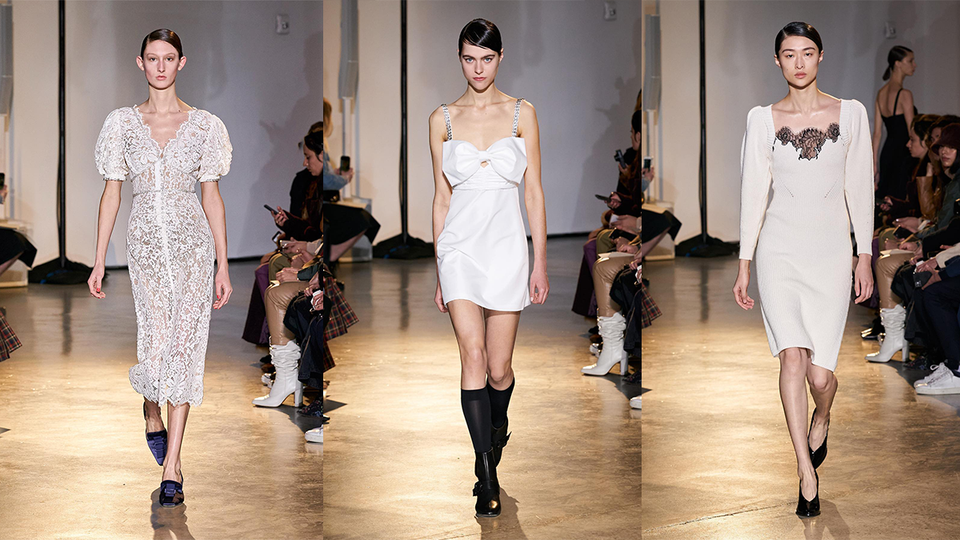
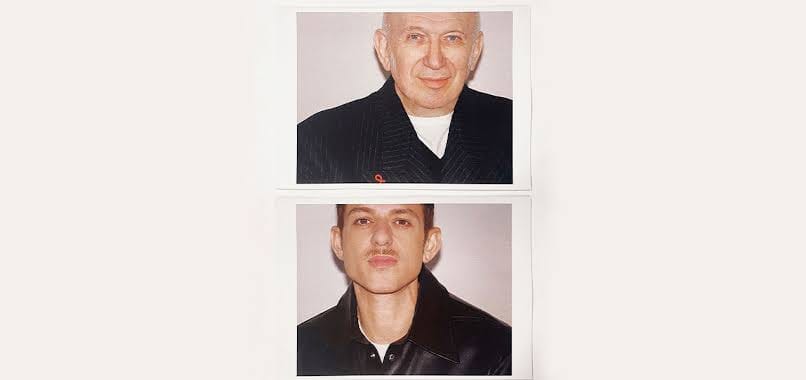
After the founder retired from the runway, Jean Paul Gaultier entrusted the house's archive to a different designer every couture season. Eight designers, including Chitose Abe, Glenn Martens, Haider Ackermann, and Simone Rocha, each reinterpreted Gaultier in their own way, and the same brand appeared with an entirely different face every season.
But this experiment didn't continue indefinitely. In 2025, Gaultier appointed Duran Lantink as its official creative director. After continually refreshing the brand through the eyes of multiple designers, it returned to setting its direction around a single director. If it had sustained fresh interest through diverse interpretations, it can be seen as having moved on to the stage of building a single, consistent identity.
Moncler: Collaborating with Multiple Designers
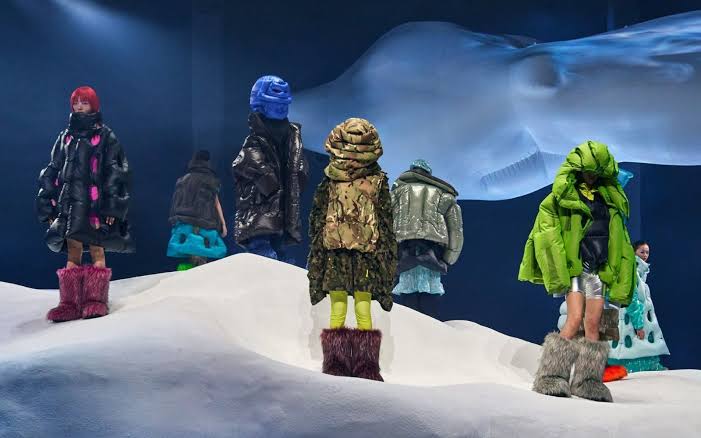
Moncler chose a different approach. Moncler Genius, launched in 2018, brought different creators such as Simone Rocha, Craig Green, Hiroshi Fujiwara, and Palm Angels into a single brand. As each brought their own design language and fan base, the cultures and consumers Moncler could reach broadened as well.
The key difference is that Genius didn't replace Moncler's overall creative direction. While maintaining the brand's identity, it collaborated with a variety of creators within a separate space called Genius. Rather than applying multiple perspectives to the entire brand, it ran it as a single, ongoing project.
So What About Off-White's 10×10?
Off-White currently sits between these two models. Like Gaultier, 10×10 could become a transitional project that sustains interest in the brand until a new creative director arrives, or, like Moncler Genius, it could remain as a separate collaboration platform afterward.
It's not yet clear which way it will go. What matters is not whether there's one creator or ten, but whether the brand's direction itself will be handed to multiple people, or whether new perspectives will simply be added while the identity is maintained.
Consistency Builds Identity, Diversity Widens Touchpoints
Using multiple creators lets a single brand quickly reach different cultures and consumers. That's because every time a new designer comes in, new fan bases, styles, and stories flow in with them.
On the other hand, when one director leads a brand over a long period, repeated designs and imagery are more likely to accumulate into a signature. That's why it's more appropriate to see the multiple-creator approach not as a complete replacement for the traditional CD system, but as a strategy that plays a different role.
Whether Off-White will reset its direction around a single director or continue collaborating with multiple creatorsis the next point to watch.
💡 Fashion Business Insights
Brands: What matters is not how many people you hand it to, but how much you hand over. Rather than continually changing the identity of the entire brand, dividing areas by specific product or project lets you use multiple voices while maintaining consistency.
Marketers: Collaborating with multiple creators can be a gateway into new communities. Since different creators each bring their own fan base and culture, the brand's touchpoints with new consumers can increase as well.
Buyers: Projects like this need to be judged by collaboration rather than by brand. Since design and consumer response can vary depending on the participating creator, checking the collaborating designer's existing customer base and product response together may be more useful than looking at the brand's sales trends from previous seasons.