The Evolution of Celine's Campaign Imagery
Campaign aesthetics by creative director, seen through Celine's advertising photography.
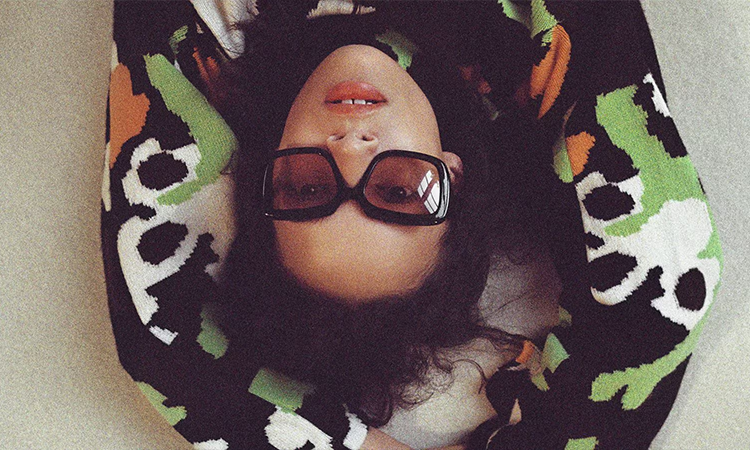
When a creative director changes, it's not just the collection that changes. Which people the brand chooses, who it hands the camera to, and what situations it places the clothes in all change too.
Celine is a good brand for comparing these shifts.
Phoebe Philo brought mood into the campaigns, Hedi Slimane brought music and culture, and Michael Rider has brought movement and lighthearted humor.
Through their signature campaigns, we look at how the three directors presented Celine differently.
Phoebe Philo
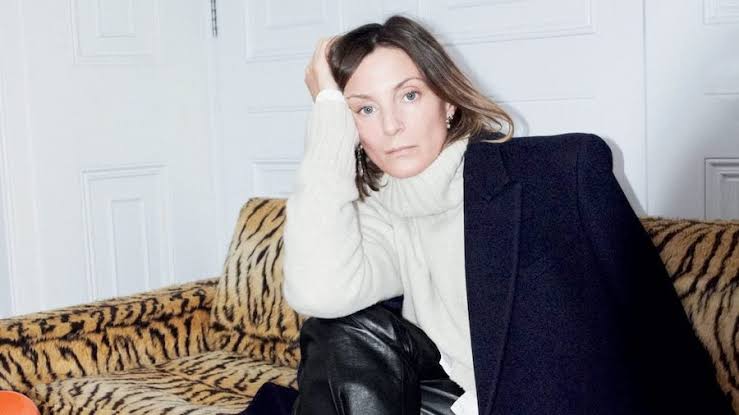
In Celine's ads during the Phoebe Philo era, the person wearing the clothes mattered as much as the product.
In particular, through a long collaboration with photographer Juergen Teller, she repeatedly created images that left room for natural expressions and strong personalities rather than perfectly staged fantasy.
Joan Didion: Spring/Summer 2015
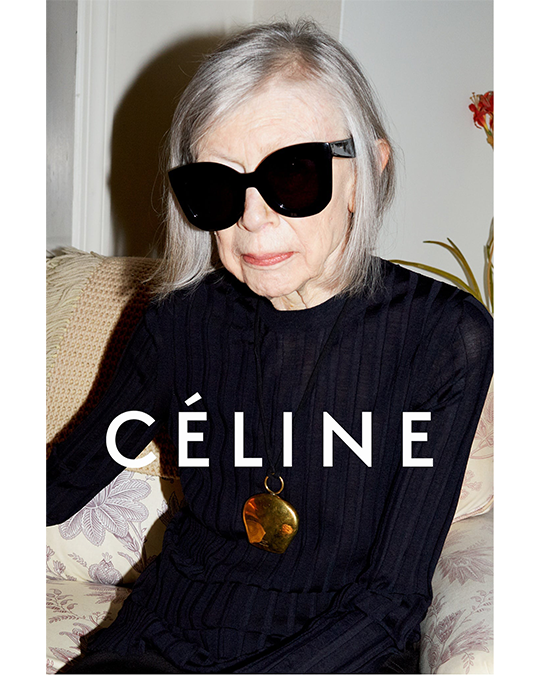
In 2015, Celine featured American writer Joan Didion, then 80 years old, in its campaign.
Her image, seated in front of the camera in a black knit and oversized sunglasses, was clearly different from the young-model-centered imagery common in luxury advertising at the time.
Rather than simply casting an older woman as a model, it can be seen as a case of bringing the intellect and attitude a person had built up over a lifetime into Celine's image.
The Face That Defined Phoebe Philo's Celine
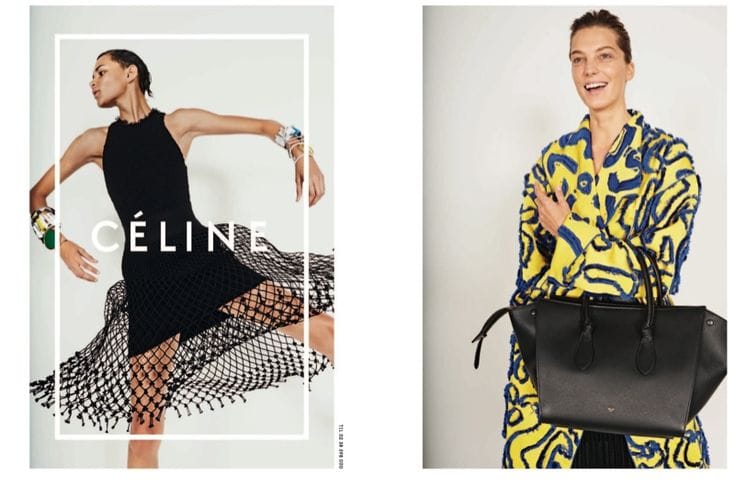
Daria Werbowy was one of the models who defined Celine in the Phoebe Philo era.
Rather than heavy makeup or dramatic poses, natural faces and relaxed postures appeared again and again.
Rather than using clothes to create a new character, it was a campaign closer to showing "what kind of person wears Celine," leaving intact the mood the person already had.
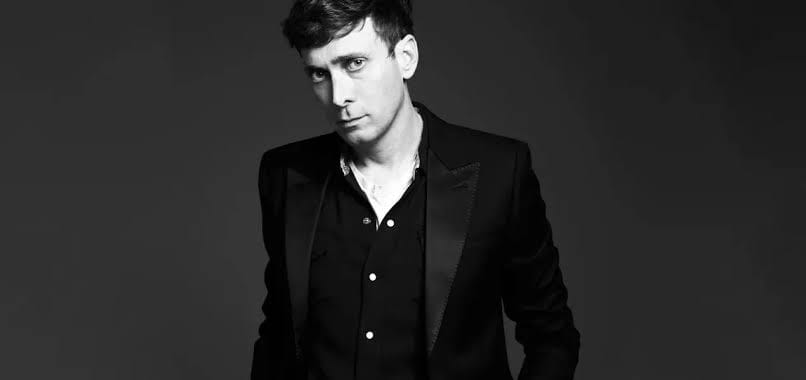
Hedi Slimane
Hedi Slimane personally shot or directed many of Celine's campaigns.
In particular, by repeatedly using sharp black-and-white portraits, musicians, and youth culture, he strongly tied his own taste in photography and music to the Celine brand.
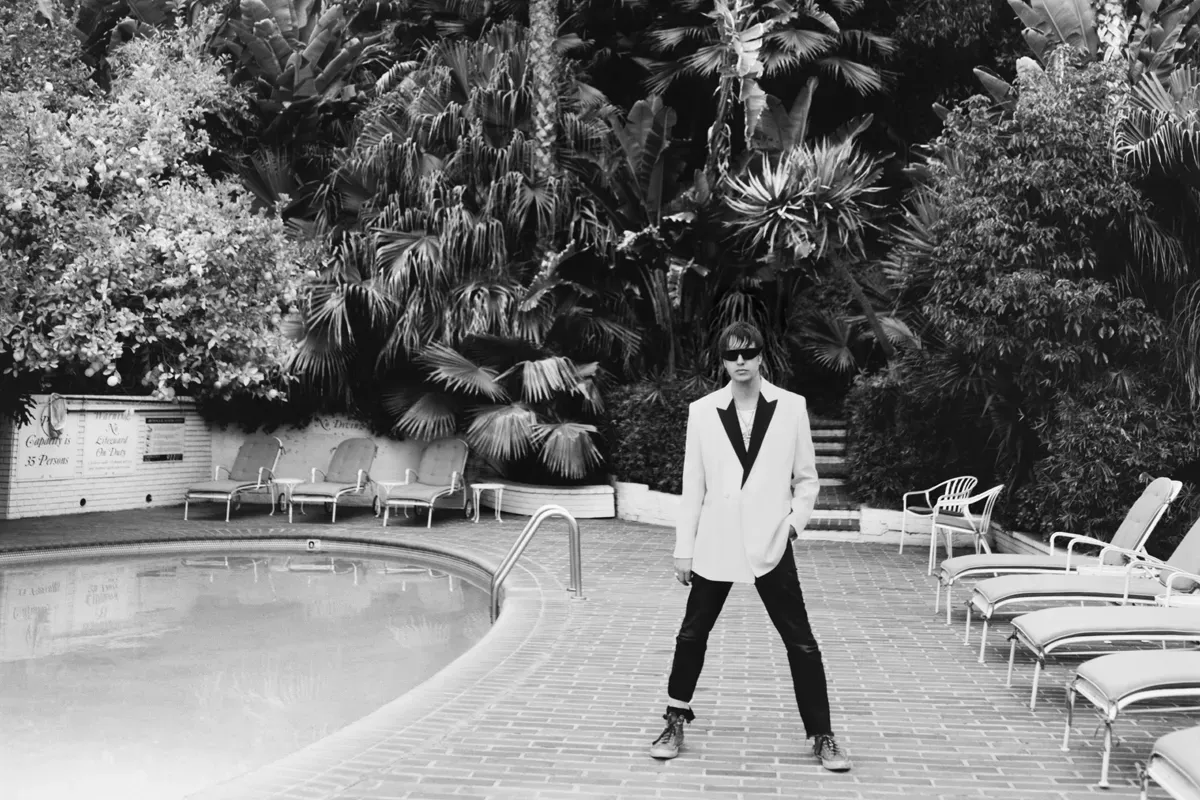
The Musician Becomes the Ad
Musicians from multiple generations, including Julian Casablancas (The Strokes), Kevin Parker (Tame Impala), and Bob Dylan, stood in front of Hedi Slimane's camera.
In this project, Celine's clothes appear less as the protagonist and more as part of the image the musician already carries.
It can be seen as going beyond a fashion brand borrowing from music culture, as an approach that drew musicians and music culture themselves into Celine's world.
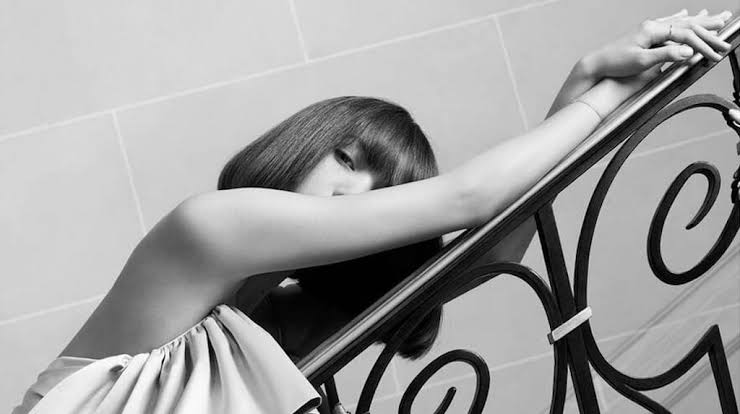
LISA × CELINE
BLACKPINK's Lisa was named a global ambassador for Celine in 2020 and also appeared in images Hedi Slimane shot himself.
As a K-pop artist with a powerful global fandom became the face of Celine, it became a case showing the brand widening its touchpoints with young global pop culture beyond its existing fashion consumers.
Lisa's appointment alone can't explain Celine's commercial performance, but it clearly shows how actively the Hedi Slimane era connected fashion, music, and celebrity culture.
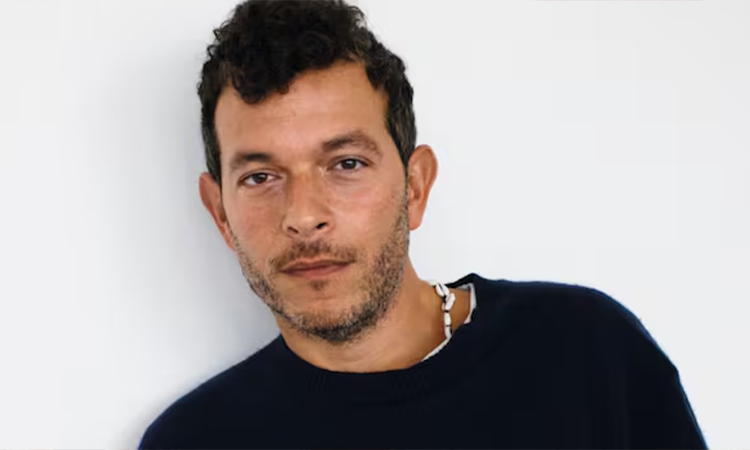
Michael Rider
Michael Rider, who previously worked at Celine for about nine years during the Phoebe Philo era, has been leading Celine as its new creative director since 2025.
It's still too early to define his Celine with a single formula.
However, the campaigns released so far move away from the strong black-and-white imagery of the Hedi Slimane era, bringing in color, natural light, movement, and lighthearted humor.
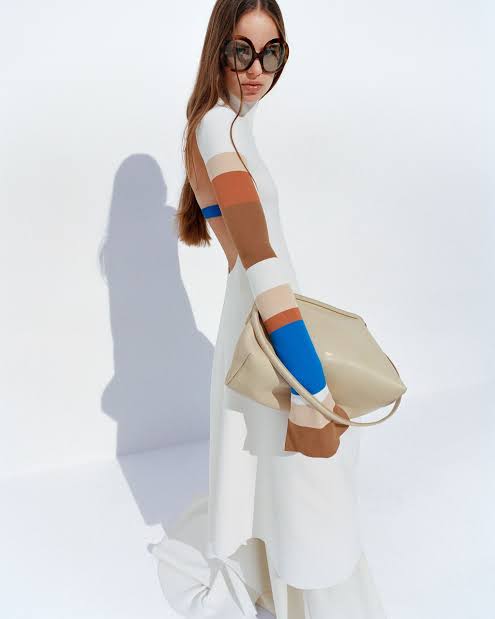
Spring 2026: Color Returns to Celine
Michael Rider's first Celine campaign was shot by photographer Zoë Ghertner.
Unlike the black-and-white imagery familiar from the Hedi Slimane era, bold color came to the fore, and the Luggage, a signature bag of the Phoebe Philo era, was also reintroduced in a new form.
You can see an approach that, rather than completely erasing Celine's past, brings familiar brand codes back out and presents them with a slightly different expression.
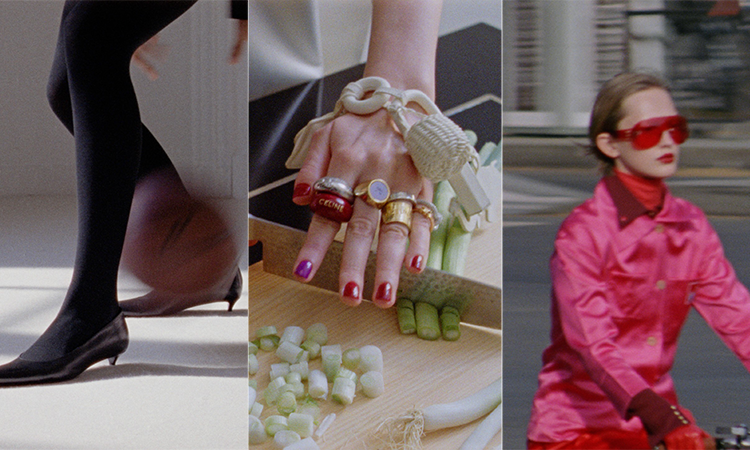
Hiver 2026
The newly released Hiver 2026 campaign features people in classic Celine looks moving on a basketball court.
What's interesting is not basketball itself but where the clothes were shown.
Instead of placing neat suits and dress shoes in a static space, setting them in the space of an active sport makes classic clothing look a little less solemn.
It can be read as one of the scenes that most intuitively shows the movement and lighthearted humor Rider has recently been adding to Celine.
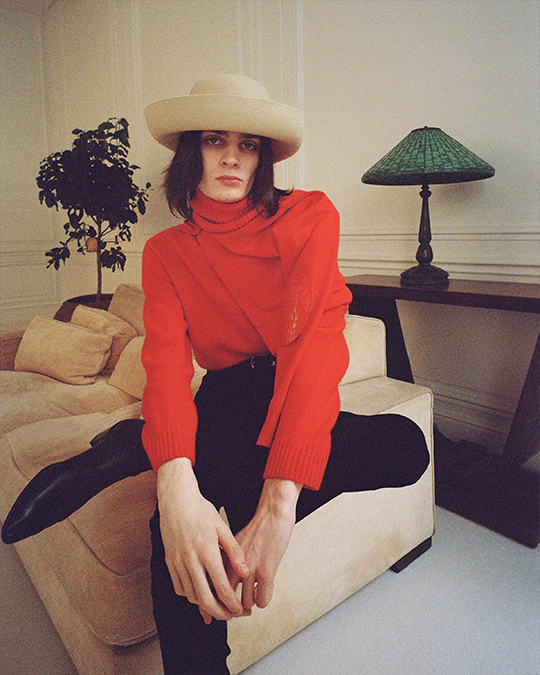
In the End, What Changed Was "What to Show First"
Comparing the three directors' campaigns, the differences are relatively clear.
Phoebe Philo showed people.
As with Joan Didion and Daria Werbowy, the character and attitude of the people themselves explained Celine.
Hedi Slimane showed culture.
Through rock musicians, K-pop stars, and his own black-and-white photography, he expanded Celine into the world of music and youth culture.
Michael Rider is changing the situations in which the clothes are worn.
He's bringing back color and natural light, reintroducing past products in new ways, and placing a formal Celine on a basketball court.
It's hard to say the same advertising formula held across the three eras.
What's interesting, rather, is that each tried to help people understand the brand first through people, culture, and actions, rather than by explaining the product itself.