LE17SEPTEMBRE's Contrarian Growth Formula
LE17SEPTEMBRE's contrarian growth strategy, which has reached about $36 million in cumulative overseas sales.
The growth path of Korean fashion brands is usually described as building awareness at home and then expanding overseas. But not every brand follows the same order.
LE17SEPTEMBRE, a contemporary womenswear brand run by designer Eunhye Shin and nurtured by HAGO HAUS, first expanded its presence through premium overseas distribution channels and is now widening its offline touchpoints in Korea.
Its recent expansion of offline hubs centered on key shopping districts can also be seen as an extension of this flow. Rather than looking only at short-term domestic indicators, it's a case worth examining for the role that brand awareness and distribution experience built overseas play in domestic expansion.
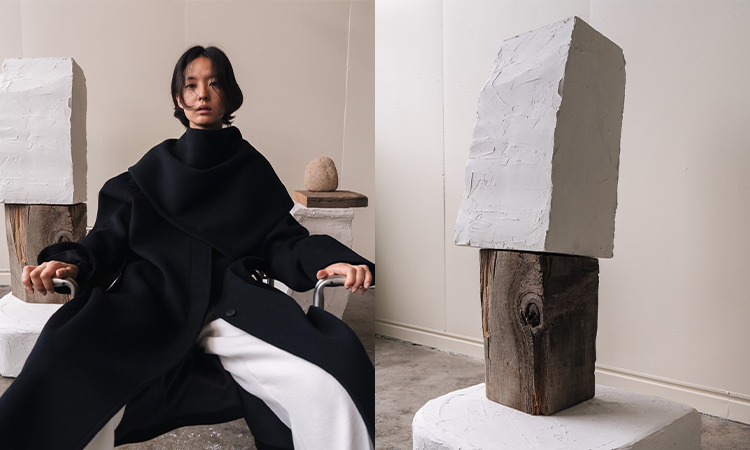
LE17SEPTEMBRE's Identity, Built on a Restrained Design Language
LE17SEPTEMBRE is a brand designer Eunhye Shin launched in 2013. The name comes from the French for "September 17," the designer's birthday and the date that marks the brand's beginning.
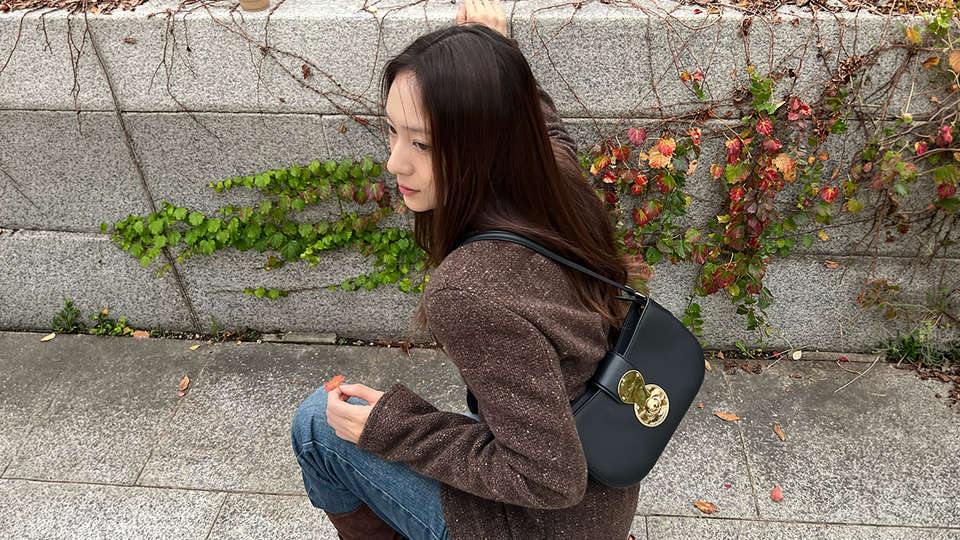
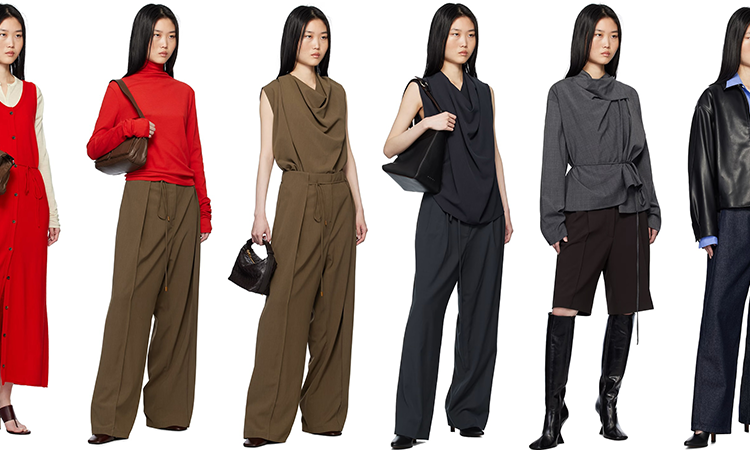
Architectural silhouettes, precise tailoring, and a restrained use of color and materials are the brand's key features. Rather than quickly chasing specific trends, it has built its image by consistently presenting designs that remain wearable season after season and balanced silhouettes.
This design language became known relatively early not only in Korea but also among overseas buyers. Expanding its overseas distribution through department stores and multi-brand stores in major cities such as London, Paris, New York, Tokyo, and Dubai, it has built up brand experience through a path different from the Korean market.
Recently, with investment and support from HAGO HAUS, it has been expanding both its offline distribution and global business.
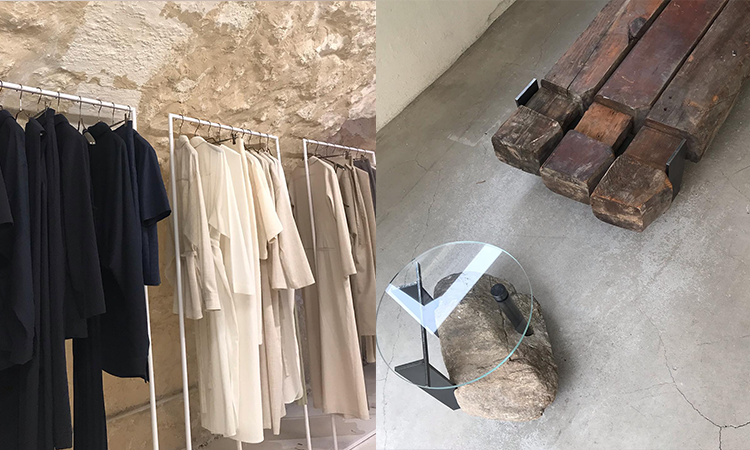
Distribution Experience Built Overseas First
One of LE17SEPTEMBRE's distinguishing features is that overseas distribution has been an important pillar of the brand's growth from a relatively early stage.
Getting into premium overseas distribution channels takes more than high name recognition. A brand needs to meet multiple conditions at once, including seasonal product assortment, price range, delivery schedules, reorder potential, and a clear design identity.
Through this process, LE17SEPTEMBRE has built up experience doing business with global buyers. It is reportedly present in about 50 overseas distribution channels, and its cumulative overseas sales are said to have surpassed about $36 million. Orders from overseas buyers for the recent fall season also increased compared with the previous season, expanding the share of its overseas business.
These figures aren't a standard that defines the brand's success, but the fact that it has been repeatedly chosen by overseas distributors can be an indicator for examining whether LE17SEPTEMBRE's products and brand identity have achieved a certain level of market fit.
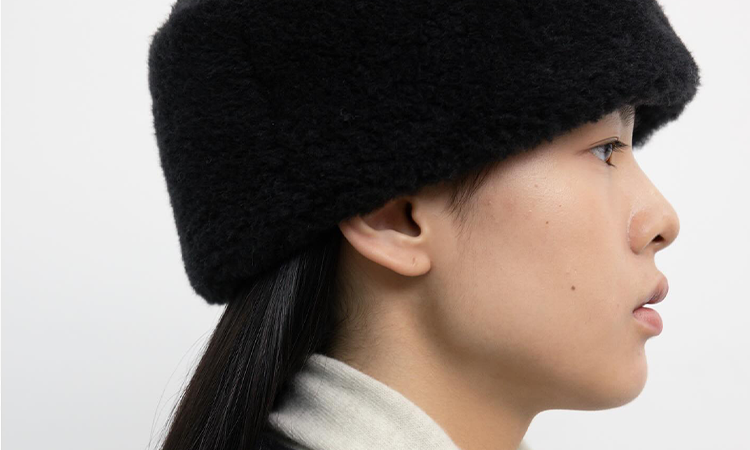
Connecting an Image Built Overseas to Korea
LE17SEPTEMBRE's expansion path follows a slightly different order from the commonly discussed "grow at home, then expand overseas." It first built its brand image and trading experience with buyers through premium overseas channels, then used that foundation to widen its offline touchpoints in Korea.
The advantage of this approach is that when entering the Korean market, it doesn't get introduced simply as a new designer brand; it meets consumers with an existing overseas distribution track record and brand experience.
Especially for contemporary brands, where design and brand image matter more than competing on price alone, a distribution track record built overseas may serve as a reference point for Korean consumers and retailers.
That said, it's hard to see this as a formula that applies to every brand. Establishing a foothold in overseas markets first requires not only a strong design identity and product quality but also stable production and delivery systems.
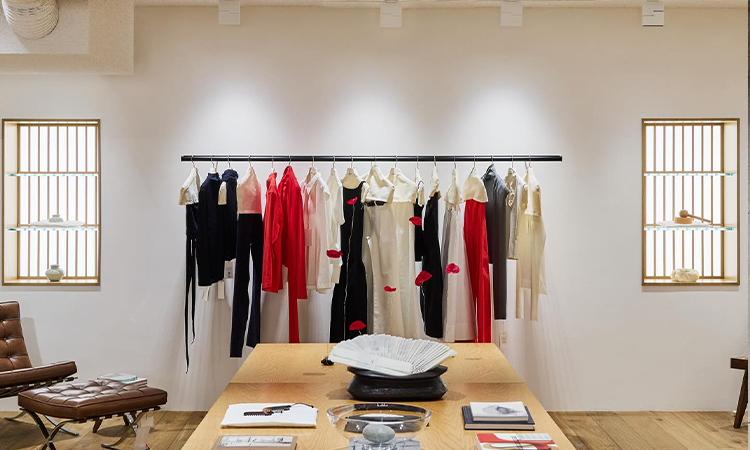
The Stage of Widening Touchpoints in Korea Through Offline Retail
Recently, LE17SEPTEMBRE has been moving to connect the brand experience it has built overseas to offline retail in Korea.
Starting with its flagship store in Hannam-dong, it is expanding into major department stores and shopping districts, increasing the spaces where consumers can experience the brand's materials and silhouettes firsthand.
For a brand that has grown through online and overseas wholesale, offline stores can play a role beyond simply being points of sale. That's because consumers can try on products in person and experience the brand's atmosphere through the space.
How LE17SEPTEMBRE translates the brand image it has secured through overseas distribution into offline retail in Korea is something worth watching going forward. Rather than the number of stores itself, whether the brand value formed overseas carries naturally into the Korean consumer experience may be a more important criterion.
A Growth Formula That Fits the Brand
What's interesting about the LE17SEPTEMBRE case is that a brand doesn't necessarily have to build scale in the Korean market first to go overseas.
For a brand with a clear design identity and a product assortment that's easy for overseas buyers to understand, confirming market response through overseas distribution first and then expanding its domestic business can also be an option.
Conversely, for a brand with a strong domestic fan base and mass recognition, building scale at home and then expanding overseas may be a better fit.
What matters is not which path is superior, but choosing an expansion order that fits the brand's products, customers, and price range. LE17SEPTEMBRE is a case worth watching as an example of how a brand that built overseas distribution experience first can grow in the Korean market afterward.