Why Did Dior Open a Restaurant?
The Dior Milan boutique, unveiled after two years. How Dior expanded fashion into a gastronomic experience.
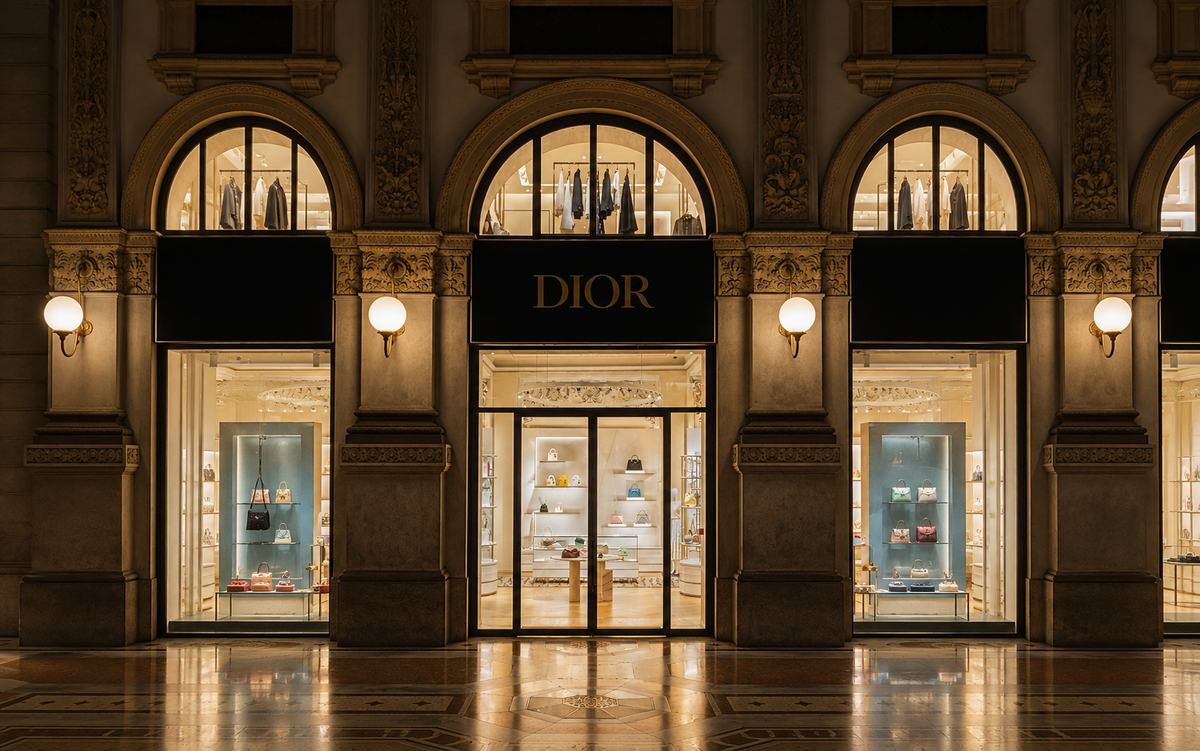
On September 18, at Via Montenapoleone 12, the heart of Milan's Quadrilatero della Moda, the Dior Milan boutique will reopen after two years of extensive renovation. Its new name is "House of Dior."
The reason this reopening is drawing extraordinary attention from the global fashion market isn't simply that the space has expanded across three floors. It's because it will house "Monsieur Dior," a fine dining restaurant by Enrico Bartolini, the chef with the most Michelin stars in Italy.
The Luxury Space Dior Has Perfected
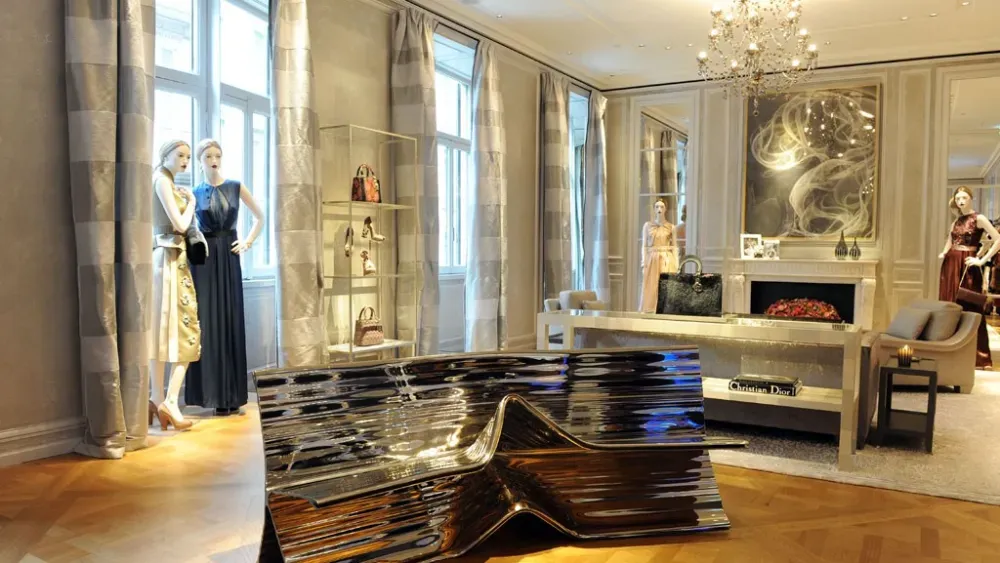
Architecture and Art: Dior's World, Staged by Peter Marino
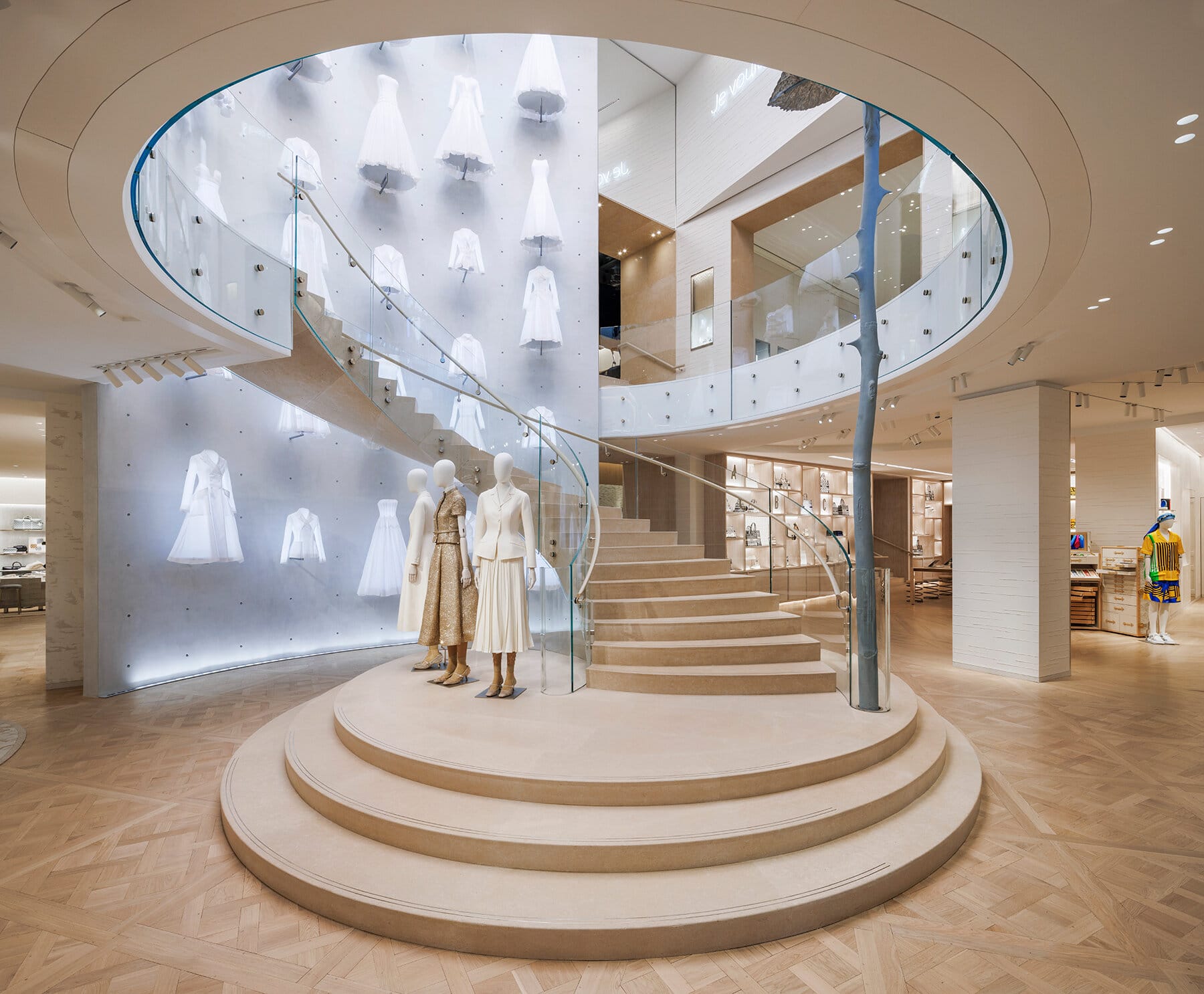
American architect Peter Marino designed the three-floor store. On the façade, inspired by Milanese gardens, animated vignettes made from fabric scraps from the Dior ateliers wittily depict Christian Dior's sources of inspiration, such as owls, flamingos, and squirrels. Add a vertical garden and inner courtyard by world-renowned landscape architect Peter Wirtz, along with artwork commissioned exclusively for the restaurant from artist Francesco Clemente, and the result is a complete work of art as a space.
Gastronomy: Fine Dining by 14-Star Chef Enrico Bartolini
The restaurant "Monsieur Dior" is led by master chef Enrico Bartolini, who holds the most Michelin stars in Italy (14 in total). He has already proven "fine dining within an art space" by successfully running a three-star restaurant on the third floor of Milan's Mudec museum. This is no fashion café that merely borrows a name; Dior puts the cuisine of a world-class chef front and center to offer a genuine fine dining experience.
Timing: The Eve of Fashion Week, the Most Perfect Golden Hour
The opening date, September 18, falls exactly four days before Milan Fashion Week. By hitting the densest golden hour, when global press, influential buyers, and private clients (VICs) from around the world have already gathered in Milan, it shows a meticulous timeline that sets off a global buzz without any separate marketing.
Dior's Experience Marketing: From Fashion to an "Empire of the Senses"
"From a house that sells clothes to an aesthetic that proposes a way of life"
Dior equipping a Michelin restaurant in each of the luxury capitals is no one-off project. Over the past several years, Dior has carefully expanded its experience marketing to break the limits of "fashion you wear" and occupy every sense and every part of the consumer's daily life. Here are three representative strategies it has put into action.
Wellness & Lifestyle: "Dior Spa" and Resort Experiences
This is a prime example of extending fashion into the realm of rest and healing. Starting with the spa inside the Cheval Blanc hotel in Paris, Dior has set up mobile spa rooms aboard the "Belmond luxury train," and every summer rolls out "Dioriviera" pop-ups and spas at the world's most exclusive seaside resorts, including the Côte d'Azur, Capri, and Mykonos. Rather than stopping at selling clothes, the strategy is to have customers experience Dior's spaces and aesthetics during their most relaxed and private moments.
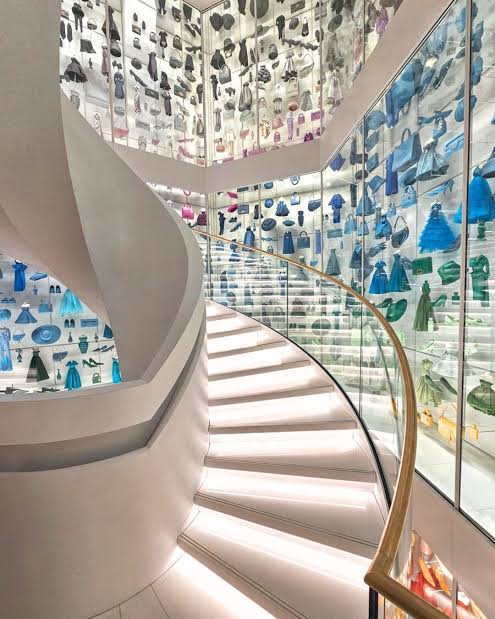
Spatial Art & Cultural Heritage: "La Galerie Dior" and Major Exhibitions
This strategy turns the brand's history and heritage into a "cultural spectacle." La Galerie Dior, located at 30 Avenue Montaigne in Paris, is not just a museum; it stages Dior's historic archives like an opera set and serves as a hub that draws in countless visitors. In addition, the major exhibition "Christian Dior: Designer of Dreams," which tours major cities around the world, has sold out for months on end, creating a powerful emotional lock-in effect that leaves everyone from the general public to VICs overwhelmed by the brand's aesthetics.
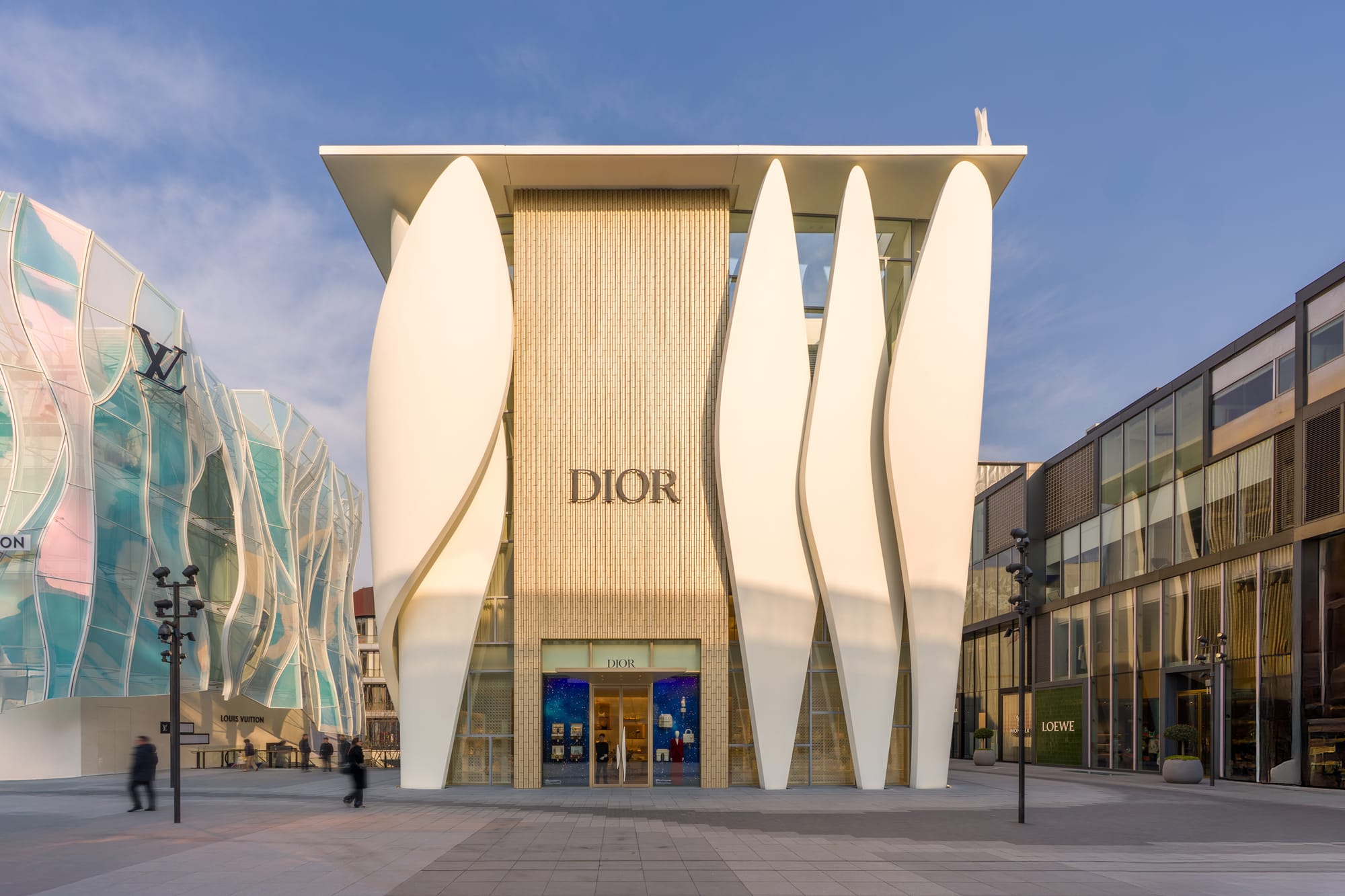
Localization & Architectural Landmarks: "House of Dior" and Reinterpreting the Urban Context
These are architectural projects, in collaboration with world-renowned master architects, that change a city's landscape. From the House of Dior in Seoul's Cheongdam-dong, designed with Sou Fujimoto, to Osaka, Beijing, and now Milan, Dior doesn't simply apply uniform global store guidelines. By combining a refined three-pillar module of "global Dior heritage + a master architect's original design + a top local Michelin chef," it creates in each city "a one-of-a-kind landmark you must visit when you're there."
💡 One-Line Insight for Buyers
Dior adding a restaurant isn't simply about selling "food." It's an experience-economy strategy that captures customers' time spent in-store to maximize brand attachment and purchase conversion. Multi-brand store buyers, too, need to go beyond "displaying pretty clothes" and make "time-capturing elements," things that keep customers in the store longer and let them feel the warmth of the space, an essential part of their buying curation.