Why Gap Jumped into the Bag Market
The business calculation behind "GapBag," Gap's first handbag collection in 57 years.
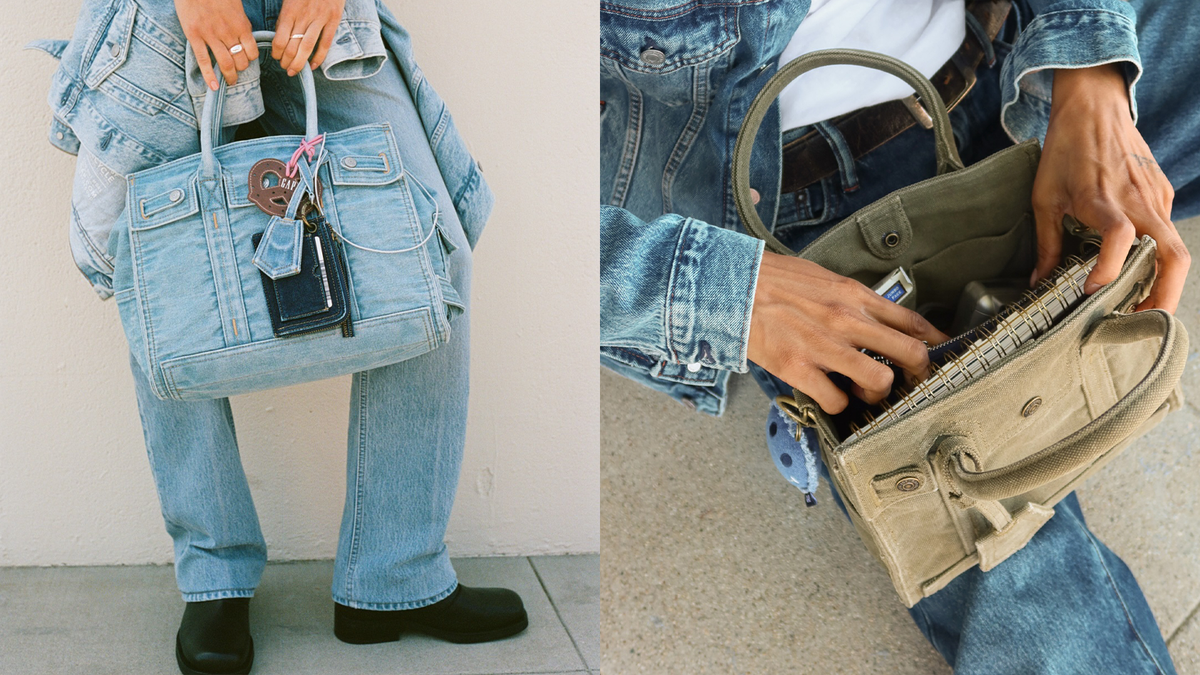
Gap, which started in 1969 as a five-pocket jeans store, has officially launched "GapBag," its first dedicated handbag collection, 57 years after the brand's founding.
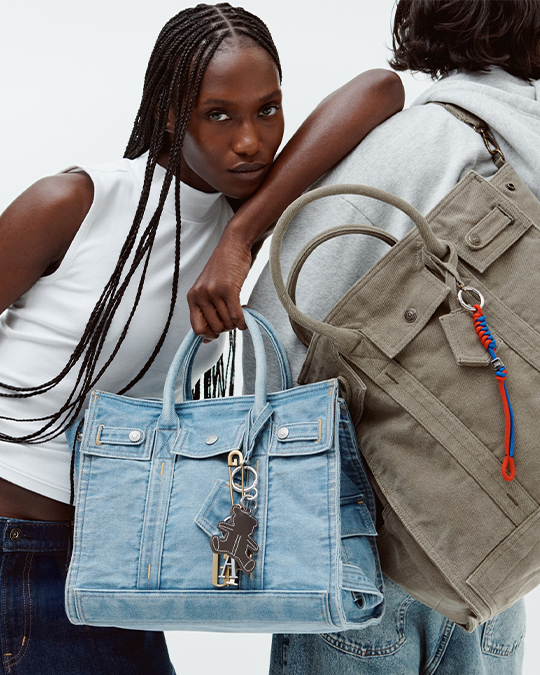
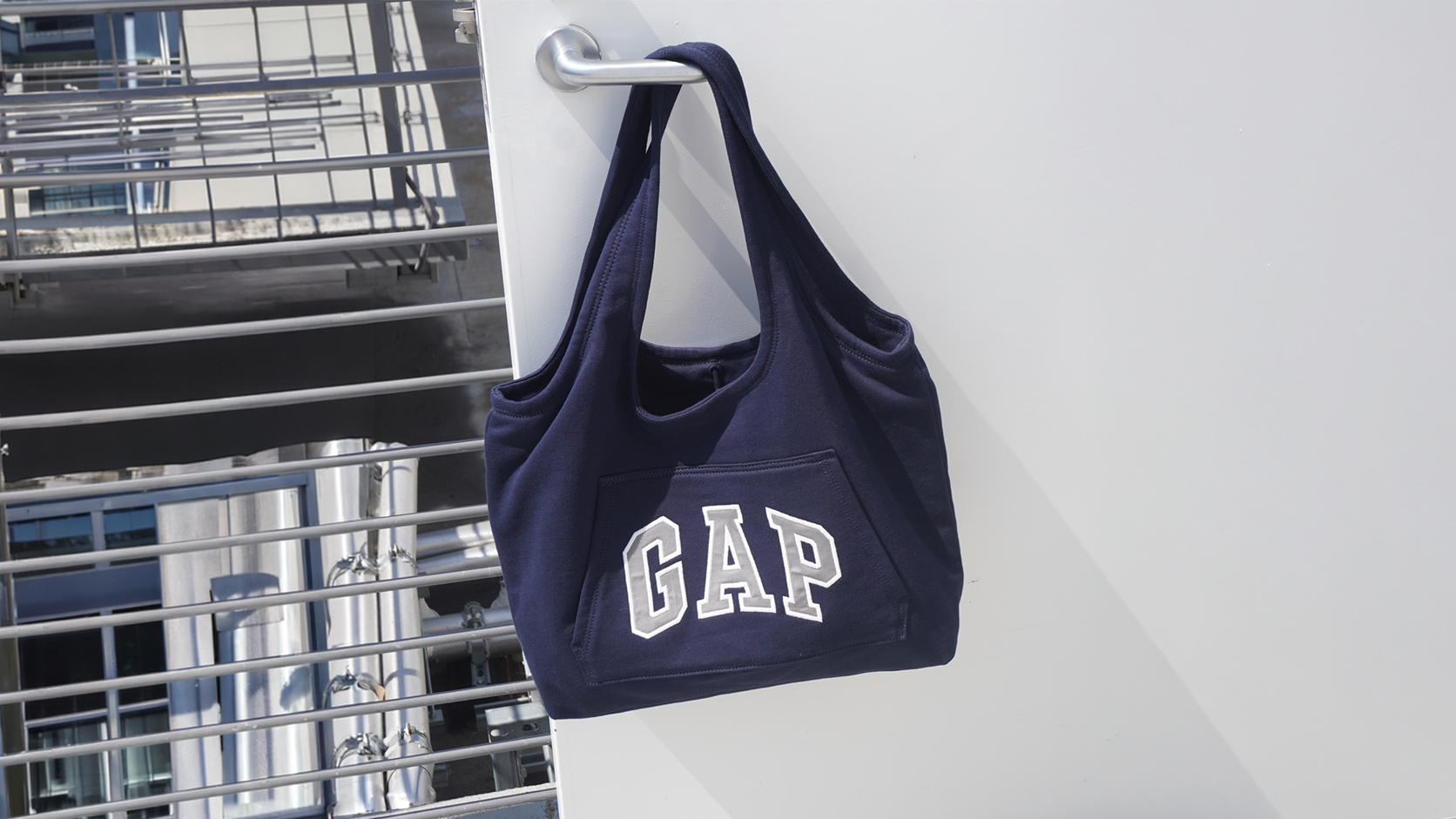
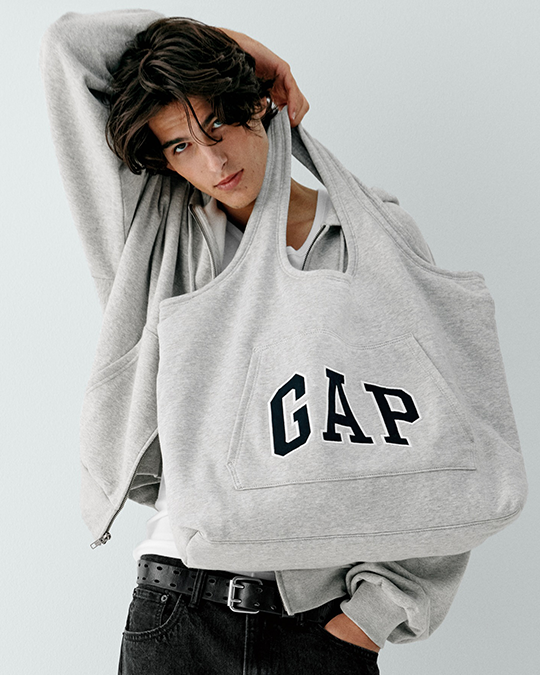
The collection consists of five silhouettes in total, from a tote that carries over the details of five-pocket denim to a hoodie tote that reinterprets the brand's signature arch logo hoodie. Core prices range from $29.95 to around $148.
Why would a global mass brand that has run an apparel-centered business for over half a century enter a new category, "bags," right now?

The answer lies not in simple instinct or fashion trends, but in a thoroughly calculated business structure.
The niche created as the price map of the bag market shifts, the structurally superior profitability of accessories (ACC) compared with apparel, and the monetization of a powerful branded archive. We take a look at the four strategic calculations underlying the birth of GapBag.
A "New Opportunity" Created by the Price Reshuffle in the Bag Market
The price map of the global bag market is currently going through a major reshuffle.
Consumer fatigue with high-end luxury bags has peaked after continued price increases, and the entry-luxury range of $500 to $2,500 is locked in fierce competition with secondhand high-end bags and alternative brands. Consumer willingness to spend on bags is being readjusted downward across all price points.
The problem lies in the $30 to $150 range. Between unbranded, low-priced e-commerce products and entry luxury above $300, there's a lack of options for "bags with a clear brand identity and a high level of design finish."
GapBag's price tags precisely target the coordinates of this gap. The company's official announcement, describing "elevated design at an accessible price," shows that it has caught the downward readjustment in the bag market.
The "Margin Structure" of Bags, More Efficient Than Apparel
Apparel brands expanding into handbags and accessories is a classic profitability equation in the fashion industry.
- A dramatic reduction in inventory and return risk: Because bags have no sizes, the burden of stock keeping units (SKUs) is lower than for clothing, and online return rates are overwhelmingly lower.
- Slower markdown depreciation and higher margins: Compared with highly seasonal clothing, carryover inventory loses value more slowly, and per-unit margins are higher.
- A high attach rate: By leveraging its already established global store network and e-commerce channels, it can easily build an attach-sales structure that immediately raises the average transaction value of customers who came in to buy clothes.
Amid high prices, tariff pressure, and slowing consumption, Gap chose a category that can maximize margins while minimizing the marginal cost of its existing store network and distribution infrastructure.

A Marketing Shortcut Only Brands with an Archive Can Enjoy
The biggest cost a brand has to pay when entering a new category is the marketing cost of convincing consumers "why this brand is making bags."
Gap erased this persuasion cost by intuitively translating the archive codes it has built up over decades.
- An archive translation that needs no explanation: It reconstructed intuitive assets, "five-pocket denim" and the "arch logo hoodie," into the form of bags. The intuitive narrative that "the hoodie became a bag" itself works as powerful marketing material.
- Structuring the trend (bag charms and scarves): Alongside the collection launch, it simultaneously rolled out a lineup of charms, keychains, scarves, and belts for decorating bags. Redefining the bag not as a simple carrying tool but as a "personalization platform," it built the bag charm craze into the product structure itself.
The involvement of Reed Krakoff (three-time CFDA accessories award winner), brought on to lead design, shows that Gap is treating this category not as a simple capsule line but as a main business pillar.
The Harvest Timing: Cashing In on the Heat of a Brand Revival
Over the past two years, Gap has built up heat around the brand through a collaboration with Hailey Bieber, the revival of its '90s beauty line, and the launch of GapStudio led by Zac Posen.
GapBag is a turning point that connects the brand heritage and media attention it has revived to a high-margin category.
Right after the launch, it opened an on-site customization pop-up store at Rockefeller Center (9/10–13), timed to New York Fashion Week (NYFW). It's scheduling that uses the media density of fashion week to imprint the launch of a new category.