The Gorpcore Paradigm Shift
An analysis of gorpcore, which has moved beyond a seasonal trend to settle in as the daily uniform of modern life.
In 2024, global fashion outlet GQ boldly declared the end of the gorpcore trend with "RIP Gorpcore." As a critique of the excessive styling of people showing up to dinner in the middle of the city with a 40-liter backpack and a sleeping pad strapped on, it seemed perfectly reasonable.
But in 2026, that very same outlet has corrected its hasty verdict. That's because, even as the fashion world predicted gorpcore's exit, Arc'teryx and Salomon each surpassed $2 billion in annual revenue, continuing their record-breaking growth.
What the market forgot wasn't the gorpcore category itself, but the lens that read it as a short-term "seasonal trend." With the loud showiness of first-generation gorpcore gone, gorpcore has now settled in as a completely irreplaceable "daily uniform of modern life."
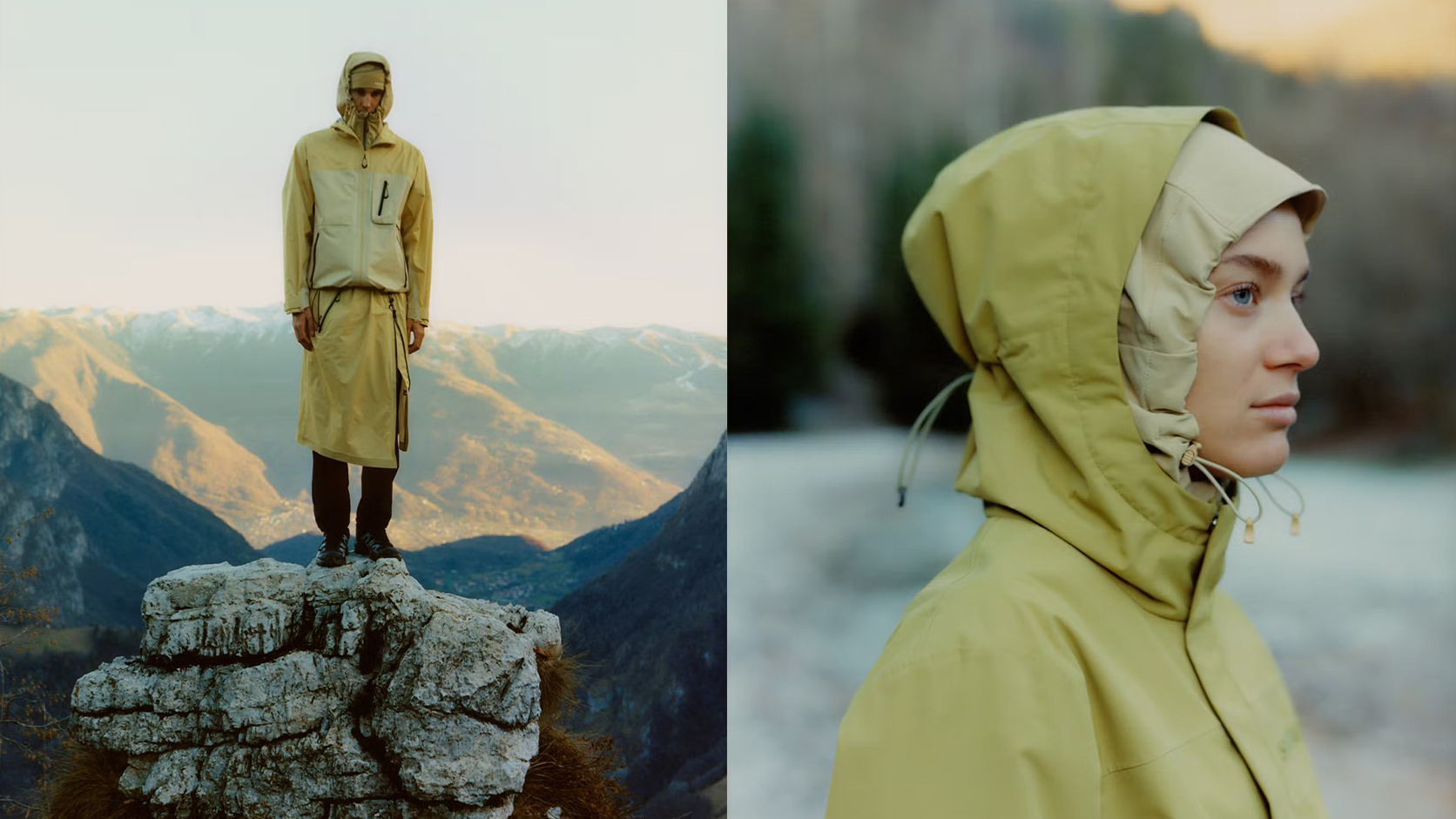
The Illusion of a "Trend in Retreat," Created by Normalized Supply
The Peak of Buzz, Built on Scarcity
Much of the heated excitement around early gorpcore was in fact an illusion created by "sellouts" driven by short supply. As demand exploded and outdoor brands' supply couldn't keep up, resale premiums and open runs followed one after another, pushing the buzz to its peak. Today, however, Salomon's XT-6 and Arc'teryx's shell jackets have fully settled in as "always-available products" that can easily be found at any time in major multi-brand stores and directly operated stores.

The End of Scarcity and the Expansion of Real Demand
If you judge a category's vitality only by scarcity indicators like resale prices or open runs, it's easy to misread the current stabilization phase as "a trend in decline." But right now, when the craze seems to have cooled, is the real turning point. That's because, with the initial hype gone, an "expansion of real demand" is now fully underway, with mainstream consumers steadily buying gorpcore anchor items as everyday wear.
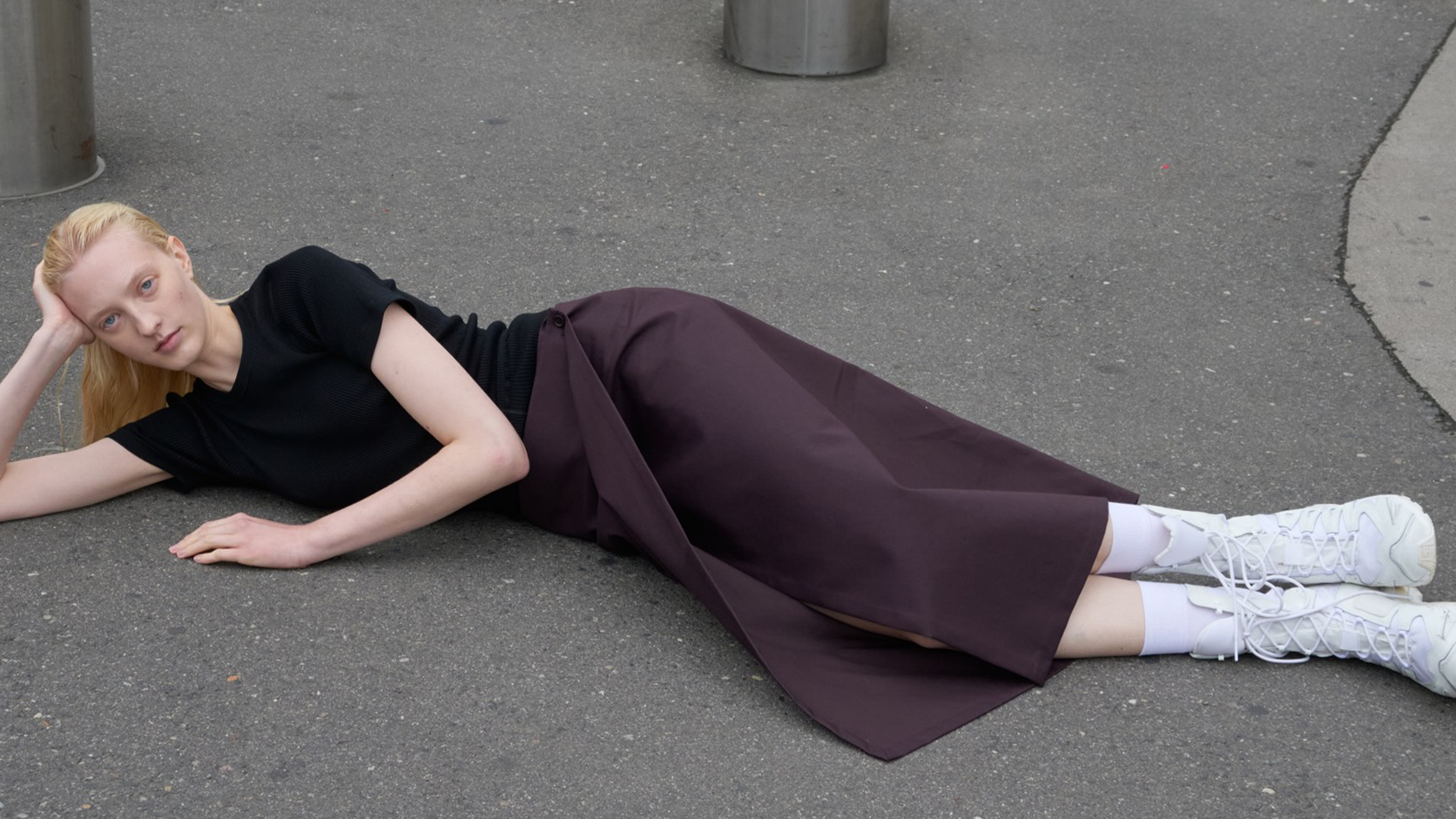
The Grammar of Second-Generation Gorpcore: "Restraint and Contrast"
2026-style gorpcore is writing a dress grammar that is the exact opposite of the first generation.
- First-generation gorpcore (the era of showing off): Show-off styling covered head to toe in technical materials, with giant brand logos displayed like badges.
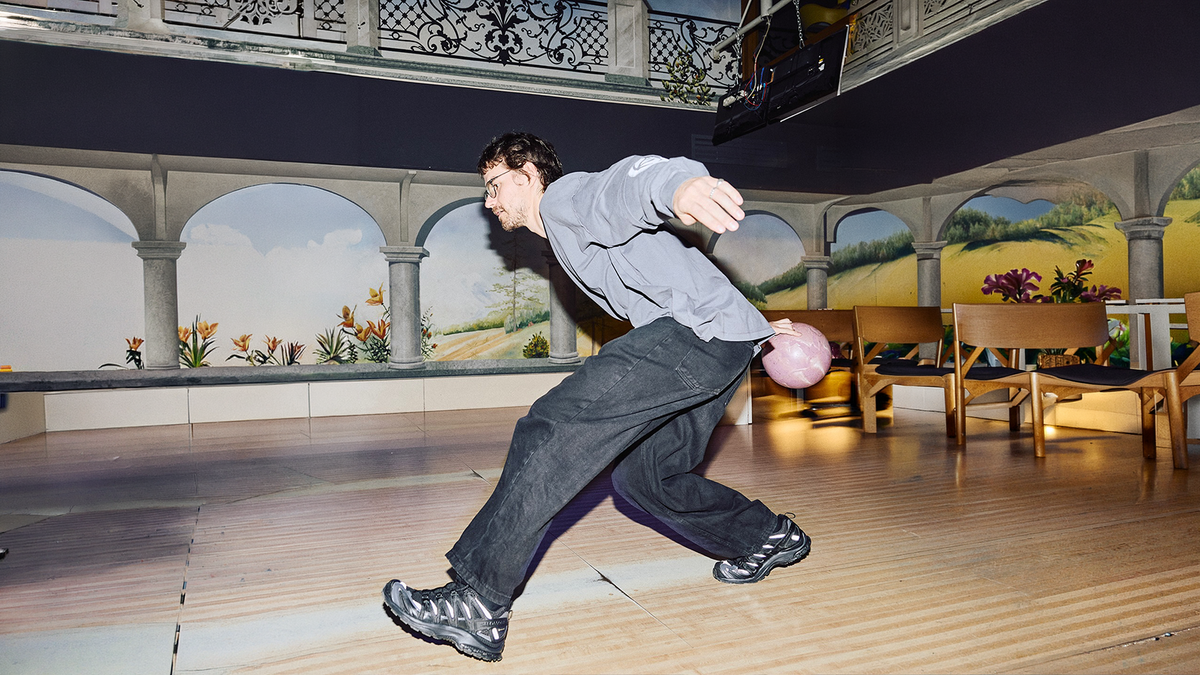
- Second-generation gorpcore (the era of restraint): A refined contrast that keeps just "one or two anchor pieces," such as trail shoes or technical outerwear, and pairs them with non-technical items like tailored trousers or refined knitwear.
In fashion communities, style rules are even being shared that treat pairing a hardshell jacket with classic sneakers as taboo, calling it "styling that undermines technical authenticity." This shows that gorpcore has moved beyond a passing fad to establish itself as a solid "dress code."
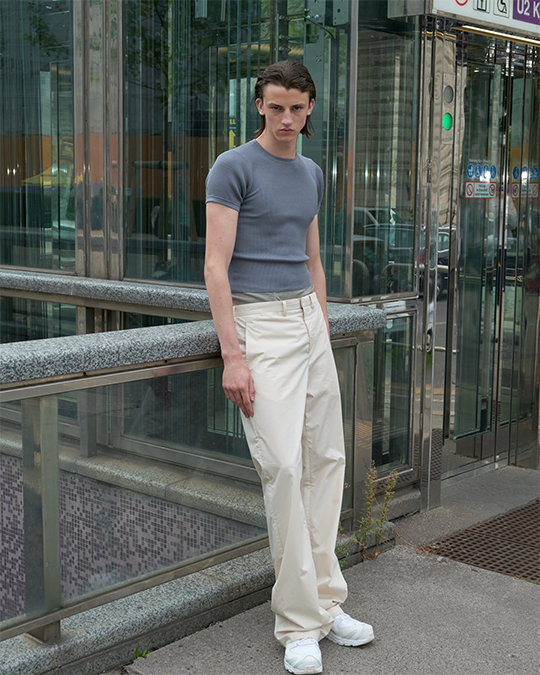
Sourcing and Buying Design for Buyers
As gorpcore moves beyond a short-term "seasonal trend" to become "the default of the wardrobe," we suggest that retailers also reshape their buying and VMD strategies to be more flexible and structural.
Consider Shifting from "Seasonal Trend" to "Year-Round Assortment"
We recommend adjusting gorpcore anchor items (trail shoes, hardshells, fleece, and more) out of a short-term, sell-through budget structure and repositioning them from the perspective of a core line that turns over steadily year-round, like denim or white shirts.
Proactively Discovering Brands
At a time when the leading first-generation brands are already going through mass-market and premiumization stages, we recommend getting ahead in discovering follow-up brands that consistently introduce high-sensibility sportstyle lines, such as Merrell 1TRL. This will be a good opportunity to diversify your store's portfolio and strengthen its margin structure.

💡 EDITORIAL SMALL TALK
The Secret of Growth Without Ads
Amer Sports, the parent company of Arc'teryx and Salomon, cites "unaided awareness" as a key growth driver for its core brands. Because an organic fandom, formed through local hiking clubs and trail running communities rather than large-scale commercial advertising, supports a strong foundation beneath the brands, they maintain solid sales that aren't easily shaken even when the winds of trends change.