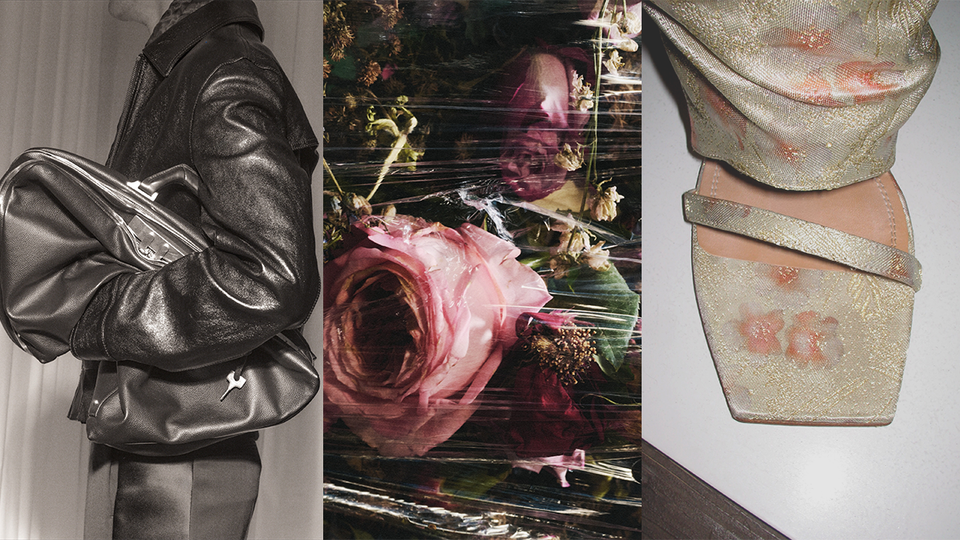
Gucci's Rebound Signal
Gucci's slowing decline and an early sign of recovery in its handbag line.
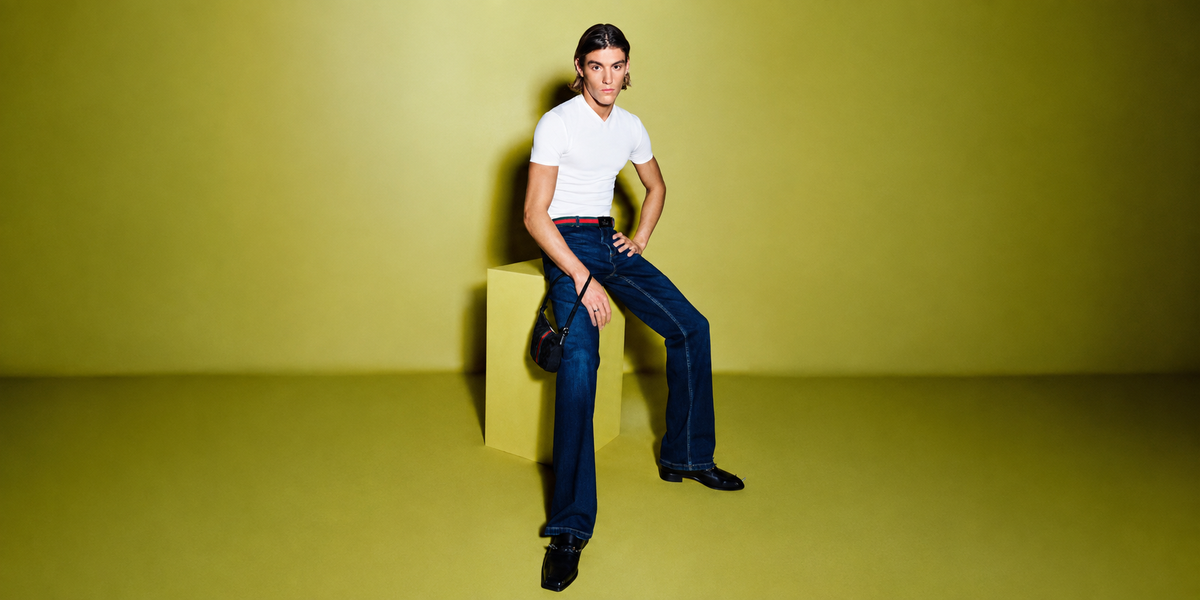
On July 29, 2026, shares of Kering Group rose 16.9% in a single day. It was the biggest one-day gain in 24 years, since 2002, when Tom Ford was leading Gucci's golden age.
What's striking is that Gucci's second-quarter sales were still in negative territory (-2%). Even so, the reason the market celebrated is clear. Not only did the result beat the market's grim forecast (-4%) by 2 percentage points, but directly operated retail performance rebounded sharply by 7 percentage points from the previous quarter, signaling the end of a long tunnel of decline.
We break down the decisive moment when Gucci's turnaround program, launched alongside Demna's appointment and known as the "Rinascimento" (Renaissance) plan, began to earn commercial legitimacy in the market.
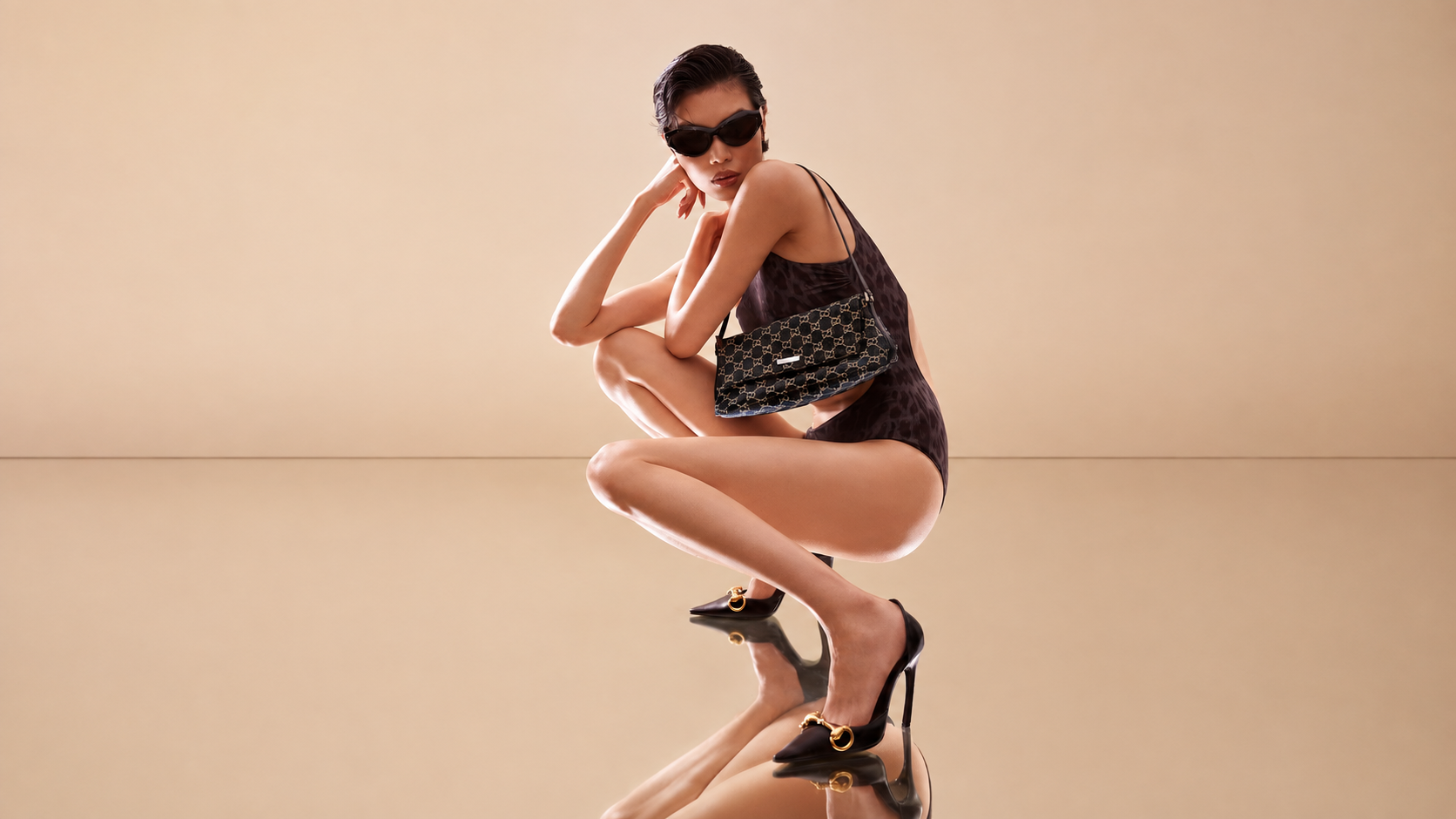
Demna's Gucci
Demna, who shook up the luxury scene for ten years at Balenciaga with cynical concepts and political messages, chose an entirely different way of speaking as he rose to become Gucci's lead creative director.
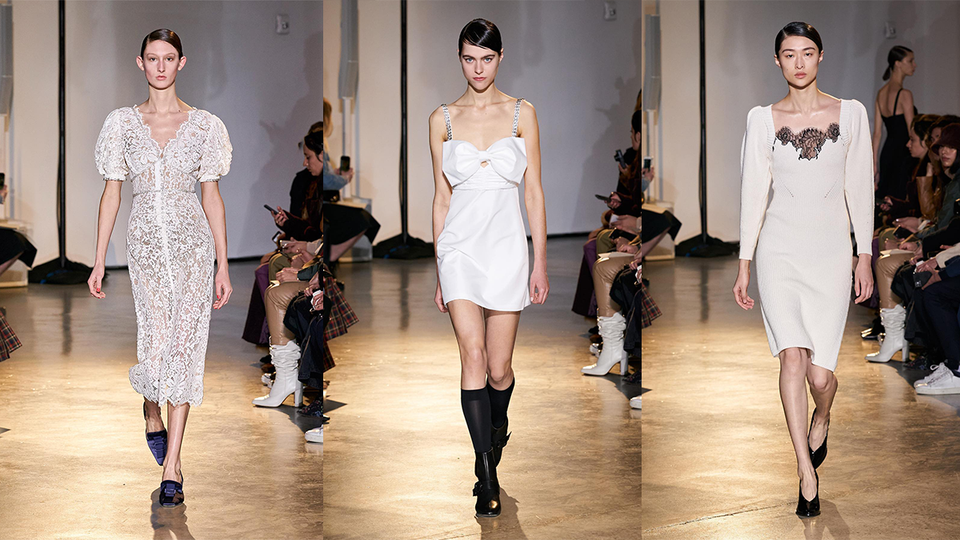
With his first collection, "Primavera," he declared "design that can stand on the clothes alone." Gucci focused on restoring the brand's inherent sexiness and intuitive sensuality.
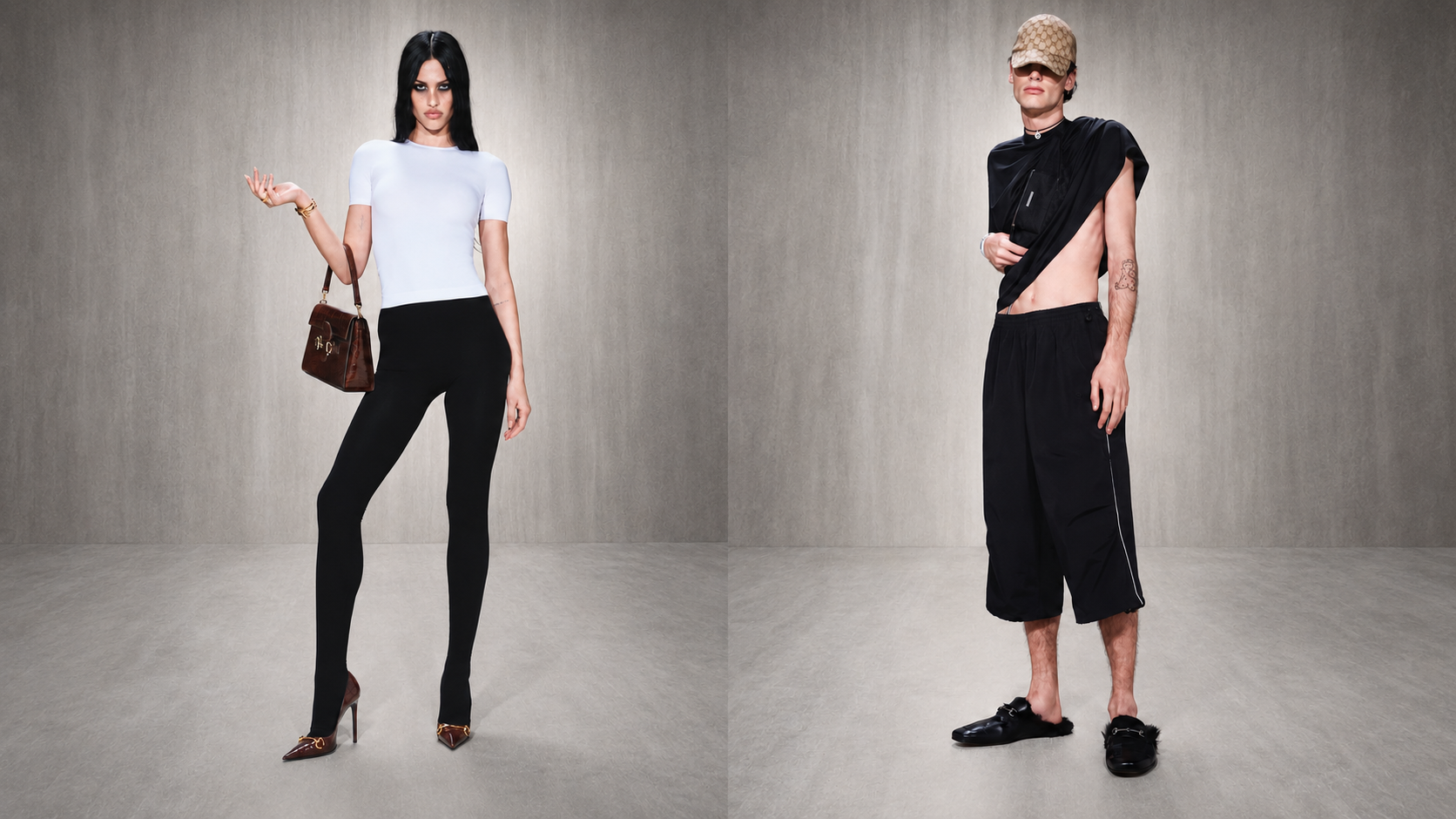
It embraced designs that radiate appeal the moment you put them on, without complicated interpretation, such as legging pants, seamless mini dresses, and dazzling, glittering runway gowns.
Commercial Experiments and Price Recalibration
The most tangible driver of this second-quarter rebound was a recovery in the US market (+9%), and at its center was the new handbag collection Demna introduced. This season, Gucci carried out a highly aggressive commercial experiment that overturned luxury's classic timeline.
Breaking the Time Gap
Just one week after the fashion show ended, key pieces were released immediately in stores and online. By building a structure that converts the runway buzz into purchases before it cools, it dramatically shortened the lag between editorial and commerce.
Reflecting on Excessive Price Increases
Kering's leadership acknowledged that the excessive price hikes of recent years had driven customers away, and recalibrated the price architecture of its new handbags and shoes to a "persuasive level."
Points for Buyers
Gucci's slowing decline is encouraging, but rather than calling it a complete rebound just yet, now is the time for a careful approach that closely watches how the market warms up. The early response in handbags, the brand's symbol and the category where consumers choose most strictly, reads as a positive sign that the brand's distinctive desirability and value are naturally recovering.
That said, since these figures come from before the Primavera collection rolled out in full, we suggest calmly watching the second-half trend, when the full lineup and marketing campaigns get on track, and adjusting your buying timing accordingly.

💡 Editorial Small Talk
The Irony Behind the Biggest Gain in 24 Years
Kering's 16.9% single-day surge was the first of its kind in 24 years, since 2002. Ironically, 2002 was during the final years of Tom Ford's reign over Gucci with his ultimate sensuality. As soon as Demna declared "intuitive sensuality," a stock record from 24 years ago was broken.
Meeting Apple Vision Pro
To coincide with its "See Now, Buy Now" launch, Gucci simultaneously launched a virtual showroom exclusively for Apple Vision Pro. It's a pioneering case of a luxury house actively using spatial audio and spatial computing as an actual release channel.