Why Brands Are Returning to Where They Began
The business background behind global fashion brands returning to their original heritage.
In the first half of 2026, one phenomenon running through the global fashion scene is that luxury and contemporary houses are all turning their eyes back to the starting point where their brands first began.
This isn't a simple rehash of the past or nostalgic retro. It's because the definition of the luxury consumer has shifted from logos to "craftsmanship and historical longevity," and we've entered an era of "re-interpretation," in which newly appointed creative directors (CDs) reinterpret their houses' archives.
Five Brands, Five Stories of Returning to the Original
Acne Studios
In 1997, an error at an Italian factory produced 100 pairs of denim jeans with one pocket sitting lower than the other, and they became an icon among cultural insiders. Thirty years later, the brand revived them as the tapered-fit "1996 Cut" and a hand-painted jacket.
Loewe
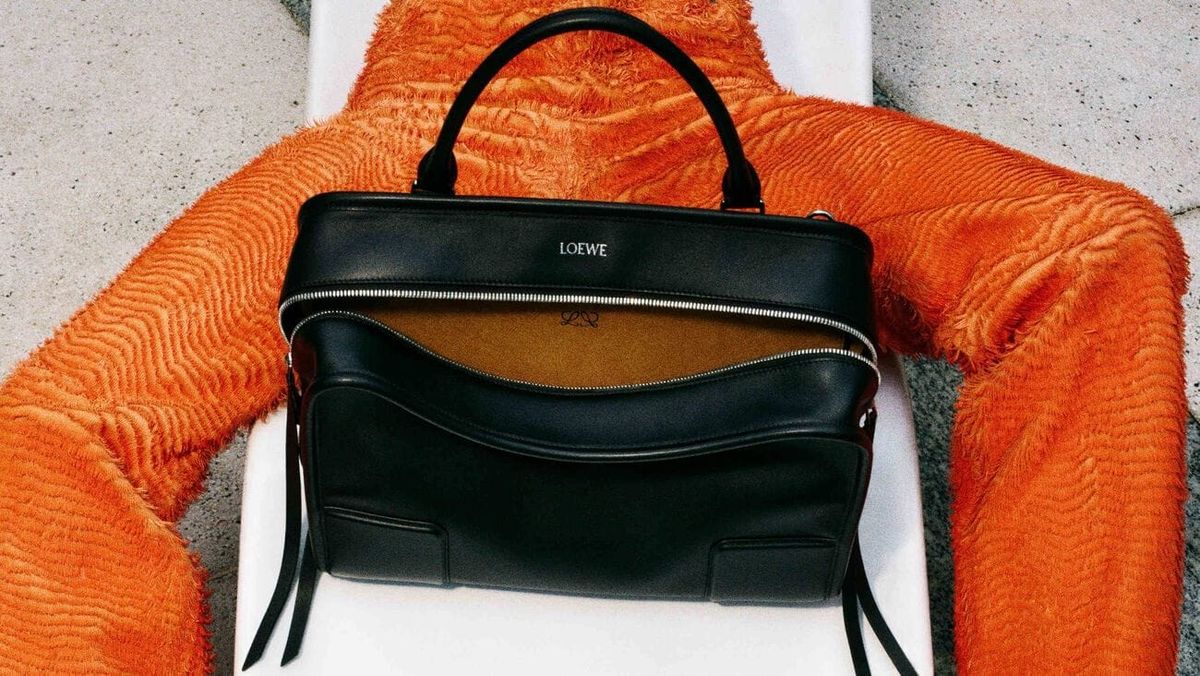
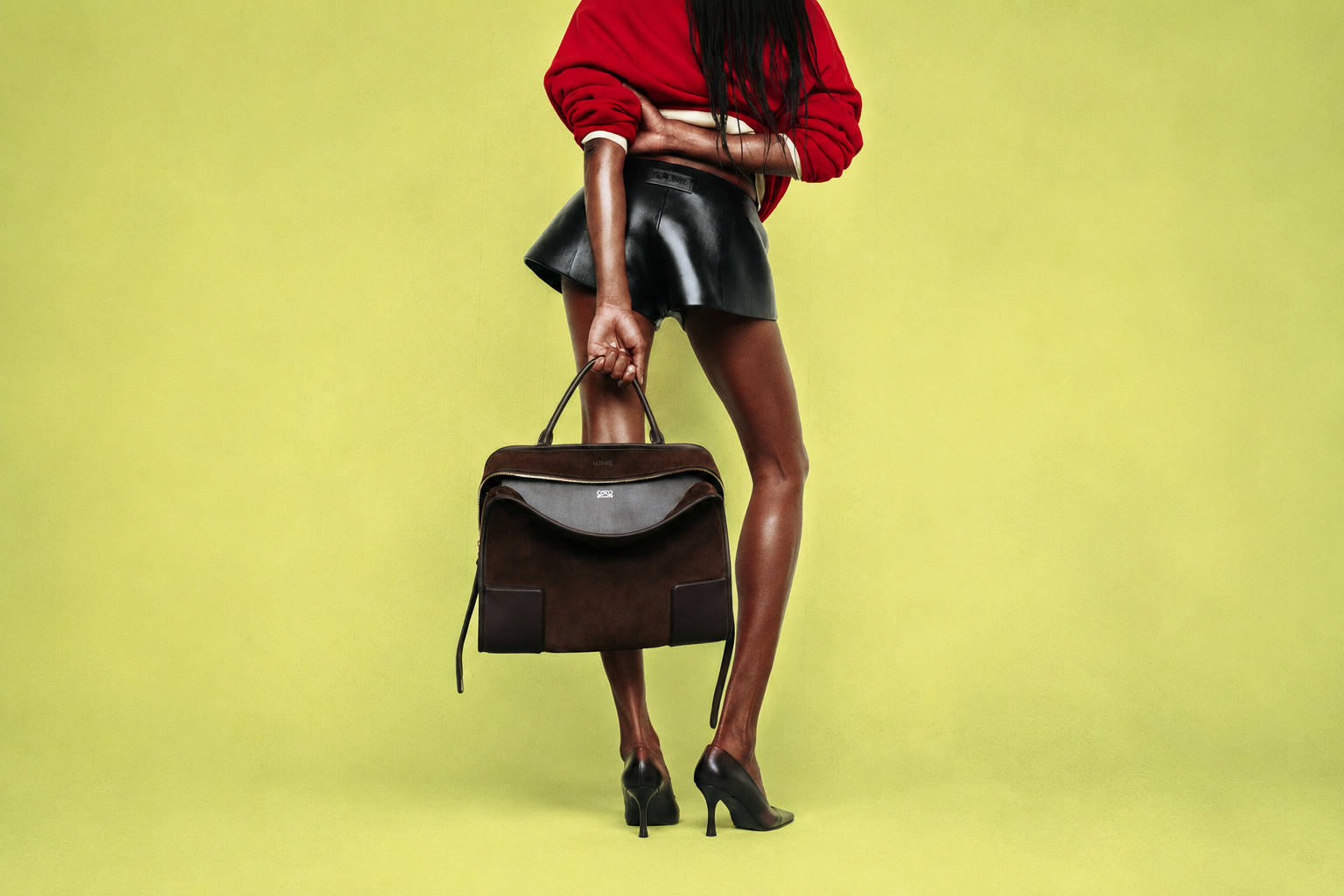
To mark the brand's 180th anniversary, Loewe brought back the "Amazona," its first all-in-one day bag born in 1975 during Spain's era of women's liberation, with modern volume and ease.
Chanel
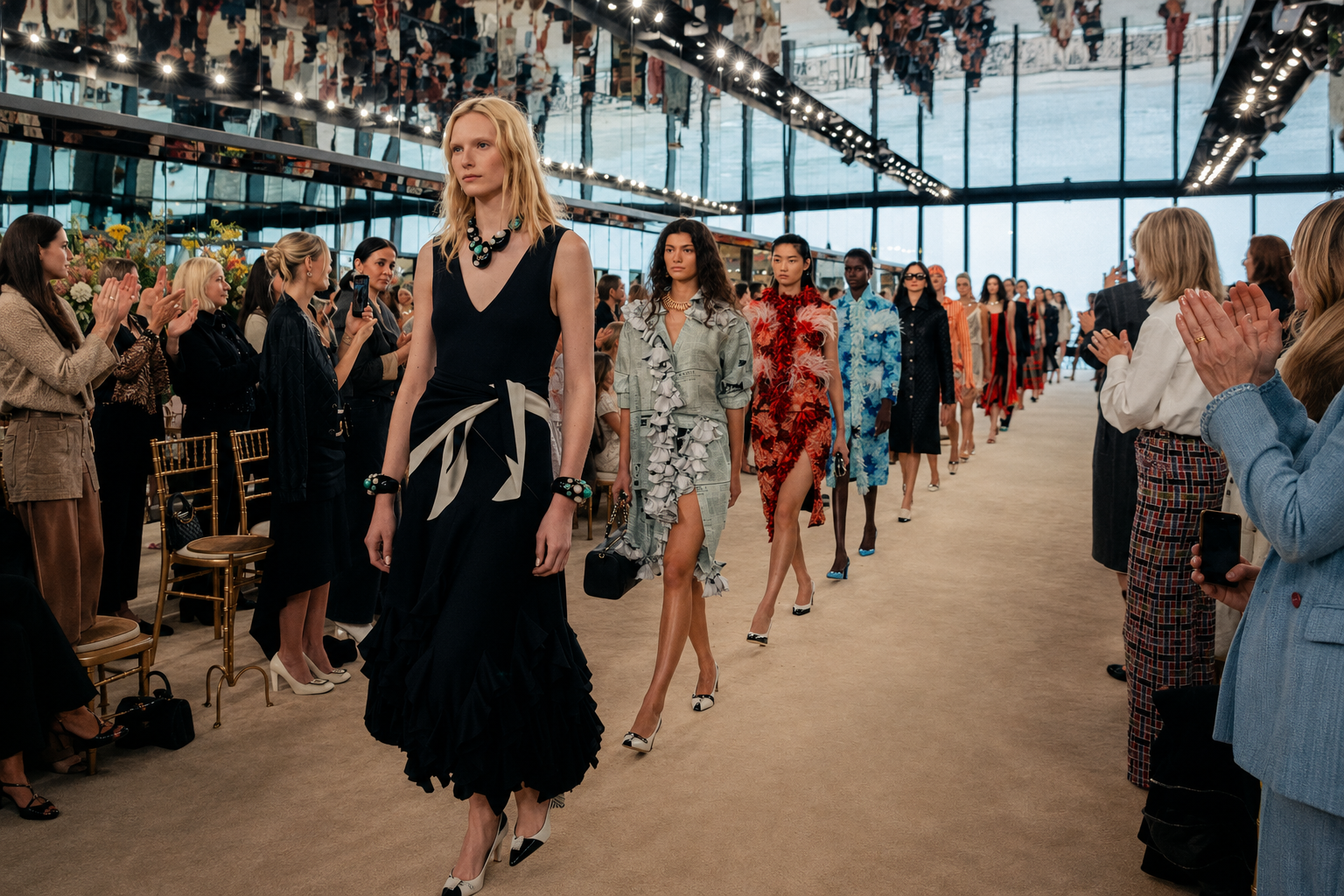
Chanel chose Biarritz, where Coco Chanel opened her first maison in 1915, as the stage for its 2027 Cruise show. This isn't simply a change of location but a declaration of returning to a truly Chanel attitude.
Martin Margiela
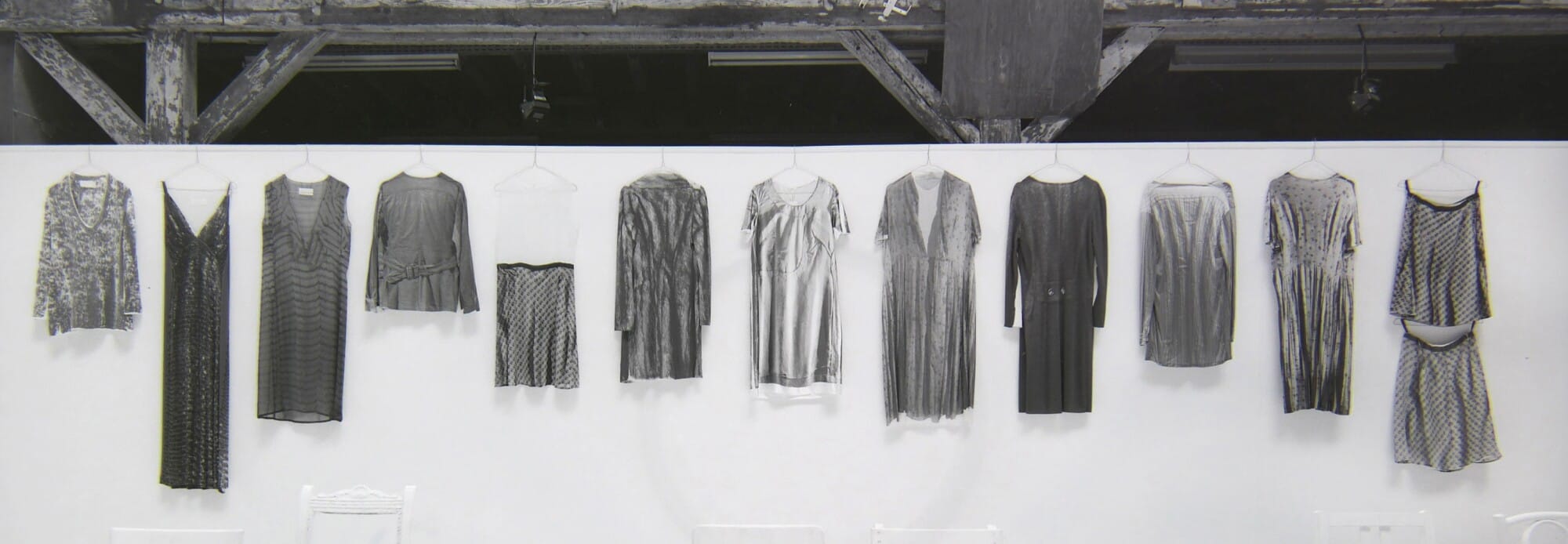
Through an auction of 195 original objects personally curated by Margiela himself, who has vanished from the fashion world, the brand turned its absence into absolute scarcity value.
Versace
Versace revived the haute couture format of Gianni Versace's era in the 1970s and '80s while discontinuing its casual line (Versace Jeans), returning to the brand's highest level of originality.
Not Simple "Restoration" but "Modern Re-interpretation"
None of the five brands simply copied the original. Acne Studios reinterpreted the 1996 Cut with trompe-l'œil and distressed washes, and Loewe reinterpreted the structural rigor of 1975 with a relaxed attitude, worn with the zipper left open.
Chanel, too, presented a collection reinterpreted in Blazy's language, and Versace carried on couture through a director with an entirely different sensibility (Mulier). As Jonny Johansson put it, this is "a new narrative shaped by reverence, not irony, and a remix of stylistic conventions."
Why Consumers Crave Heritage
47% of global consumers say brand story is a key factor in shaping their perception of a premium brand. A story like "a bag born in 1975 during the era of women's liberation" offers a far stronger reason to buy than "this season's new arrival."
And as half of luxury consumers check the resale (secondhand) market before buying, the price of original items on the vintage market has become a reference point that supports the price justification of new products. The strategy of brands returning to their originals is resonating precisely with the resale ecosystem.
3 Angles for Buyers
Brand Curation
Your store's curation becomes persuasive when you deliver "the first scene where this brand began" together with the product, like Lacoste's 1923 Davis Cup or Birkenstock's original Arizona.
Verify Resale Value Resilience
When buying, checking the historical legitimacy of an item can help preserve its asset value.
Watch the New CD's Choices
The very first item a new director pulls from the house's archive after taking over may well signal the direction the brand will take going forward.