How Clothes Like Artworks Become a Business
Haute couture as a media asset, and the fashion business insights behind it.
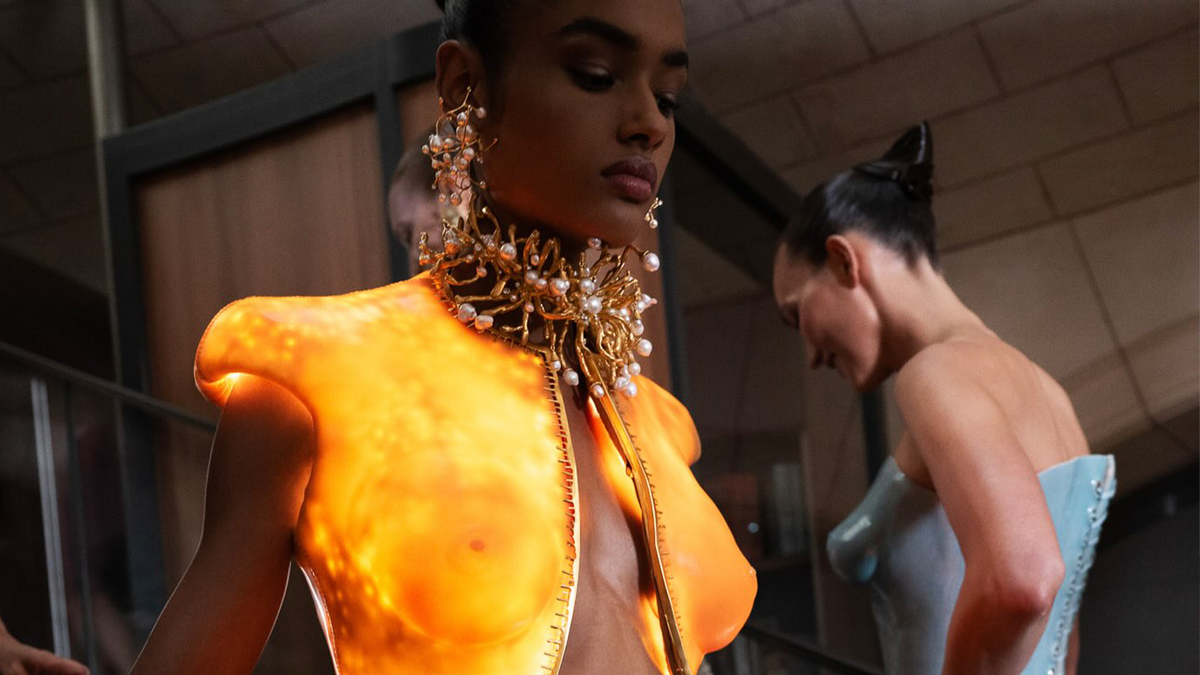
How does haute couture, made for a small number of clients, work as a brand asset for the entire house? We look at the structure through the cases of Schiaparelli, Chanel, and Balenciaga.
Haute couture requires enormous time and handwork to make a single garment, and its actual buyers are extremely limited. Looking at sales volume alone, it doesn't seem like an efficient business.
But look at the media impact value (MIV) figures compiled by fashion data analytics firm Launchmetrics and the moves of major houses, and a different role comes into view. New creative directors are using haute couture as a stage to show their direction, and the images created in couture are raising interest in the brand as a whole.
Through the cases of Schiaparelli, Chanel, and Balenciaga, we break down the business structure behind how clothes that sell in small numbers but create powerful images translate into assets for the entire house.
Haute Couture That Adds Value to the Entire House
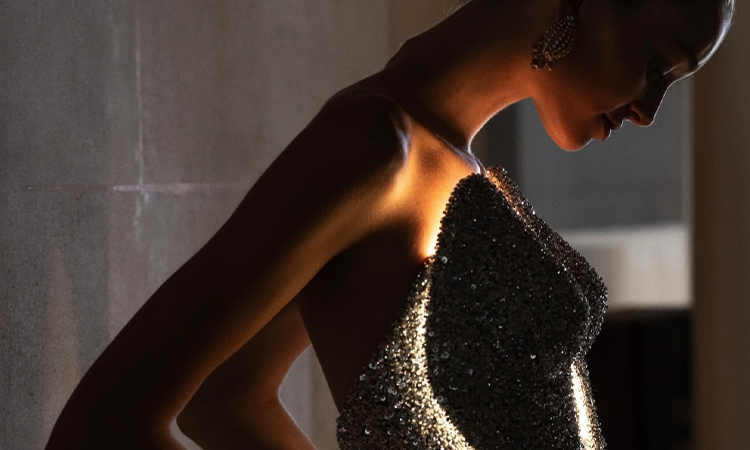
Haute couture has the structural characteristics of hundreds of hours of artisanal handwork and an extremely small client base. Because houses rarely disclose the profit and loss of their couture divisions separately, it's hard to know exactly how much revenue this area generates on its own.
Yet the reason luxury houses maintain this stage is that the role of haute couture doesn't stop at "dresses that sell." The value haute couture creates can be looked at in three main ways.
- A distinctive media asset: It provides a stage, separate from the ready-to-wear (RTW) calendar, to showcase the brand's design and craftsmanship capabilities in concentrated form.
- A craftsmanship narrative that explains product value: The sophisticated techniques shown in couture can serve as the backdrop that explains the brand value of other products, such as bags and jewelry.
- Relationships with top-tier clients: Haute couture is also a touchpoint where the house can build close relationships with a small number of high-spending clients.
The images and craftsmanship narratives created in couture can carry over into the brand experience across broader product categories, including ready-to-wear, bags, jewelry, and beauty. That's why sales by division alone can't fully explain the role couture plays across the entire house.
Schiaparelli: A Couture-Centered Growth Strategy
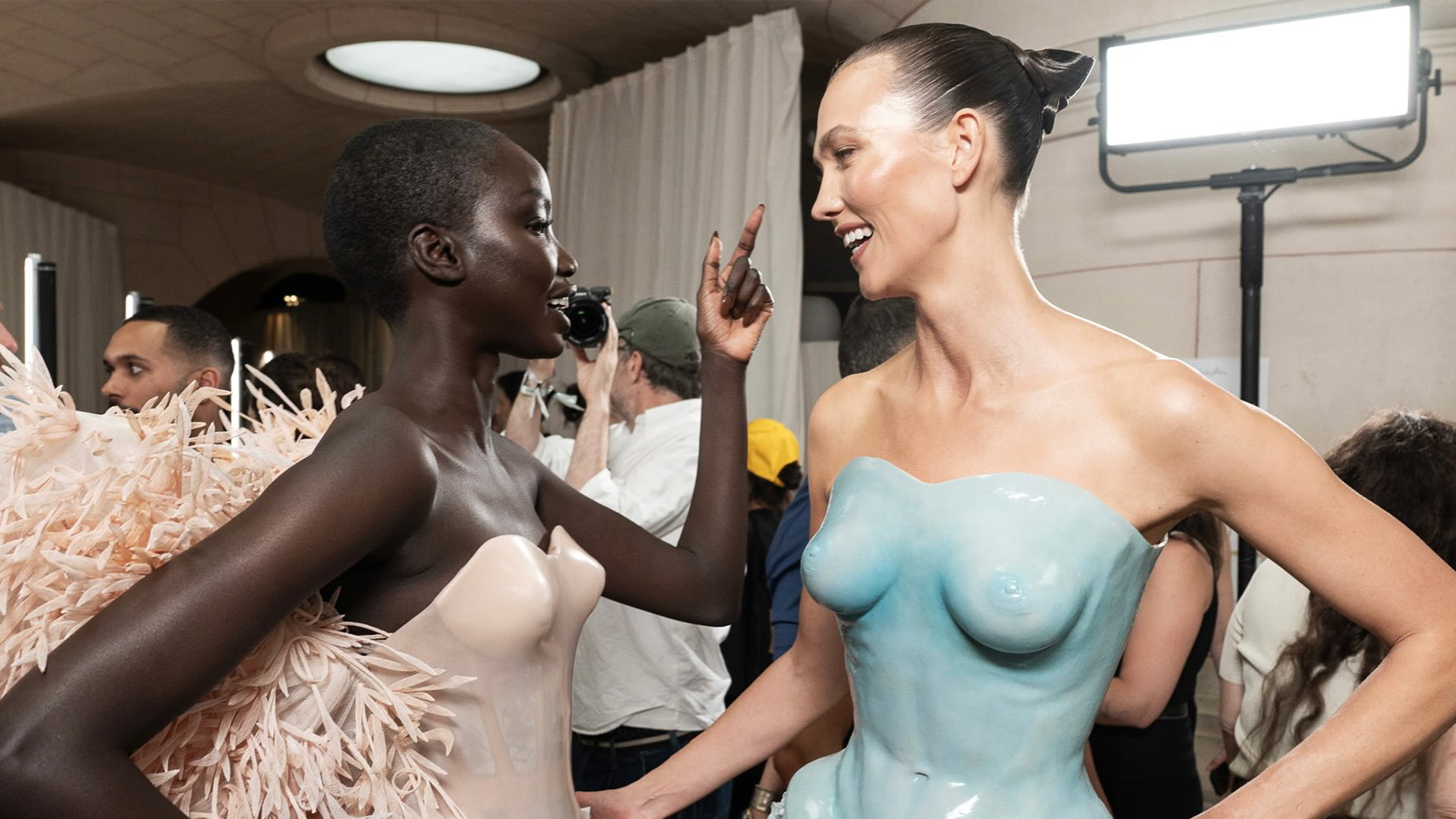
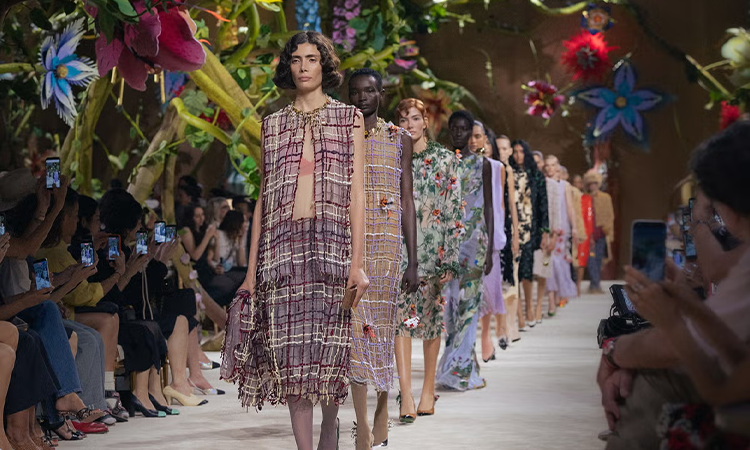
Schiaparelli, which isn't part of a major luxury group and operates a limited store network, has built a vivid visual identity through its haute couture shows. Revived after going dormant in 1954, the house shows a structure that places couture at the center of the brand and extends its worldview into ready-to-wear and accessories.
The golden body motifs and surrealist language that creative director Daniel Roseberry has developed don't stay on the runway. Original sculptural forms and decorative elements are transplanted into actual products for sale, such as bags and jewelry, so that consumers can experience the house's world through accessible products even if they don't buy a couture dress directly.
In fact, at Haute Couture Week in July 2026, it recorded about $35.2 million in MIV, achieving high media exposure behind Dior and Chanel. While this figure doesn't mean immediate sales, it does confirm that haute couture is an important stage for building Schiaparelli's brand awareness.
Chanel: A Structure Where Couture Prestige and Retail Products Coexist
Chanel is a leading house that runs its haute couture craftsmanship and heritage alongside a broad range of products for sale. According to international media reports, Chanel's comparable revenue rose about 16% in the first half of 2026, and its watches and fine jewelry division reportedly grew about 35%.
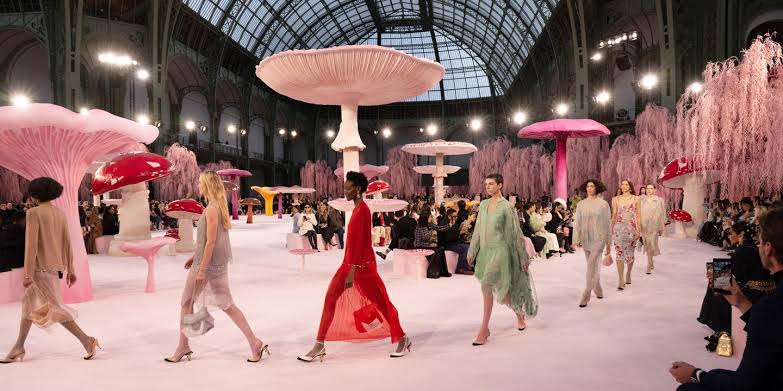
The tweed, embroidery, and sophisticated techniques shown in couture are an important stage for showcasing the craftsmanship Chanel has built up over many years. These images can help support the brand experience surrounding actual products for sale, such as ready-to-wear, bags, and jewelry.
Matthieu Blazy's first products arriving in stores from March and drawing a strong response was cited as one of the main factors behind the recent first-half growth. So rather than couture itself creating sales, the Chanel case is closer to an example where you can look at a house structure in which a strong creative image and a wide range of products for sale work together.
Balenciaga: A Media Powerhouse That Gets Ahead of Market Expectations
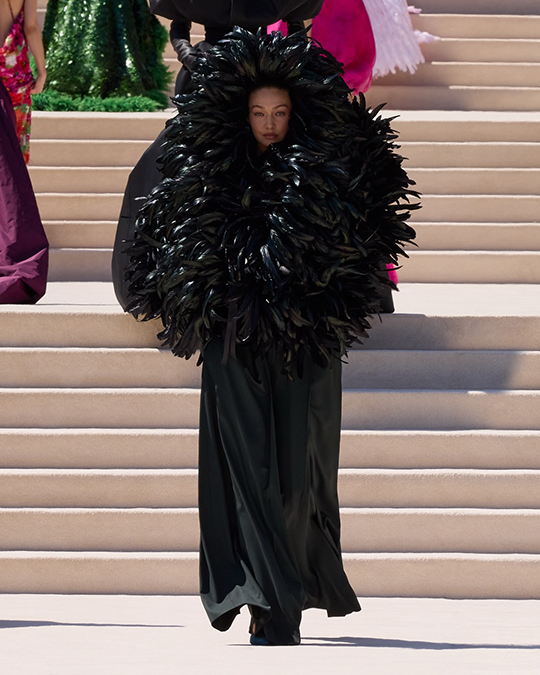
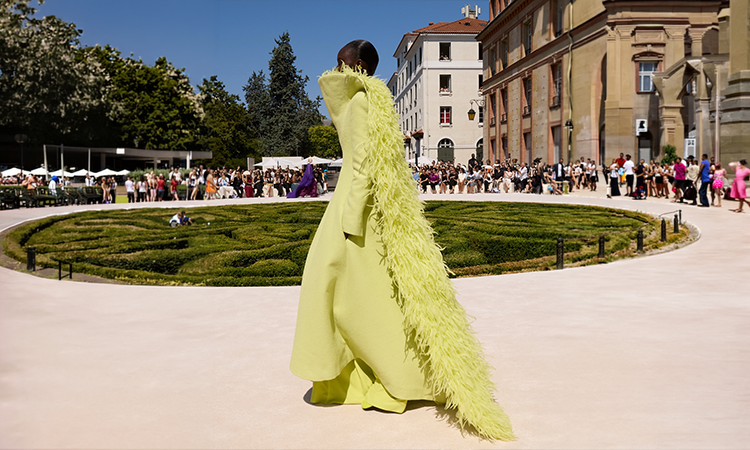
During its leadership transition to new creative director Pierpaolo Piccioli, Balenciaga used haute couture as the front line for declaring the brand's new direction. For a new director, couture is a precise space to show, in the densest form, the house's historic heritage, its craftsmanship capabilities, and the design language to come.
This interest is also confirmed in media metrics. At Haute Couture Week in July 2026, Balenciaga recorded about $21.3 million in media impact value (MIV), placing it among the top brands.
It can't be concluded that this runway buzz leads directly to immediate sales of ready-to-wear or accessories in stores. But it's worth noting that it can be used as a media asset that builds anticipation for future collections led by the new director and shows the market and buyers the brand's changed direction.
How a Single Design Language Becomes a Brand Asset
For this structure to work effectively, the accumulation of time also matters. For a design language created in couture to translate into a brand asset, specific codes need to be exposed repeatedly until they become familiar to consumers.
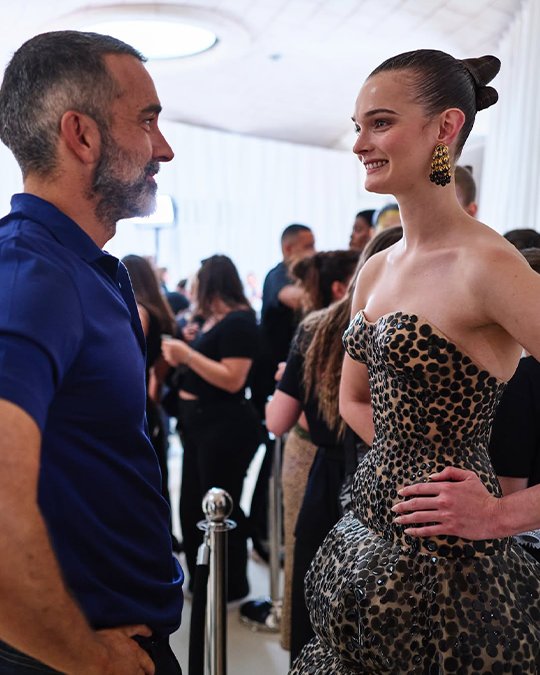
Roseberry's roughly seven-year tenure at Schiaparelli became a period for developing the house's own design language. By repeating golden ornaments, body motifs, and surrealist forms across multiple seasons, codes that let consumers recognize Schiaparelli at a glance gradually accumulated.
If the arrival of a new director can generate short-term interest, developing a single design language over a long period can also be a way to strengthen a brand's recognizability.
The Schiaparelli case shows that couture is more likely to translate into a brand asset when repeated imagery and time come together, rather than working through a single moment of buzz.
💡 Fashion Business Insights
Buyers: Check whether runway images connect to actual products: Even for jewelry or bags in the same price range, rather than looking only at the buzz from the show, it's worth checking whether the design language created in couture carries naturally into the products actually for sale. The connection between brand image and commercial products can serve as a reference criterion for accessory sourcing.
Marketers: Also consider the role of products that build image rather than sales: Not every product needs to play the same role. Some products can serve to show the brand's direction clearly and stay in people's memories rather than drive direct sales. Couture is one of the clearest examples of this structure.
MD and merchandise planning: Balance symbolic products with products that actually sell: As in the cases of Schiaparelli and Balenciaga, it's worth paying attention to an approach that pairs symbolic products that create a strong image with products customers can actually buy. When discovering emerging brands or planning a lineup, it's also good to check not only for buzzworthy products but also for a commercial product assortment that supports them.