4 Formulas for K-Fashion's Entry into China
An analysis of entering China, from local distribution partnerships and premium positioning to digital commerce.
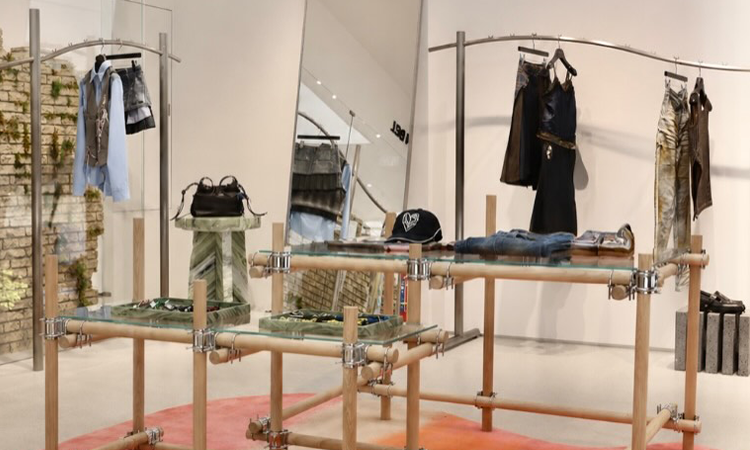
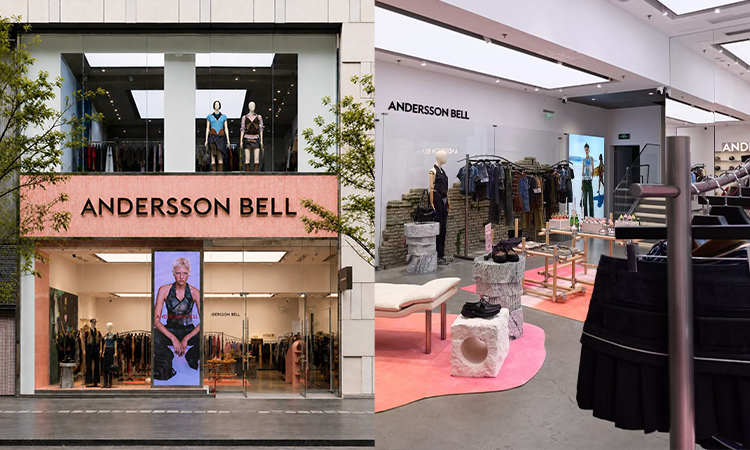
News of major K-fashion brands re-entering the Chinese market keeps coming. Several brands, including Sierra Designs, JUUN.J, ANDERSSON BELL, Matin Kim, Mardi Mercredi, Musinsa, and HAZZYS (LF), are approaching a market they had been cautious about for a while, with strategies that set them apart from the past.
Looking at these brands' moves from multiple angles, their core categories vary, but there are key patterns commonly observed in how they enter. Through real-world cases of K-brands that have recently entered the Chinese market, we've summarized four strategic takeaways.

Using Local Specialist Partnerships Instead of Going It Alone
The most distinct feature is that more brands are forming partnership structures with local specialist partners rather than entering directly on their own. It's read as a strategic choice to reduce the trial and error and fixed-cost burdens Korean headquarters faced in the past when running online and offline operations directly.
Local partnership types fall broadly into three directions.
- Alliances with local retail companies: An approach that leverages companies with distribution and store operation infrastructure, such as Topsports, Anta Sports, and Li-Ning. (e.g., Sierra Designs, ANDERSSON BELL)
- Links with specialist distributors: A structure that partners with specialist channels that have built up experience distributing K-brands, such as MISTO Holdings. (e.g., Matin Kim, Mardi Mercredi)
- Strengthening long-term partnerships: A form that continues to expand trust-based partnerships, as in the case of LF's HAZZYS and Baoxiniao Group.
It's an approach in which brands focus on their core strengths of merchandise planning and maintaining their identity, while delegating local distribution and store operations to partners to increase stability in the early stage of entry.
Premium Positioning Centered on Landmark Shopping Districts
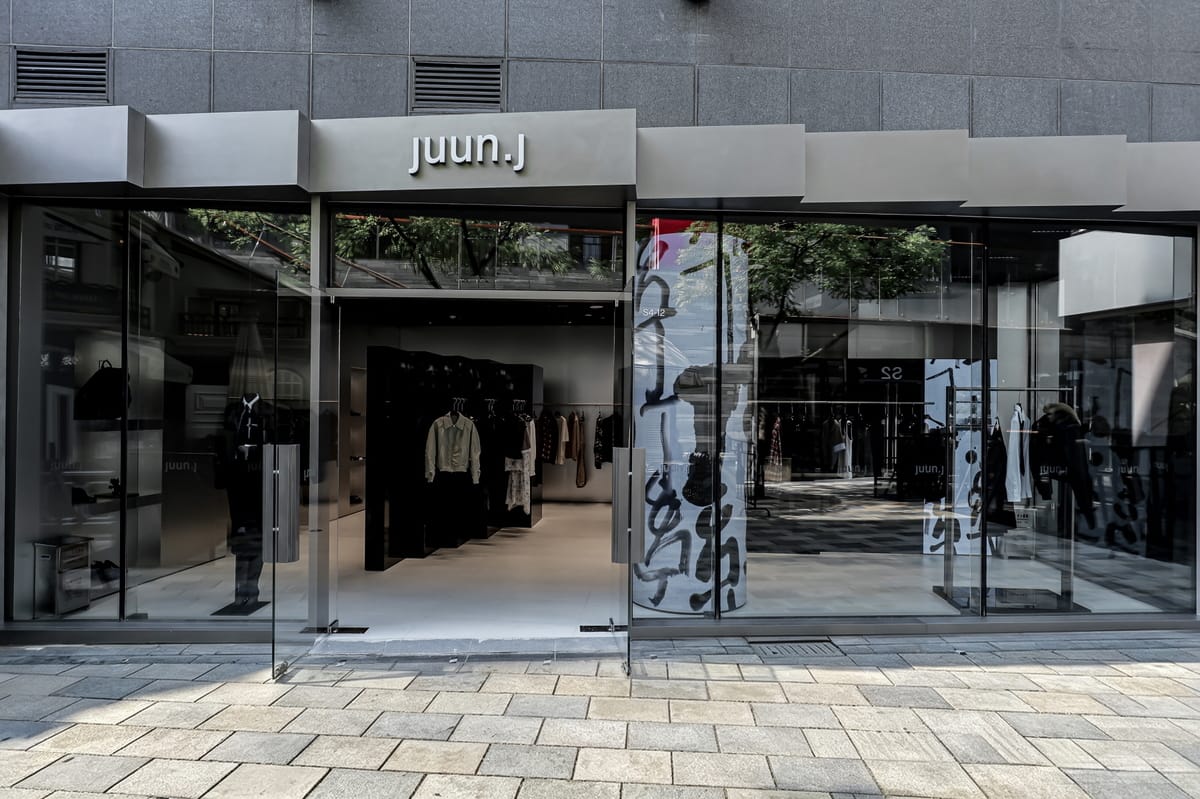
A more refined approach is also showing up in store locations and lineup composition. JUUN.J chose Chengdu's Taikoo Li district, where global luxury brands are concentrated, as its first hub. HAZZYS opened a large global flagship in Shanghai, and Sierra Designs also chose a key Shanghai shopping district for its first store.
It's a strategy of putting symbolic signature items front and center to solidify high-end and premium positioning. By focusing their capabilities on key districts and signature products that can show the brand's distinctive value, these moves are seen as attempts to effectively establish the brand's position in the market.

Riding on Proven Local Distribution Network Platforms
In the recent trend, it stands out that many brands share a specific, locally proven specialist distribution partner network. Following Matin Kim, Mardi Mercredi, and Marithé + François Girbaud, JUUN.J has also partnered with MISTO Holdings to open a hub in a key Chengdu shopping district.
It's a form that leverages a specialist system that integrates the management of major e-commerce channels such as Tmall, Xiaohongshu, and Douyin, in addition to building local offline stores. It can be seen as an approach that aims for a stable market landing by riding on an already established distribution network, cutting the cost and time lag of building one's own infrastructure from the start.
Strengthening Links with Local Digital Social Commerce and Content
Marketing execution is also continuously changing to fit the local media environment. Beyond simple brand exposure, a growing number of cases combine content and commerce that can spread organically within the local social media ecosystem.
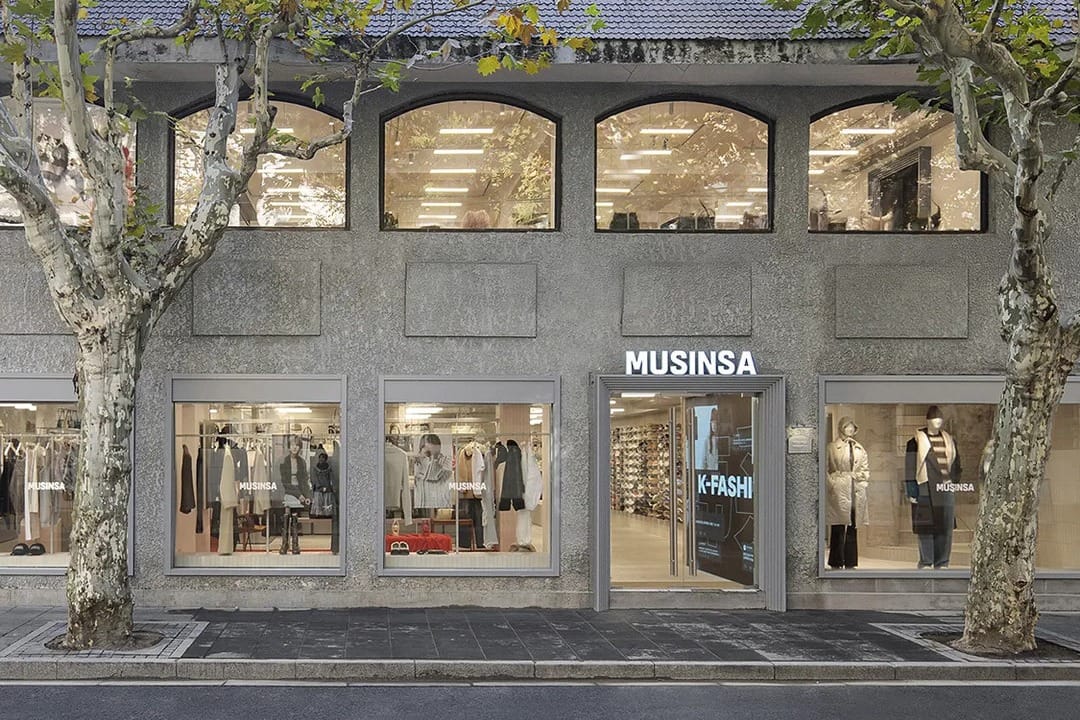
Musinsa set up an online-offline experiential space combining a dedicated studio for wanghong (influencers) and an offline media wall, and direct and indirect commerce links within key local channels such as Xiaohongshu and Douyin have also become more active. It's the result of reflecting, from the strategy stage, the fact that local consumers respond in multidimensional ways to a brand's digital stories and content.
💡 Fashion Business Insights
Brand planners: Check partners' local execution capabilities and proven track records: When entering the Chinese market, rather than a partner's sheer size, it's worth prioritizing its track record of successfully landing brands in similar categories and its ability to secure key offline shopping districts.
Marketers: Design content tailored closely to key local social channels: Rather than simply running ads, we recommend an approach that secures, in advance, product narratives and digital assets that can be consumed and spread organically within local platforms such as Xiaohongshu and Douyin.

💡 EDITORIAL SMALL TALK
The fact that everyone from large corporations to designer brands is actively using local partnerships shows that collaborating with local specialist partners has become one of the key options for entering the market. Now is the time for a shift in perspective: seeing the Chinese market not as a short-term outlet for offloading inventory, but as a key global hub for validating and expanding brand value together with local partners.