TANSANMAGNESIUM: The Secret Behind 800x Growth
TANSANMAGNESIUM, the casual brand that grew its monthly sales 800-fold within eight months of launch.
In a 2025–2026 fashion market where growth among startups and emerging fashion brands had somewhat stalled, one brand traced a remarkable growth curve. TANSANMAGNESIUM started with monthly sales of about $720 in its first month after launching in January 2025, then surpassed about $575,000 in monthly sales just eight months later, in August of that year (an 800-fold increase), drawing the attention of the fashion industry.
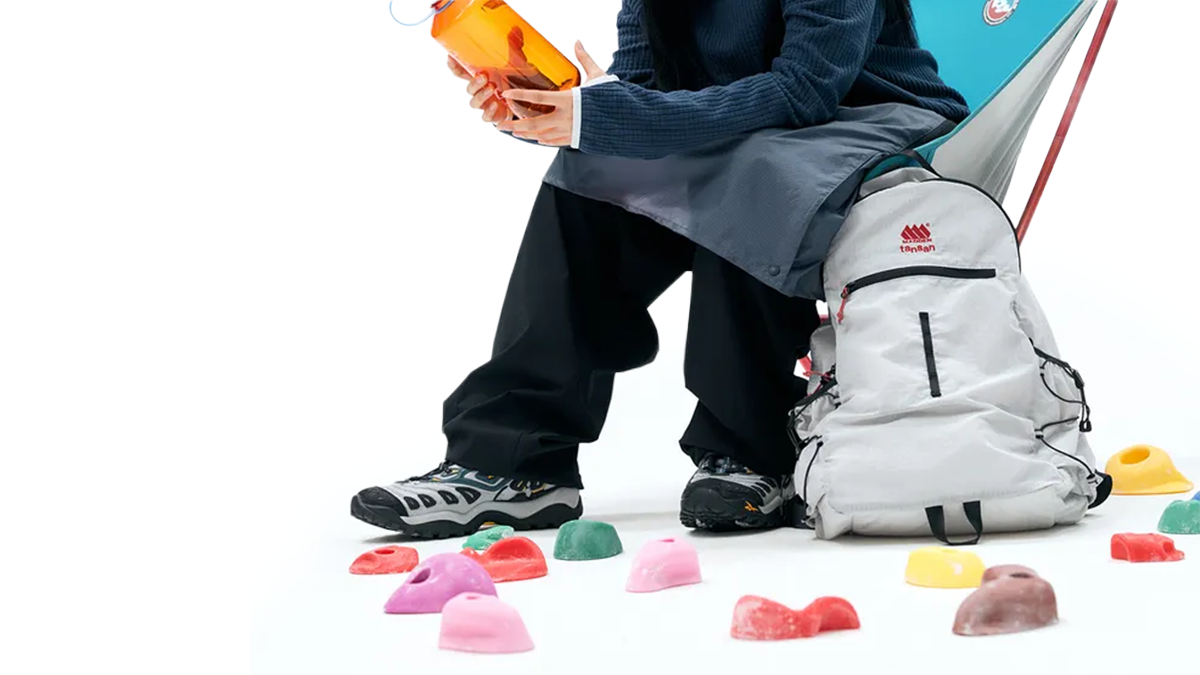
Named after the white powder climbers apply to increase grip, TANSANMAGNESIUM recorded about $4.3 million in annual sales in its first year and has set a 2026 sales target of about $18 million, expanding its business at a remarkable pace. We analyze the three core success strategies of TANSANMAGNESIUM, which moved beyond large-scale celebrity marketing or simple performance sportswear to successfully reinterpret the subculture of "climbing" as urban lifestyle fashion for the MZ generation.
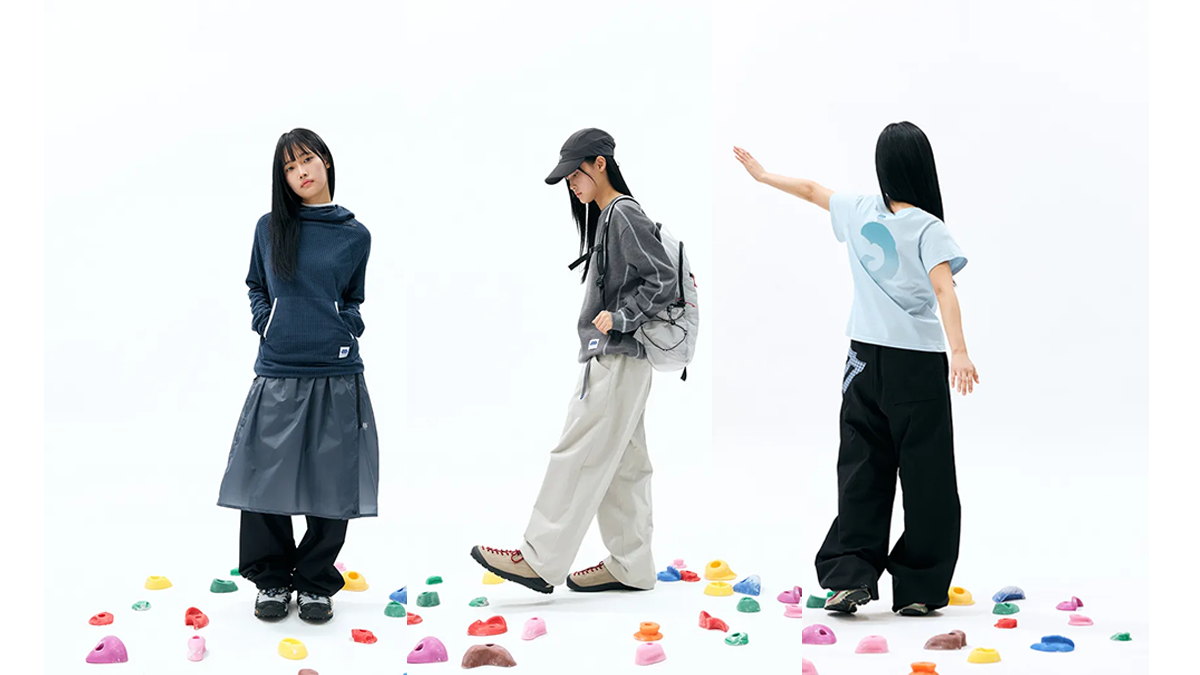
Redefining Itself as an "Urban Lifestyle Subculture," Not "Performance Outdoor"
CEO Park Youngwoo, born in 1993 and a graduate of Sangmyung University's fashion design department, defines the brand as "the Stüssy of climbing." Just as skateboarding formed the vast cultural category of streetwear, the strategy is to turn the subculture elements of climbing into everyday casual wear for the city.
The core of the brand lies in "a sensibility that even people who don't actually climb can wear." By placing signature elements subtly, such as mountain goat horn graphics, bags fitted with real climbing carabiners, and storage details designed for climbing shoes, it encouraged them to be consumed as "cultural codes shared among those in the know." Rather than competing head-on in the "mountain performance market" dominated by giant outdoor brands, it moved early to claim the untapped new territory of "climbing culture fashion."

Building a Targeted Fandom Around a Core Community, with Less Reliance on Celebrities
A standout element in TANSANMAGNESIUM's growth is that it didn't rely on the large-scale celebrity marketing commonly used by fashion brands targeting teens and twentysomethings. Instead of indiscriminate paid sponsorships, it first built an organic word-of-mouth ecosystem centered on the real climbing community and genuine users.
On top of this solid subculture core fandom, a large wave of trend-sensitive Gen Z female customers aged 18 to 24 flowed in. In fact, 66% of all buyers were women, and 69% were aged 18 to 24. As the authenticity inherent in the subculture met these young female consumers' demand for a street fit, it expanded into a powerful organic fandom that isn't swayed by passing trends.
Fandom-Aligned Collaborations and "Experience-Driven" Offline Expansion
Following cultural sensibility and fandom-building, what drove real business scale-up was a sophisticated collaboration and offline distribution strategy.
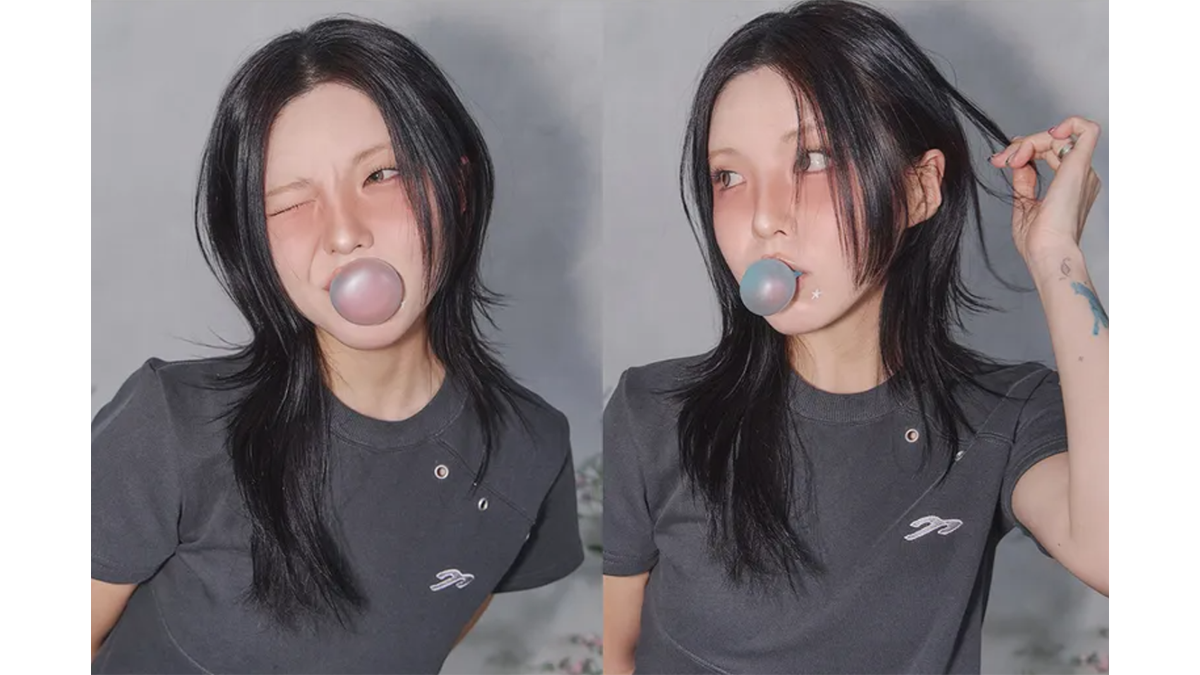
Fandom-tailored collaborations: It pursued collaborations with partners highly aligned with the brand's tone and manner. A live commerce session with popular YouTuber "Songi Songi" generated about $430,000 in sales in just one hour, and a collaboration with the character IP "Hello Jadoo" sold out 1,000 pieces in five minutes. At Musinsa's Black Friday event, it recorded about $1.6 million in transaction volume in a short period (ranking 9th overall and 3rd in womenswear), proving its brand power.
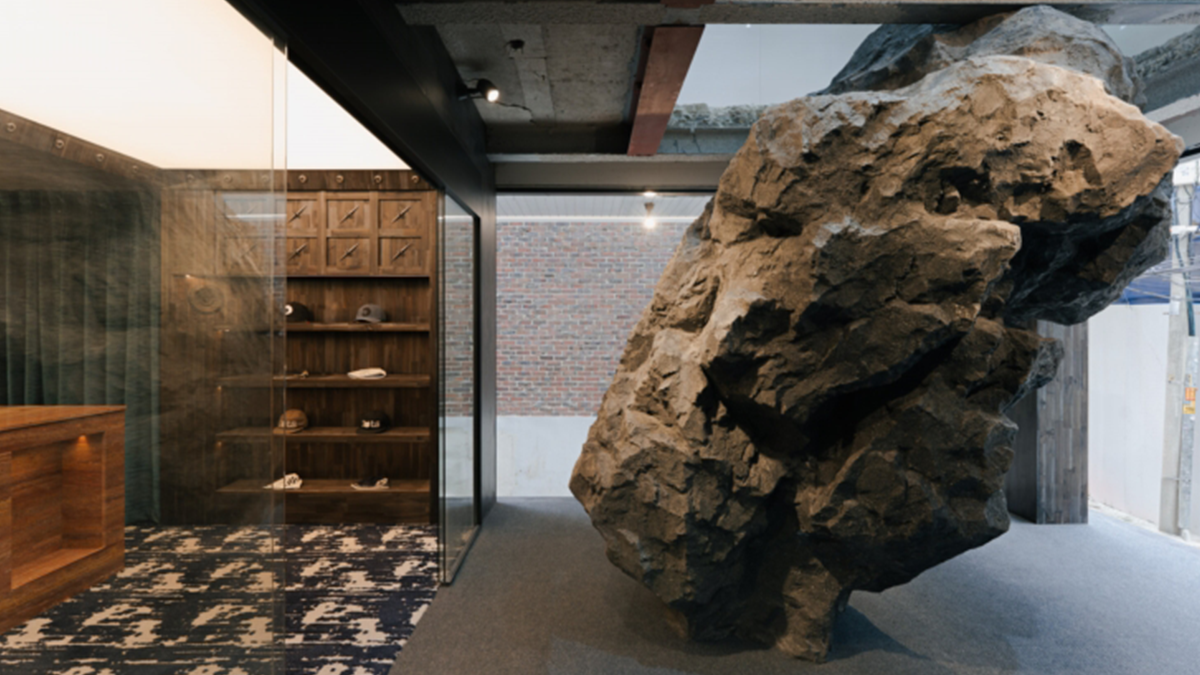
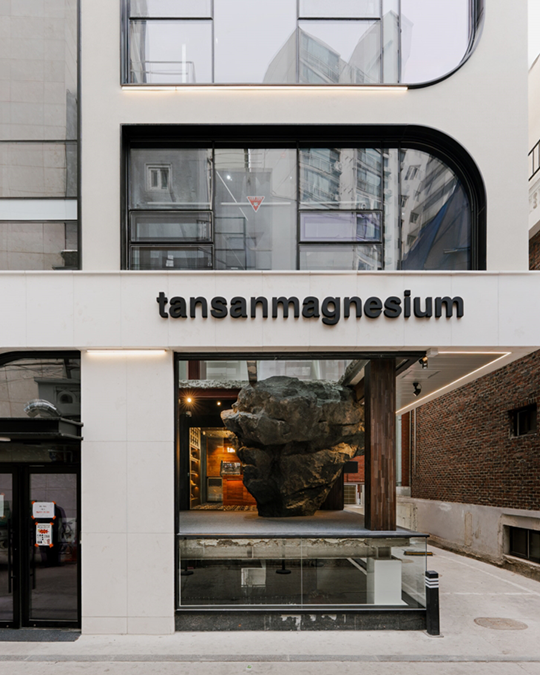
Experience-driven retailtainment stores: Its offline expansion was also designed to go beyond simple sales stores, creating spaces that deliver a "climbing lifestyle experience." After opening a four-story flagship store in Seongsu-dong in early 2026 (designed by TOFF Studio), it has been expanding into key hubs, including Starfield Suwon and Jeju. In particular, its Musinsa Seongsu pop-up store set record figures, with about $36,000 in sales on the first day and about $180,000 cumulatively over the pop-up period, firing the starting gun for its shift into offline retail.
💡 Fashion Business Insights
Brands: Turn subculture into fashion and claim the category early
Taste-driven subculture communities, such as running, climbing, and surfing, can become catalysts for opening new fashion categories. Rather than staying only within the specialized performance space, it's worth considering flexibly translating it into the language of urban lifestyle culture. This can become an opportunity to pioneer new, exclusive markets that large brands haven't yet entered.
Buyers and MDs: Validate "fandom alignment" over "the fame of a collaboration"
When discovering emerging brands or reviewing collaboration projects, it's good to check not only a partner's public recognition or scale, but also "the target overlap (fit) with the existing brand fandom." As in TANSANMAGNESIUM's case, when sophisticated collaborations happen with overlapping target audiences, they can significantly boost daily sales and sell-through speed at pop-ups and special promotions.