Brand Positioning in a Polarized Market
The fashion market, seen through the 2026 results of Inditex (+8.8%) and Hermès (+6.7%).
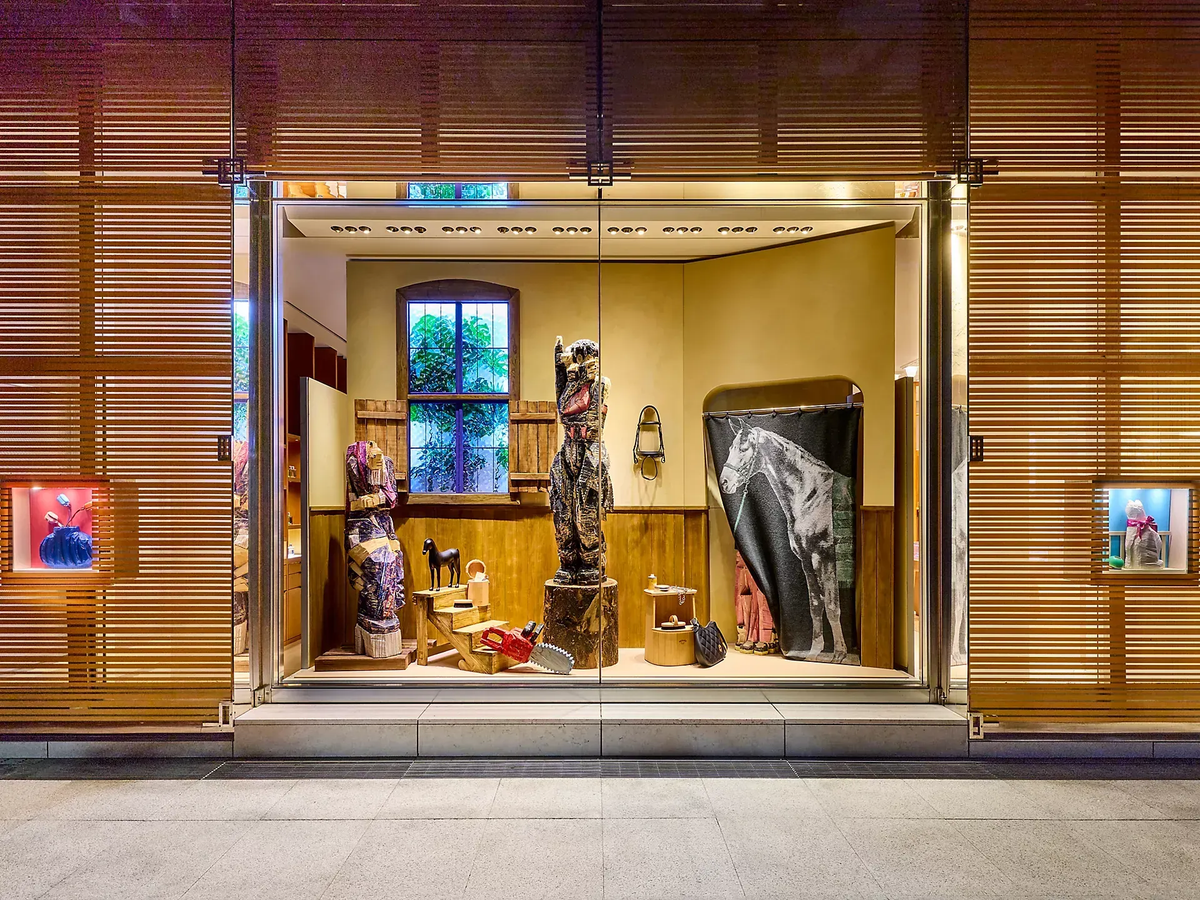
The 2026 results of the global fashion scene revealed an interesting contrast. Inditex, the retail giant that sells more clothes than anyone on the planet, recorded revenue of €8.75B across 5,456 stores, growing +8.8% in constant currency (CC). At the same time, Hermès, the symbol of the Birkin bag and uncompromising craftsmanship, also traced an upward curve with first-half revenue of €7.4B, up +6.7%.
In the same period, Nike was in the middle of a sweeping restructuring and reset, and Lululemon lowered its outlook amid instability in the North American market. The fashion and leather goods division of the LVMH fashion empire held at +1%, and Kering's group-wide growth stopped at +2%. The two giants at the opposite extremes of retail and luxury were smiling, but the brands caught in between came under intense pressure.
Inditex
Inditex's management frankly described the current global market as "a challenging retail environment." But the 2026 results they announced made the market's concerns look unfounded.
- Revenue and profit: Revenue of €8.75B (+8.8% CC), net profit of €1.38B (+5.4%), EBITDA up +7.3% (€2.56B)
- Margins and cash: Gross margin of 61.2% (up 67bp), net cash position of €10.8B (no financial debt)
- Inventory and momentum: Inventory rose just 1% year over year, and sales at the start of Q2 (May–June) had already accelerated to +11.5% CC.
First-half revenue as a whole also picked up speed, at €19.75B (+9.2% CC) with net profit of €3B (+6.8%). While rival H&M has been shrinking its store network, Inditex took the opposite path, executing €2.3B in capex without debt and expanding store space by 5%, centered on Zara flagships and Lefties.
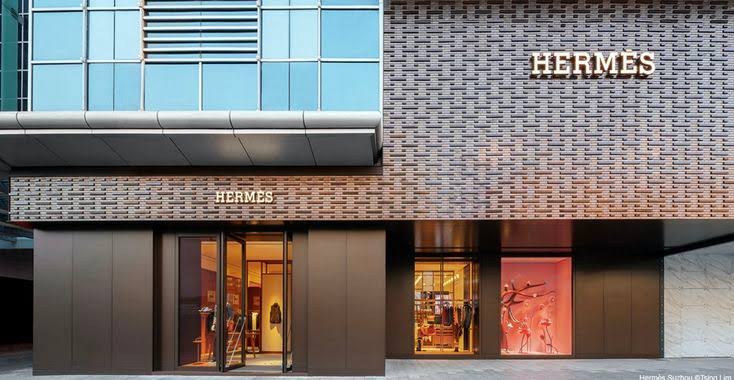
Hermès
Even within the luxury category, Hermès's trajectory stood out on its own. With LVMH fashion and leather goods (+1%) and Kering (+2%) entering a period of stagnation, Hermès recorded first-half revenue growth of +6.7% (€7.4B).
By region, it showed even growth across global markets, including the Americas (+15%), Japan (+11%), and Asia-Pacific excluding China (+12%). In particular, its commanding 42% operating margin is the result of sticking to a full-price sales strategy without any markdowns (discounts). CEO Axel Dumas described the results as "the result of commitment to the craftsmanship of the ateliers."
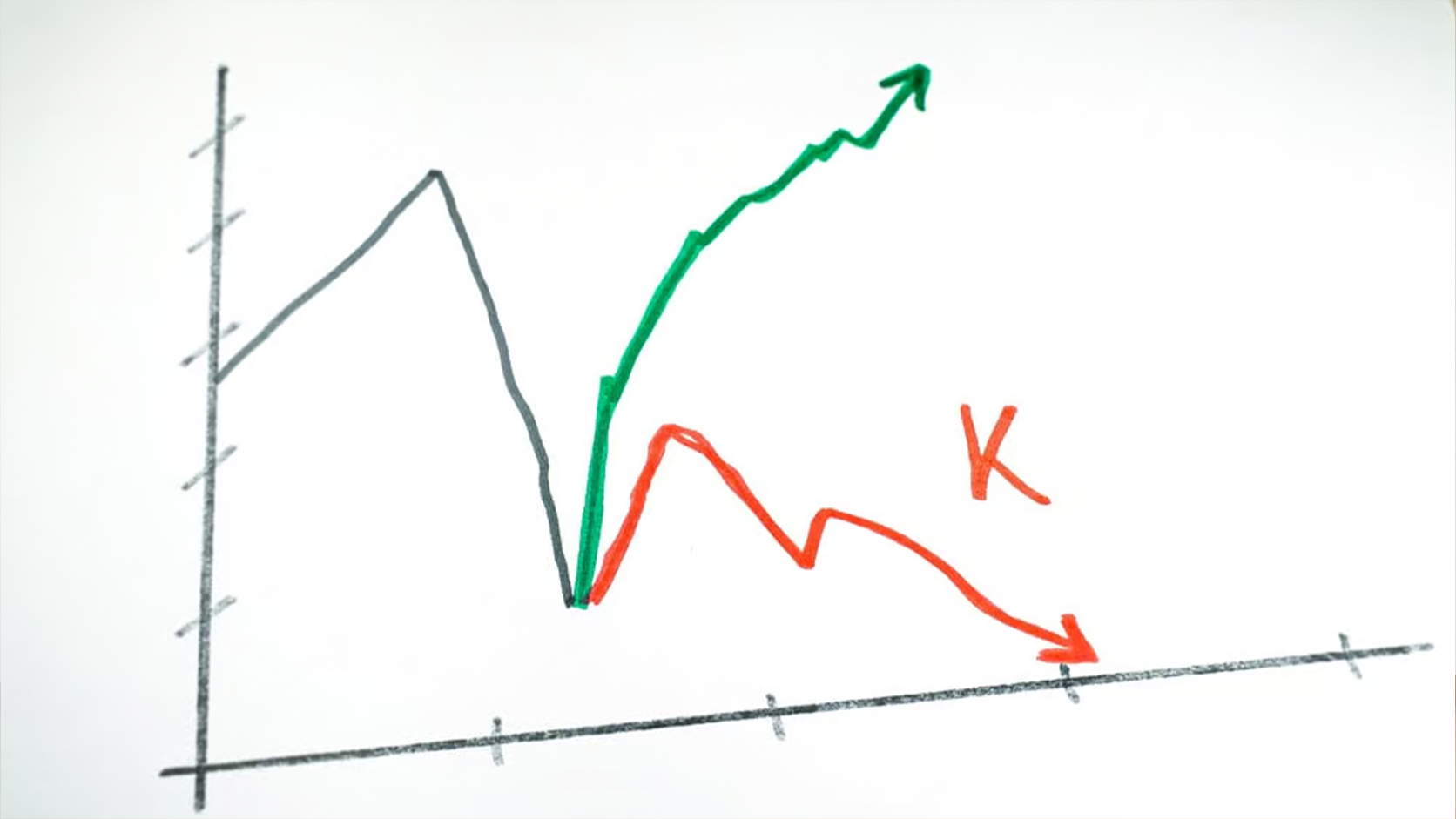
K-Shaped Polarization Splits by "Clarity of Position," Not Price Point
Intuitively, it's easy to expect that "luxury is strong and fast fashion is weak," or the reverse. But the empirical data from Q1 2026 tells an entirely different story.
Market polarization isn't simply a split between low and high prices. Companies with a clear answer to "what do we offer, and for whom?" survived, while brands whose positioning was vague or spread too wide were turned away by consumers.
Inditex's Secret
The hidden key to Inditex's results lies in what "a 1% increase in inventory" means. While inventory growth at most fashion companies leads to markdowns and margin erosion, Inditex pushed its gross margin even higher, to 61.2%. This means inventory isn't piling up, but is being fully controlled for the next season's sales.
The "AI embedded across operations" emphasized by CEO Óscar García Maceiras works not as a creative tool, but as a practical "inventory forecasting and demand-management engine." Combined with AI demand forecasting and proximity sourcing centered on Spain and Portugal, it has achieved the speed of getting products into stores within 2–4 weeks of spotting a trend, minimizing markdown risk.
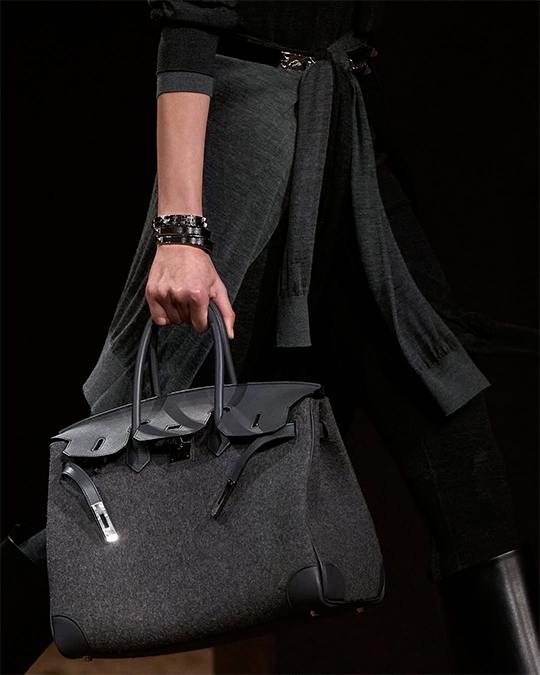
💡 Buyer Insights
Clarity of Position
Rather than a brand's price point, whether its identity and target audience are clear should be the top scoring criterion. We recommend reducing the order share of middle-market brands with vague positioning.
Curation Centered on Killer Pieces in the Middle Market ($100–$300)
Even amid the slump across the middle market as a whole, brands with clear core items, such as Coach's Tabby bag and Levi's heritage denim, are maintaining growth. A sourcing strategy centered on anchor pieces with clear category representation is effective.