Why KiiiKiii Opened a Duty-Free Shop
Insights on offline space curation and retail planning, seen through KiiiKiii's pop-up.

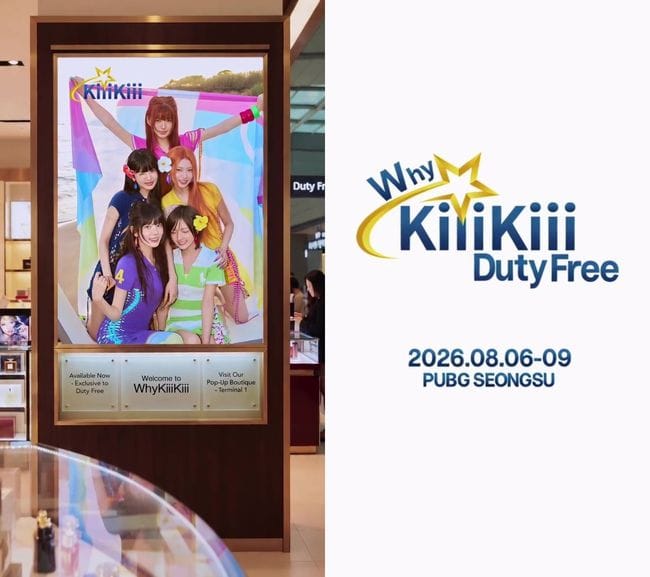
Girl group KiiiKiii has opened "WhyKiiiKiii Duty Free," a pop-up store in Seongsu built around a "duty-free shop" concept. Made up of gelato decorating, photo spots with a duty-free atmosphere, and limited-edition merchandise, the space raises one question worth examining: "Why a duty-free concept, of all things?"
The "duty-free" concept is interesting in that it combines fandom with experiential marketing while also drawing on a spatial image that's familiar to foreign tourists.

Extending the Fandom's Offline Experience
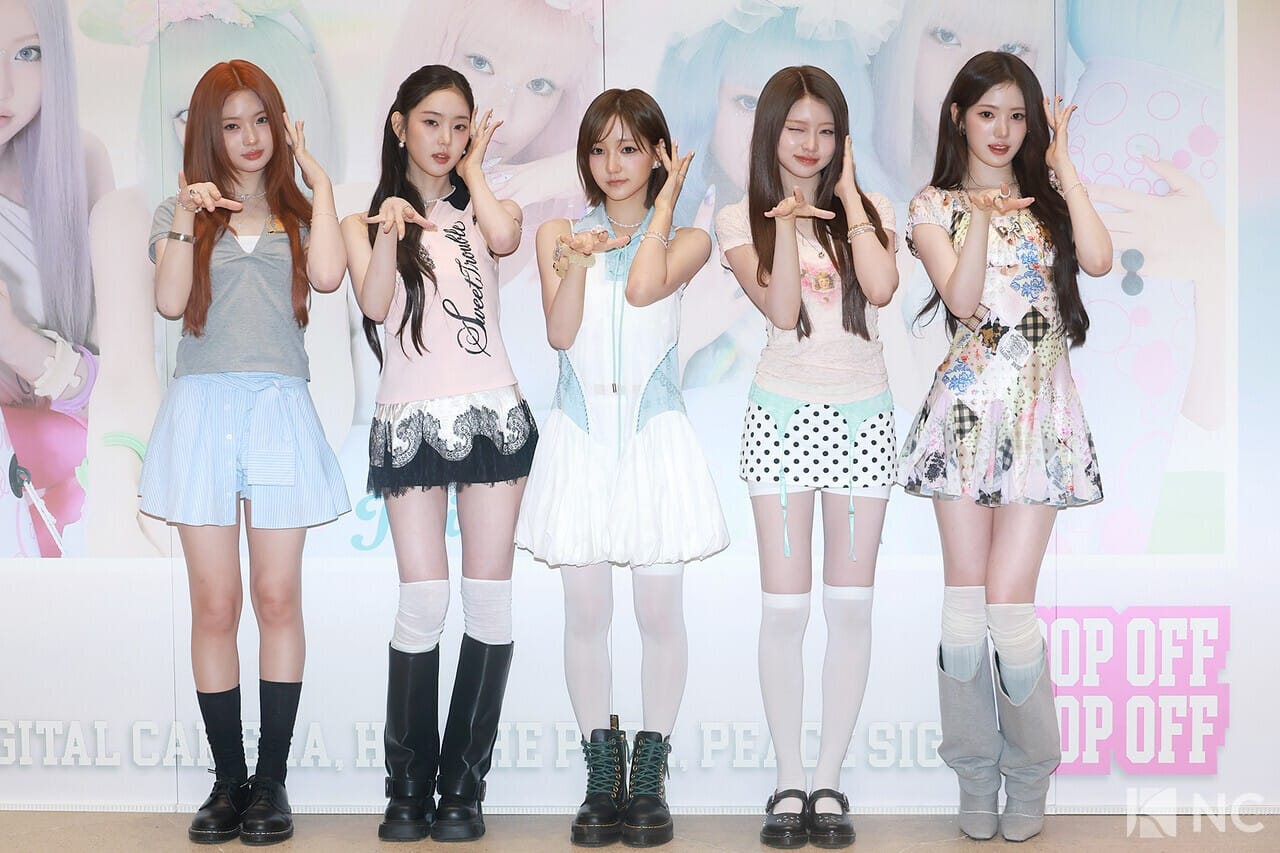
Seongsu-dong has become a hub for an ongoing stream of pop-up stores by K-pop and global artists. This is the result of fandom consumption expanding beyond listening to music and watching videos into offline activities that encompass buying limited-edition merchandise and experiencing spaces.
Insight
Fandoms act as an audience that drives voluntary interest and visits from the very start of a space's opening. Using artist IP or applying collection- and check-in-driven planning can help draw fandom interest and visits.
Retail Formats That Become Content
Using familiar spatial formats, such as duty-free shops, convenience stores, or hotels, as pop-up concepts is also increasingly common. Familiar formats aid intuitive understanding, helping visitors easily immerse themselves in a space's rules and mood.
This is part of an experiential marketing approach that moves beyond simply displaying products to presenting the space itself as a "worldview."
Insight
When planning store layouts and presentation, it's effective to go beyond simply showing products and set a storyline and theme that visitors can experience while spending time in the space.
Designing with Inbound Tourists in Mind
As the influx of foreign tourists grows, offline traffic in key shopping hubs has also shifted. Seongsu-dong, too, has become a major stop for foreign tourists.
In this context, the "duty-free" concept works as an intuitive signal that feels familiar to foreign visitors while also conveying the excitement of travel.
Insight
When designing offline experiences, it's necessary to consider accessibility for foreign tourists as well as domestic visitors. The reactions and content generated on-site can become a natural catalyst for expansion into overseas markets.
An Experience Design Guide
- Reinterpreting familiar formats: We recommend lowering the barrier to visiting by using formats that are understood without explanation, such as duty-free shops or convenience stores. Giving a slight twist to a format everyone knows can deliver your message efficiently.
- Reflecting the perspective of foreign visitors: We recommend reviewing language guidance, payment convenience, photo spots, and more from a foreign visitor's point of view as well. This lays the groundwork for on-site experiences to spread naturally as overseas online content.
- Creating a reason through limited availability: It can also be useful to apply the "only here, only now" scarcity that duty-free shops convey to your planning. When spatial experience and limited elements come together, the likelihood of visits turning into purchases increases.