The Growth Pillars Arc'teryx Is Building
Arc'teryx expanding its territory beyond gorpcore into womenswear and footwear.

Amer Sports has released its earnings. It posted revenue of $1.63 billion (up 32% year over year) and adjusted net income of $107.2 million, beating market expectations. Its annual revenue growth forecast was also adjusted to around 24%.
Market reaction during this period was split by brand. While shares of On fell the week before amid an adjustment in growth in its North American wholesale channel, Arc'teryx, Amer Sports' flagship brand in the same outdoor and sports category, delivered solid results.
But the key takeaway for retailers and buyers in these results isn't simply the revenue figure. It's the fact that the main categories driving the growth of Arc'teryx, long seen as centered on high-performance men's outerwear, are expanding into "womenswear" and "footwear."
Expanding into Women's Everyday Wear
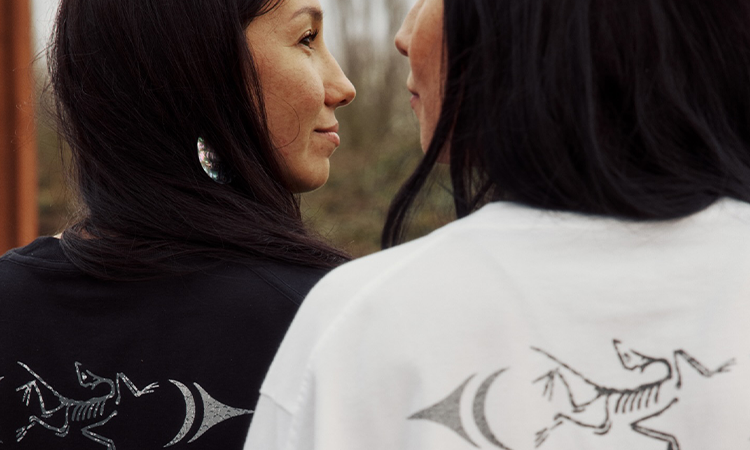
Until now, the axis driving Arc'teryx's growth has been its waterproof outerwear line centered on male consumers. But in this earnings call, one of the key growth drivers highlighted by management was womenswear.
Arc'teryx is expanding its presence in the women's activewear and everyday wear market by combining restrained silhouettes, easy colors, and a light, loungewear-level comfort.
An Alternative to Conventional Athleisure
As women consumers move away from uniform, leggings-centered outfits and turn their attention to "outdoor everyday wear" for hiking meetups and city activities, Arc'teryx has emerged as one of their options.
More Precise Silhouettes and Colors
Offering silhouettes that span everything from light trekking to commuting, it is bringing in women customers who used to buy men's products in larger sizes as an official core target.
Expanding the Footwear Category
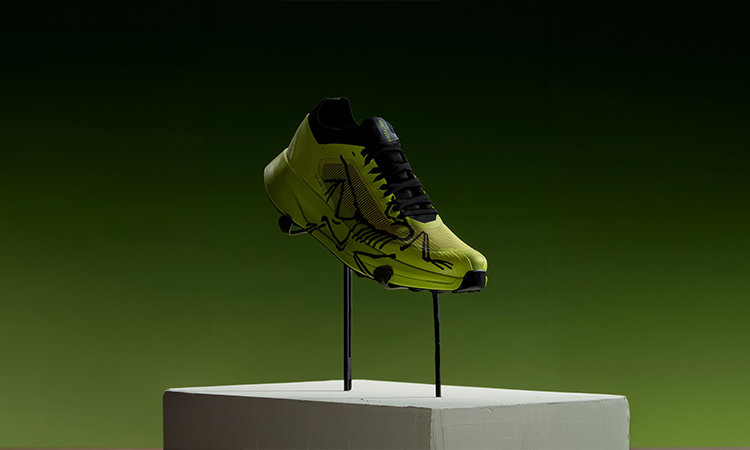
Another growth pillar for Arc'teryx is the footwear category. The footwear lineup, which currently accounts for about 8% of the brand's total revenue, is growing at more than 35% annually and is being planned as a core area with a target of over 13% of total revenue by 2030.
- Strengthening its own lineup: Moving away from previous collaboration formats, it is expanding its own footwear line and widening its foothold in the footwear market.
- Local community-based activities: Even before opening stores, it leads local hiking groups and running events, building brand awareness organically without large-scale advertising.
The Offline Showroom Strategy
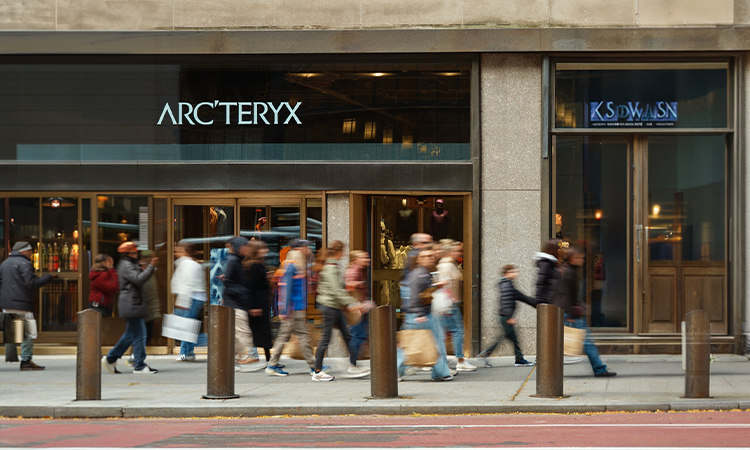
Arc'teryx has raised its share of direct-to-consumer sales through its own stores and e-commerce to 55%. Combined sales from existing stores and online also grew 17% year over year.
It continues to add stores, absorbing demand in Greater China and the Asia-Pacific region in particular through offline hubs. Its directly operated stores are used not just as places to sell products, but as "experiential spaces" where local communities gather to share the brand's culture.

A Sourcing Guide for Buyers and Retailers
- A shift in perspective on outdoor buying: Rather than limiting women's outdoor zoning to "technical apparel" alone, we recommend diversifying it into a "lifestyle technical apparel" section that can work as elevated everyday wear.
- Cross-planning footwear and apparel: It can also be an effective strategy to pair Arc'teryx footwear or comfortable bottoms with existing multi-brand store footwear assortments centered on HOKA or Salomon, presenting them as "a proposal for both working out and socializing."
- Expanding touchpoints with local communities: Since the brand's growth is rooted in offline communities, we recommend that multi-brand stores, too, consistently try local events or small-scale programs that increase touchpoints with their regular customers.

💡 EDITORIAL SMALL TALK
We Recommend Reading the Flow of Market Demand
The essence of these Arc'teryx results is that the brand's territory is successfully expanding from high-performance men's outerwear into women's everyday wear and footwear. In particular, its strategy of first building a solid offline fandom through local hiking groups and community events, rather than large-scale commercial advertising, serves as a leading indicator of fast turnover and high full-price sell-through on the retail floor as well. Why not use the expansion trajectory of an already proven brand to take your store's women's outdoor zoning and footwear portfolio to the next level?