Institution, Connecting Fashion and Culture
Brand positioning and a distinctive curation strategy, seen through its Copenhagen collection.
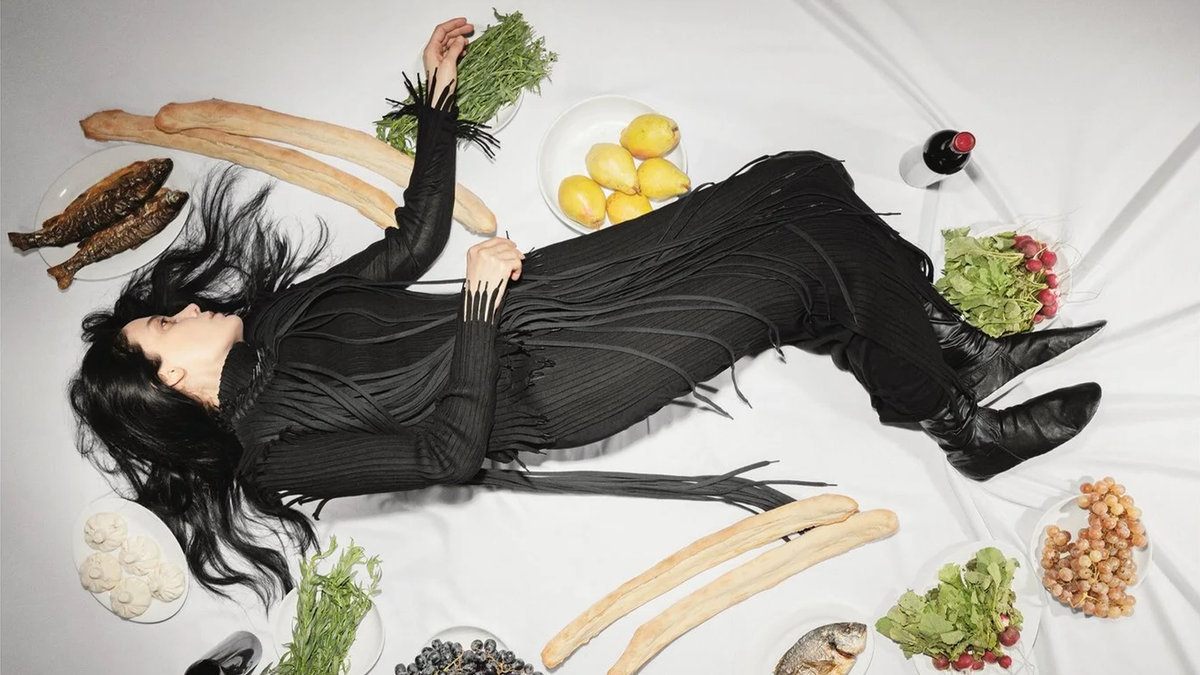
August 2026: the National Gallery of Denmark, which became a stage for Copenhagen Fashion Week (CPHFW).
The models who stepped onto the runway wore no shoes at all. Instead, they walked quietly in nothing but "jorab," traditional wool socks hand-knitted by Azerbaijani artisans.
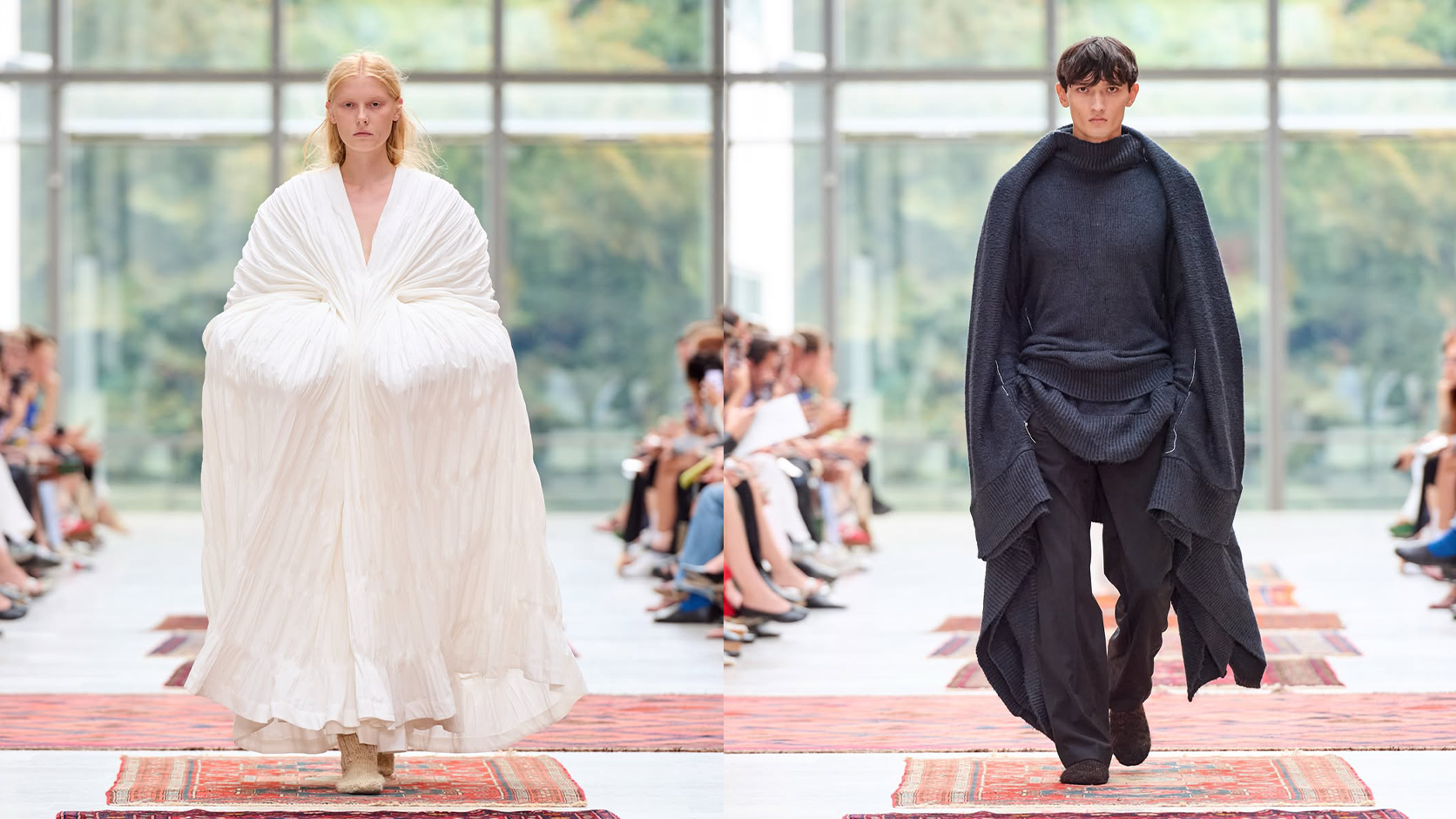
It wasn't staged to put on a provocative show. It brought onto the runway the long-standing everyday custom of the Caucasus region, where people take off their shoes when entering someone's home. Leading design publication Wallpaper* also singled out this scene as "the most striking and powerful moment of Copenhagen Fashion Week 2026."
In the middle of a fashion world consumed by flashy trends and instant commercial appeal, the force behind this deeply resonant moment is Institution, a project led by Georgian-Azerbaijani designer Galib Gassanoff.
Not a Brand That Sells Clothes, but a "Cultural Shelter"
"My interest isn't in passing fashion trends. Local culture, disappearing traditional crafts, and people's stories: those are the subjects I dig into most deeply."
— Galib Gassanoff
Institution doesn't define itself as a simple garment maker or fashion brand. It takes on the role of a "cultural shelter"that gathers and protects fading stories and the skills of marginalized local artisans.
A Tailoring Practice That Refuses Factory Production
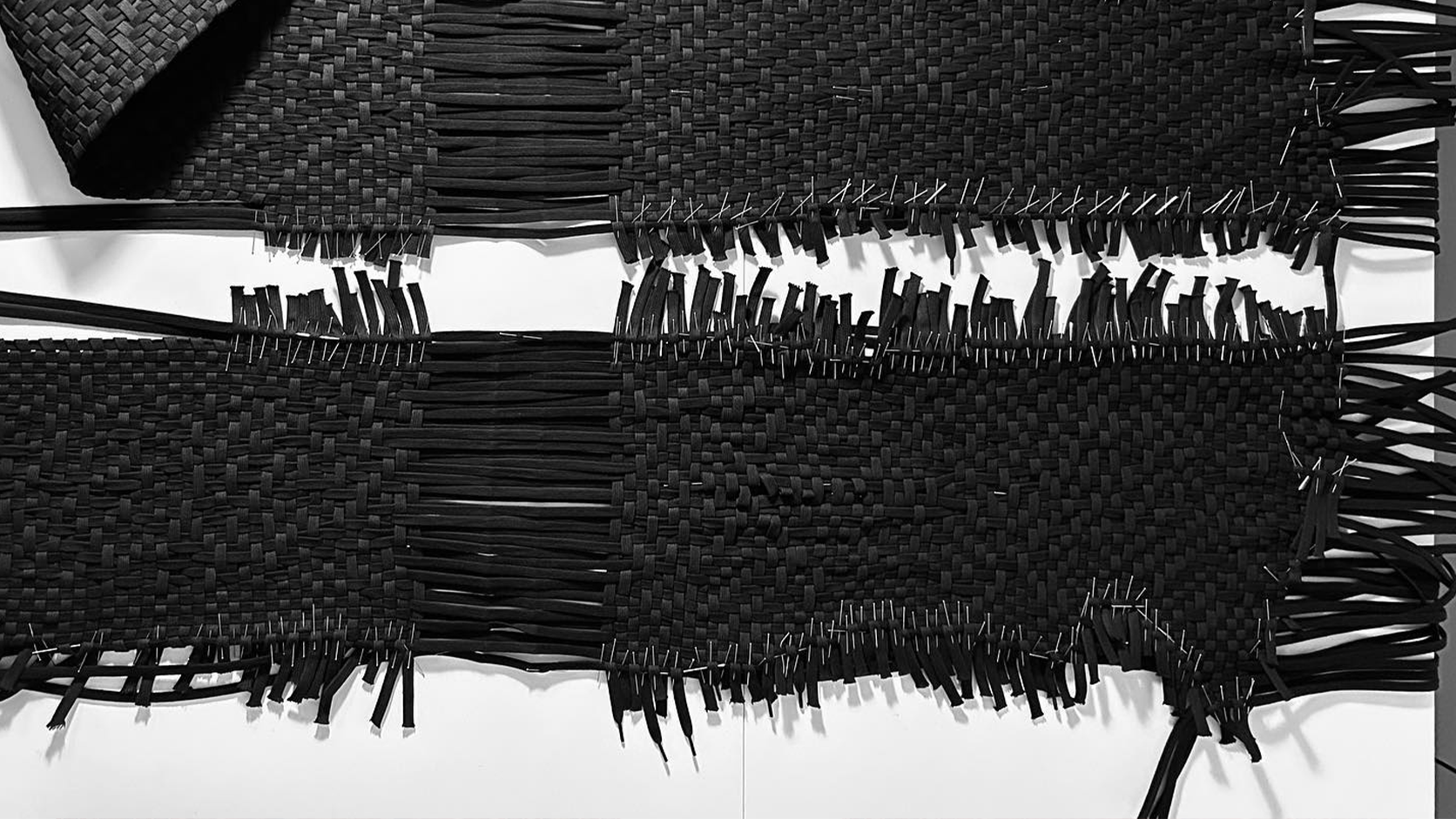
Raised in Karajalar, a small village of about 4,000 people in Georgia, Gassanoff moved to Milan to learn traditional tailoring in the 1950s style. He stubbornly preserves analog processes pushed aside by fast factory production, such as backing garments with horsehair and canvas and finishing hems by hand.

Limited Scarcity Created by Deadstock Fabric
Every Institution garment is made from high-end deadstock silk, cotton, wool, and leather left behind by renowned fabric houses, cut and sewn by hand by the designer in the studio. Because fabric quantities are limited, these clothes become not mass-produced factory goods but "collectible objects," each with its own value.
Carpets and Shoelaces: A Language of Clothing Built on Narrative
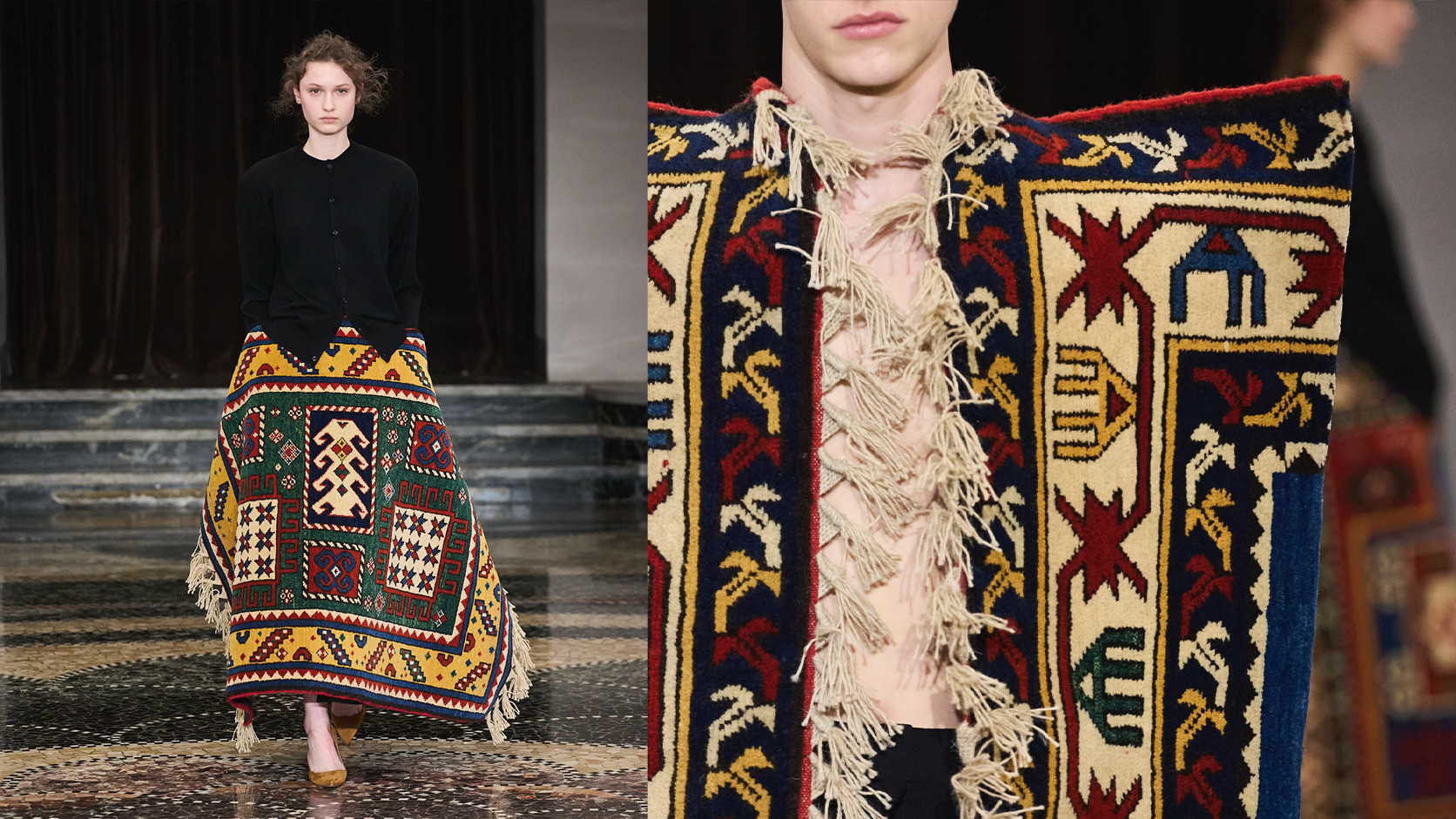
At the heart of the FW26 collection, which firmly established Institution's name in the global fashion world, was a collaboration with Azerbaijani carpet artisans.
Gassanoff brought together artisans from Georgia's Azerbaijani ethnic minority to create wool pieces made with up to 85,000 knots, each tied by hand. The moment the carpet itself flowed fluidly into a garment on stage, it became more than fashion: a sculptural work that testifies to a people's life and labor.
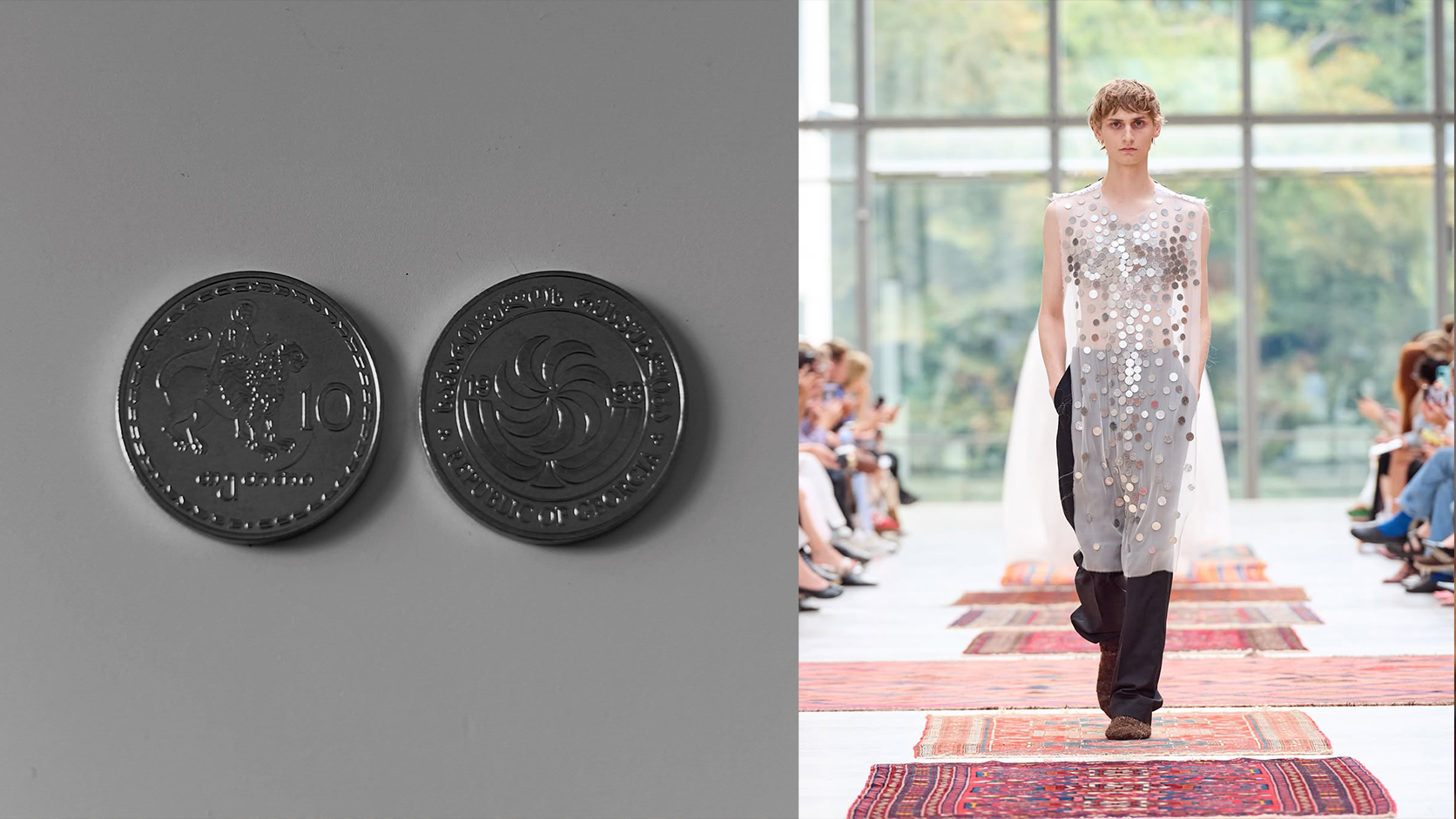
The SS27 collection that followed, "YAD," carries two meanings in Azerbaijani: "stranger" and "memory."
- A bold harmony of materials: Against a calm, achromatic palette, it layered soft materials such as silk, cashmere, and mohair over rigid stainless steel structures, reinterpreting the shape of the body.
- Tailoring: It deliberately excludes trendy colors, focusing instead on intrinsic structure and the ability to endure over time, and strictly limits the looks shown on the runway to 30 or fewer.

Why Zalando and LVMH Chose It at the Same Time
In 2026, Institution passed two of the global fashion world's most demanding tests at once.
- Zalando Visionary Award 2026: Recognized for the brand's social and artistic approach, its engagement with local communities, and its work to preserve disappearing craft skills, it won the 2026 Zalando Visionary Award and, through it, presented its SS27 show at Copenhagen Fashion Week.
- LVMH Prize 2026 Finalist: At the world's most prestigious fashion award, it was named one of the final nine from more than 2,400 applicants, recognized for its singular "creative excellence."
Its insistence on presenting its work only in fine art spaces, such as Milan's Secci Art Gallery and the National Gallery of Denmark, rather than on typical fashion week stages, perfectly met both the "social meaning" Zalando sought and the "artistic value" LVMH sought.

The Venue Is the Brand's Positioning
Institution had previously presented its collections mainly in Milan, but for SS27, it took the Copenhagen Fashion Week stage for the first time. Its participation followed its 2026 Zalando Visionary Award win and became an opportunity to showcase the brand's craftsmanship, cultural roots, and sustainable production methods on an international stage.
The show was held at the National Gallery of Denmark. For Institution, which has made the traditional crafts and memories of Georgia and Azerbaijan the main material of its collections, an art museum was a fitting backdrop to reveal the brand's cultural and artistic character.
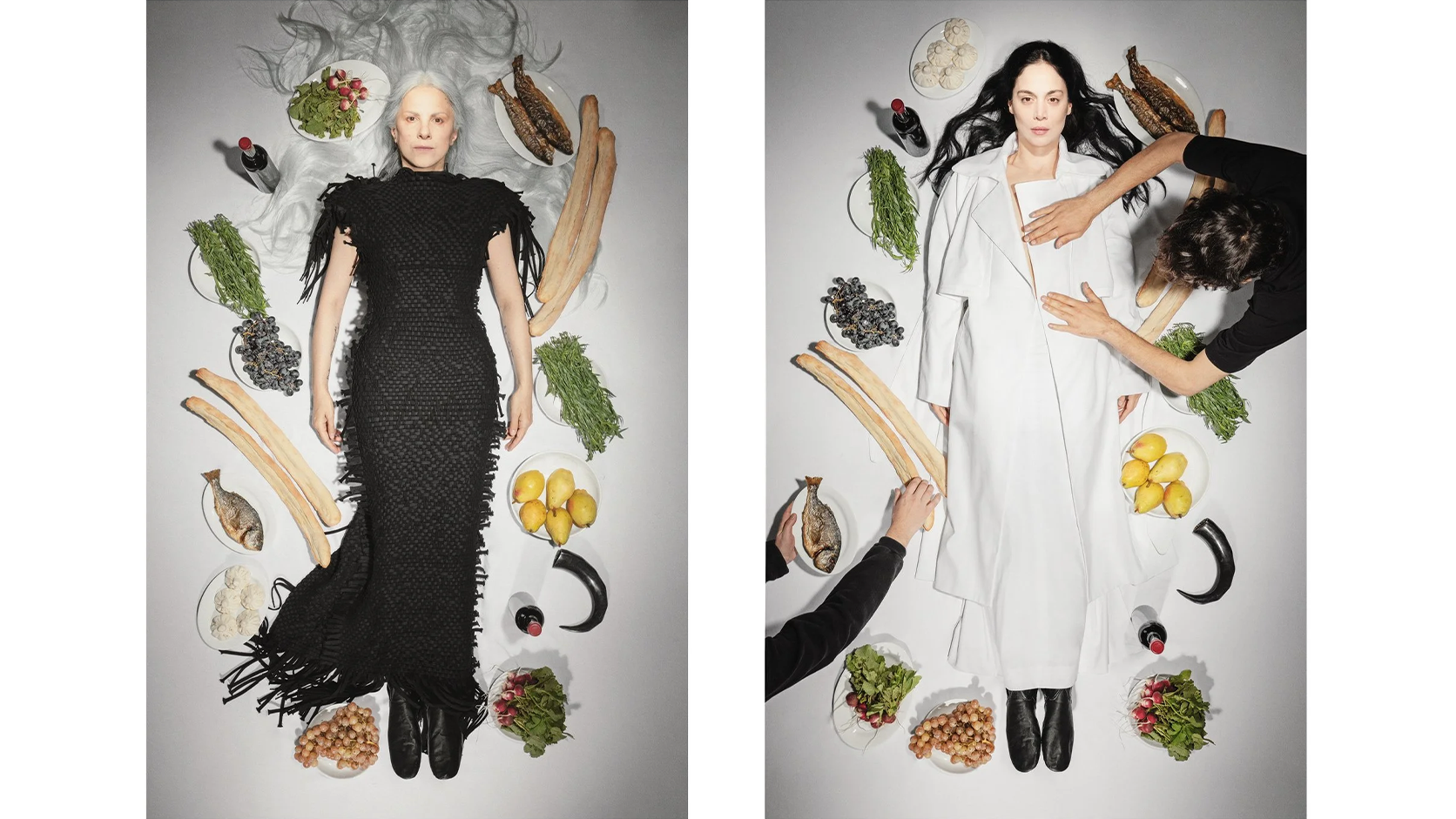
Insights for Buyers and Retailers
The Moment of Transition from "Media Spotlight" to "Real Fandom"
Institution is currently drawing strong praise from global editors and award judges, clearly proving the brand's value. Rather than pushing for large orders right away at this point, when interest from global awards and major fashion media is rising, we recommend proactively building a touchpoint with the brand while assessing its potential for future distribution expansion.
Positioning as "Archive Works" Without Reorders
Because the brand uses discarded fabric and its pieces are handmade by the designer, Institution doesn't operate on typical wholesale order or reorder systems. So if a high-end multi-brand store buys this brand, it can be a good strategy to curate it in the space not as ordinary clothing that gets discounted after the season, but as "rare artworks with collectible value," using it as an anchor that raises the sensibility and stature of the entire store.