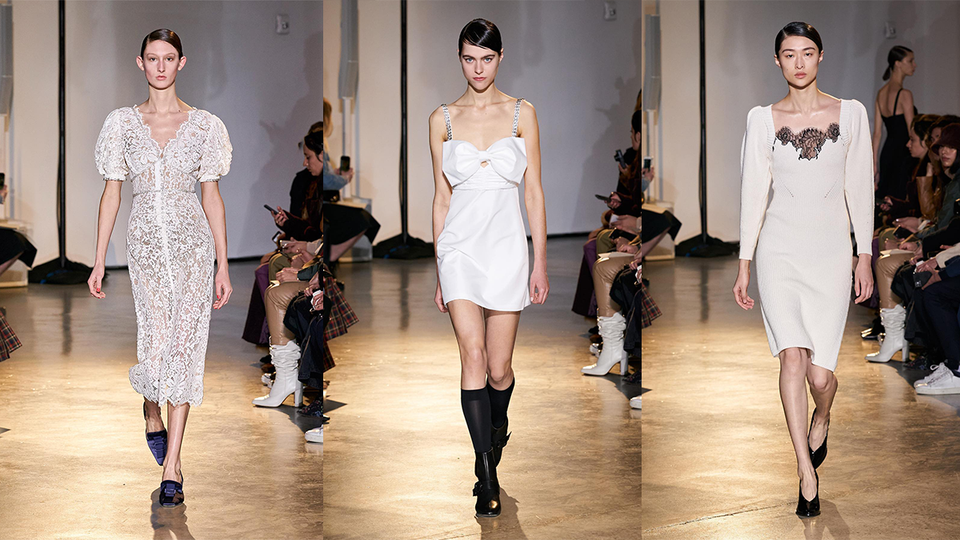
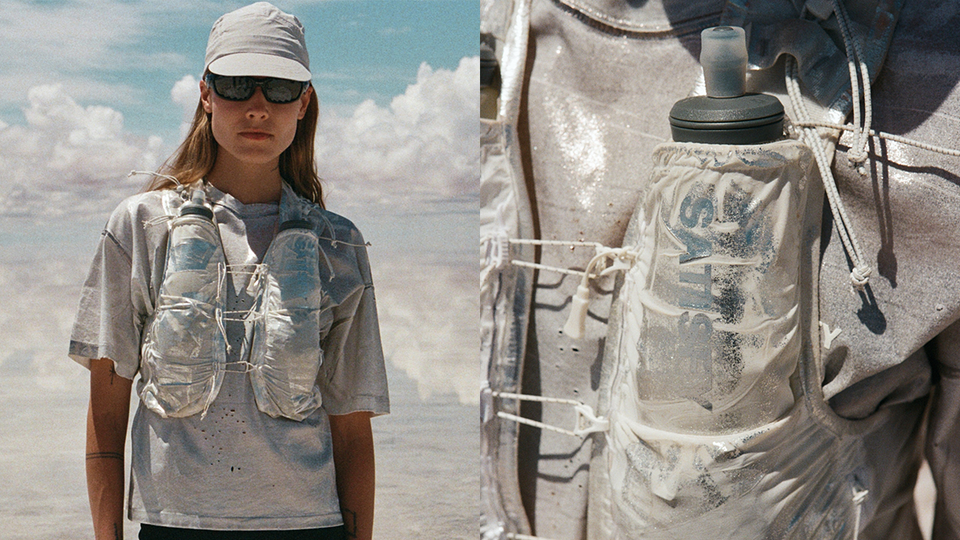
3 Formulas Behind K-Fashion's Growth
The shared dynamics of brands that posted strong results in the first half of 2026.

Looking at the numbers alone, the fashion market is clearly in a tough stretch. Korea's fashion market is projected to be worth about $32 billion in 2026, which would mark the third consecutive year of decline since 2023. Spending on womenswear also fell over the same period, reflecting a shrinking market.
But not every brand moved in the same direction. In its first-half 2026 review, Korea Textile News named 33 brands as "Best Brands" for delivering results despite a difficult market environment.
Given that the overall market is shrinking while some brands are growing at the same time, it's hard to describe today's market with a single word like "downturn." It's also worth looking at the process of market restructuring, in which the performance gap between brands and categories is widening.
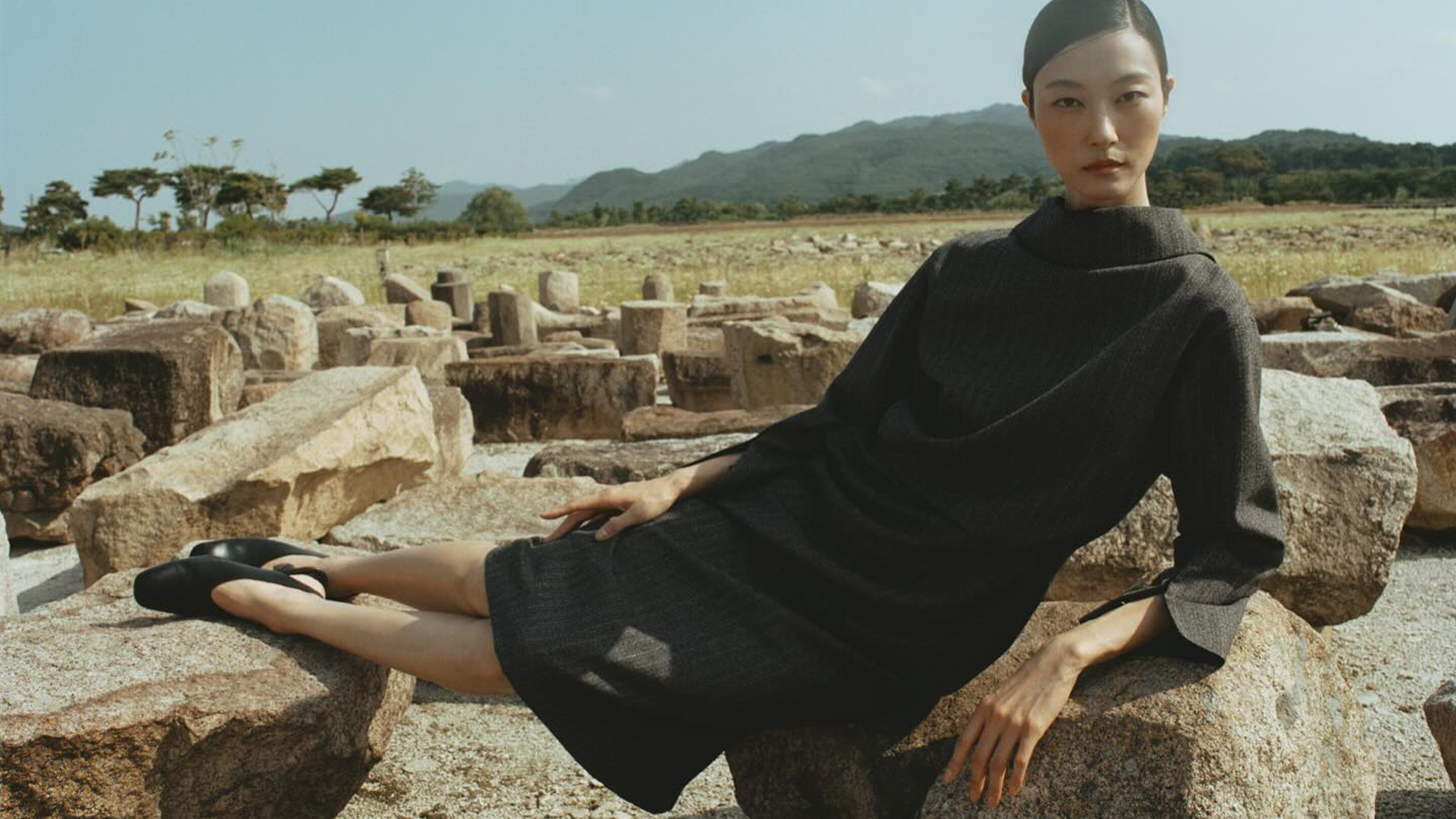
Demand Gathers Around Premium and Strong Identity
Even as the market contracted, department stores and premium consumption showed relatively strong momentum. In the first half of 2026, total department store sales rose 20.1% year over year, and both the consumer sentiment index and the number of foreign tourists visiting Korea improved.
Samsung C&T Fashion Group also saw both revenue and operating profit rise in the second quarter. Even as overall spending in the womenswear market declined, some brands and channels delivered relatively solid results.
This trend shows not so much that consumption has fallen, but that purchasing standards are becoming more demanding. Whether a brand has clear product strength and identity is becoming just as important as price.
Creating a "Retail Experience" Beyond Clothing
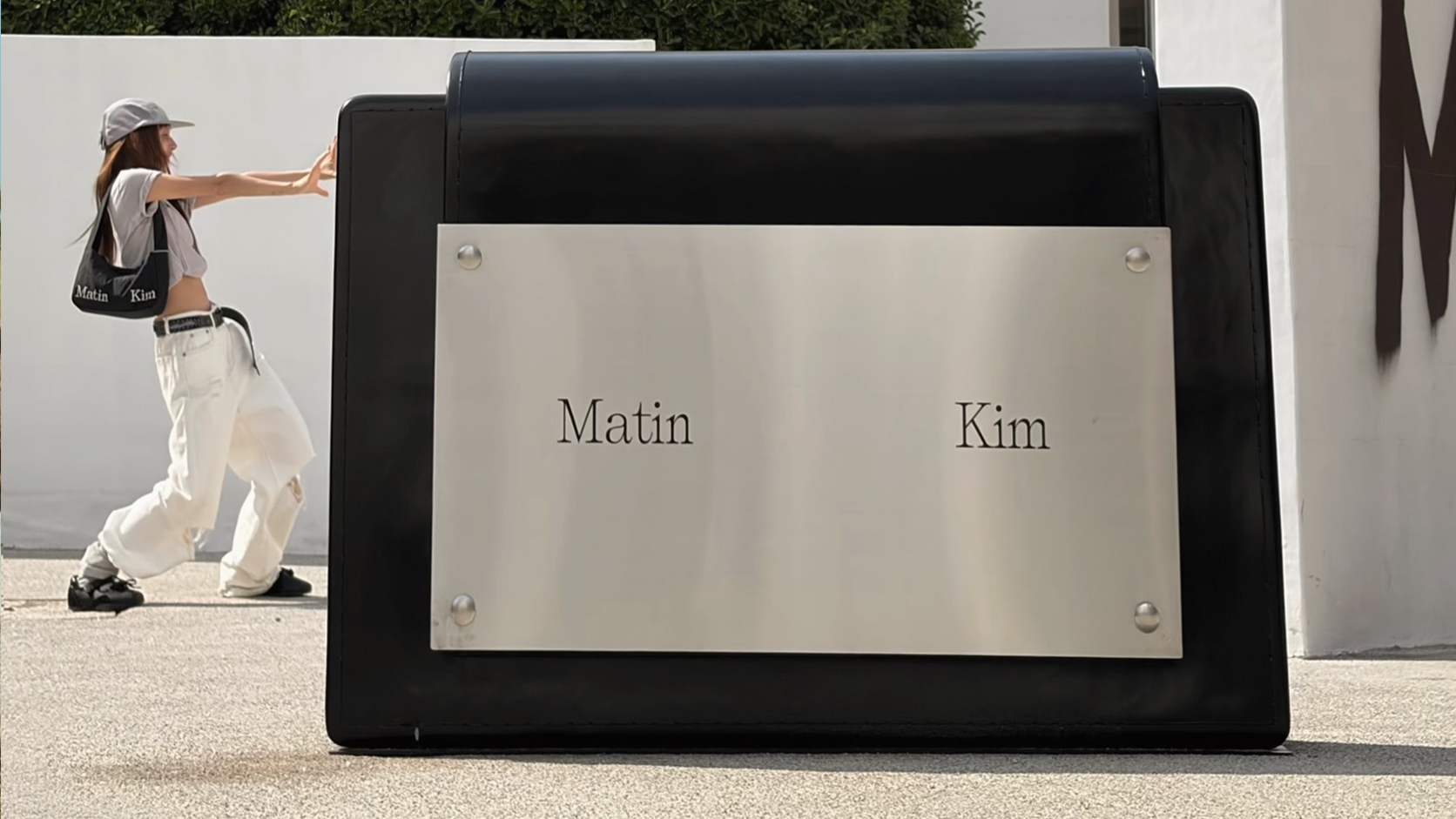
The second trend is a change in how products are presented. Through flagship stores, pop-ups, and exhibition-style spaces, brands are expanding touchpoints where customers can experience not only products but also the brand's mood and worldview.
There are cases like ANDERSSON BELL, which posted strong on-site sales at its pop-up, and Korean brands including Matin Kim are opening more standalone stores in key overseas shopping districts such as Japan, using offline spaces as hubs to raise brand awareness.
That said, a pop-up's popularity or visitor count doesn't directly guarantee wholesale sell-through. It's more appropriate to view the response seen in offline spaces as one signal of how much interest a brand is currently generating.

Finding New Growth Opportunities Overseas
The third trend is the expansion of global distribution networks. With limited growth potential in the domestic market, some brands are securing new customers and distribution channels overseas, in Japan, China, Southeast Asia, and beyond.
Rolarola posted strong sales growth in the first half of 2026 while expanding its distribution touchpoints across Asia, and ANDERSSON BELL opened its first Japanese flagship store in Aoyama, the heart of Tokyo fashion, further widening its influence in the global offline market.
Recently, Korean brands' overseas expansion has diversified beyond simple exports into many forms, including local distribution, offline stores, pop-ups, and collaborations with global companies. Overseas expansion alone doesn't guarantee success, but it is clearly a new growth pillar that doesn't rely solely on domestic demand.
In the End, a Brand's Clarity Makes the Difference
Premium consumption, offline experiences, and global expansion may look like different strategies, but they share one thing in common: how clearly a brand shows its own identity.
Product differences need to be clear to justify a price, and a distinct aesthetic is needed to create a consistent experience in stores and pop-ups. And when the brand language built in Korea also reaches overseas customers, the potential for global expansion grows.
Now, it's necessary to look at how clearly a product and brand stand apart, just as much as at price competitiveness. This is best used as a reference for seeing which brands delivered results even in a difficult market.

💡 EDITORIAL SMALL TALK
Same Downturn, Different Results
Even when overall market figures decline, not every brand and category moves in the same direction. Since demand and interest continue to flow toward brands with a clear identity and strong products even as consumption contracts, looking at "where consumption and fandom are settling right now," rather than at average figures, can be a key criterion for next season's buying.