Marc Jacobs' Fashion Drama
An analysis of Marc Jacobs' campaign, which has evolved beyond one-off imagery into an episodic drama.
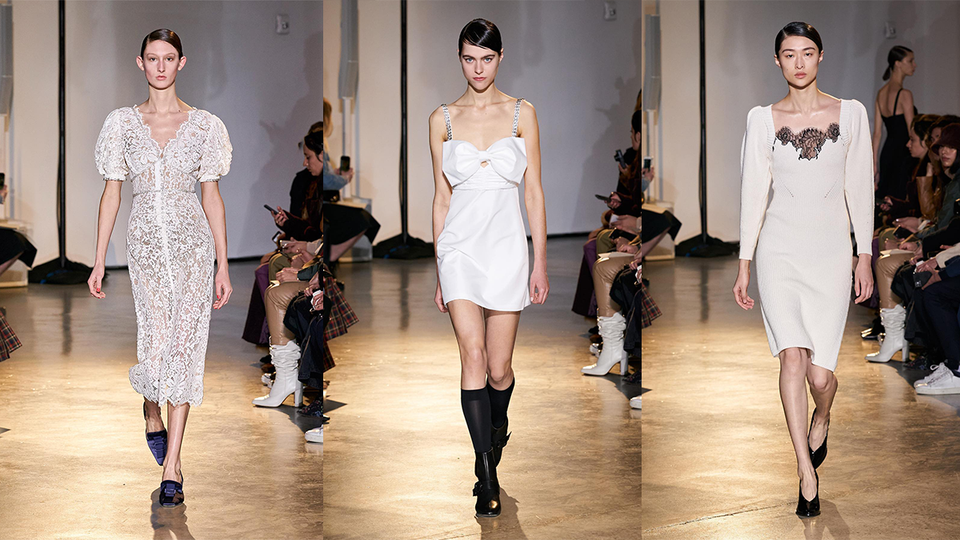
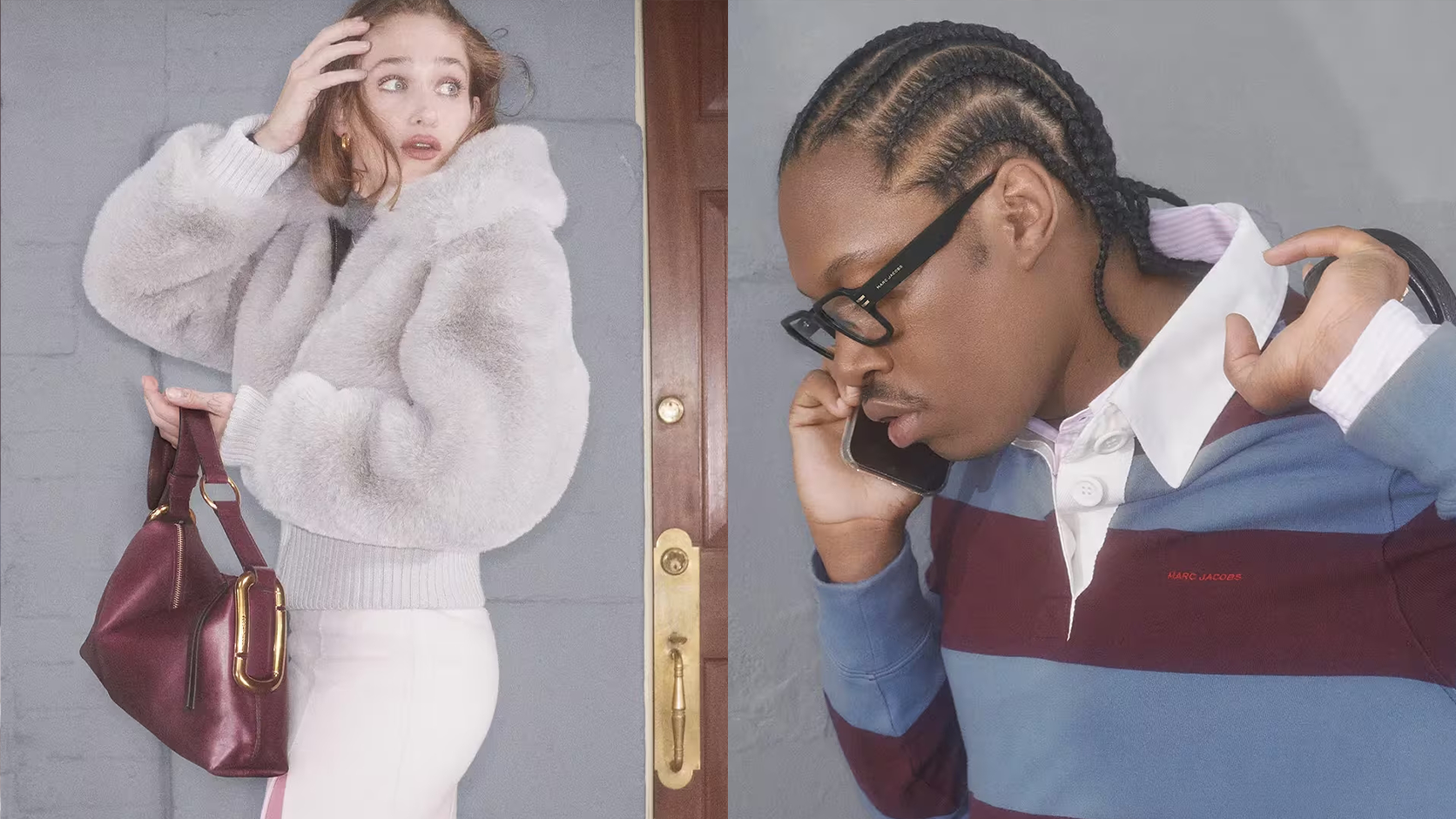
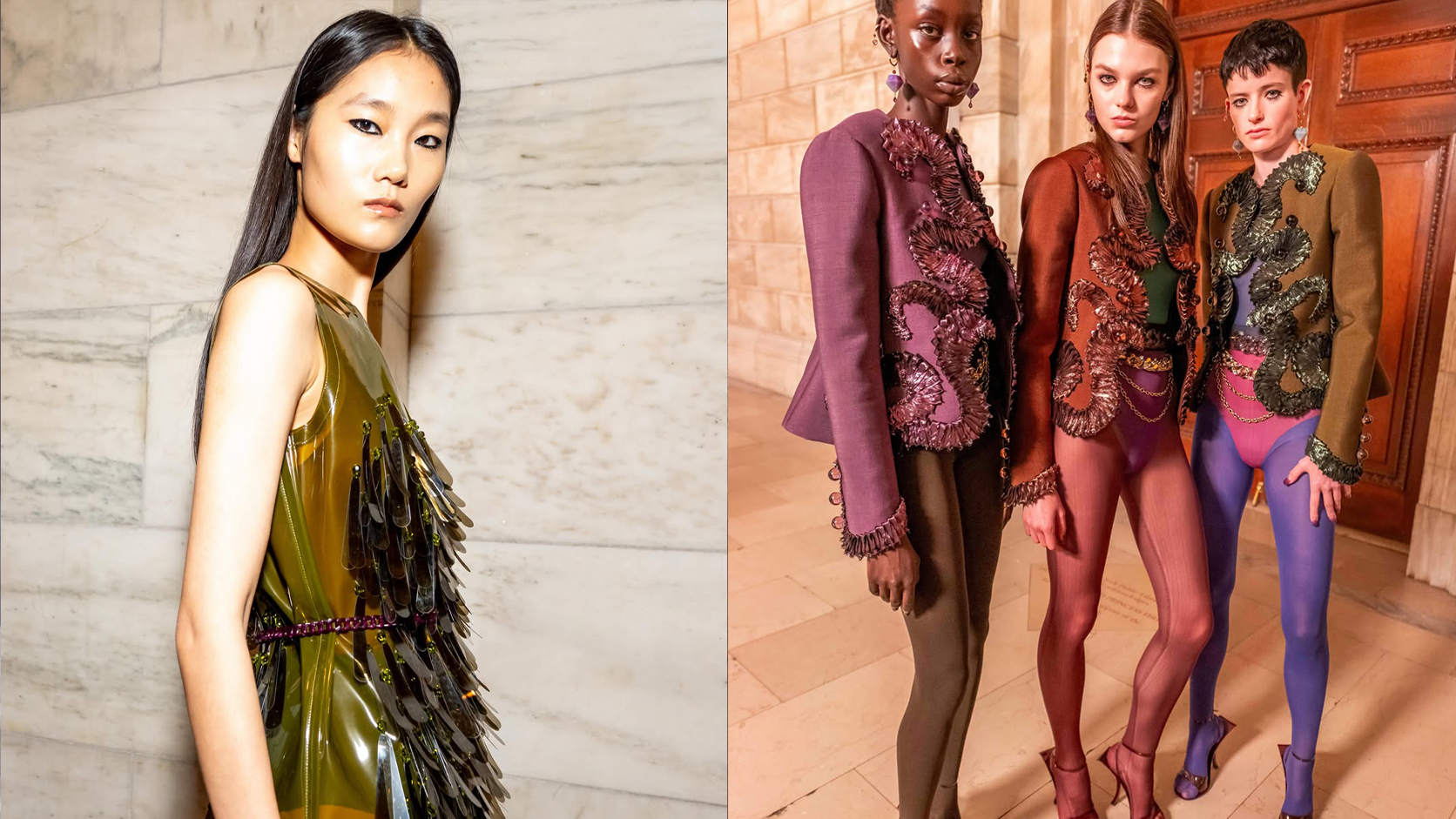
June 29, 2026: Marc Jacobs' Spring 2027 show at the New York Public Library. Actors Rowan Blanchard and Jemima Kirke sat side by side in the front row. The story begins when, after the show, the two leave having swapped identical dark burgundy "Scene Bags."
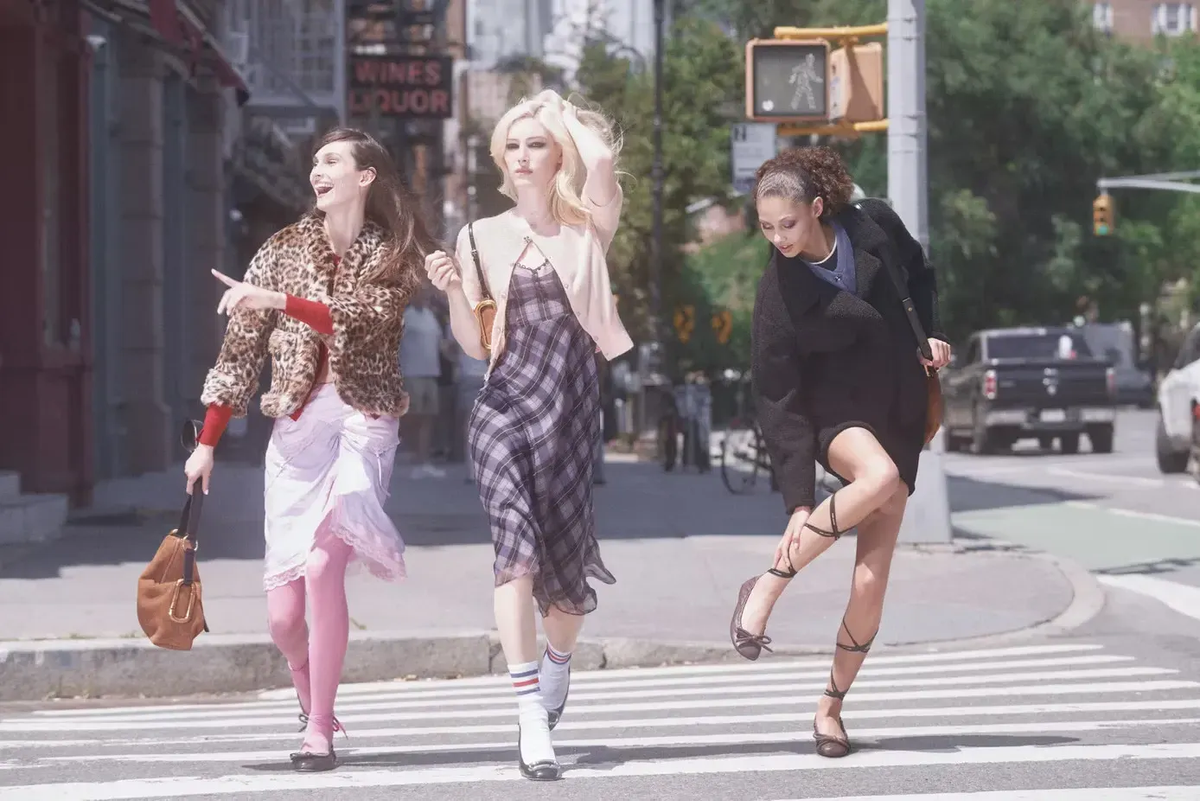
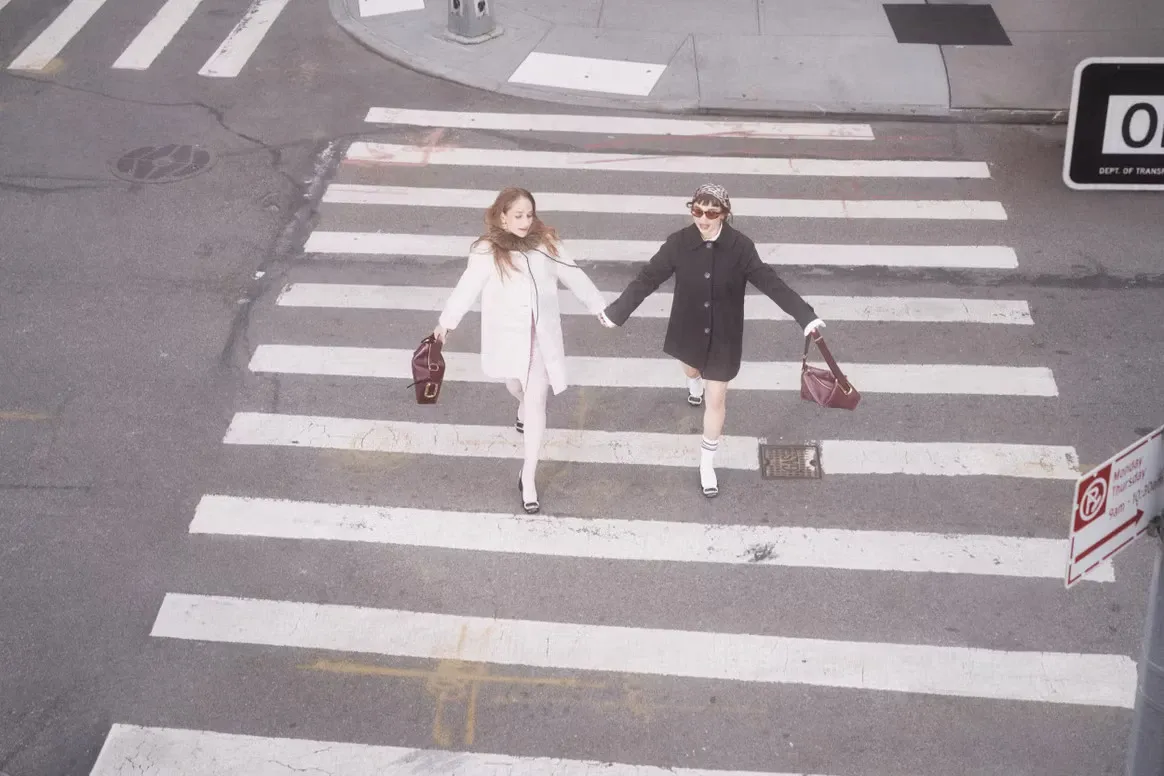
When Jemima Kirke opens the bag, she finds a sage wand instead of her own belongings, and the two set out across New York to find each other, using the items in each other's bags as clues. Playwright and actor Jeremy O. Harris also makes a cameo.
This story is "The Swap," the Fall 2026 campaign Marc Jacobs released in August. What sets it apart is that it puts characters and story front and center, rather than simply showcasing products.
Marc Jacobs, Continuing a Story Instead of an Ad
"The Swap" is the newest chapter of "Question Marc," the storytelling project Marc Jacobs launched with Pre-Fall 2026.
In the first story, "The Scene," actor Rachel Sennott appeared as a character desperate to become famous. This time, "The Swap" tells the story of two women who swap bags and then imagine and track each other down.
What the two campaigns have in common is that they don't leave the product inside a static photo shoot.
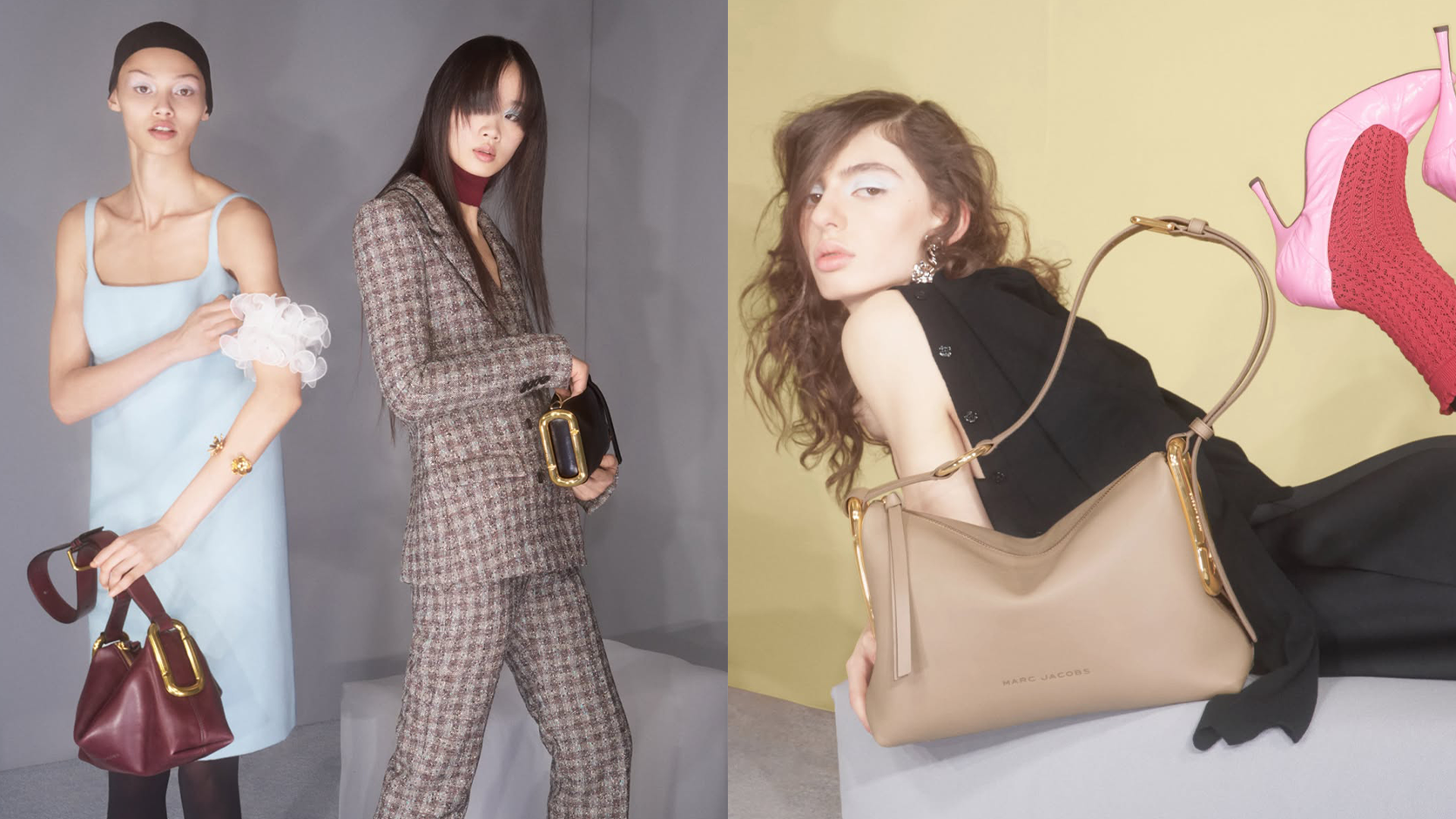
The Scene Bag appears not just as an accessory carried by a character, but as the device that sets the story in motion. In "The Swap," too, what sends the two women searching for each other is the bag and the things inside it.
In this way, Marc Jacobs is expanding a campaign from an image you see once into content where characters and the next story continue.
The way consumers encounter the product changes too. Rather than just seeing what someone wore and which bag they carried, they naturally come to remember the product while following the characters and situations.
Casting That Turns New York into a Character
Another defining feature of this campaign is its casting.
Rowan Blanchard and Jemima Kirke both grew up in New York. By placing two people from different generations and with different moods in one story, the campaign shows the theme of "New York women" in different ways. Marc Jacobs, too, has long used New York as an important backdrop for the brand's identity.
Rowan Blanchard works as an actor and writer, bridging youth culture and fashion, while Jemima Kirke, an actor and artist, embodies New York's signature free-spirited mood.
On top of that, Jeremy O. Harris, the playwright and actor known for the play Slave Play, makes a cameo, broadening the campaign's reach beyond fashion into theater and culture.
At a Moment of Change, Marc Jacobs Chooses Storytelling
This campaign is also interesting in that it arrived at a time when the brand's ownership is changing.
In May, LVMH agreed to sell Marc Jacobs to a joint venture between WHP Global and G-III Apparel Group. Once the deal closes, WHP and G-III will jointly own the brand's intellectual property, with G-III handling global distribution and operations and WHP handling licensing. Marc Jacobs himself will continue to lead the brand's creative work as founder and creative director.
At this moment, the direction "Question Marc" signals is worth noting.
Right after the acquisition was announced, Vogue Business also observed that a key challenge for Marc Jacobs is connecting its different business areas, such as the runway, bags, and licensed products, into one brand story, and introduced the first micro-drama, "The Scene," as an example of that potential.
In other words, "The Swap" can be seen as more than a fun short film: it's a way of connecting the brand's fashion image with its highly commercial accessories within a single story.
Points for Buyers to Consider
Check the Content That Continues Throughout a Season
"Question Marc" is structured to continue across multiple chapters rather than ending a campaign as a one-off image. Checking how products are repeatedly exposed as new episodes are released can help you judge the marketing longevity of a product. That said, rather than linking this directly to high sell-through or reorders, it's best to look at actual consumer response and sales trends together.
Look at Where Commercial Products and Brand Image Meet
For Marc Jacobs, the gap between its experimental runway and its relatively accessible bags and beauty products has long been cited as a challenge. Placing the Scene Bag at the center of both the runway and the campaign story is worth noting as a move to connect the two areas.
💡 EDITORIAL SMALL TALK
A Story That Began at the New York Public Library
The Spring 2027 show that served as the backdrop for "The Swap" was held on June 29 at the New York Public Library. Marc Jacobs is well known for showing on his own timeline, outside the official New York Fashion Week schedule, and has repeatedly used the New York Public Library and the Park Avenue Armory as show venues. This time, it's fascinating that by bringing Rowan Blanchard and Jemima Kirke, who actually attended the show, directly into the campaign as characters, he carried a scene that began on the runway into the story of an ad.