KUHO Teams Up with a Former The Row Designer
The meaning of a designer collaboration that expands a brand's silhouettes and materials rather than chasing short-term buzz.
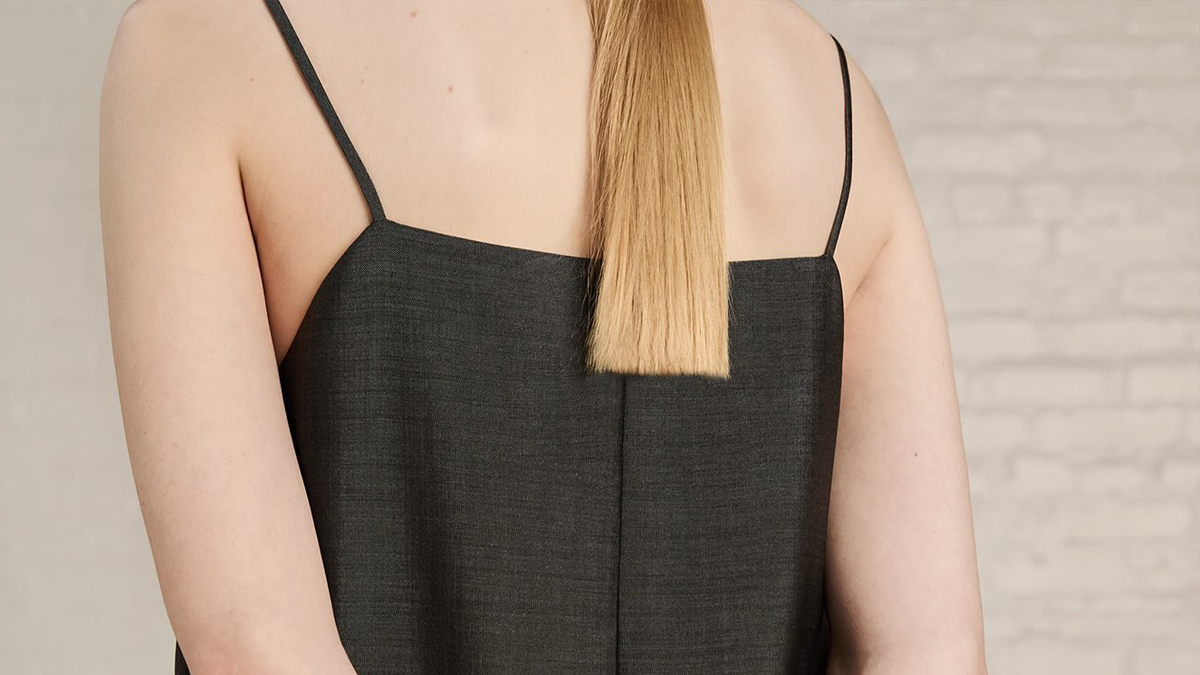
KUHO has unveiled its Fall 2026 collection created in collaboration with Francesco Fucci. Francesco Fucci worked as head designer at The Row for about five years, and his career also includes Calvin Klein and Diane von Furstenberg, followed by a role as creative director of womenswear at Theory.
The reason KUHO continues its collaboration with Fucci doesn't seem to lie simply in leveraging his résumé. Following two collaborative collections last year, the partnership expanded in 2026 to cover all four seasons: spring, summer, fall, and winter. It's closer to an approach of continually adding a new design language to the brand's existing aesthetic than to a one-off collaboration.
The New Proportions and Silhouettes Fucci Brought
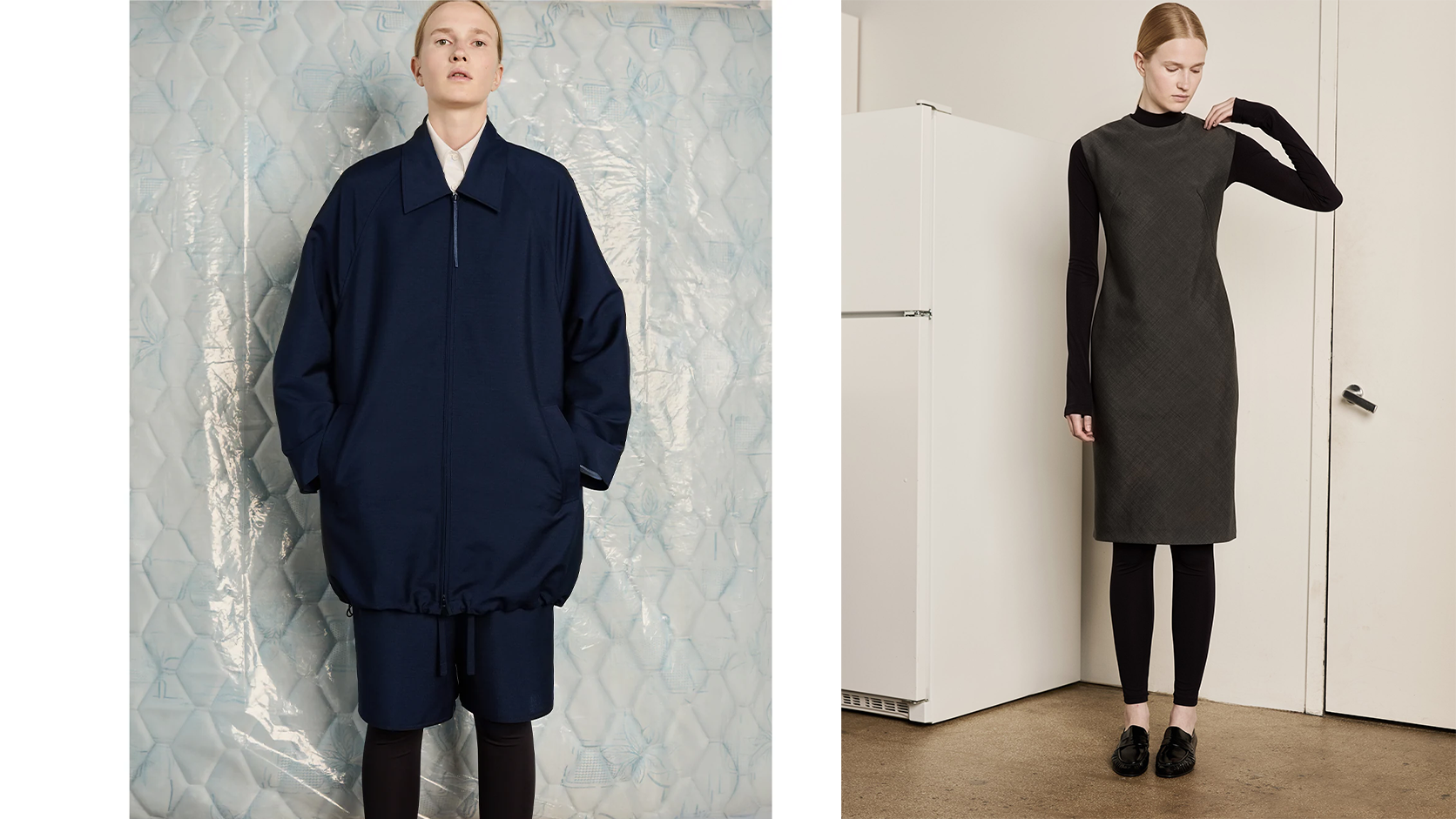
Francesco Fucci's strength lies not in adding decoration but in adjusting the proportions and materials of the clothes themselves. At The Row, he gained experience in restrained silhouettes and material-driven design, and at Theory, he brought change to an established brand through new silhouettes, proportions, and materials.
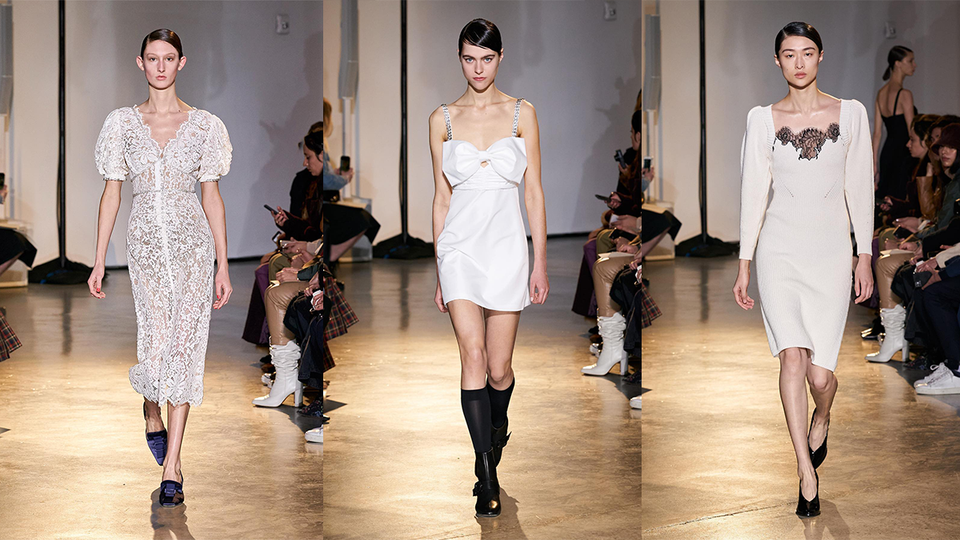
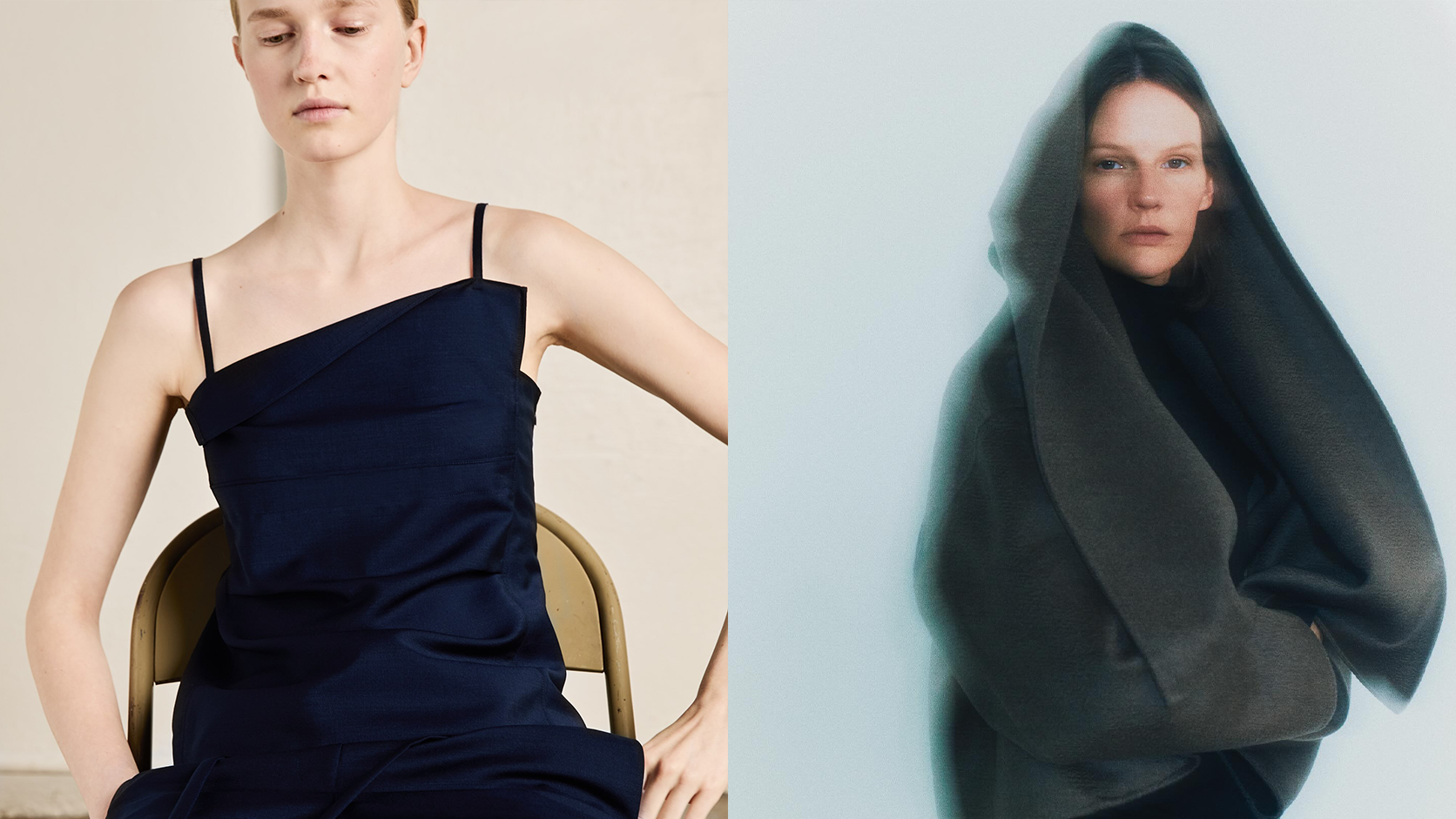
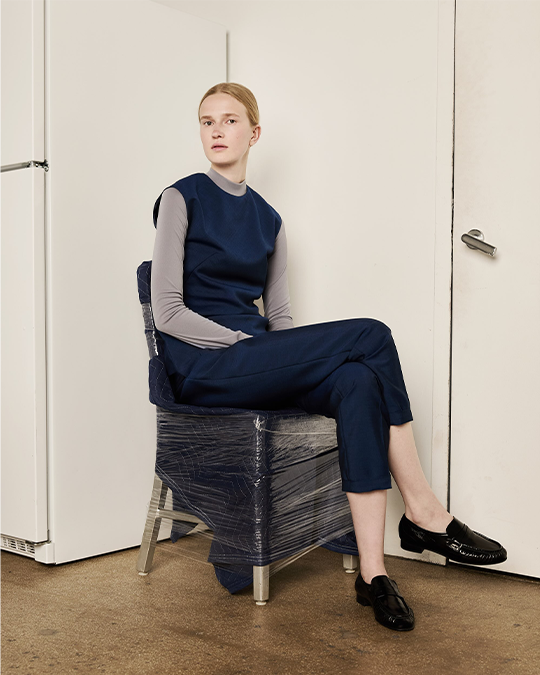
A similar approach appears in his collaboration with KUHO. The Fall 2026 collection centers on structured tailoring inspired by Italian architecture, featuring oversized jumpers, sleeveless dresses, classic shirts, tapered pants, and more. It also stands out for emphasizing the texture of materials such as wool, cotton, silk, and mohair while cutting back on unnecessary decoration.
From a One-Off Collaboration to a Partnership
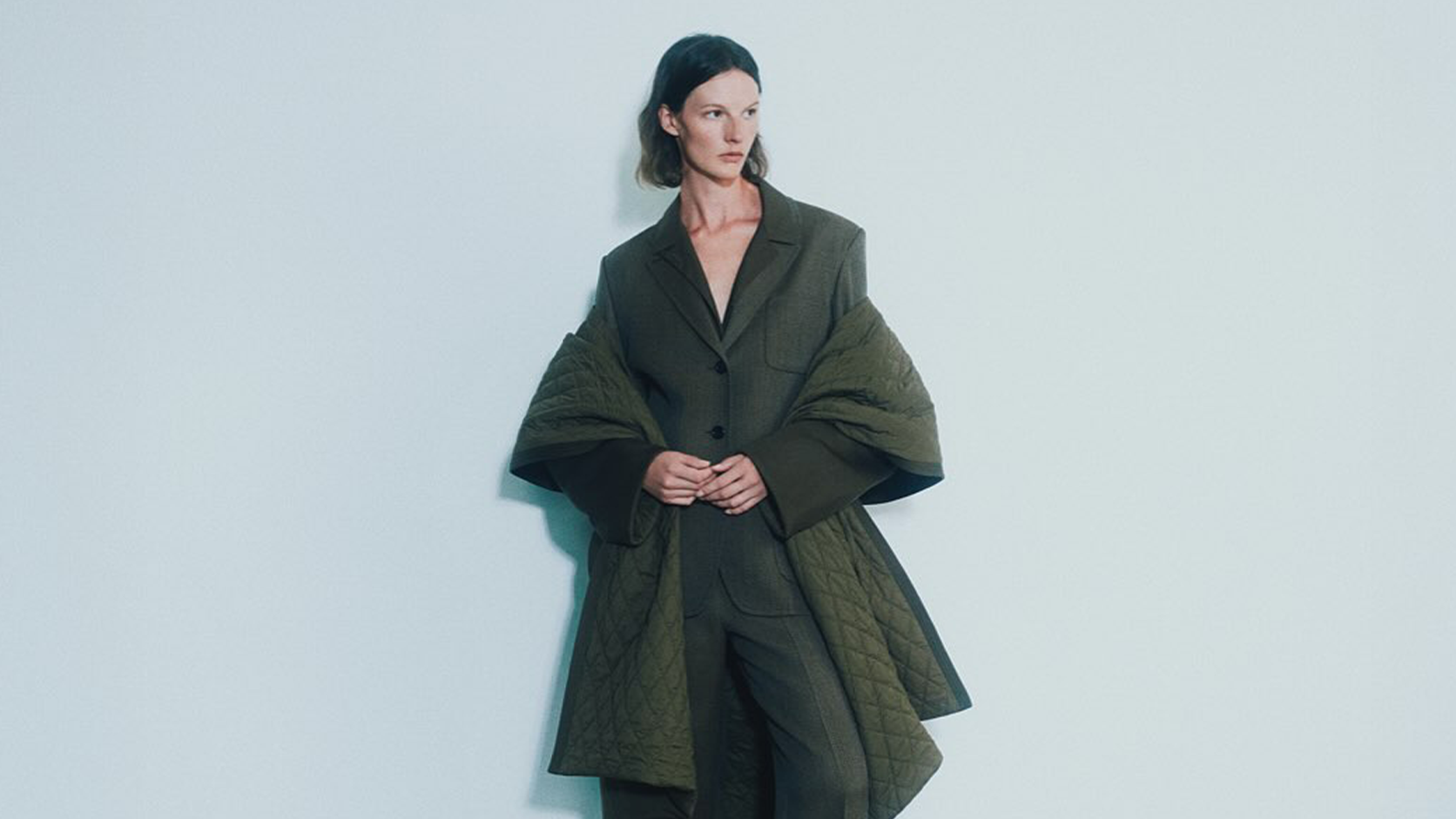
The heart of this collaboration lies less in the collection itself than in the ongoing partnership. After two collaborations with Francesco Fucci last year, KUHO has expanded the collaboration this year to cover all four seasons, from spring through winter.
Rather than generating buzz with a single limited edition, it's an approach of gradually developing silhouettes and materials with the same designer over multiple seasons. The spring collection played with contrasting proportions, such as oversized jackets with slim pants and voluminous jumpers with H-line skirts, while the fall collection placed greater emphasis on structured tailoring and the texture of the materials themselves.
What stands out is that, even within a repeat collaboration, it doesn't simply rehash the same designs. With each season, Fucci's minimalism and KUHO's existing style are being refined with greater finesse.
Where It Meets KUHO's Minimalism
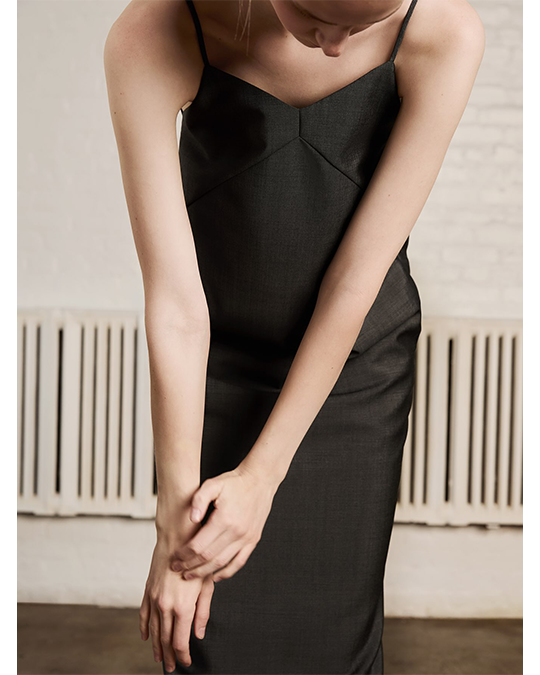
KUHO is a womenswear brand that has long built its identity around restrained colors and structured silhouettes. Fucci's design approach doesn't clash much with KUHO's existing direction. If anything, the two connect naturally in their shared focus on silhouette and material rather than added decoration.
This fall collection, too, stands out for cutting unnecessary details and focusing on the form and materials of the clothes themselves. It's less about creating an entirely new image and more about refining KUHO's existing minimalism with slightly sharper proportions and materials.
For KUHO, this collaboration is better seen not as a major rebranding, but as work that expands its existing minimal direction through Fucci's eyes.
KUHO's Collaboration Strategy
Fashion brand collaborations have recently been expanding beyond swapping logos and graphics into more varied forms. Minimal womenswear in particular reveals its differences not through eye-catching logos or prints but through silhouette, material, and proportion. It's a space where even a small change in pattern can greatly change the impression a garment makes when worn. For this reason, collaborating with a designer can be a way to try new fits, materials, and product assortments without completely changing a brand's existing identity.
The KUHO and Fucci collaboration can be seen in this context. Rather than putting Fucci's name front and center to draw in an entirely different customer, it invites a slightly different perspective on the minimal language KUHO already has. In particular, the fact that the collaboration continues across multiple seasons rather than ending after one shows that KUHO is using it as a way to develop its products and design direction together, rather than for mere buzz.
For the brand, it's a way to test new products while maintaining an identity familiar to existing customers, and for consumers, it's a chance to experience slightly different fits and materials within the same brand.
Points for Buyers to Consider
Look at Repeat Collaborations as a Signal
When a brand continues a partnership with the same designer across multiple seasons rather than a single collaboration, it may be viewing that design direction as a long-term product strategy rather than a short-term event. When buying, we recommend looking not only at the buzz around the first collection but also at which products and silhouettes carry over into the next season.
Check Material and Silhouette, Not Just Design
Because minimal products have fewer instantly recognizable points of difference, such as graphics or logos, the proportions and feel of the material when actually worn play a key role. Checking the fabric's texture, drape, and fit along with the images can help you judge the differences between products.
Consider the Balance Between Existing and New Customers
Designer collaborations can attract interest from new customers, but if they stray too far from a brand's existing identity, they may feel unfamiliar to existing customers. KUHO's approach of choosing a designer whose aesthetic overlaps with its own is worth noting as a way to narrow that gap.
Watch for Products That Carry Over into the Next Season
It's also important to see whether silhouettes or materials that perform well within a capsule collection carry over into the main collection. If elements tested through a collaboration expand into regular products, it can be read as a signal that the design is taking hold as the brand's long-term direction.