Knickerbocker, for Those Exhausted by the ALD Hype
Begun with just $15,000, grown into the menswear The New York Times chose — business insights from a quiet cult brand.
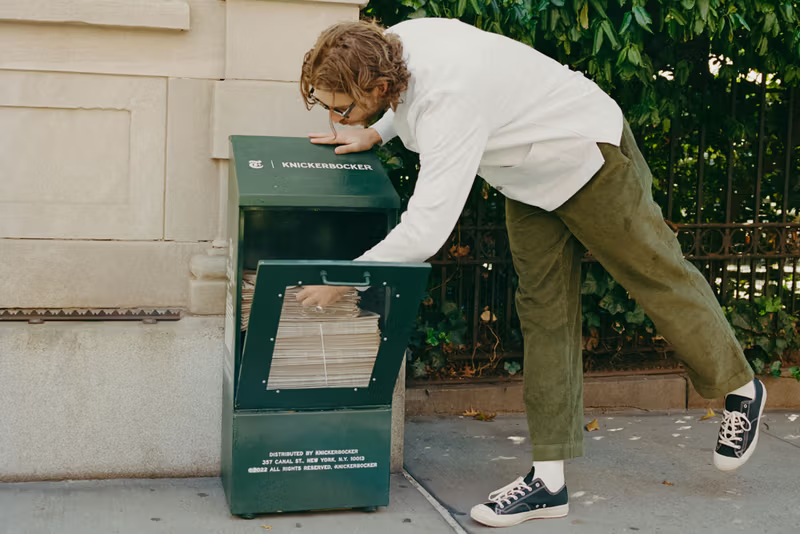
On the edge of Brooklyn, New York: a sixty-year-old hat factory found in a worn phone book. A young San Diegan — a former pro snowboarder — acquired it with just $15,000 raised on Kickstarter.
That reckless project — a skateboard ramp built in one corner of the factory, sewing machines running among friends — has become Knickerbocker, the American menswear brand drawing the most attention in the global fashion scene today.

Grown into a global brand on its own — without giant capital's intervention, without strained trend-chasing hype — Knickerbocker is named in 2026 as the most complete alternative to Aimé Leon Dore (ALD). Here's an analysis of why, and the core buying insights.
"Like Good Italian Cooking"
Knickerbocker's aesthetics sit at the intersection of 1960s Ivy League style, classic American workwear, and British tradition.
Founder Andrew Livingston likens his brand to 'Italian food': simple and classic on the surface, but what quality ingredients go inside — material and craftsmanship — decides everything.

The case that best displays the brand's weighty originality is its partnership with The New York Times. Producing the paper's official branded apparel since 2016, Knickerbocker fused journalistic heritage with workwear practicality perfectly. The "All the News That's Fit to Print" sweatshirt and the photojournalist work jacket are collaborations of genuine authenticity that only Knickerbocker — New York DNA to the bone — could pull off.

ALD Without the Hype
There's a sentence global menswear media keep repeating when covering Knickerbocker: "If you're an ALD fan exhausted by the tiresome hype, Knickerbocker is the far more accessible alternative."
ALD today — instant New Balance collab sellouts, valet parking outside the store, an enormous following — has ascended to the throne of power Supreme held a decade ago. But paradoxically, that overheated fervor is driving the original core fandom away in fatigue.
Knickerbocker fills exactly that vacancy. It shares ALD's New York aesthetics and Ivy-workwear sensibility — without the lines, without the resale premium. The founder and his wife run the core operation as a pair, sustaining a 'quiet cult' through the SoHo flagship and a handful of global stockists.

Brooklyn to Portugal to Melbourne
They began in a Brooklyn factory, but most production has since moved to family-run factories in Portugal. Considering Portugal's rapid rise as the new global fashion sourcing hub in 2026, Knickerbocker had already built its high-quality, ethical supply chain a step ahead.
More interesting still is the mode of global expansion. The founder opened the brand's first global store in Melbourne, Australia — a city he had never visited. The couple behind Melbourne select shop PPHH, the brand's first overseas stockist, traveled all the way to Italy to meet him in person, became friends, and ultimately became co-owners of the Australian branch. Global business broken open not by capital's logic, but by the connection of 'people and community.'

Sourcing Insights for the Working Buyer
The Intersection of Three Mega Trends
Portuguese production (quality), workwear/Americana (heritage's return), a cult without hype (the deinfluencing trend). The three keywords ruling fashion in 2026 are all contained in this single brand.
The Greatest Beneficiary of the ALD Trickle-Down
The more massively mainstream ALD becomes, the more high-sensitivity consumers hunt for "the next name others aren't wearing yet."
Storytelling That Sells Itself
"A couple's brand that started with $15,000, found its factory in a phone book, and collaborated with The New York Times." The seductive narrative to hand your customer is already complete.

Editorial Small Talk
The Curious Crossing of Two Independent Houses
Knickerbocker's first overseas store in Melbourne moved, fascinatingly enough, into the very space once occupied by Australian high-end label Song for the Mute. Two independent brands that globalized on their own, without major capital, crossing paths in the same physical space — the fashion scene's most delightful bit of gossip.
Snowboarding Instead of Fashion School
Founder Andrew Livingston is no famous fashion school graduate. In place of the elite designer track, he learned clothing by combing phone books and grinding shoulder-to-shoulder with a factory owner. The distinctive authenticity global select shop buyers rave about — "you feel more deeply connected to the founder" — comes precisely from that raw, ground-floor experience.